

Luxury travel is undergoing a quiet but profound shift. Across the world, affluent families are no longer measuring journeys by distance or extravagance alone, but by what those journeys mean—and who they are shared with. Multi-generational travel, once associated with compromise and complexity, has moved decisively upmarket. And increasingly, Vietnam is emerging as one of Asia’s most emotionally resonant destinations for this new kind of luxury.
Unlike destinations that rely on spectacle, Vietnam offers something subtler and far more enduring: depth across generations. It is a country where grandparents recognize echoes of history, parents find cultural richness and balance, and children encounter a world that feels both vivid and grounding. Here, travel becomes not just a vacation, but a shared narrative.
“Luxury today is not about excess,” says Dr. Phạm Hà, Founder & CEO of LuxGroup. “It is about connection—between people, between generations, and between memory and place.”
A Natural Fit for Multi-Generational Travel
Vietnam’s appeal lies in its natural compatibility with multi-spoke travel, the model increasingly favored by bespoke tour operators serving multi-gen families. Geography plays a central role. Rivers, coastlines, heritage towns, and cultural capitals are woven together in a way that allows families to share a destination without sharing identical days.
In practice, this means a grandmother can enjoy a slow, reflective cruise along the Saigon River while grandchildren explore mangrove forests or bustling markets. Parents may cycle through rural villages or join a private culinary experience, before the family reunites in the evening—perhaps aboard a heritage-inspired yacht or in a restored riverside villa.
“The beauty of Vietnam is rhythm,” Dr. Phạm Hà explains. “You can travel together without being forced into the same pace. Everyone feels seen, respected, and included.”
Rivers as Shared Memory Spaces
Few landscapes lend themselves to intergenerational storytelling like Vietnam’s rivers. From the Red River in the north to the Mekong in the south, waterways are not just scenic routes—they are cultural arteries, carriers of memory, trade, and tradition.
For older generations, river journeys often evoke reflection and continuity. For younger travelers, they offer sensory discovery: shifting light, floating markets, quiet villages unfolding at water level. And for families as a whole, rivers create natural gathering points—spaces where conversation slows, attention deepens, and experiences are shared organically.
“When three generations sit on the same deck, watching the river pass by, each person sees something different,” says Dr. Phạm Hà. “But that moment belongs to all of them. That’s where travel becomes legacy.”
Private, Personal, and Meaningful Luxury
As global data shows, affluent families are moving away from standardized group tours toward private, tailor-made journeys. Vietnam’s luxury landscape is particularly well suited to this demand. Instead of vast resorts or impersonal mega-cruises, the country excels in intimate hospitality—boutique vessels, private villas, and heritage homes restored with restraint and respect.
These environments allow large families to stay together while preserving privacy and flexibility. Children can explore freely, parents can curate experiences aligned with personal interests, and grandparents can travel comfortably without sacrificing cultural immersion.
Luxury here is not loud. It is considered.
“In Vietnam, luxury works best when it disappears into culture,” Dr. Phạm Hà notes. “When service is intuitive, when design reflects history, and when the experience feels personal rather than performative.”
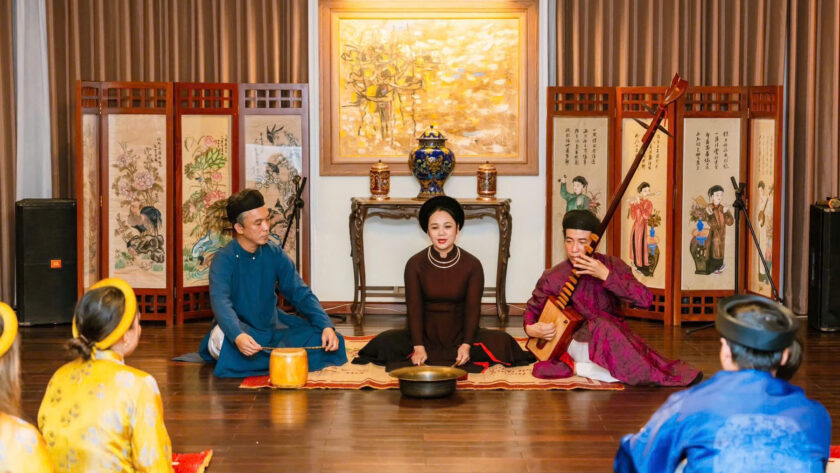
Celebrating Milestones, Creating Traditions
Much of the growth in multi-generational travel is driven by grandparents choosing to invest in shared experiences rather than material inheritance. Vietnam offers a powerful setting for this shift—particularly for families marking milestones such as anniversaries, reunions, or coming-of-age moments.
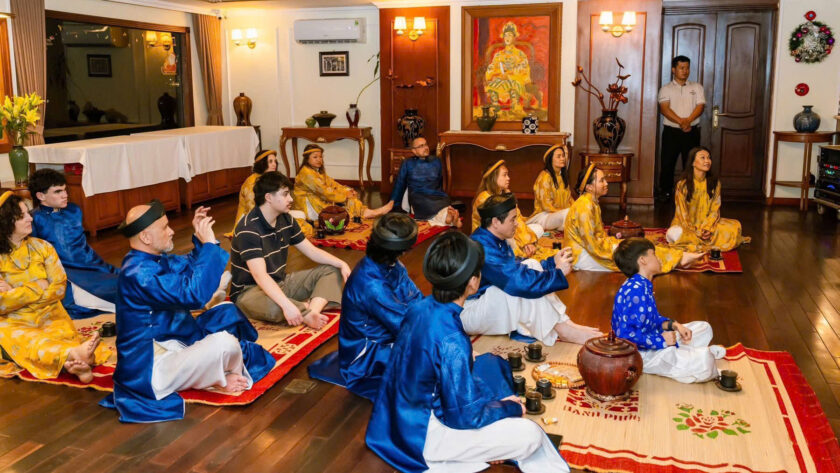
A private dinner on a river cruise, a ceremonial visit to an imperial site, or a hands-on cultural workshop can become more than an itinerary highlight. These moments often turn into family reference points, stories retold long after the journey ends.
Vietnam’s layered history—its resilience, artistry, and relationship with nature—adds emotional weight to these shared experiences. It invites conversation between generations, encouraging elders to share perspective and younger travelers to ask deeper questions.
From Travel to Family Heritage
What ultimately sets Vietnam apart is its ability to transform travel into family heritage. This is not a destination that demands constant movement or adrenaline. Instead, it rewards presence, listening, and curiosity.
Families return home not only with photographs, but with a shared understanding—of culture, of history, and of each other. These journeys often become the foundation for future traditions: return visits, annual gatherings, or long-term travel planning across continents.
“We are not just planning trips,” says Dr. Phạm Hà. “We are helping families design moments that will be remembered, referenced, and passed down.”
In a world where time together is increasingly scarce, Vietnam offers something invaluable: space for generations to meet, move, and reflect together. It is this quiet power—rooted in culture, water, and human connection—that positions Vietnam as one of the most meaningful multi-generational luxury destinations of our time.
For families seeking not just to travel, but to belong—to each other and to the journey itself—Vietnam is no longer a hidden gem. It is a destination where legacy begins.