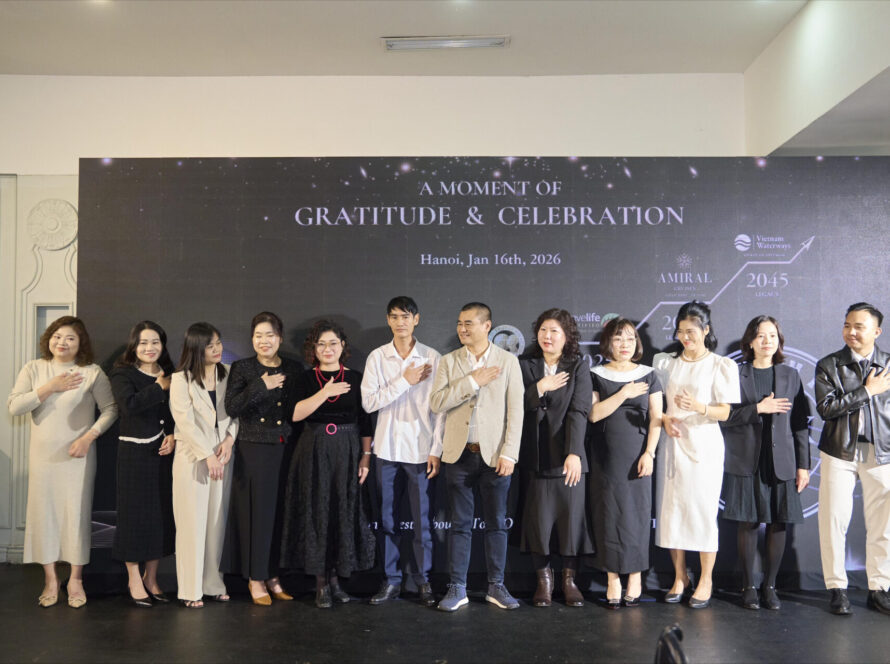


Expert Perspective by Dr. Pham Ha – Phạm Hà, Chairman & CEO, LuxGroup
As we enter 2026, global tourism is crossing a structural turning point. The industry is no longer defined primarily by movement, volume, or consumption, but by experience, emotion, and memory. Travelers no longer measure the value of a journey by the number of destinations visited, the level of material luxury, or social-media visibility. Instead, value is determined by emotional depth, human connection, and what remains long after the journey ends.
This is not a short-term trend. It is the inevitable response of a world that has moved too fast — and is now relearning how to slow down: to understand more deeply, to feel more fully, and to live more meaningfully.
Longer Stays and the Philosophy of “Staying to Understand”
One of the most profound shifts shaping tourism in 2026 is the rise of longer stays in fewer destinations. Today’s travelers no longer want to “see everything.” They want to stay long enough to understand where they are.
Tourism is therefore evolving from a consumption activity into a process of learning and co-creation. When travelers shop in local markets, cook with residents, participate in festivals, share daily life, or even engage in local labor, the experience moves beyond itinerary design. It becomes a living memory — something that cannot be replicated or purchased elsewhere.
For Vietnam, this represents a rare opportunity. Community-based culture, collective lifestyles, and living heritage — values that many over-developed destinations have lost — remain deeply intact.
Emerging Destinations and the Power of Authenticity
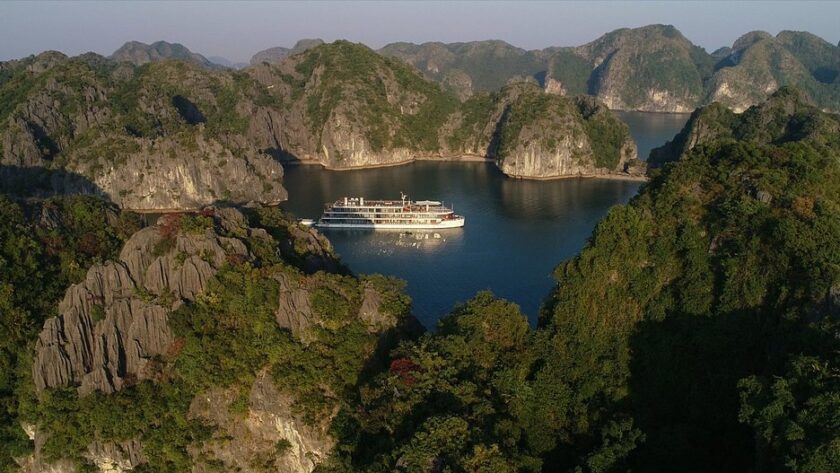
The rise of lesser-known destinations signals a global shift away from overcrowded, standardized tourism. Travelers are increasingly seeking places that remain unpolished, personal, and real.
Vietnam possesses hundreds of such destinations — from mountains and midlands to coastlines and river deltas. The challenge is not to open more places, but to tell deeper stories, allowing each return visit to reveal a new emotional layer rather than repeating the same experience.
Wellness Tourism: From Spa Services to Holistic Restoration
Wellness travel has moved far beyond spas and passive relaxation. Modern travelers are focused on mental well-being, emotional balance, and personal alignment.
Journeys that combine nature immersion, gentle physical activity, meditation, cultural engagement, community interaction, and meaningful labor are becoming preferred choices. Health is no longer treated as a service, but as a harmonious state between body, mind, spirit, and environment.
Sustainability: From Declarations to Daily Choices
Responsible tourism is shifting from marketing language to measurable behavior. Travelers are willing to move slower, choose lower-emission transport, and support businesses with transparent commitments to communities and ecosystems.
The strong growth of rail travel in Europe — replacing short-haul flights — demonstrates an important truth: sustainability does not reduce experience quality. It enhances depth, perspective, and meaning.
Tourism Spending: Polarized, Yet Value-Driven
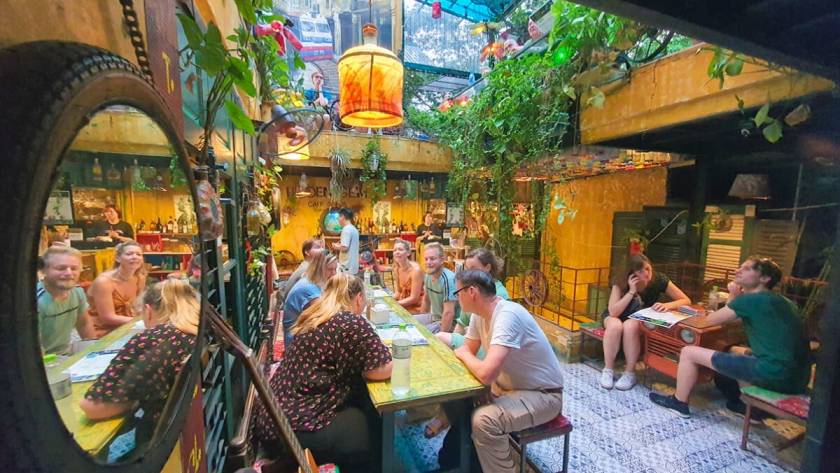
Global economic pressure has led some travelers to prioritize mid-range accommodation, bundled tours, and loyalty programs. However, spending in the premium segment remains resilient.
What has changed is what people are willing to pay for. Luxury travelers are no longer purchasing ostentation. They invest in singular, story-rich, emotionally meaningful experiences. More than 80% of high-value travelers indicate willingness to pay significantly more for experiences that are “once-in-a-lifetime” and non-repeatable.
Multi-Generational Travel and Hyper-Personalization
Multi-generational travel is reshaping product design. Successful journeys must now accommodate children, parents, and grandparents — while creating shared moments of genuine connection.
At the same time, personalization has shifted from optional to baseline expectation. Travelers want journeys that reflect their values, interests, and inner journeys — not standardized scripts.

Vietnam Waterways: A Strategic Experience Axis
One of Vietnam’s most under-leveraged strategic advantages is its river–sea geography. More than 70% of tourism activities in Vietnam are directly or indirectly linked to waterways.
Vietnam was shaped by water: villages formed along rivers, ports opened to the sea, commerce moved by waterways. Experience corridors such as the Saigon River–Mekong system, the Northern Gulf “three bays–one journey” model, and the Red River from the highlands to the sea are globally rare.
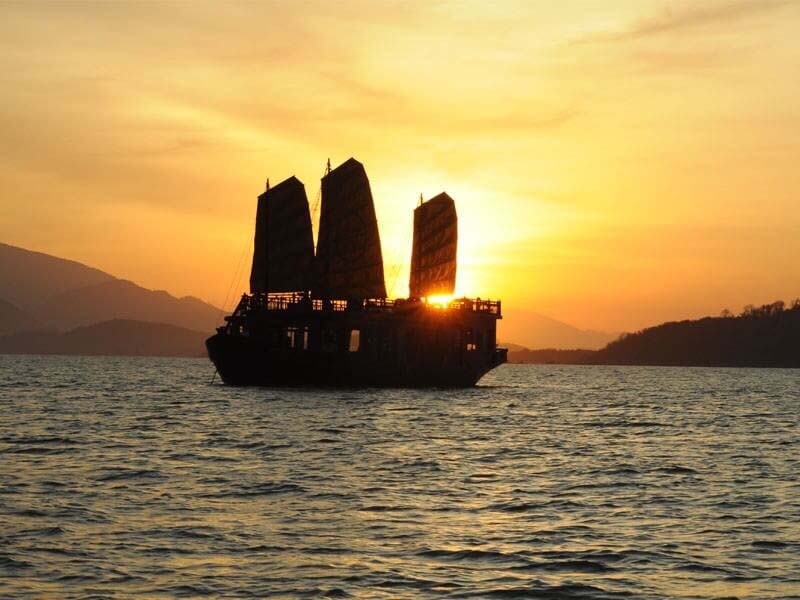
Water-based tourism enables longer stays, slower movement, and deeper immersion — transforming vessels into living spaces, cultural platforms, and memory vessels.
How Do We Create Return Visits?
Repeat visitation is not driven by marketing — it is earned through experience. Vietnam must strengthen four pillars simultaneously: visa flexibility and connectivity; consistent service quality; continuously refreshed, seasonal storytelling; and authentic community participation.
Most importantly, each return visit must reveal a different Vietnam — deeper, richer, and more emotionally resonant than before.
Advantages, Bottlenecks, and Niche Market Strategy
Vietnam’s strengths are clear: natural beauty, cultural depth, cuisine, hospitality, and competitive costs. Yet challenges persist — limited visa flexibility, insufficient regional differentiation, and a workforce not yet fully aligned with premium experiential tourism.
Breakthrough growth will come from niche markets, including Middle Eastern travelers, through culturally respectful design, privacy-oriented products, high-end accommodation, and strict halal standards.
Conclusion
Tourism in 2026 is no longer a race for numbers. It is a journey toward value creation. When Vietnam tells its story through authentic, sustainable, emotionally rich experiences — especially along its waterways — every journey becomes a memory.
And memories, not promotions, are what bring travelers back — not once, but many times throughout their lives.