

How LuxGroup Builds a Brand People Love
In the Experience Economy, brands are no longer defined by logos, slogans, or marketing campaigns. They have become living entities, shaped by human emotion, memory, and long-term attachment.
The story of LuxGroup offers a distinctive perspective: a brand is not designed by marketing departments alone, but formed through a human-centred philosophy, organisational culture, and the way people treat one another.
A human-centred brand is not a logo
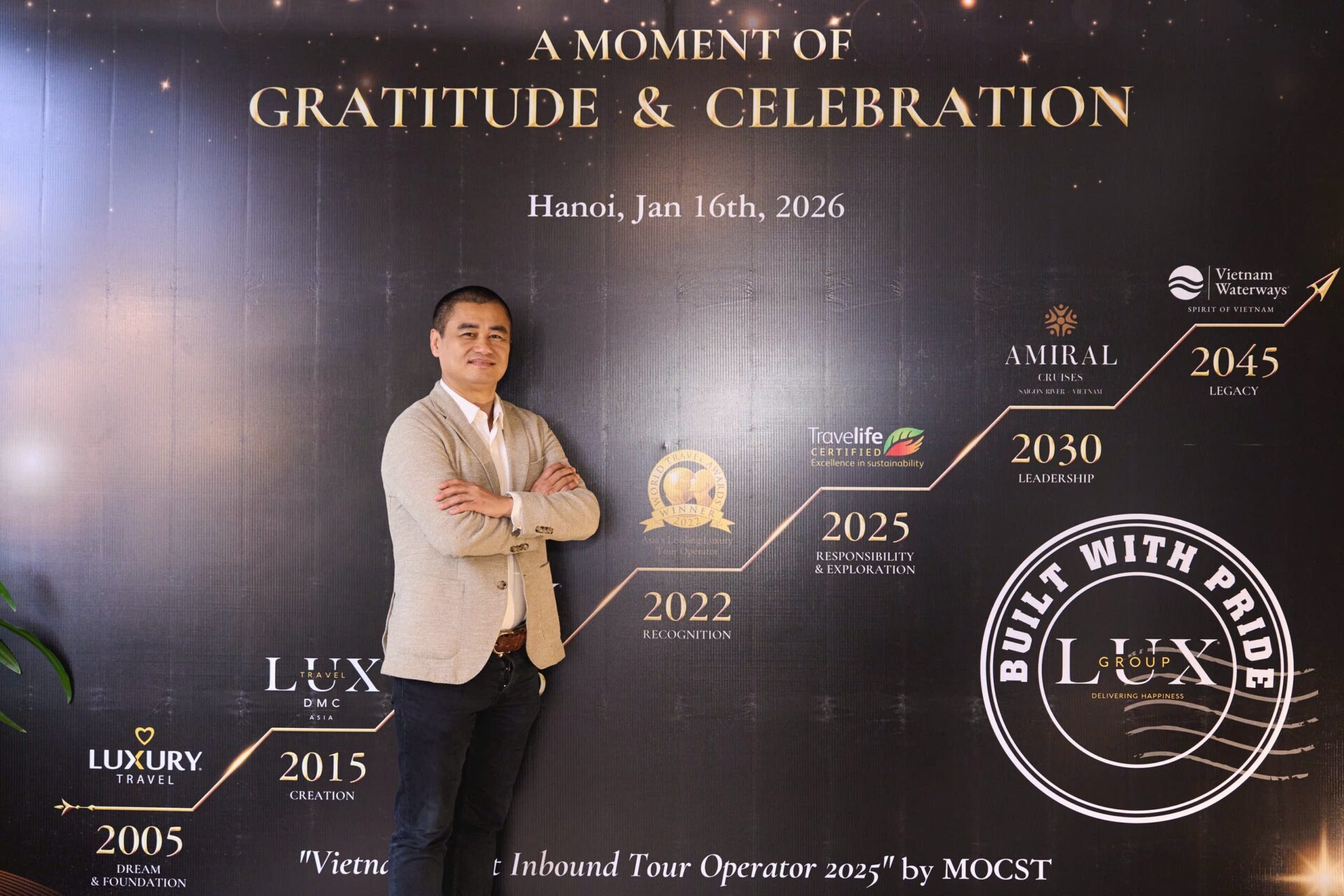
According to Phạm Hà, Founding President & CEO of LuxGroup®, one of the most common misconceptions in business is equating brand value with visual identity or communication.
“Customers are not loyal to logos. They are loyal to the emotions and memories a brand leaves behind.”
From this perspective, brand equity does not live on websites or signboards. It lives in everyday actions: how a guest is welcomed, how a difficult complaint is handled, or how leaders choose long-term values over short-term gains. Every decision quietly shapes the brand.
Culture as the foundation of a brand with a soul
Operating in luxury travel, LuxGroup understands that products and amenities are increasingly easy to replicate. What cannot be copied is culture—the way an organisation thinks, behaves, and makes choices.
“Strategy can change, products can evolve, but culture determines whether a brand endures,” Phạm Hà emphasises.
At LuxGroup, culture is not a moral slogan. It functions as a human-centred operating system, practised daily through the philosophy of People First and the belief that Luxury is Culture – Delivering Happiness. People are not treated as tools for profit, but as the central subjects of experience.
Where Brand and Culture converge
What distinguishes LuxGroup is the consistency between what it says and what it does. From Lux Travel DMC to Heritage Cruises, Emperor Cruises, and Amiral Cruises for Presidents®, each brand has its own personality, yet all share the same values: human-centred thinking, cultural depth, and respect for human dignity.
“A product can be created in months, but a brand is formed over years of shared experience with customers,” Phạm Hà notes.
Rather than pursuing scale at all costs, LuxGroup chooses a strategy of depth—focusing on meaningful experiences where guests feel heard, understood, and respected as individuals.
A human-centred brand reveals itself in difficult moments
For LuxGroup, a brand’s true character emerges during moments of challenge: operational incidents, difficult decisions, or market uncertainty.
“When everything goes smoothly, anyone can speak well. But when problems arise, how you act defines who you are in people’s memory,” Phạm Hà says.
In such moments, human-centred culture becomes the compass, guiding responsible and long-term decisions—even when they require short-term sacrifice.
Leadership as the keeper of culture
At LuxGroup, leadership is not only about strategy, but about protecting the soul of the culture. A human-centred brand cannot be enforced by rules; it spreads only when leaders live the values they promote.
“Culture is not in slides. It is in how leaders behave every day,” Phạm Hà reflects.
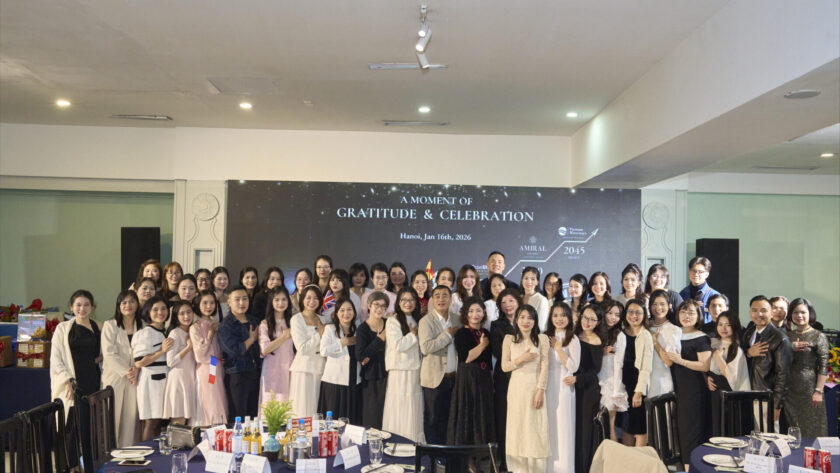
This philosophy shapes recruitment, training, evaluation, and recognition across the group. Culture becomes an invisible force that preserves brand identity as the organisation grows.
A broader lesson for Vietnamese enterprises
The LuxGroup story raises a fundamental question for Vietnamese businesses: are brands built to sell quickly, or to be loved over time? In a globalised and competitive economy, human-centred brands with clear cultures possess a far more sustainable advantage than any short-term marketing campaign.
“When a human-centred brand has a soul and culture comes alive, people don’t just remember you—they return,” Phạm Hà concludes.
In this sense, LuxGroup is not merely building a travel company. It is experimenting with a Vietnamese brand model—loved for its values, sustained by culture, and remembered through the human experiences it creates.