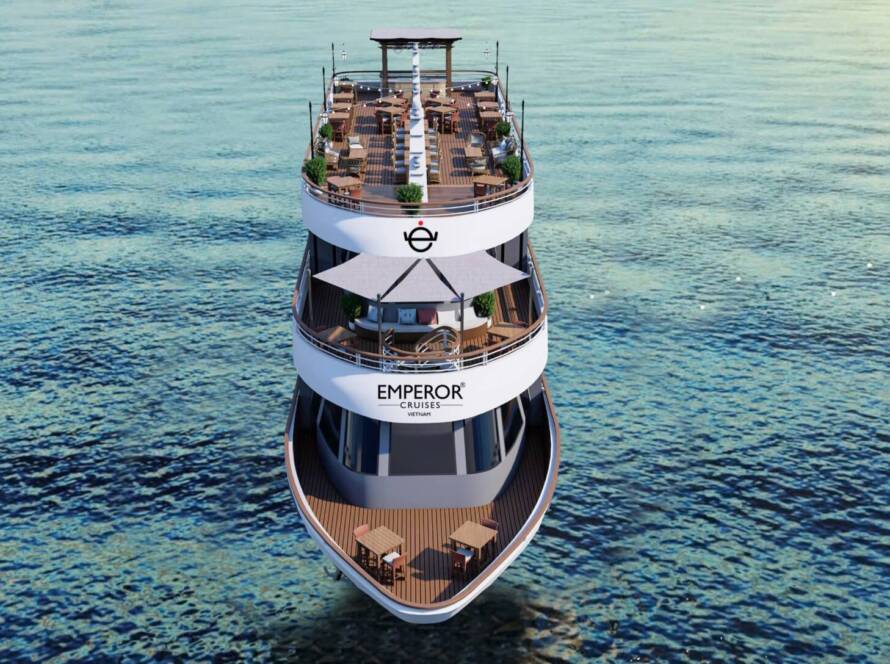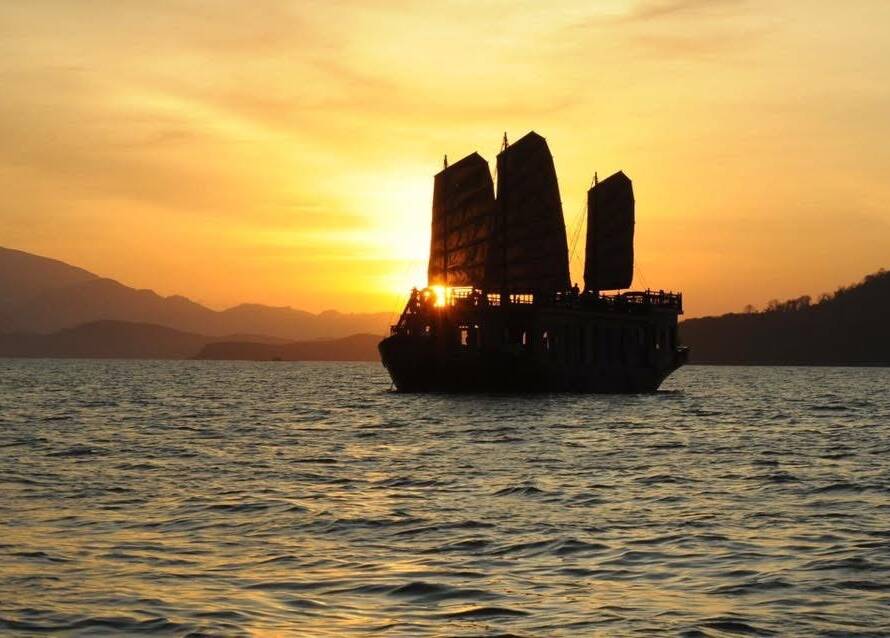


A new lifestyle is emerging, opening opportunities for water-based hospitality and floating real estate models.
Across the world, rivers are no longer seen as passive backdrops to urban life. They are increasingly becoming the center of a new way of living—one that prioritizes balance, nature, and emotional well-being.
In this context, water-based hospitality and floating lifestyle models are gaining traction. More than just travel, they represent a fusion of living, leisure, and experience—where each journey becomes an extension of personal identity and lifestyle.
A Second Living Space
The rise of Vietnam’s middle and affluent classes is driving demand for premium lifestyle and leisure products. According to forecasts, Vietnam’s tourism market is expected to reach tens of billions of USD in the coming years, with steady growth momentum.
Vietnam holds a distinct advantage with over 3,200 kilometers of coastline, thousands of rivers, and a rich, diverse ecosystem. This creates a strong foundation for developing water-based hospitality—from boutique cruises to floating resorts and immersive river journeys.
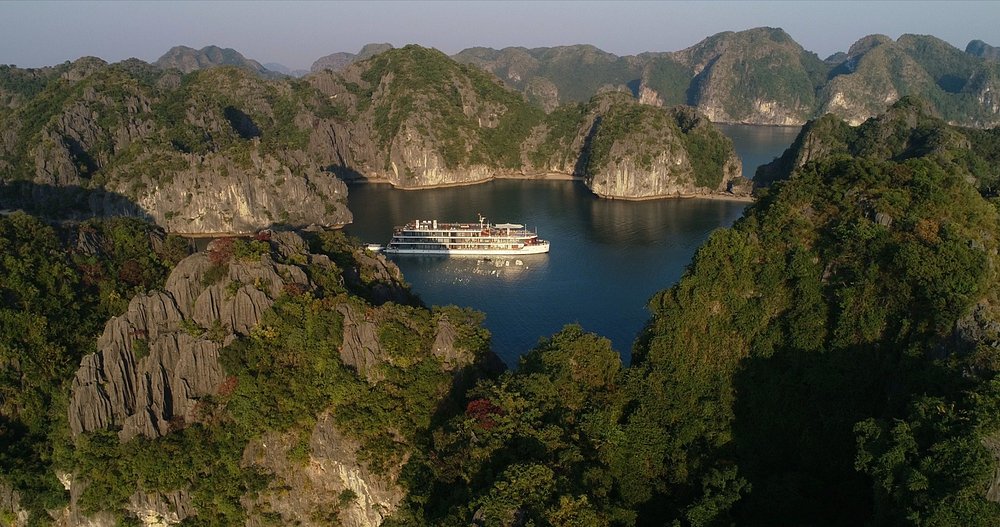
Destinations such as Ha Long Bay, Nha Trang, and Lan Ha Bay have long demonstrated the appeal of this model. However, significant untapped potential remains—particularly in major cities like Ho Chi Minh City, where dense river networks are still underutilized.
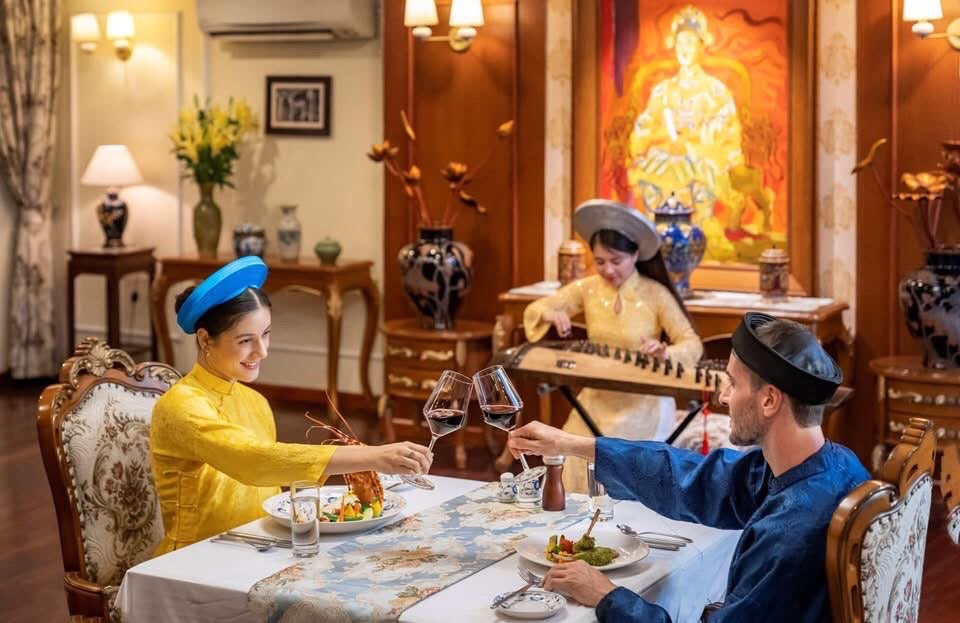
According to Dr. Phạm Hà, Founding President & CEO of LuxGroup®, cruises should not be viewed merely as transportation, but as cultural spaces where experiences are designed around storytelling and emotional connection.
The Shift in the Meaning of Luxury
The definition of luxury is undergoing a profound transformation.
Where luxury was once associated with opulence, extravagance, and visibility, it is now defined by subtlety, privacy, and personalization.
High-end travelers are no longer seeking standardized, mass-market experiences. Instead, they desire journeys that are deeply personal, culturally rich, and emotionally meaningful.
In this context, boutique cruising—characterized by smaller scale, refined service, and curated experiences—is emerging as a leading trend. Pioneering brands such as Lux Cruises have already welcomed tens of thousands of guests annually, reflecting a growing demand for this segment.
Three Key Bottlenecks
Despite its strong potential, Vietnam’s river tourism sector still faces several critical challenges.
First, infrastructure and planning.
Many localities lack comprehensive master planning for water-based tourism. Ports, piers, and supporting infrastructure remain limited and inconsistent, restricting large-scale development.
Second, policy and regulatory frameworks.
There is still no clear legal framework for emerging business models on water, especially in the high-end segment such as boutique cruising. This creates uncertainty and limits long-term investment.
Third, product and experience development.
Most river tourism offerings remain basic, lacking depth, differentiation, and high-value storytelling needed to attract premium travelers.
Room for Growth
As Vietnam’s tourism industry shifts from quantity to quality, river tourism is expected to become a new growth driver.
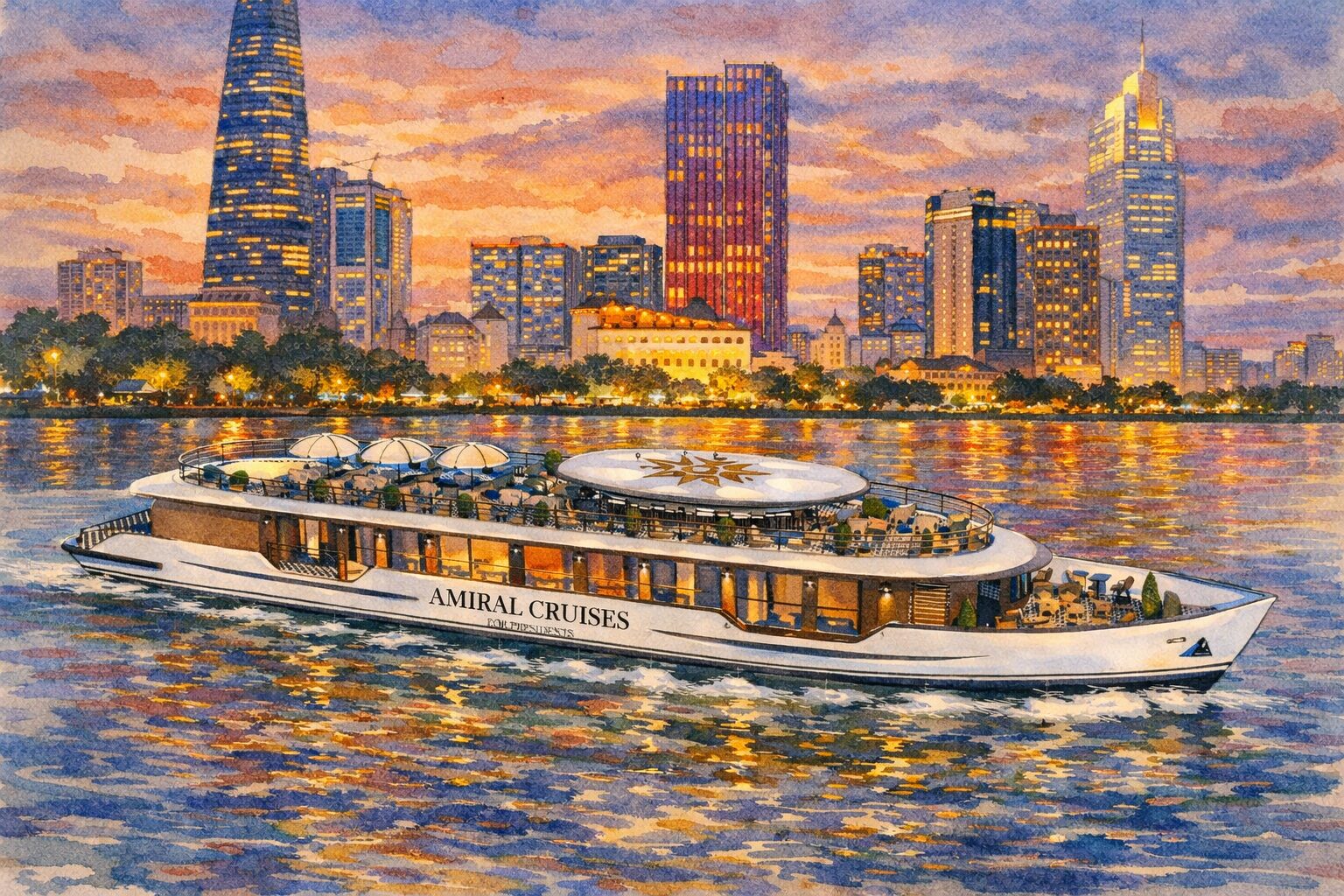
Ho Chi Minh City, with the Saigon River and its extensive canal system, is particularly well-positioned to develop premium water-based experiences—from luxury cruises to curated cultural journeys.
With the right investment and strategic vision, river tourism can deliver more than economic value. It can:
* Redefine urban experiences
* Create new lifestyle spaces
* Drive the development of the night-time economy
* Strengthen national tourism branding
Conclusion
A new ecosystem is gradually taking shape on the water—where cruises are no longer just vessels, but symbols of a refined way of living.
This “new kind of luxury” is not about material display, but about deeper values: stillness, connection, and meaningful experiences.
It represents an opportunity for businesses and destinations to rethink tourism—not just as an industry, but as a cultural and emotional journey toward a more sustainable and differentiated future