

What the World’s Largest Cave Taught Me About Leadership, Purpose, People and the Future of Luxury Travel
By Dr. Pham Ha – Founder & CEO, LuxGroup
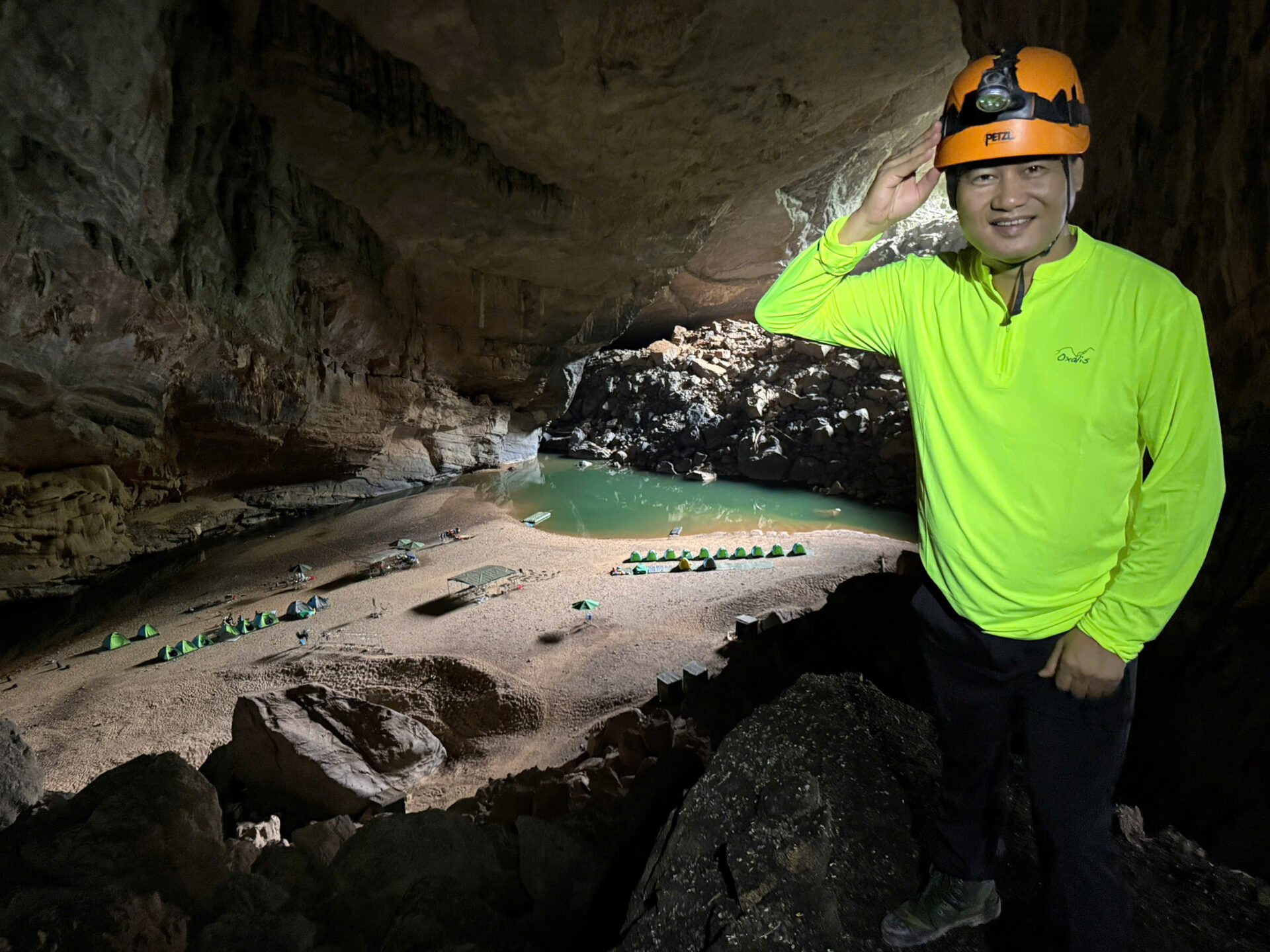
After days of trekking through rainforest, crossing rivers, sleeping underground and walking through landscapes that nature took millions of years to create, I emerged from Son Doong with a very different mindset from the one I carried in.
At first, this was about fulfilling one of the great travel dreams of my life. Yet the deeper I went beneath the mountain, the clearer something became: Son Doong does not need to be conquered. Its immensity, silence and permanence invite us instead to examine ourselves—where we are going, what truly matters, and how we can lead people toward ambitious goals without losing sight of why we began the journey in the first place.
Some Dreams Are Worth Waiting For
Son Doong had been on my personal list for years. But this is not a journey you simply decide to take one morning and begin the next. Access is limited, physical preparation matters, and even getting ready becomes part of the expedition. Perhaps some dreams become more meaningful precisely because they require patience.
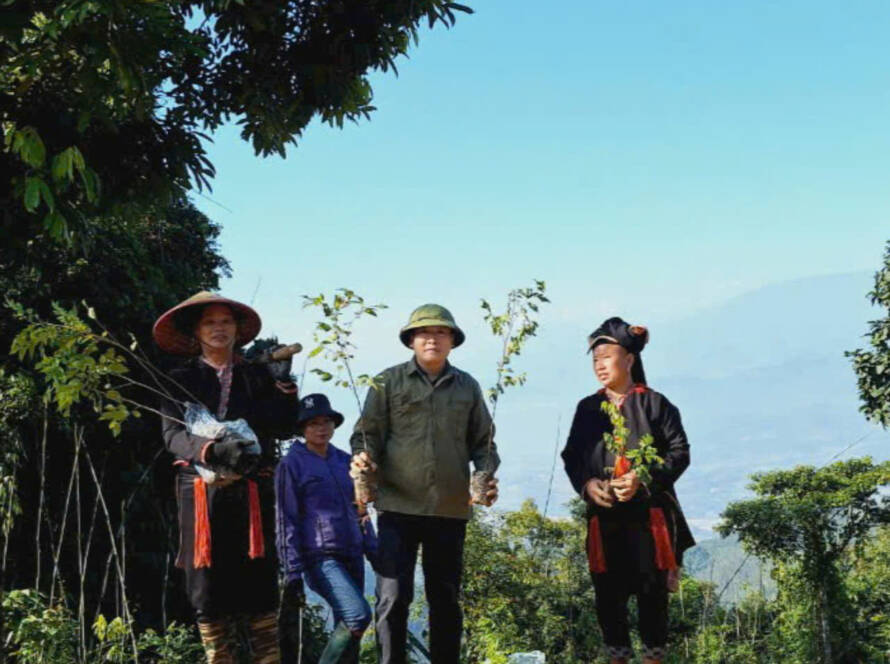
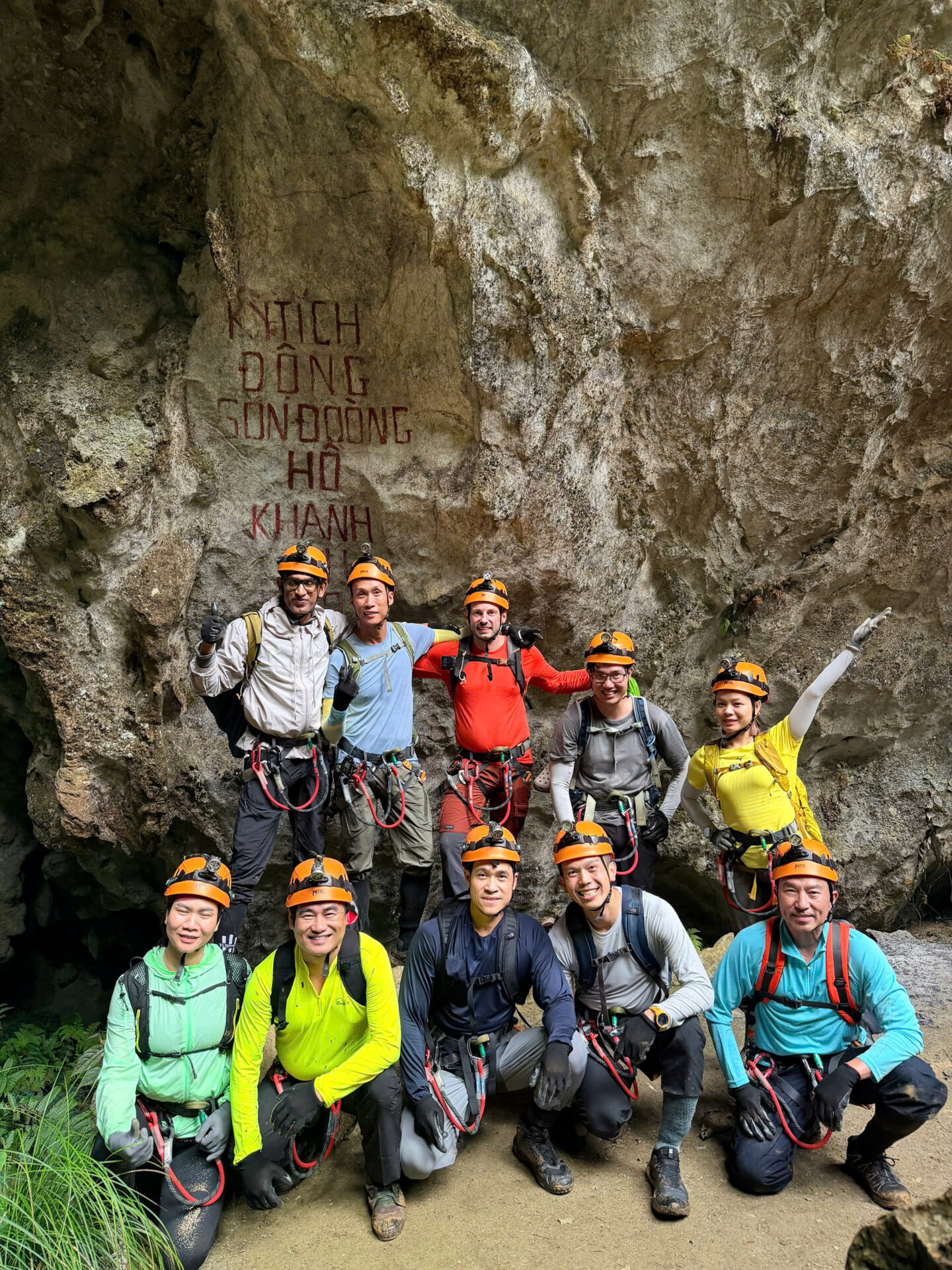
I came to Quang Binh with fellow Luxers for LuxGroup’s Green Journey, connecting with nature, local culture and communities. Then an unexpected opportunity arose to continue into Son Doong. Looking back, it felt like a natural progression—from a shared company journey to a deeply personal one, from exploring the landscape around me to examining the landscape within.
From Conquering to Being Allowed to Enter
Before the expedition, I too used the phrase “conquering Son Doong.” I no longer feel comfortable with it.
Son Doong existed for millions of years before us and will remain long after we are gone. Rain can alter the route. Rising water can change a plan. A safety expert’s judgement can override individual determination. Nature does not care about our titles, ambitions or schedules.
I did not conquer Son Doong. I was fortunate enough to enter it, experience it and return safely.
That small change in language reflects a larger change in perspective: from ownership to gratitude, from control to respect, from “I achieved this” to “I was privileged to experience this.”
Perhaps every meaningful journey begins with that kind of humility.
People First Becomes Clearest When the Path Gets Difficult
A Son Doong expedition may have only a small number of guests, yet behind them stands an entire ecosystem of cave experts, guides, safety assistants, rangers, chefs and porters. Some of the people least visible to travellers are precisely those who make the entire journey possible.
That made me think deeply about People First, a principle we frequently speak about at LuxGroup.
In business, customers may know the CEO or recognise the brand. But the actual experience is created by countless people behind the scenes: the person answering an email, driving a vehicle, preparing a cabin, cooking a meal or solving a problem before the guest even knows it exists.
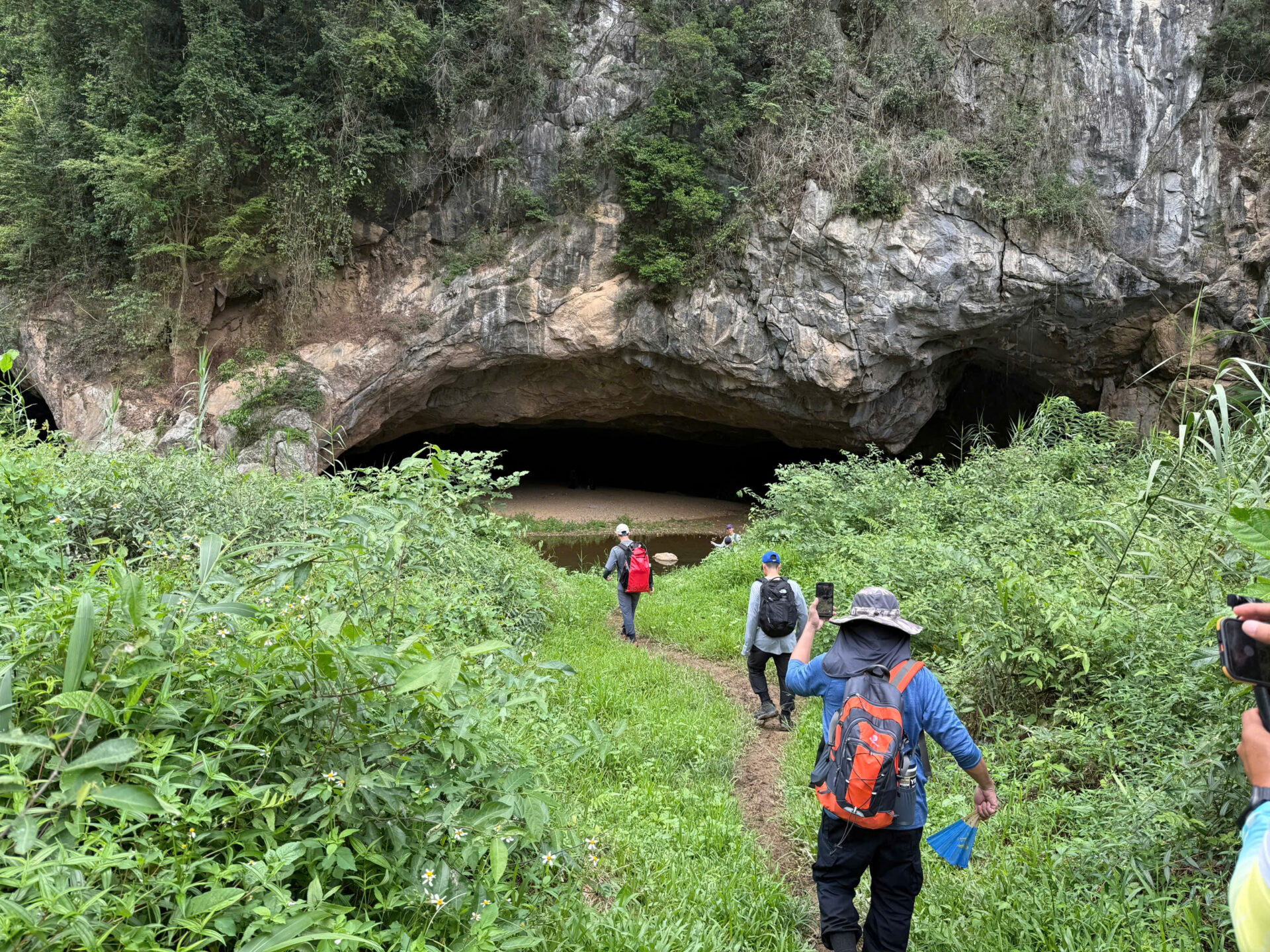
People First cannot simply be a slogan displayed on a wall.
It must be the way the system works.
To Go Far, We Must Learn to Move Together
In the jungle and inside the cave, being the fastest person in the group means very little. Some people naturally move faster. Others are more cautious. Sometimes someone needs a few additional minutes to recover.
Success is not measured by who finishes first.
It is measured by whether everyone completes the journey safely.
Organizations are similar. We celebrate speed, growth and efficiency, and rightly so. But when the leader’s pace exceeds the organization’s ability to follow, distance begins to grow between vision and execution.
A vision matters only when people understand it. A strategy becomes powerful only when people believe in it.
Leadership is therefore not about proving that you can walk faster than everyone else.
It is about creating the conditions for people to reach the destination together.
The Backpack and the Discipline of Enough
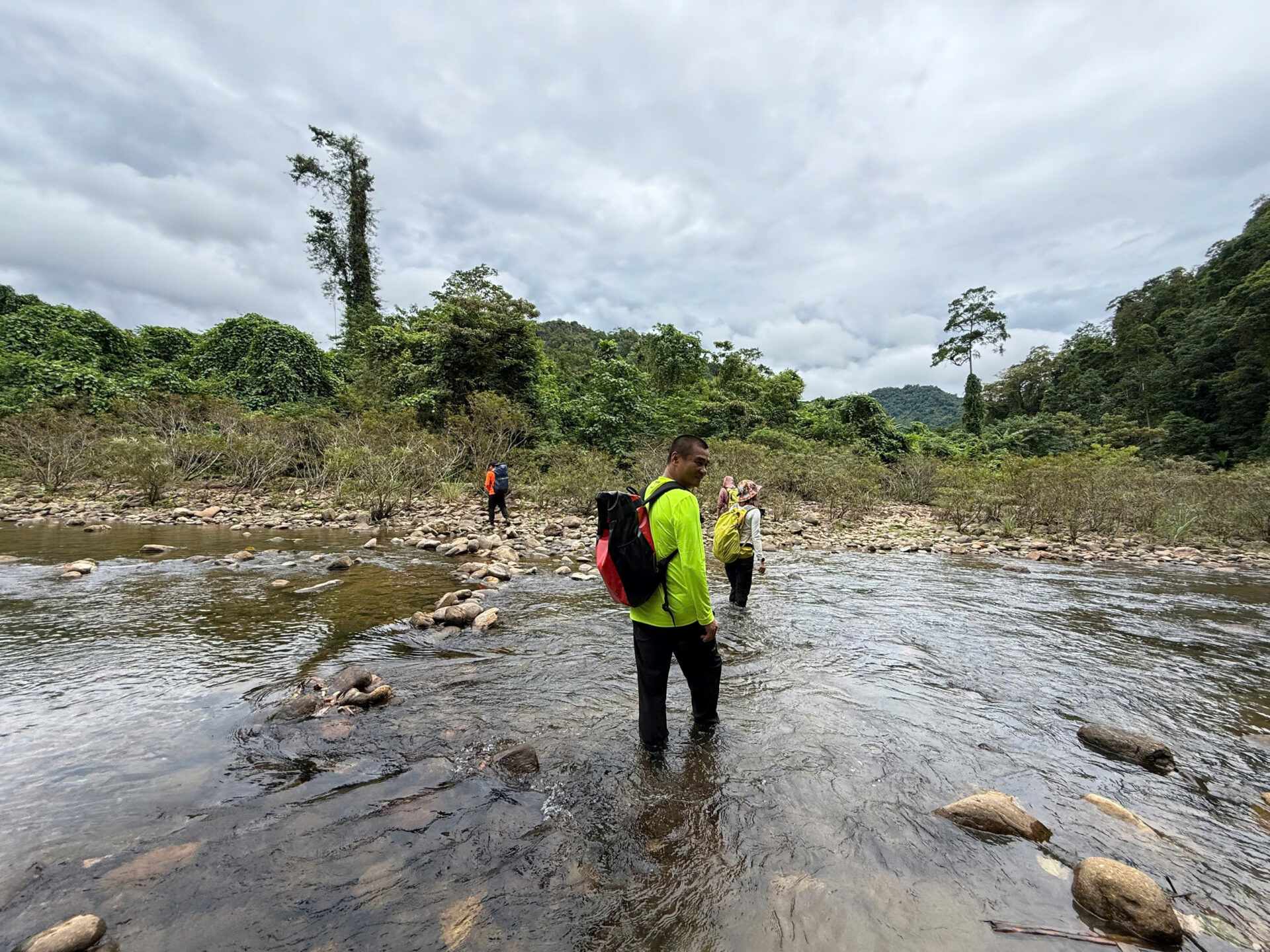
Before entering the forest, we were repeatedly reminded to carry only what we genuinely needed. On a long expedition, every unnecessary item eventually becomes weight you must pay for with your own energy.
Organizations carry invisible backpacks too.
Outdated procedures. Meetings that produce no decisions. Products that no longer serve customers. Projects nobody wants to stop. Layers of management accumulated over time. And sometimes egos that have grown larger than the organization’s purpose.
We tend to associate growth with addition: more people, more products, more markets, more revenue.
But maturity sometimes comes from subtraction.
Strategy is not only deciding what to do.
One of its hardest disciplines is deciding what we should stop doing.
If we want to travel farther, we cannot carry everything.
Trust Cannot Be Digitized
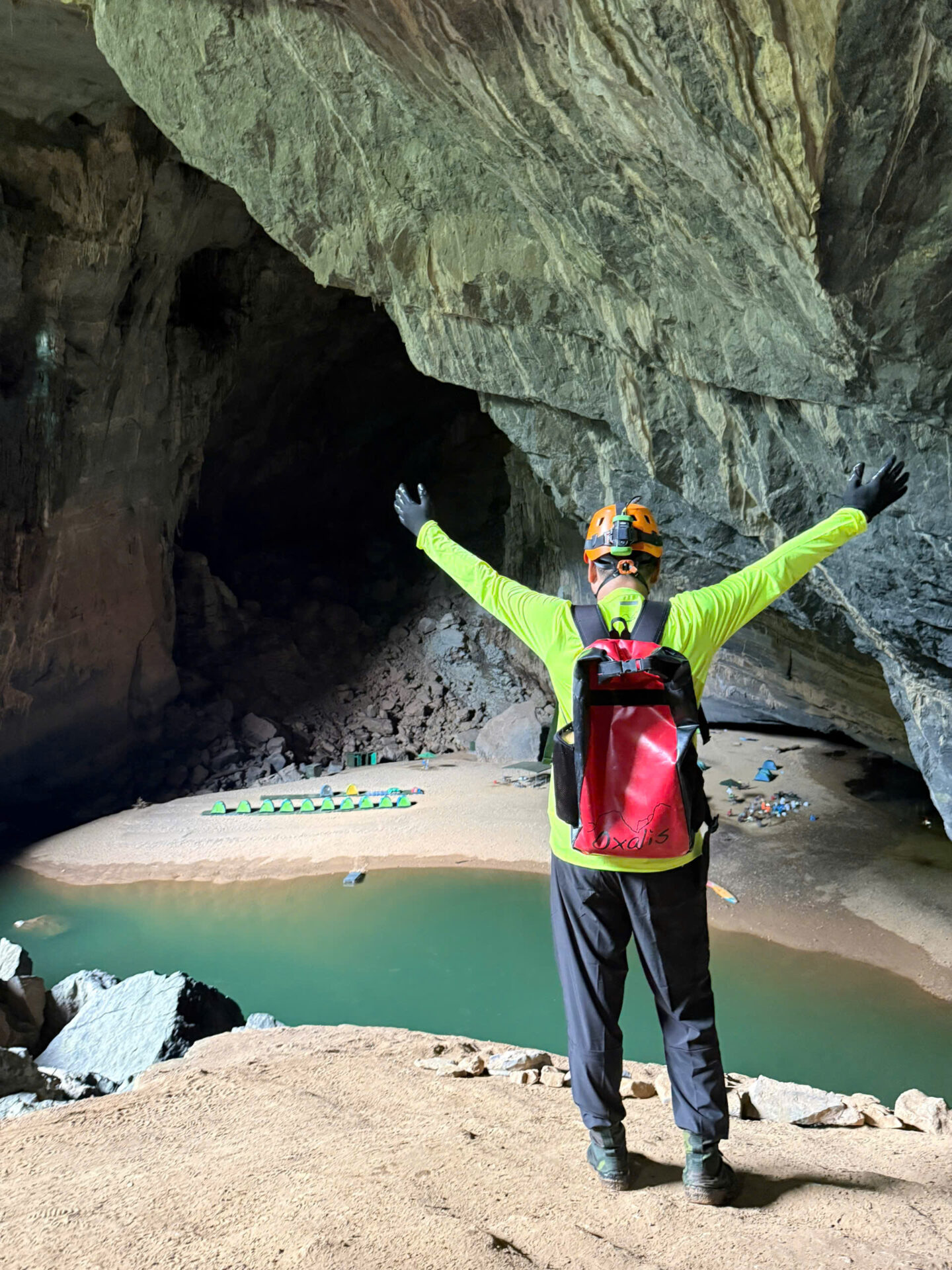
There were moments inside Son Doong when I had to trust the person checking my safety equipment, the guide showing me where to place my foot and the teammate waiting nearby.
At those moments, trust stopped being an abstract management concept.
It became the condition that allowed us to move forward.
Businesses today invest heavily in AI, CRM, ERP, analytics and increasingly sophisticated control systems. Technology undoubtedly makes organizations stronger. But no algorithm can replace trust between human beings.
When trust is absent, organizations compensate with control. More control creates more procedures; more procedures create friction and delay.
When trust is combined with accountability, people gain the confidence to act.
Technology connects systems. Trust connects people.
Delivering Happiness Can Begin with Something Very Small
After more than two decades in luxury travel, I thought I understood luxury.
Son Doong made me reconsider it.
After hours of trekking, cool drinking water can feel precious. After a demanding day underground, a warm meal shared with companions can become more memorable than an elaborate restaurant dinner. After days without constant connectivity, silence itself becomes a privilege.
Perhaps Delivering Happiness does not always mean giving people more.
Sometimes it means understanding what a person genuinely needs at a particular moment.
The luxury traveller of the future may not need another amenity. They may need more time. More privacy. More authentic nature. More meaningful human connection.
Luxury is shifting from possessing more to feeling more deeply.
That is not simply a travel trend.
It is a fundamental change in how value is created.
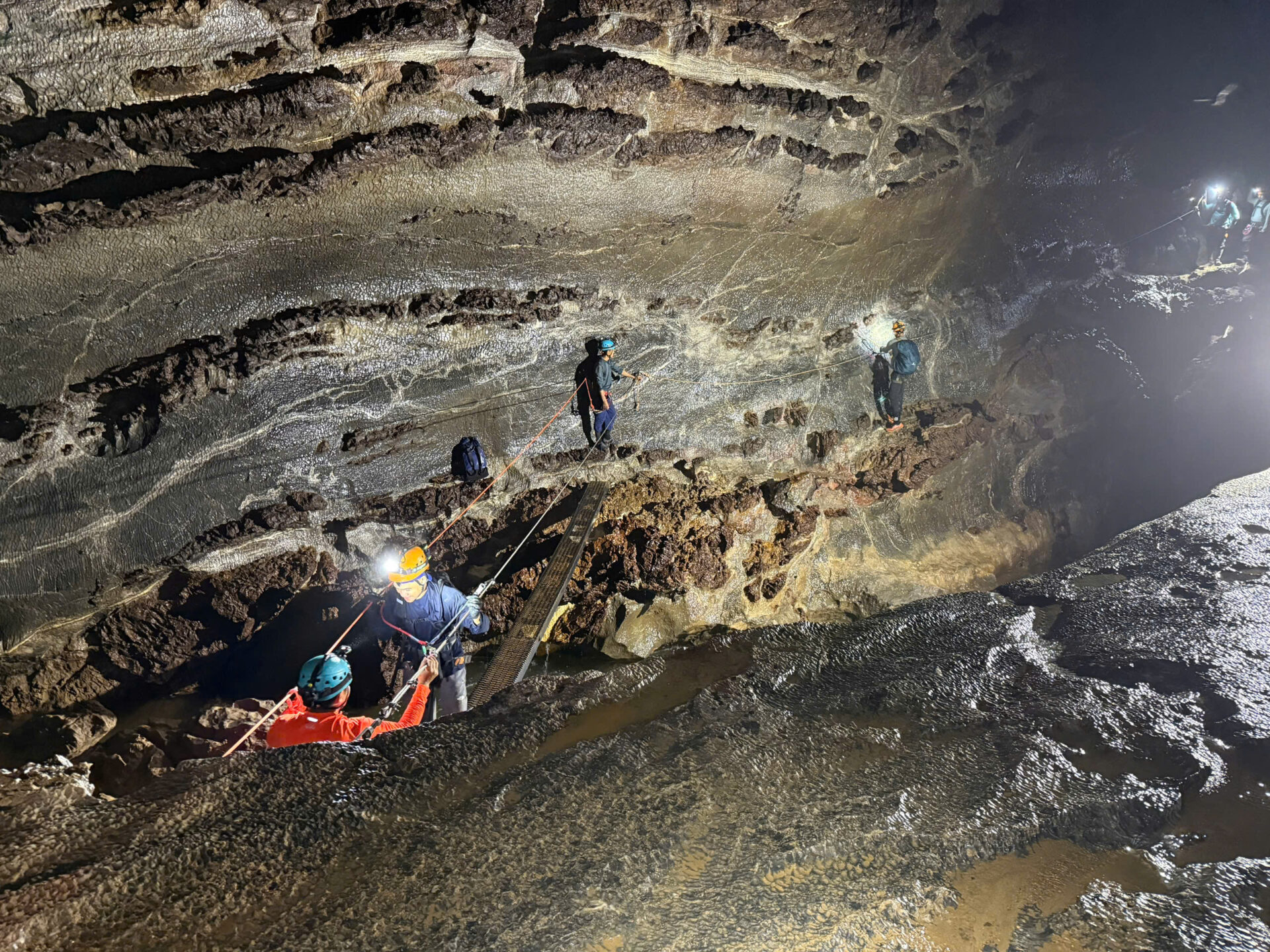
From Net Positive to Leaving a Place Better Than We Found It
What makes Son Doong remarkable is not only its scale. Its value also lies in how carefully humans choose to approach it.
A beautiful place does not necessarily need more visitors. A valuable natural resource does not automatically need maximum exploitation. Sometimes knowing when to say “enough” is itself a more sophisticated form of development.
That principle resonates strongly with how we think about Net Positive at LuxGroup.
Tourism should not ask only: How many travellers can we bring here?
We should also ask: What remains after they leave?
Did the community benefit? Was local culture respected? Was nature protected? Did the traveller return with greater understanding?
If today’s growth creates tomorrow’s environmental or cultural debt, it cannot truly be called sustainable success.
AI Can Provide Answers. Humans Must Choose the Purpose
Son Doong also made me think differently about artificial intelligence.
AI will undoubtedly transform business. It will make many tasks faster, more accurate and more efficient. But the more answers we delegate to machines, the more important distinctly human questions become.
What is worth doing?
What should never be sacrificed?
Whom are we serving?
What does success ultimately mean?
And what do we want to leave behind?
AI can calculate the fastest route toward an objective.
But it cannot assume our responsibility for deciding whether that objective is worth pursuing.
AI may help us do something right.
Human beings must still decide whether it is the right thing to do.
In the age of artificial intelligence, organizational purpose becomes more important, not less.
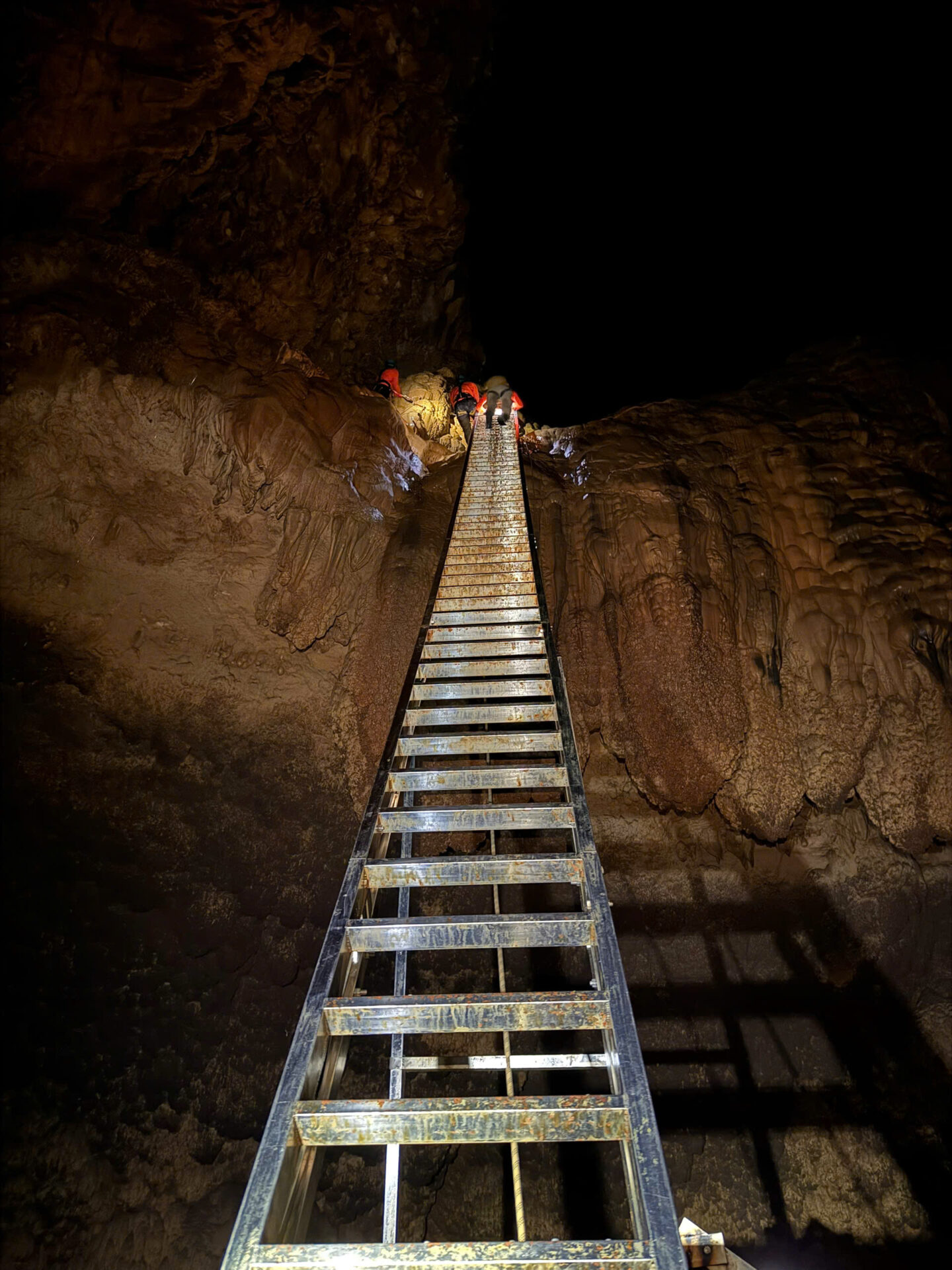
From Goals to Purpose
Revenue, profit, market share, guest numbers and productivity are necessary goals. Without them, businesses cannot survive.
But they cannot be the ultimate reason an organization exists.
Goals tell us what we want to achieve.
Purpose tells us why achieving it matters.
For LuxGroup, I want every journey to deliver more than a satisfied customer. I want travellers to understand another dimension of Vietnam, encounter people they will remember, appreciate nature more deeply and return home with something meaningful they did not possess when they arrived.
When commercial goals connect with purpose, growth stops being the destination.
Growth becomes the resource that enables us to create greater value for guests, Luxers, partners, communities and the places entrusted to us.
Travel So That You Return Different
When I emerged from Son Doong, I carried no stone from the cave, no branch from the forest and nothing that belonged to the mountain.
I brought home photographs, friendships, gratitude for the people who made the expedition possible—and a different perspective on the work I have spent more than two decades pursuing.
I returned less obsessed with moving fast and more concerned with moving in the right direction. Less interested in controlling everything and more committed to preparing well. Less inclined to place the leader at the centre and more convinced that people, shared values and purpose belong there instead.
Perhaps that is what the finest journeys are ultimately for.
Not to prove how far we have travelled.
But to reveal how differently we can return.
Son Doong remains where it has always been, deep inside the mountain, indifferent to who has passed through its chambers.
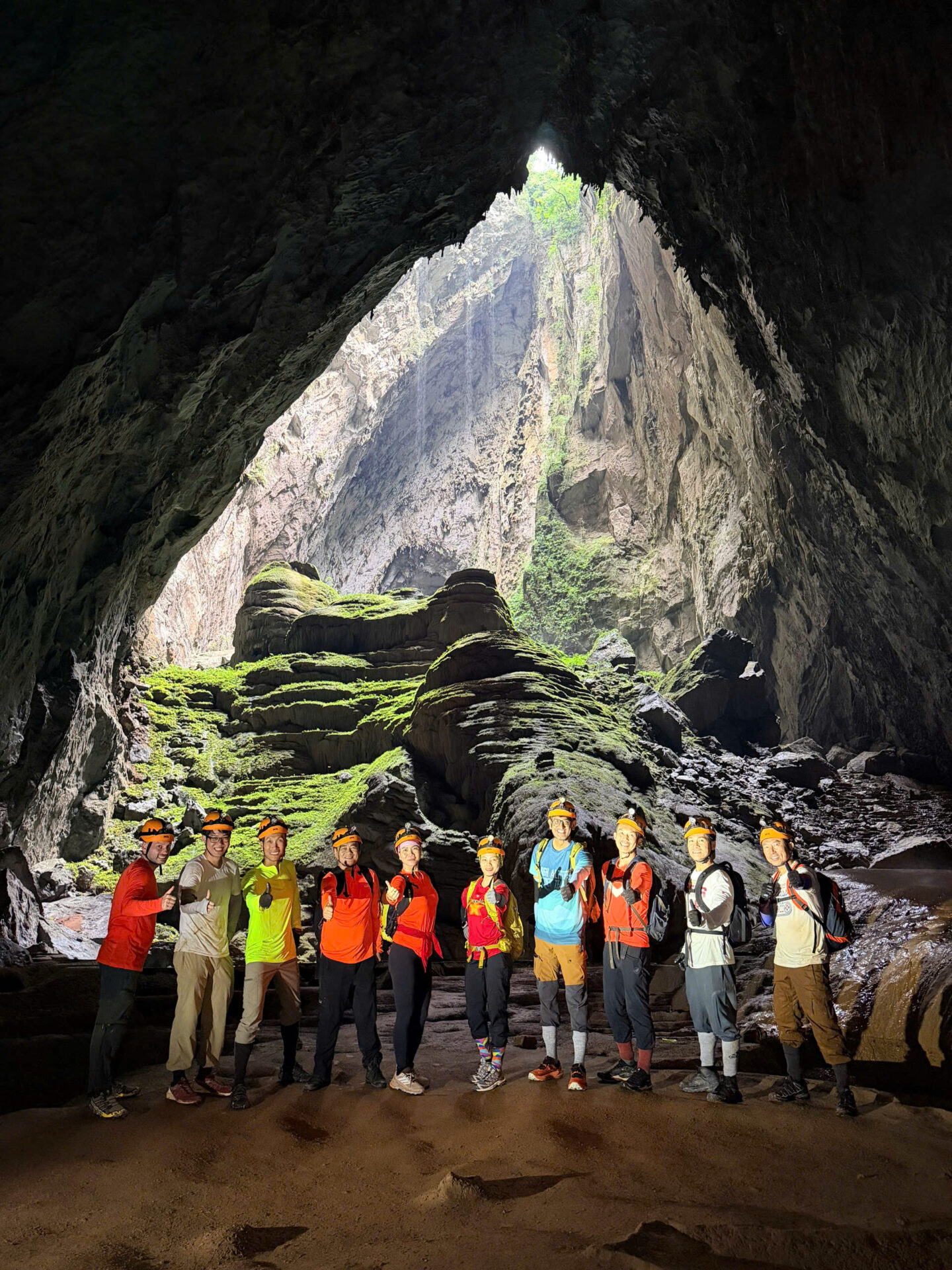
We are the ones who change.
And for me, that may be the most beautiful definition of travel:
To go farther so that we may understand more. To experience deeply so that we may live more consciously. And to return home as a better version of ourselves.