

From Son Doong to the future of luxury adventure: Why are travellers who can afford almost every comfort willing to pay, wait years, and work harder for an experience that offers almost none of them?
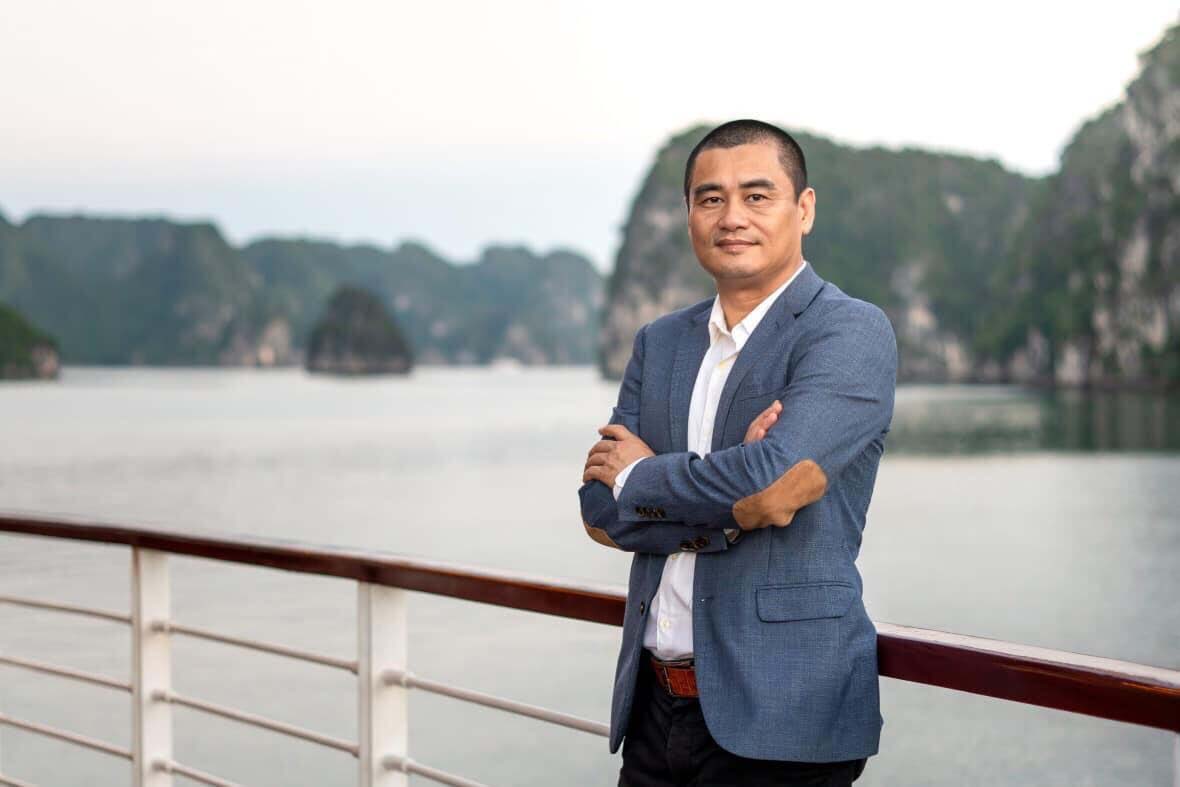
By Dr. Pham Ha – Founder & CEO, LuxGroup
For more than two decades in luxury travel, I have thought of the word “luxury” as a test of how we understand value. When material comfort is scarce, luxury tends to mean expensive, rare, extravagant or exclusive. But once people have access to comfort, the definition begins to change. Luxury can become time, silence, craftsmanship, discipline, access and experiences that cannot be mass-produced. After my expedition into Son Doong, I came to understand a fascinating paradox: those who can afford the greatest comfort may also be willing to pay the most to temporarily live without it.
An adventure worth waiting years for
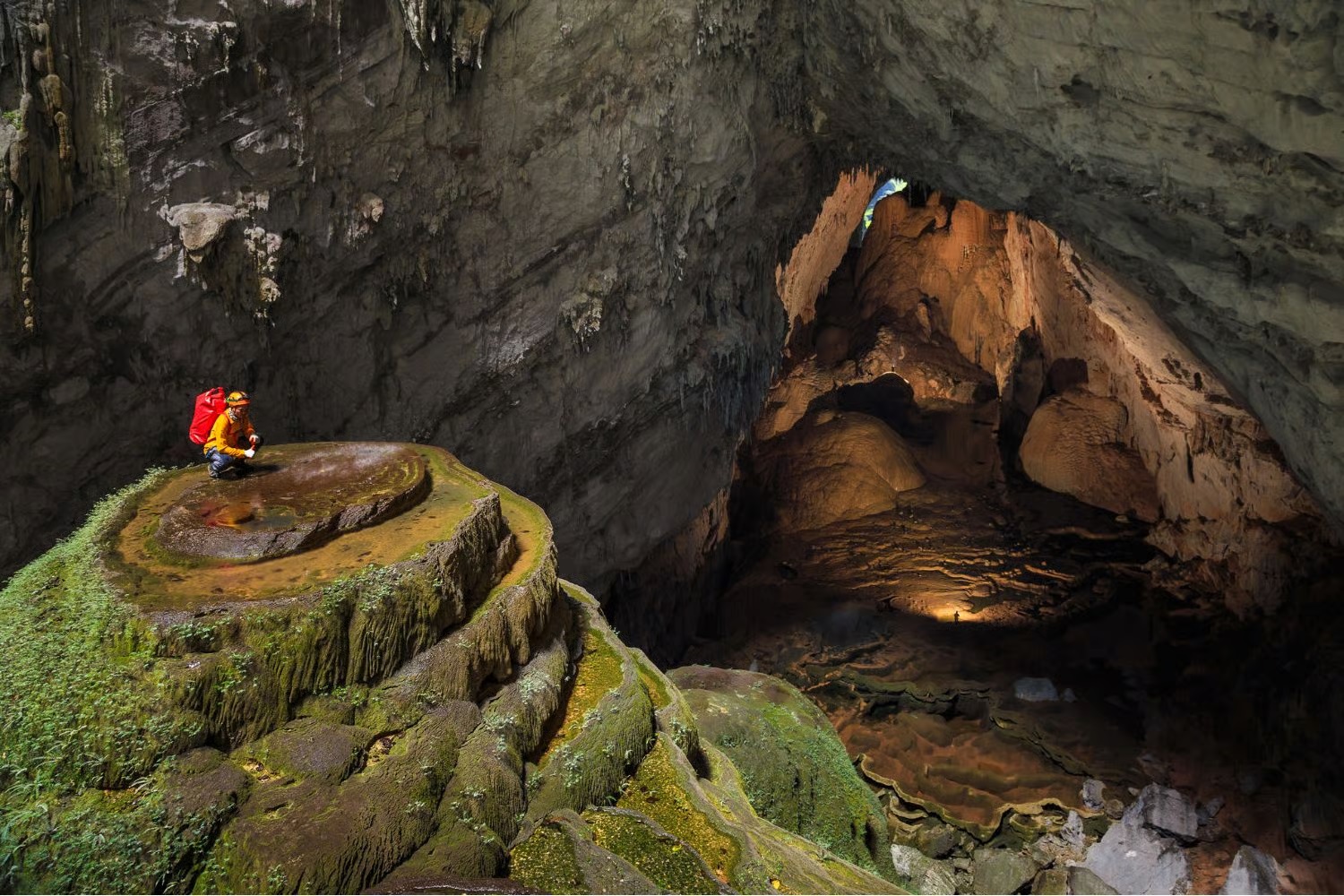
According to the latest information shared with me by the expedition operator, by August 2026 around 8,000 people had experienced Son Doong since expeditions began, while reservations were already fully booked through 2029. Each departure is limited to a maximum of 10 guests, and access is carefully controlled to protect the cave’s fragile ecosystem. Unlike a hotel that can add rooms or an airline that can increase flights, supply cannot simply expand when demand rises. At Son Doong, limitation is not a weakness in the product. It is part of the product’s value. Scarcity is not manufactured to sell more; it is maintained to preserve more.
Luxury does not always mean serving more people
Conventional business logic might ask: if demand is so strong, why not increase departures, accept more guests, create easier routes or add more conveniences? Yet doing so could destroy precisely what people travel so far to experience: authenticity, rarity and the sensation of entering a world that remains greater than human control. In many industries, scale improves efficiency and lowers costs. But when dealing with finite natural assets, excessive scale can diminish the very value customers are willing to pay for. This is one of luxury’s great paradoxes: more is not always better, easier is not necessarily more valuable, and knowing when to say “enough” can matter more than the ability to offer more.
Adventure and expedition are not the same thing
Son Doong also changed the way I think about adventure travel. Soft adventure takes travellers beyond their normal environment through activities such as hiking, cycling or kayaking, while maintaining relatively manageable levels of physical challenge and risk. Hard adventure demands greater endurance, technical ability and risk management. An expedition, however, is not simply a harder adventure. It involves a clear objective, complex logistics, specialist expertise, discipline, isolation and uncertainty. Participants enter an environment they cannot fully control. They are no longer simply customers purchasing a service; they become members of an expedition in which nature, safety and collective responsibility can take precedence over individual preference.
Being able to pay does not mean being able to participate
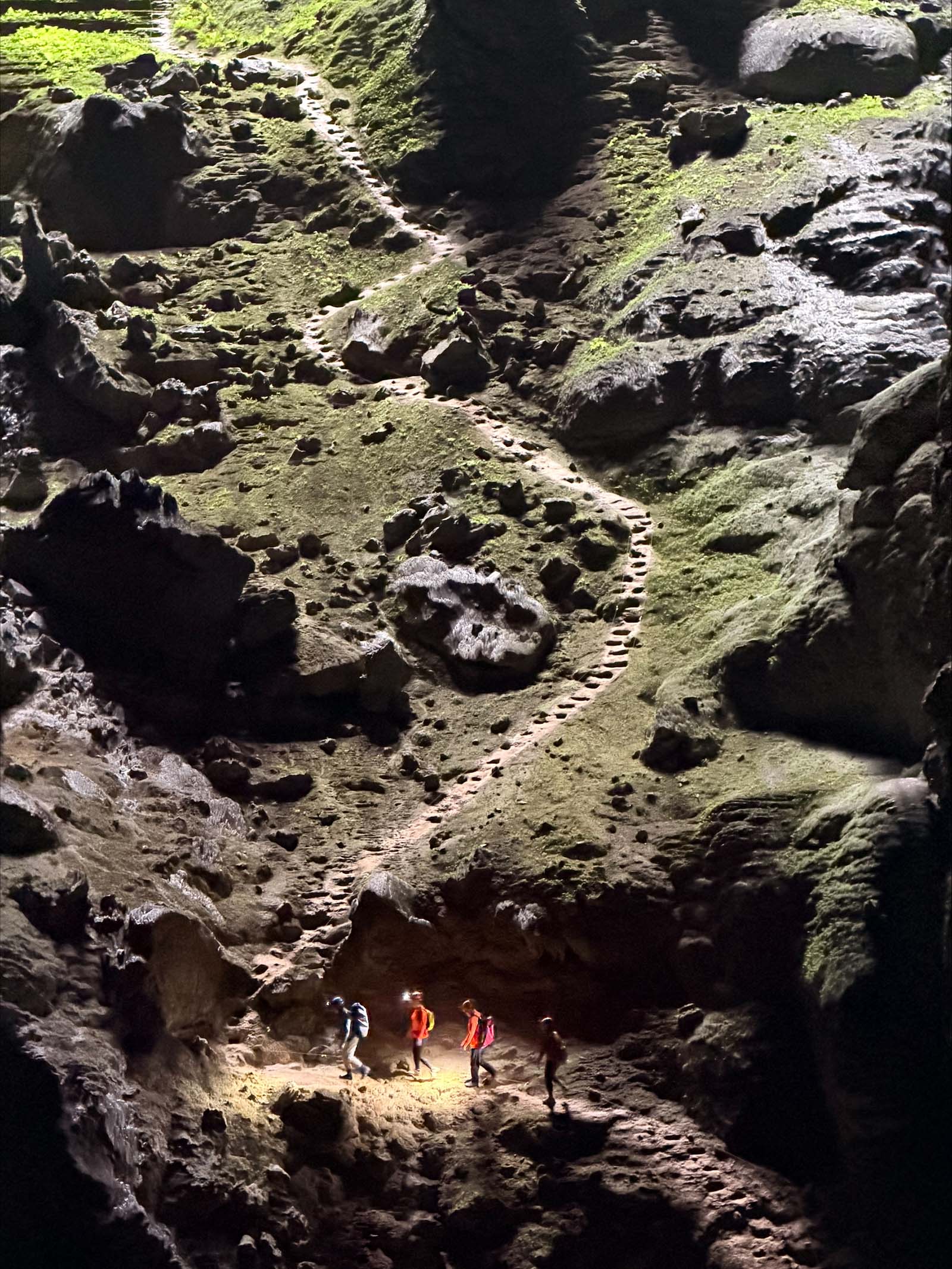
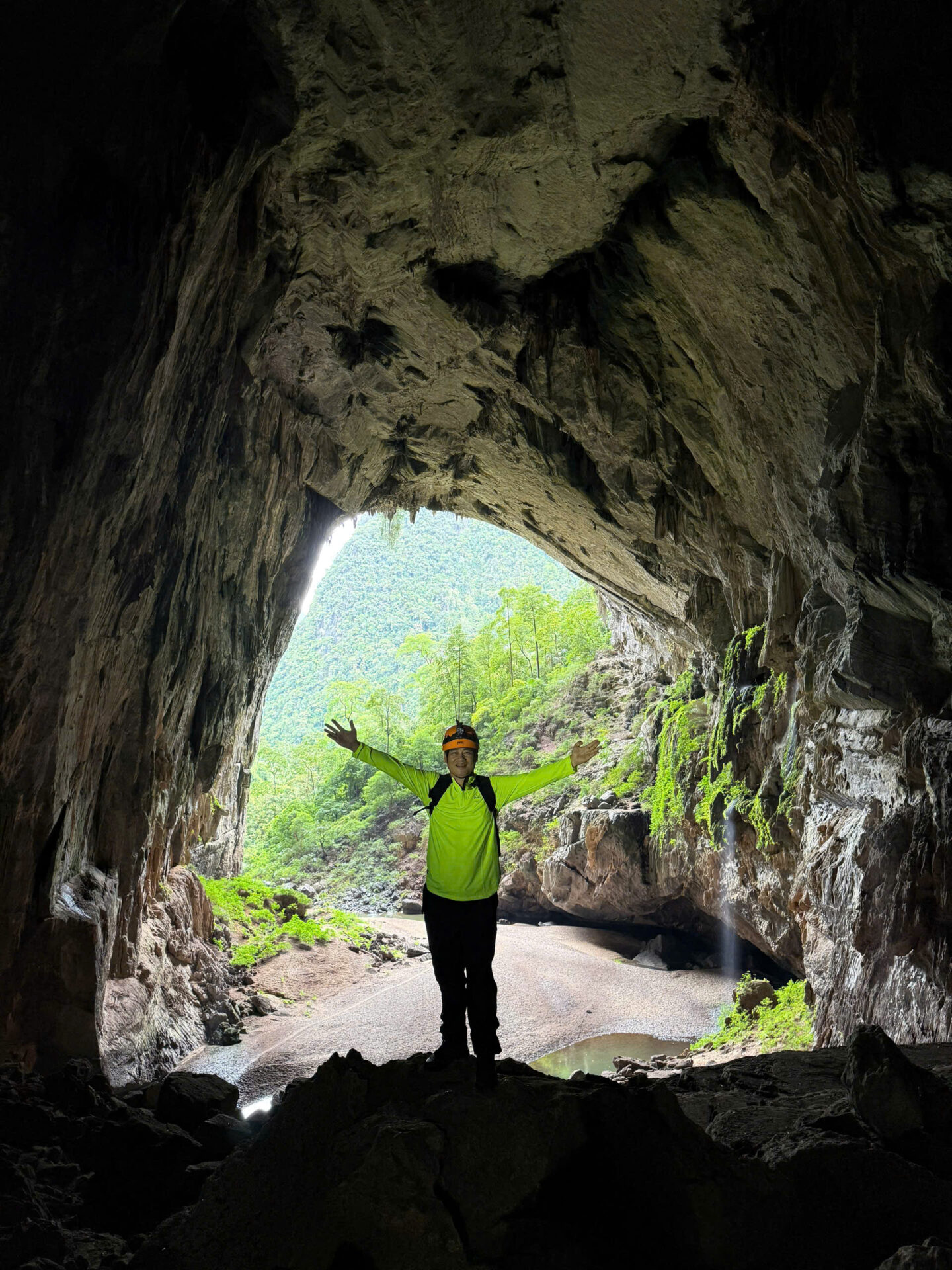
This may be the most fascinating paradox of a luxury expedition. Traditional luxury often uses money to remove inconvenience. At Son Doong, payment only provides the opportunity to participate. Explorers must still meet fitness and health requirements, prepare properly and follow strict safety procedures. The journey involves approximately 25 kilometres of mountainous jungle trekking, around 50 river and stream crossings, eight kilometres of cave exploration, three nights underground, a descent of roughly 90 metres into the cave and a final 90-metre ascent at the Great Wall of Vietnam. There is no premium fee to bypass the difficult sections, no fast track for fitness and no concierge who can climb for you. Here, luxury does not eliminate effort. Effort is part of the luxury.
From ownership to access
For much of the twentieth century, luxury was closely associated with possession: a car, watch, handbag, house or work of art. But twenty-first-century luxury is increasingly shifting from possession to access. It can mean entering somewhere very few people have visited, experiencing pristine nature without crowds or temporarily leaving the digital world behind. Son Doong gives the traveller almost nothing tangible to own. You cannot take home a stone, a fossil or anything belonging to the cave. You enter, experience it and leave almost empty-handed. Yet precisely because the experience cannot be possessed, reproduced or placed on a shelf, the memory acquires extraordinary value. Perhaps some of the most valuable things in life are valuable because they cannot belong to us.
The luxury of effort
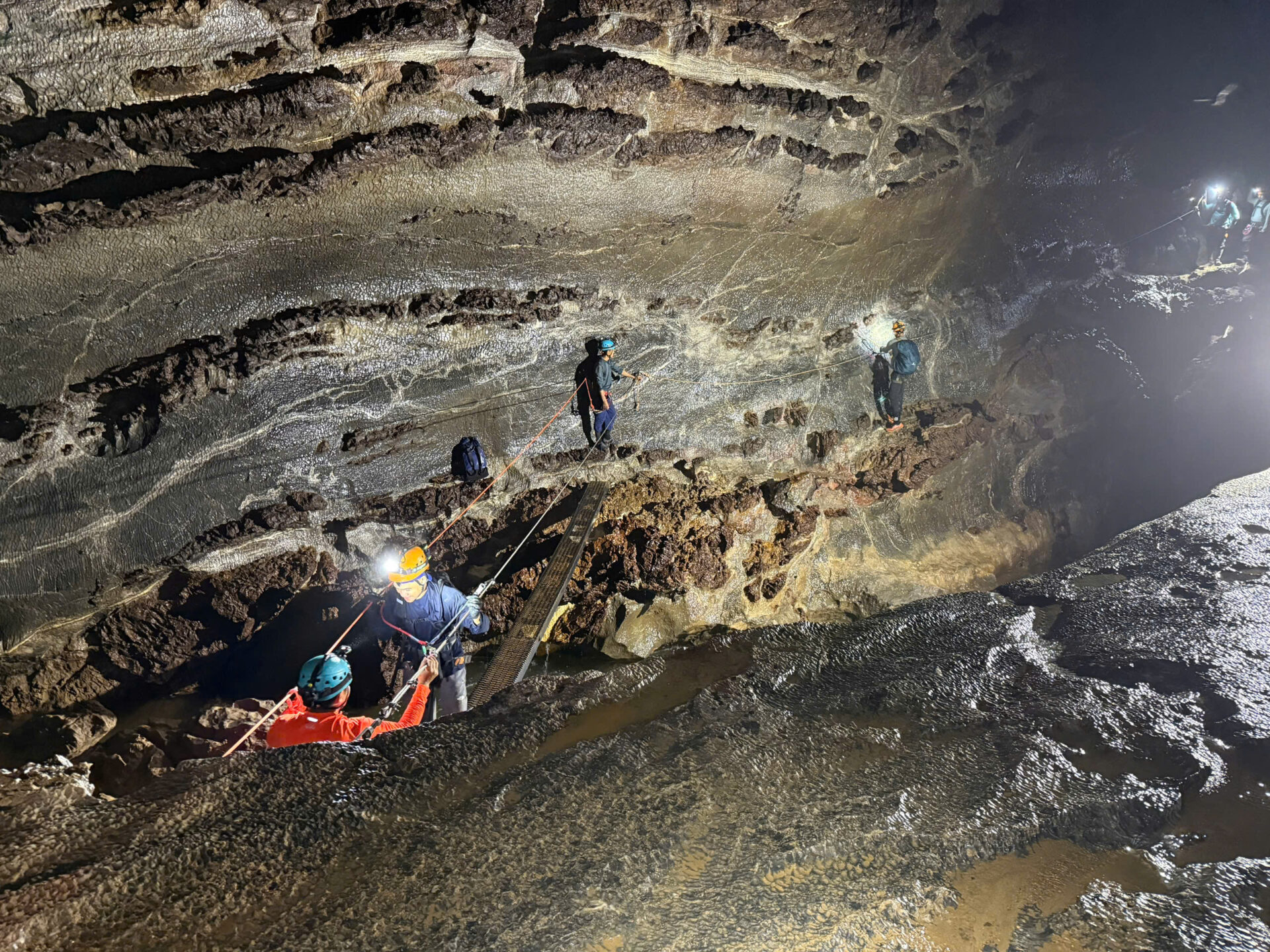
I would take the argument one step further. Luxury adventure is creating what I call the luxury of effort. In a world where almost every convenience can be summoned instantly through a screen, experiences requiring preparation, patience, physical effort and perseverance are becoming increasingly rare. I remember standing beneath the Great Wall of Vietnam: approximately 18 metres of steel ladder followed by more than 70 metres of steep limestone. Nobody could climb it for me. There was only one rung, one breath, one foothold and the thought: “I can do this.” Perhaps experienced travellers are no longer searching for lives without difficulty. Increasingly, they may be searching for difficulties worth overcoming.
The luxury of competence
A luxury expedition does not mean the absence of service. On the contrary, the service can be extraordinarily sophisticated; much of it simply remains invisible. A small group is supported by nearly 30 people, including guides, safety specialists, rangers, chefs and porters. During my expedition, guide Dat, safety specialist Dai, and team members including Phuc, Luan and Hai often recognized hazards before I did: “It’s slippery here.” “Step this way.” “Slow down.” While guests admire the cave, someone is checking ropes. When the group reaches camp, tents and dinner are ready. Luxury here is not about being pampered. It is the privilege of placing yourself in the hands of people who are exceptionally good at what they do.
The luxury of disappearing
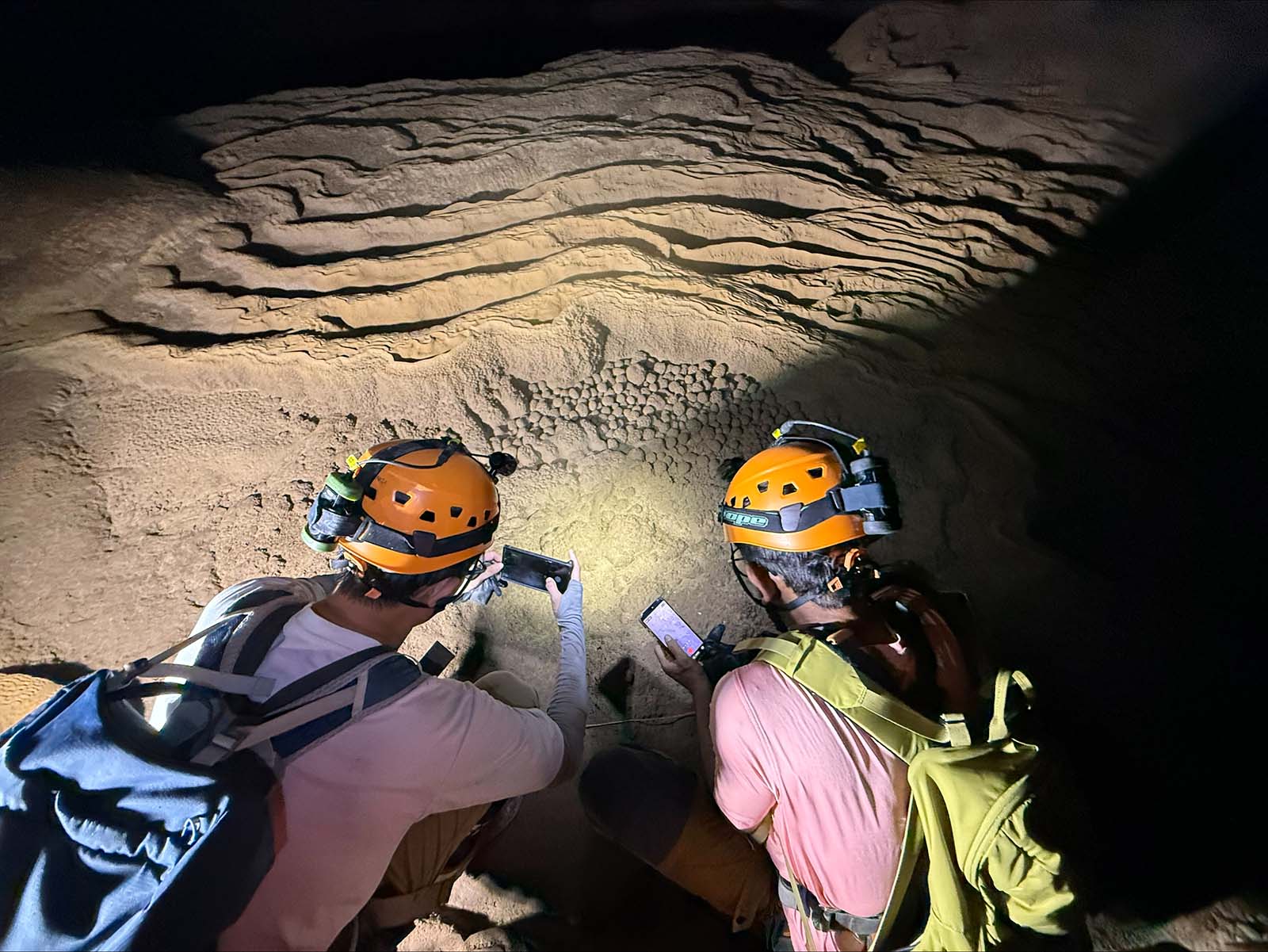
There was a time when permanent connectivity symbolized progress. Today, the ability to become temporarily unreachable may be far rarer. Inside Son Doong, the internet disappears, emails disappear, meetings disappear, and the smartphone largely becomes a camera. Without a screen demanding attention, I looked at a shaft of sunlight for longer. Without notifications, I heard the water more clearly. Without meetings, a day suddenly felt remarkably long and complete. Modern people do not suffer from a shortage of connectivity; sometimes we suffer from a shortage of presence. If luxury means access to what is increasingly scarce, then time, privacy, silence and disconnection may be among the new luxuries of our century.
When a cup of coffee becomes more valuable than a suite
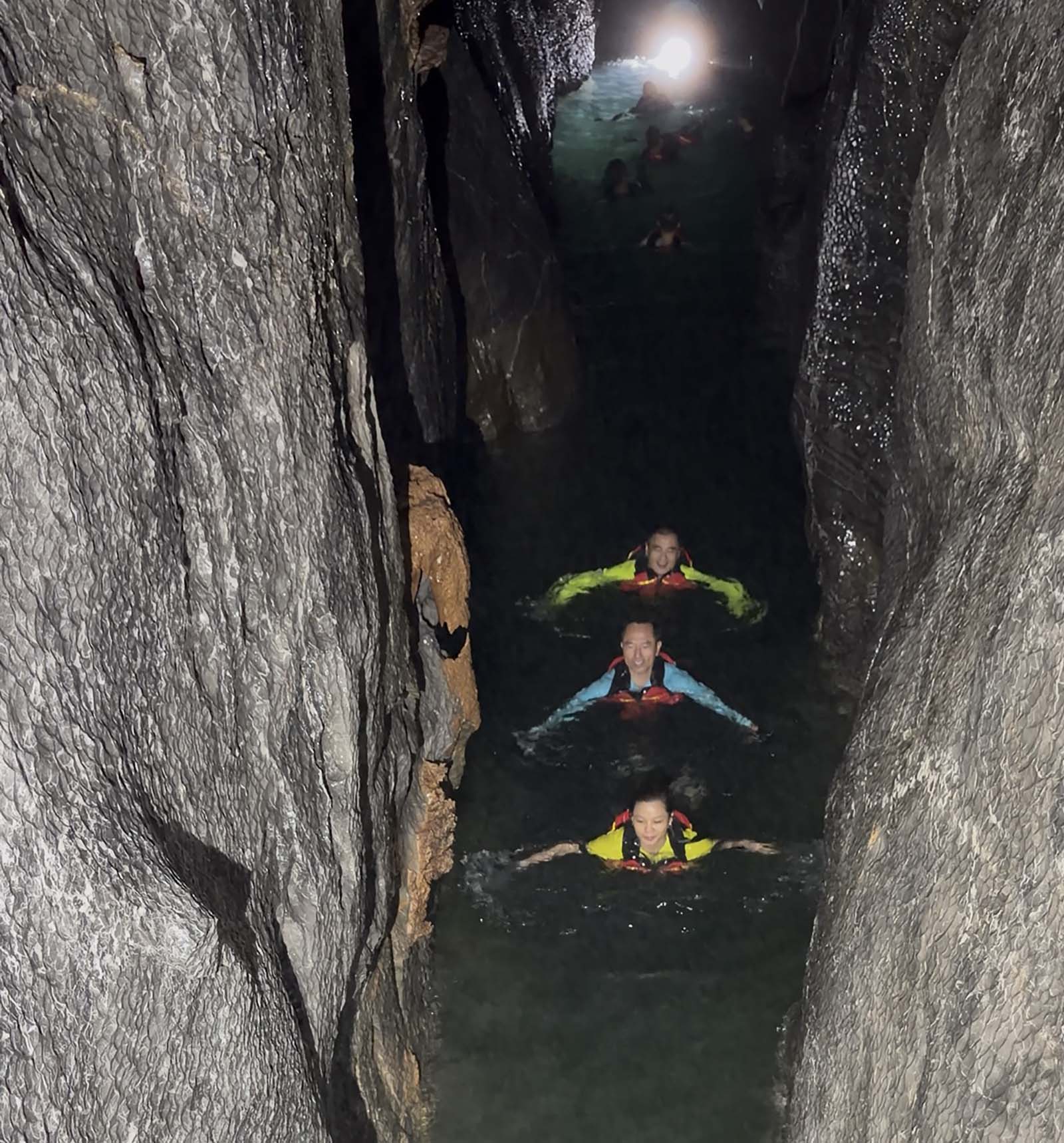
Son Doong also changed the value of ordinary things. After hours of trekking, swimming in the lake at Hang En could feel more rewarding than a beautifully designed hotel pool. After a day scrambling over rocks and crossing rivers, swimming in a cold underground stream while still wearing trekking clothes became a joyful experience. At the second doline, where convenient bathing water was no longer available, we simply had a dry wash—and laughed about it. The following morning, a cup of hot coffee inside the cave felt extraordinarily precious. The price of the coffee had not changed. The context had changed. And the person drinking it had changed. Luxury, ultimately, is not only about the object being consumed, but our capacity to experience its value.
The highest luxury is transformation
Rarity alone does not explain Son Doong’s appeal. The deeper value lies in what happens to the traveller. We enter thinking about “conquest” and emerge with humility. We enter as individuals and leave grateful to the team that made the journey possible. We assume strength resides in our legs, then discover that strength also means trusting another person, accepting a hand when needed and continuing when tired. A conventional luxury object may invite the question: “What do I own?” A transformational experience asks something more demanding: “Who have I become because of this?” That distinction may increasingly separate expensive travel from truly meaningful luxury.
Scarcity only matters when accompanied by responsibility
This is also where luxury meets sustainability. There is artificial scarcity designed to increase price, and there are necessary limits designed to protect something irreplaceable. Son Doong belongs to the latter. A natural wonder retains its value only if future visitors can encounter a world substantially as intact as the one experienced by those before them. Access must therefore come with stewardship. We do not own the cave; we are permitted to enter it for a very short time. Luxury then becomes not the right to consume more, but the privilege of access combined with the responsibility to leave something untouched. Restraint is no longer a limitation of the experience. It becomes part of its integrity.
From more visitors to more value
Son Doong therefore suggests another way to think about the future of Vietnamese tourism. Visitor numbers matter, particularly where tourism creates livelihoods and economic opportunity. But for destinations with limited carrying capacity, we also need another measure: how much value does each visitor create, and what remains after that visitor leaves? Some destinations need more travellers. Others need the courage to say “enough.” Fewer visitors who stay longer, spend more locally, engage more deeply with culture and create less environmental pressure may sometimes generate greater long-term value than ever-increasing volume. High-value tourism should not simply mean charging higher prices. It should mean producing greater economic, cultural, social and environmental value from every journey.
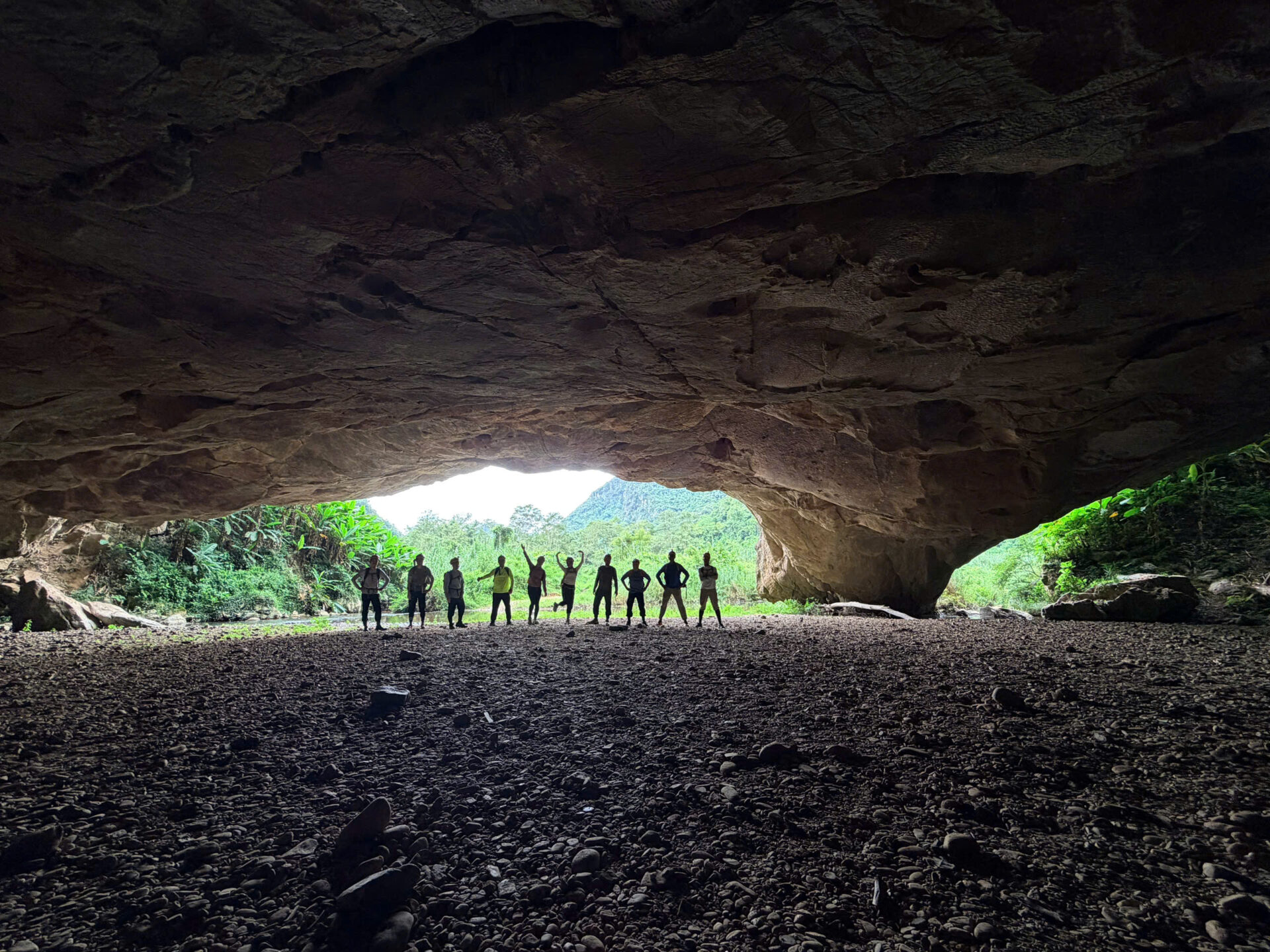
The future of luxury may lie in knowing what is enough
After more than twenty years in luxury travel, Son Doong has expanded my definition of luxury. Luxury is rarity, but not artificial scarcity. Luxury is access, but not ownership. Luxury is service, although the finest service may be almost invisible. Luxury is time and silence. Luxury is being challenged by something worth the effort. Luxury is entering an extraordinary place while accepting responsibility for leaving it intact. And perhaps the highest luxury is transformation: returning home differently from the way we departed.
That may help explain why, according to information shared by the operator, around 8,000 people had experienced Son Doong by August 2026 while reservations were already full through 2029. These travellers are unlikely to lack access to a more comfortable holiday. What they may be seeking is something increasingly difficult to buy: an experience rare enough to wait for, demanding enough to prepare for, authentic enough to resist replication, and profound enough to change the person experiencing it.
That is perhaps the most beautiful paradox of luxury adventure.
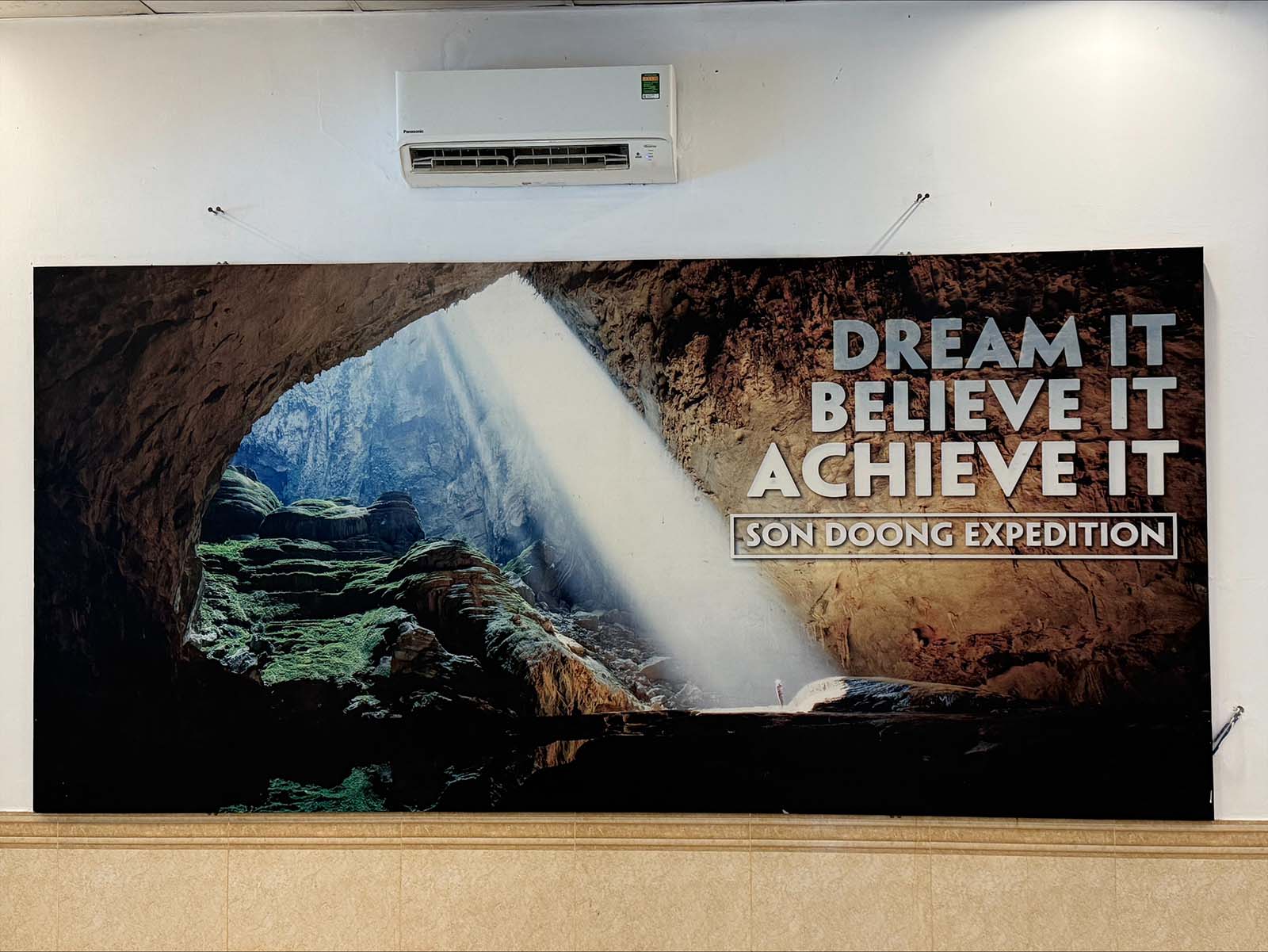
Luxury is no longer paying more to do less.
Luxury is earning access to something rare, making an effort worthy of the experience, leaving without diminishing the place you were privileged to enter—and returning with something money alone could never buy.