


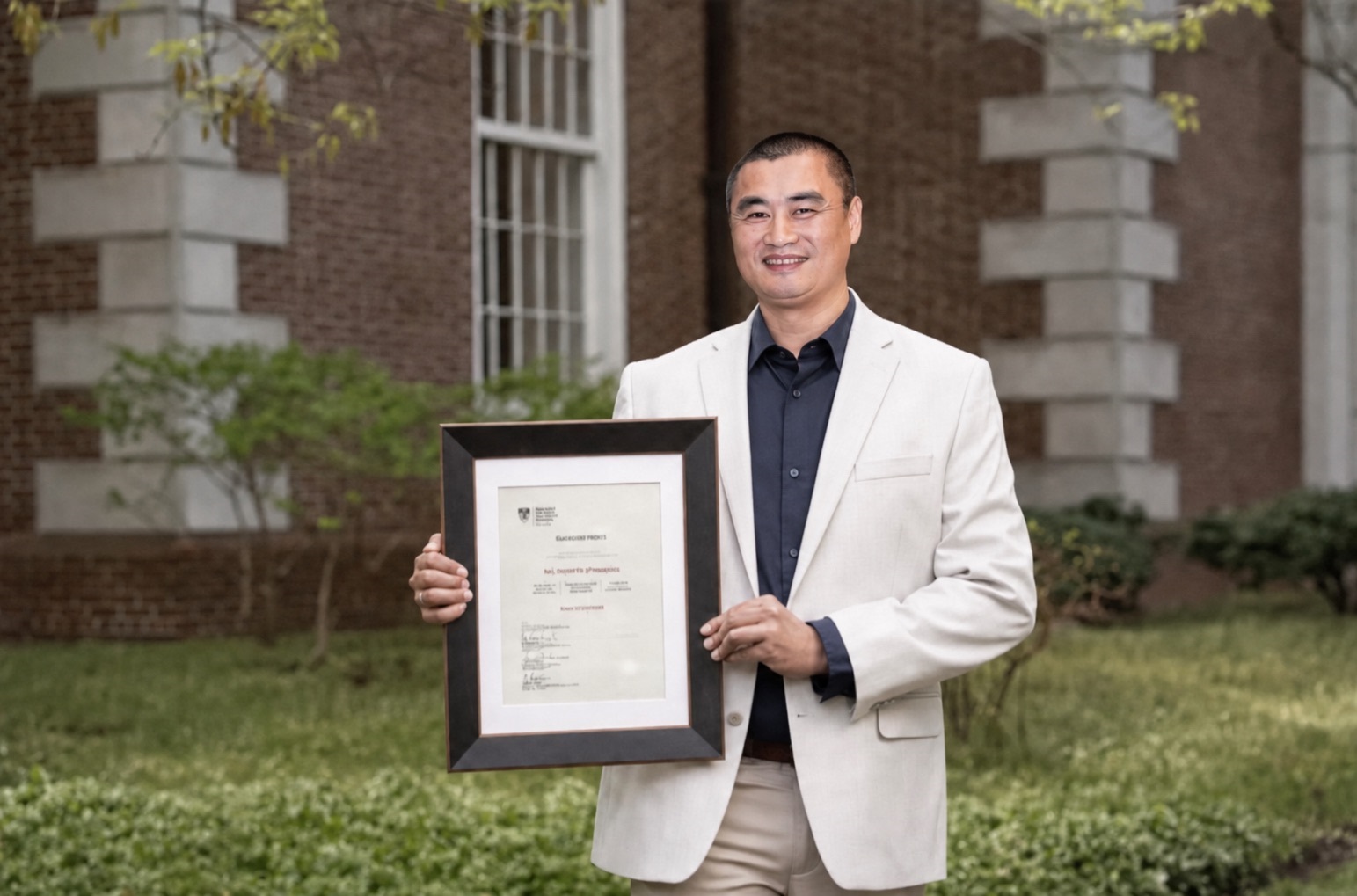
How Dr. Phạm Hà can turn a distinctive personal leadership philosophy into an enduring organizational capability
Entrepreneurs often build companies by seeing a future that others cannot yet imagine. They articulate the vision, attract believers, overcome resistance, and personally intervene whenever execution falls short. This form of founder-led leadership can be extraordinarily powerful. It can also become a constraint when the organization begins to outgrow the founder’s individual capacity.
LuxGroup® illustrates both sides of this leadership challenge.
What began in 2005 as Luxury Travel has evolved into a diversified ecosystem spanning destination management, cruises, hospitality, gastronomy, transportation, art, and cultural experiences. Its brands include Lux Travel DMC Asia®, Emperor Cruises®, Heritage Cruises®, Amiral Cruises®, Lux Arts Collection®, and the Phạm Lực Museum®. The group now serves more than 50,000 guests annually and employs approximately 300 people.
This growth has been guided by a clear philosophy: “Luxury is Culture®.” At LuxGroup®, luxury is not defined primarily by expensive hardware, but by cultural depth, emotional connection, personal service, and time generously given. Other principles—“Delivering Happiness®,” “People First®,” and “Not the biggest, but the best”—reinforce a business model built around purpose as much as performance.
But as LuxGroup® moves toward its Vision 2045, the central leadership question is changing. The challenge is no longer simply whether the founder can create and communicate a compelling vision. It is whether that vision can become an institutional capability that works consistently without requiring the founder’s presence in every important decision.
Leadership and management are different—but inseparable
Harvard Business School distinguishes leadership from management in a useful way. Leadership is primarily concerned with vision, alignment, influence, and change. Management focuses on planning, organization, execution, measurement, and consistency.
Leaders determine what the organization should pursue. Managers ensure that it is delivered.
Founder-led businesses frequently excel at the first and underinvest in the second. Their founders are close to customers, products, employees, and emerging opportunities. They make intuitive connections quickly and move without waiting for perfect information. Yet the same speed and personal involvement that created early success can later generate ambiguity. Employees may wait for the founder’s decision, managers may avoid taking ownership, and different business units may interpret the founder’s vision differently.
LuxGroup® therefore does not need to choose between entrepreneurial leadership and professional management. It needs both.
Dr. Phạm Hà must remain the custodian of purpose, culture, brand, and long-term direction. At the same time, LuxGroup® must develop a management architecture capable of converting those aspirations into accountable and repeatable performance.
The strengths of an aspirational founder
Effective leadership is experienced through more than formal authority. It is revealed through the imprint a leader leaves on other people.
Dr. Phạm Hà’s strongest leadership imprint is aspiration. His vision extends beyond building a profitable tourism group. It includes presenting Vietnamese culture with confidence, building a national fleet under Vietnam Waterways®, developing more sustainable tourism models, and creating a legacy that can endure beyond one career or generation.
This aspiration provides employees with a reason to see their work as more than a transaction. A cruise is not merely transportation or accommodation; it is a vehicle for telling the stories of Vietnam’s rivers, heritage, art, cuisine, and people. Hospitality is not simply service delivery; it is the practice of making each guest feel present, recognized, and unrushed.
His leadership also demonstrates approachability and credibility. The People First® philosophy, emphasis on happiness, and personal involvement with guests and employees create emotional proximity. Credibility comes from more than two decades of building tourism businesses, navigating crises, launching brands, and turning cultural ideas into commercial products.
Together, aspiration, approachability, and credibility form a powerful leadership platform. However, every leadership strength creates a corresponding organizational risk.
A founder who generates many ideas can unintentionally overwhelm the organization. A leader who is always available can become the default escalation point. A CEO with strong judgment can discourage others from developing their own. A culture built around personal trust can struggle when scale requires formal accountability.
The objective is not to diminish founder-led leadership. It is to multiply it.
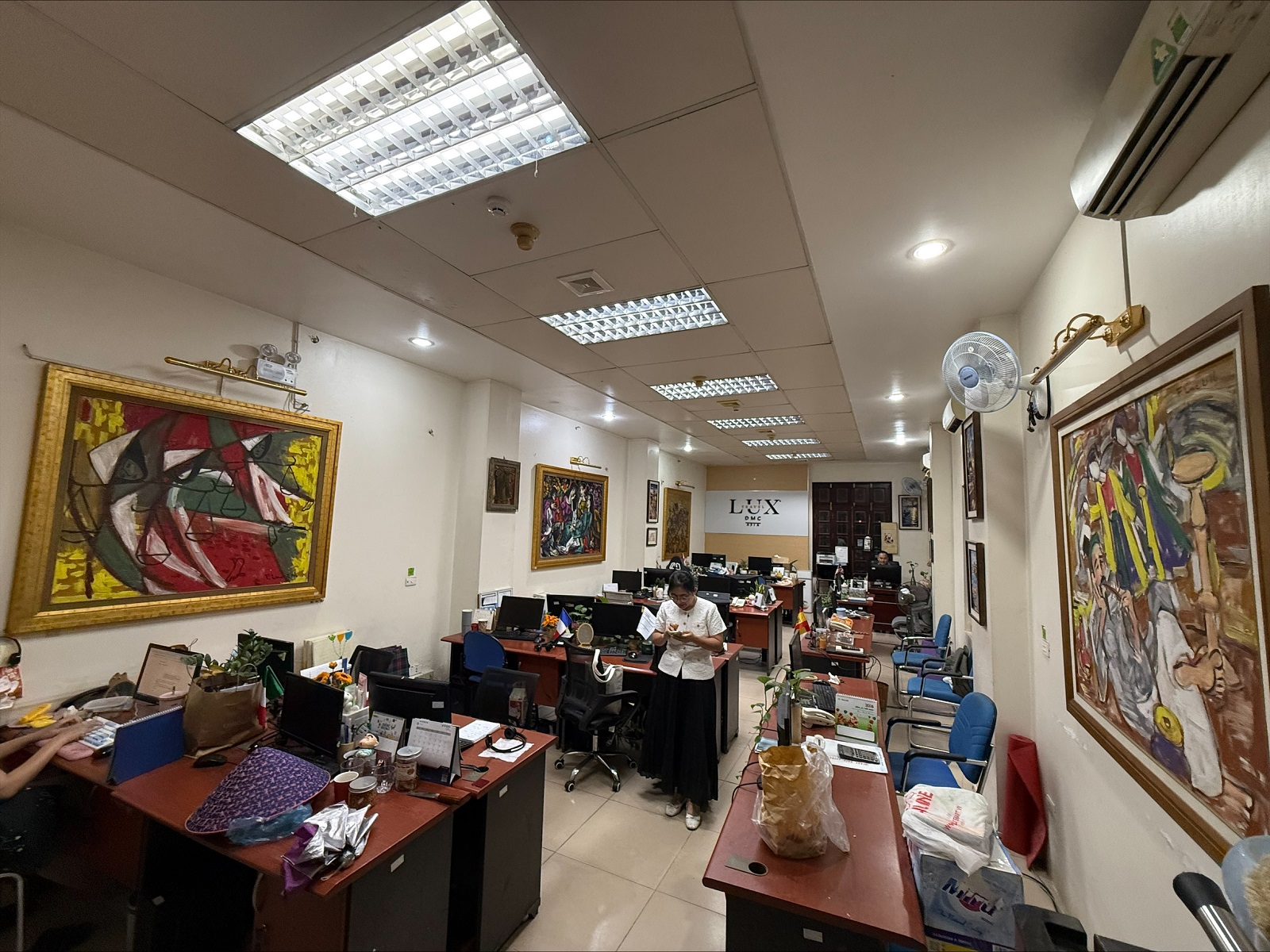
From personal philosophy to operating system
LuxGroup®’s next stage requires its philosophy to be translated into observable behaviours, decision rights, and management routines.
“Delivering Happiness®,” for example, should not remain only an inspirational statement. It should define what employees do when welcoming a guest, resolving a complaint, designing an itinerary, managing a supplier, or leading a team. “Luxury is Culture®” should guide product development, recruitment, storytelling, investment, and quality control. “People First®” should influence leadership evaluation, professional development, recognition, and succession.
This translation can be accomplished through five institutional practices.
First, clarify decision rights. LuxGroup® should explicitly identify which decisions remain with the founder, which belong to business-unit leaders, and which should be made closest to the customer. Delegation without clarity creates confusion; delegation with defined authority builds ownership.
Second, connect purpose with performance. Each business unit needs a concise scorecard covering financial results, customer experience, people development, sustainability, and brand standards. Monthly profit-and-loss discipline does not weaken a purpose-led culture. It gives that purpose the economic strength to endure.
Third, develop leaders rather than followers. Senior managers should not be rewarded only for executing the founder’s instructions. They should be evaluated on their ability to exercise judgment, challenge assumptions respectfully, develop successors, and translate group strategy into business-unit results.
Fourth, institutionalize constructive debate. Founder-led companies can become vulnerable to agreement bias, particularly when employees associate loyalty with avoiding disagreement. Important decisions should include an explicit devil’s-advocate role or dialectical inquiry, in which competing proposals are prepared and debated. The founder should speak last when possible, allowing independent perspectives to surface first.
Fifth, build succession before it becomes urgent. Succession is not the selection of one future CEO. It is the continuing development of leaders at every level who can preserve LuxGroup®’s values while adapting them to new circumstances.
Emotional intelligence as a scaling capability
As organizations grow, leadership becomes less direct. The founder increasingly influences people through other leaders rather than through personal contact. Emotional intelligence therefore becomes an organizational capability, not merely a personal virtue.
For Dr. Phạm Hà and LuxGroup®’s senior team, this begins with self-awareness. A structured 360-degree assessment can reveal the gap between how leaders intend to be experienced and how colleagues actually experience them. It can uncover whether high standards are perceived as inspiration or pressure, whether close involvement feels supportive or controlling, and whether fast decisions create clarity or dependence.
Feedback should also become more observational and continuous. Leaders should discuss specific behaviour and its impact rather than make judgments about personality. Recognition should be timely, while corrective feedback should include a practical path forward.
The goal is to build a culture in which candour and care reinforce each other. Employees should feel respected enough to speak honestly and accountable enough to act decisively.
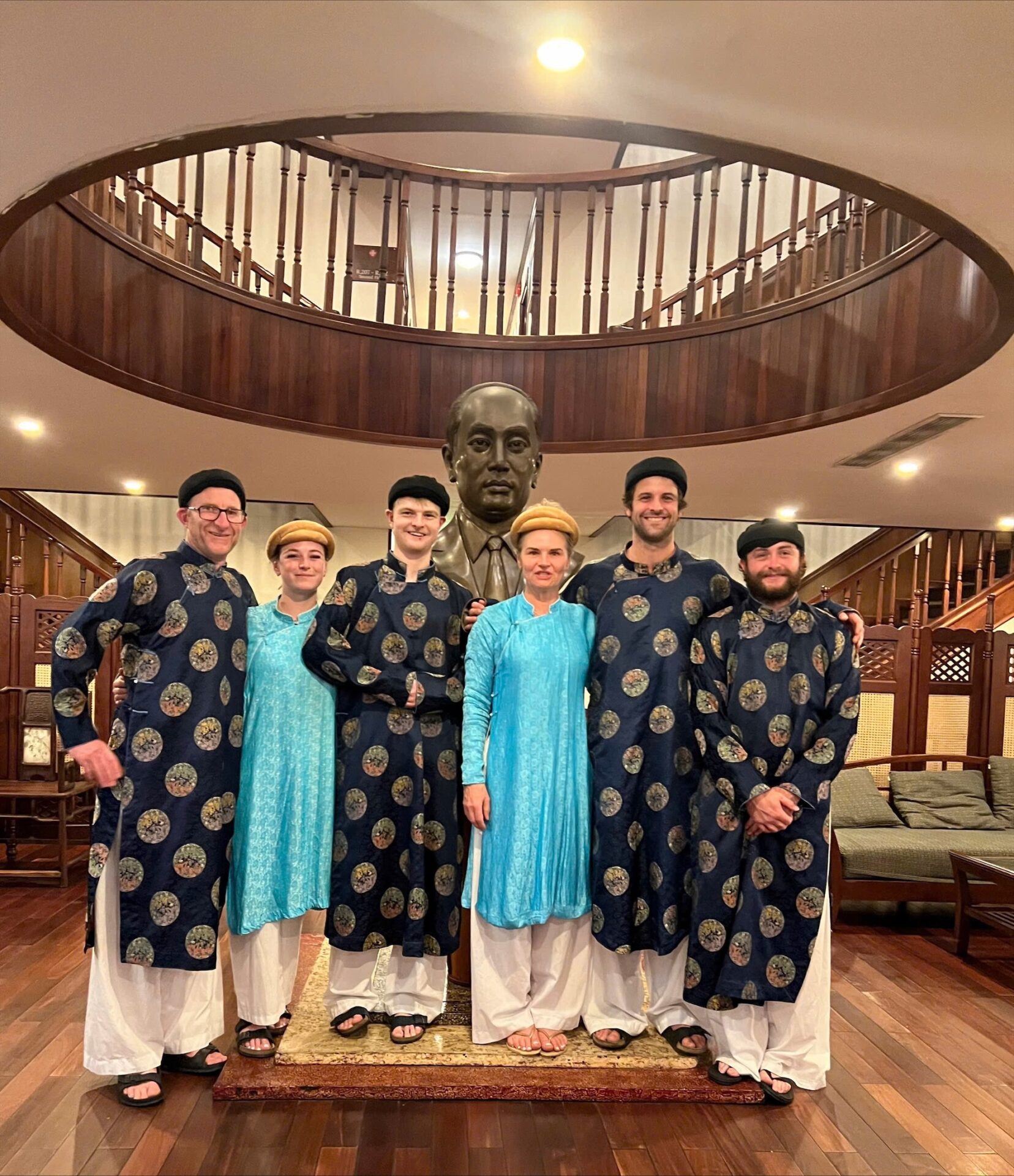
A practical leadership agenda
LuxGroup® can begin this transition without adding unnecessary bureaucracy.
Each senior executive should adopt one leadership goal using the PACE framework: Pick a priority, Apprise trusted colleagues, Collect ideas for improvement, and Elicit regular feedback. The goal should be behavioural and measurable—for example, delegating a defined category of decisions, developing a successor, or improving the quality of strategic debate.
A quarterly LuxGroup® Leadership Council should review five subjects: people, performance, culture, succession, and strategic change. Its purpose should not be operational reporting alone, but leadership development across the group.
Finally, the CEO’s role should gradually shift from principal problem-solver to architect of organizational capability. Dr. Phạm Hà should increasingly ask: Who else can make this decision? What principle should guide them? What system would prevent this problem from recurring? Which leader will become stronger by taking responsibility?
The founder’s ultimate legacy
The first chapter of LuxGroup® was built through entrepreneurial vision. The next must be built through distributed leadership.
The true test of founder leadership is not how indispensable the founder becomes. It is whether the founder creates an organization that can preserve its soul, make sound decisions, and continue creating value across generations.
For LuxGroup®, institutionalization should not mean replacing entrepreneurial energy with corporate bureaucracy. It should mean giving that energy structure, discipline, and reach.
Dr. Phạm Hà’s most enduring achievement may therefore be larger than the brands, cruises, hotels, or cultural experiences he has created. It may be the transformation of a deeply personal philosophy—Luxury is Culture®—into a leadership system that enables hundreds, and eventually thousands, of people to carry that philosophy forward.
That is how founder-led vision becomes institutional leadership. And that is how a company’s purpose becomes a legacy.