

How LuxGroup® can turn distinctive Vietnamese hospitality into a lasting competitive advantage through focused choices, connected businesses and disciplined growth.
By Dr. Phạm Hà, Founding President & CEO, LuxGroup®
A hospitality company can buy a beautiful vessel, commission elegant interiors and install the latest technology. These investments matter. Yet competitors can purchase similar equipment, recruit comparable designers and offer familiar amenities. The harder question is what makes a guest choose one business, remember the experience and return.
For LuxGroup®, that question sits at the intersection of culture and strategy. Our belief, “Luxury is Culture®,” expresses a conviction about what makes travel meaningful. Its strategic value depends on how consistently it shapes the experiences we create, the people we develop and the investments we approve.
The challenge is to translate that belief into a system of choices that creates value for guests, employees, partners and the enterprise.
LuxGroup’s ambition to become “A House of Small Giants” offers a direction. Specialist businesses can preserve their character and entrepreneurial energy while benefiting from common capabilities. Making this model work requires clarity about where each business competes, how the businesses strengthen one another and what the group should decline.
Start with the guest’s reason to choose
Strategy begins with understanding what a particular customer values. In hospitality, businesses often describe themselves with similar words: authentic, exclusive, personalised and sustainable. Such language becomes useful only when guests can recognise the difference in an actual experience.
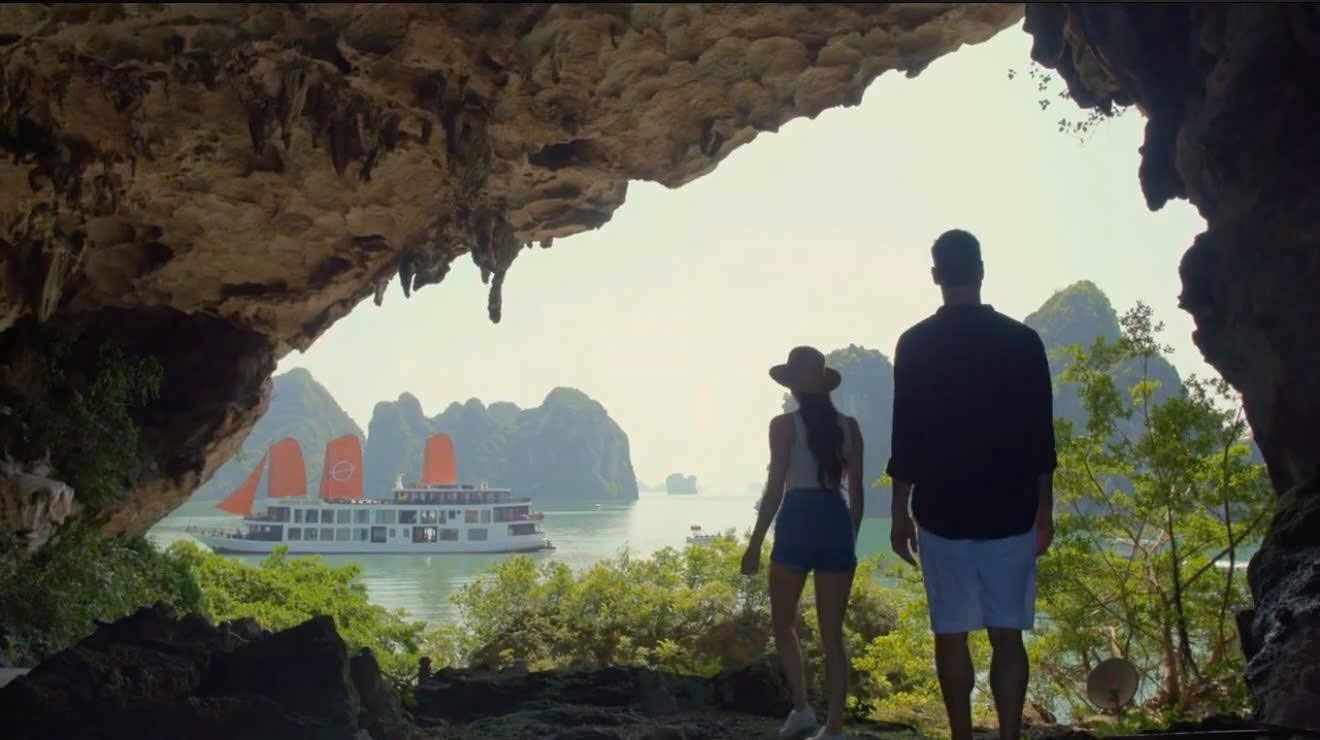
For LuxGroup, cultural depth and personal attention are promising sources of distinction. A cruise can introduce guests to Vietnamese art, regional cuisine, maritime history and local ways of life. A private journey can connect places through a thoughtful narrative. A restaurant can help visitors understand a region through its ingredients and traditions.
However, adding cultural content does not automatically increase value. A guest may prefer a quiet afternoon to another scheduled activity. Another may want a conversation with an artist rather than a conventional excursion. Understanding these preferences is essential.
Our principles of being present, personal and unrushed should therefore guide product design. They influence itinerary pacing, staff availability, communication and the freedom guests have to shape their time. The experience must justify the promise.
Choose the customers we can serve exceptionally well
A distinctive position requires choices about whom to serve. International leisure travellers, domestic families, corporate groups and private charter clients have different expectations, booking patterns and economics.
Each LuxGroup business needs to identify the customers for whom its particular strengths matter most. An intimate overnight cruise and a large urban river event vessel can share cultural values while pursuing different markets.
This distinction helps avoid a common growth mistake: treating every potential booking as equally desirable. Revenue must be considered alongside service demands, distribution costs, operational complexity and the effect on other guests.
Choosing a priority segment does not prevent a business from welcoming others. It establishes a basis for decisions about marketing, product development and capacity. It also makes the brand more credible, because the business knows precisely which promise it is equipped to fulfil.
Make the portfolio more valuable together
LuxGroup’s travel, cruise, hospitality, culinary and arts businesses create opportunities for complementary experiences. A well-designed private journey can make a boutique cruise more appealing. An exceptional dining experience can deepen a visitor’s connection with the destination. Art can give a vessel a character that cannot be achieved through decoration alone.
These connections offer strategic potential, but common ownership is insufficient. Guests experience coordination through practical details: an accurate handover, a timely transfer, a remembered preference or a recommendation that fits their interests.
The group should measure whether these connections improve outcomes. Do guests book across businesses? Does shared distribution reduce acquisition costs? Do coordinated experiences encourage repeat visits? Does the combined journey produce stronger satisfaction than its individual components?
The answers determine whether the portfolio creates an advantage. Each business must remain accountable for its own performance, while contributing to an experience that benefits the wider group.
Make People First® an operating commitment
Personal hospitality depends on employees who have the knowledge, confidence and time to exercise good judgement. A service philosophy loses credibility when staff must deliver attentive experiences within systems that leave them rushed, unsupported or unable to act.
People First® should shape recruitment, training, scheduling, leadership behaviour and career development. HEARTS™ should be visible in decisions and working relationships.
Employees need clear standards alongside appropriate autonomy. They should understand which decisions they can make independently, when to seek support and how to learn from a service failure.
The strategic benefits must be examined rather than assumed. Better training should improve capability. Stronger leadership should support retention. Effective staffing should improve service consistency and productivity. These relationships require evidence.
A growing group also needs leaders beyond the founder. Developing managers who can protect cultural character while making sound commercial decisions is essential to the House of Small Giants model.
Treat sustainability as a decision discipline
Sustainability becomes strategically useful when it influences everyday choices and long-term commitments. For a hospitality group, those choices include energy use, waste, sourcing, employee conditions, destination relationships and the environmental implications of new assets.
The practical question is how each initiative changes value, cost or risk. Local sourcing may strengthen the guest experience and support livelihoods, but reliability and quality still matter. Cleaner technology may reduce operating costs, but its suitability must be assessed against actual routes and maintenance requirements.
Culture also requires responsible treatment. Community knowledge, artistic work and living traditions should be represented with care and through fair relationships.
These commitments deserve measurement. Clear evidence helps management understand what is working and gives guests and partners confidence in the claims we make.
Let capital follow demonstrated value
Expansion introduces a demanding test. A compelling concept can attract attention long before it produces dependable cash flow. New vessels and hospitality assets require investment, working capital, maintenance and capable management.
Each proposal should explain the customer need, competitive position, operating assumptions and financial implications. Management should examine what happens if demand develops slowly, costs rise or completion is delayed.
A long-term fleet vision can guide ambition. Individual investment decisions still need scrutiny. Approval should depend on evidence, funding capacity and the organisation’s ability to operate the asset well.
Sometimes the strongest decision will be to improve utilisation, pricing or service on an existing business before adding another. Growth earns its place when it strengthens the enterprise.
Build a group that improves its businesses
The parent company must demonstrate its contribution. Shared capabilities in distribution, finance, talent development, technology and quality assurance can help specialist businesses perform better. Excessive approval layers can slow them down.
The balance requires clear decision rights. Business leaders should have room to respond to their markets, while the group maintains investment discipline and agreed standards.
LuxGroup has the foundations of a credible strategy: cultural character, specialist experiences and a purpose centred on Delivering Happiness®. Its enduring strength will depend on turning those foundations into consistent choices and measurable results.
Culture gives our hospitality meaning. Focus, capable people and disciplined investment allow that meaning to endure.