

Profit gives a company the means to survive. How it earns that profit reveals what kind of company it chooses to be. For LuxGroup founder Pham Ha, the answer lies in responsibility to employees, communities and the places his business visits.
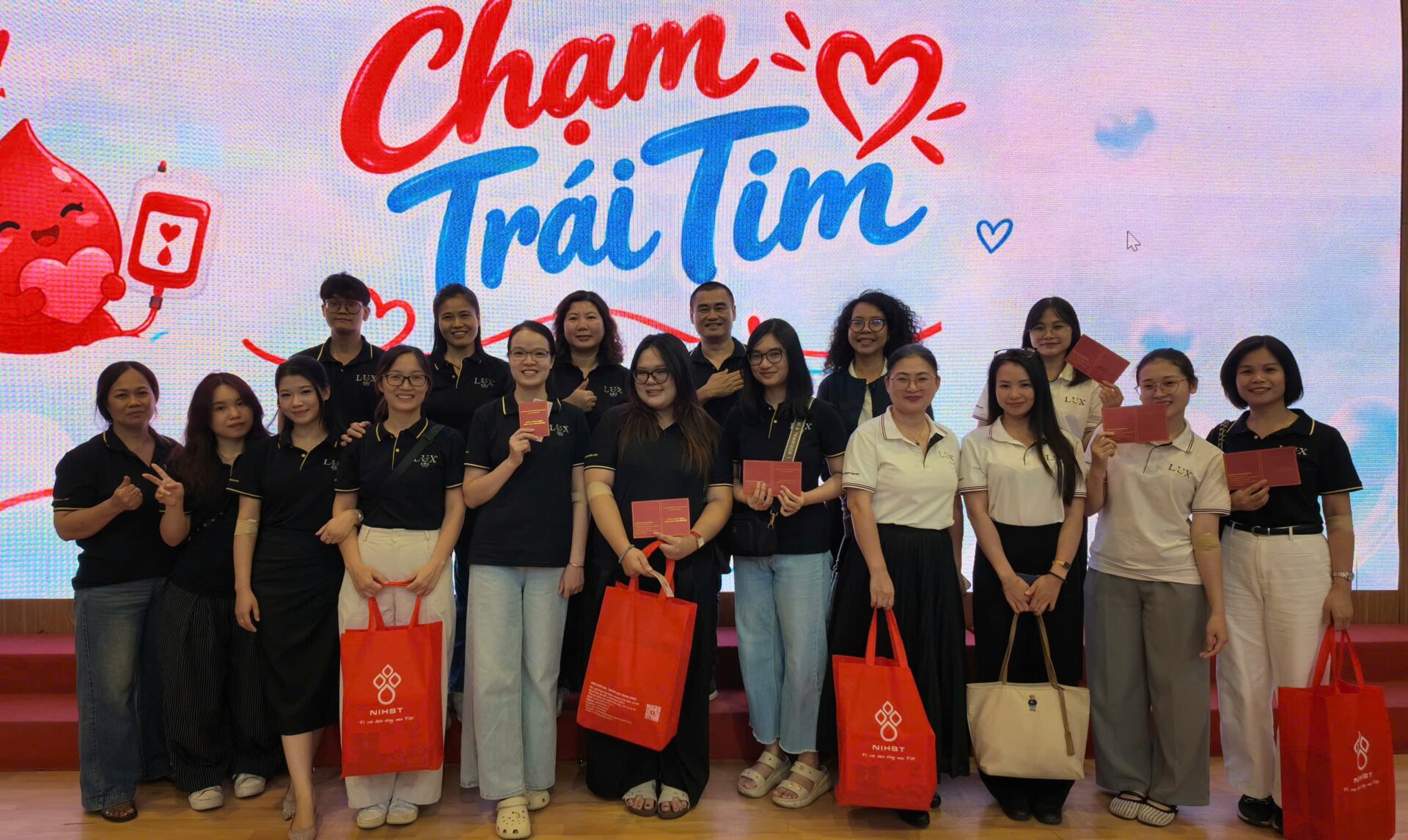
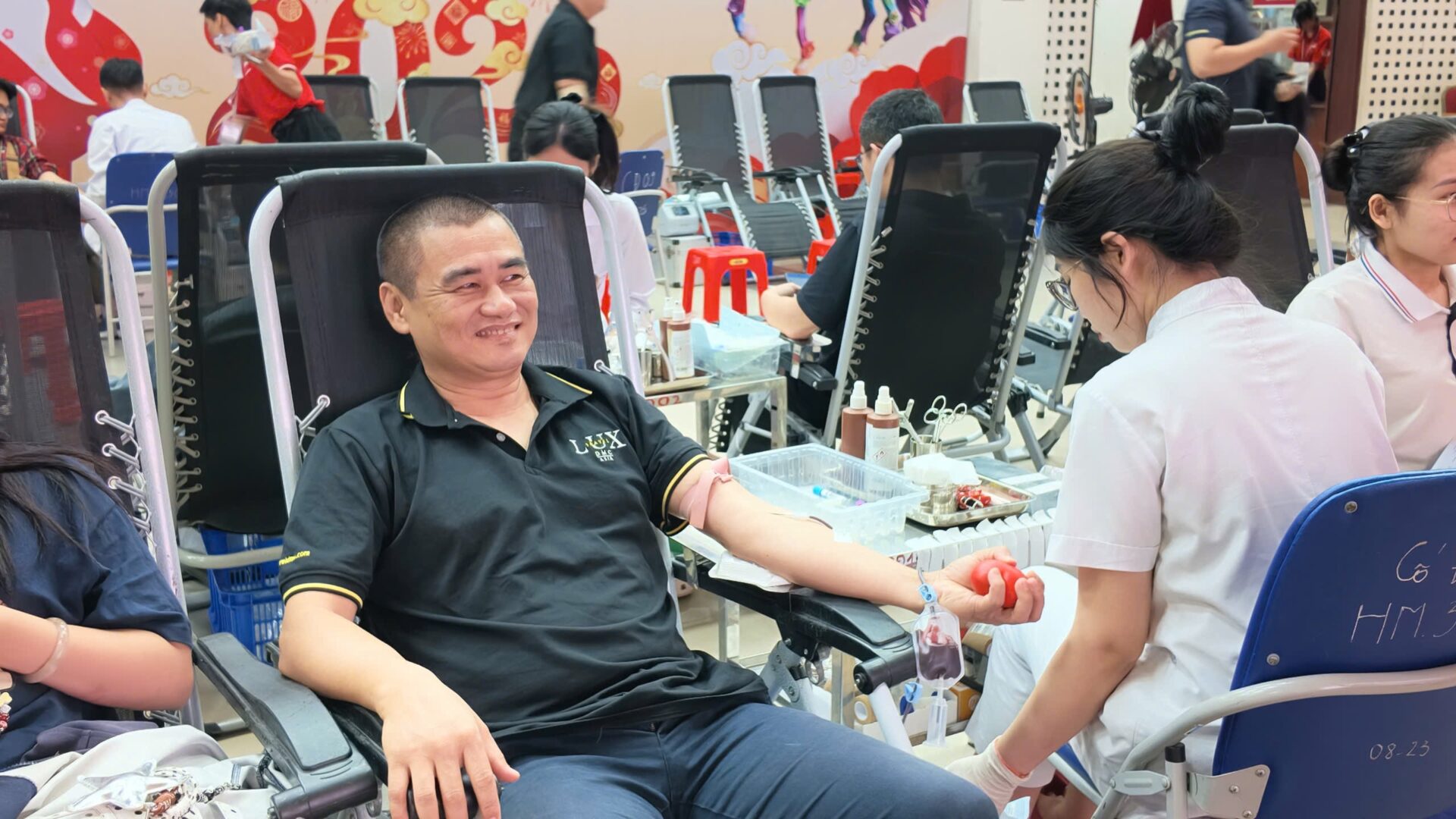
In early October 2026, Pham Ha joined LuxGroup employees at the National Institute of Hematology and Blood Transfusion to donate blood. Wearing the same grey uniform as his colleagues, the chairman and CEO waited in line for his turn.
The gesture is easy to describe. A business leader’s compassion faces harder tests. When revenue disappears, how do you protect people’s livelihoods? When tourists arrive in a community, what do local residents gain? When a new vessel takes to the water, what will it leave behind?
“Leadership is service through kindness,” Ha says. In business, kindness must also survive the numbers.
When compassion meets the balance sheet
During the Covid-19 pandemic, international travel nearly came to a halt. For LuxGroup, falling revenue meant more than a financial setback. Behind every cancelled journey were guides, crew members, operations staff and families who depended on their income.
The company turned towards Vietnam’s domestic luxury market, reshaping its products and operations. Ha understood that protecting jobs required keeping the business viable. Good intentions needed customers, cash flow and timely decisions behind them.
He does not see profit as the opposite of compassion. Profit pays salaries, funds training, helps a company withstand a crisis and gives it the means to support its communities. The more difficult question is how that profit is earned, and who bears the cost of earning it.
A business can grow for a time by exhausting its people, shifting risk to partners or leaving environmental damage for others to repair. Its financial results alone cannot tell the whole story.
A voyage four decades in the making
In 1985, ten-year-old Pham Ha travelled by sea from Hai Phong through Da Nang and Nha Trang to Saigon. The voyage showed him the water as a route connecting Vietnam’s landscapes, people and stories.
He later taught languages, worked as an interpreter and became a tour guide. Conversations with international visitors shaped a conviction: scenery may bring people to Vietnam, but its history, art and people give them reasons to remember it.
In 2005, he founded Luxury Travel, the business that preceded LuxGroup. His ambition to create distinctly Vietnamese voyages took far longer to realise. Roughly 30 years after that childhood journey, he had cruise products in Ha Long and Nha Trang. More than 40 years later, Amiral Cruises brought the journey to the Saigon River.
Each vessel carries a part of the country’s history. Emperor Cruises draws on the art and culture of Emperor Bao Dai’s era. Heritage Bình Chuẩn honours entrepreneur Bach Thai Buoi and his aspiration for Vietnamese people to travel on Vietnamese ships. Amiral Cruises takes inspiration from the vessel associated with Nguyen Tat Thanh’s departure from Saigon in 1911. On Heritage Bình Chuẩn, paintings by Pham Luc bring another layer of Vietnamese memory aboard.
The childhood voyage has grown into Ha’s Vietnam Waterways vision: vessels built in Vietnam, flying the Vietnamese flag, connecting coastal and nearshore routes and, eventually, navigating river mouths at both ends of the country. It is an ambitious vision with practical demands: suitable vessels, skilled people, journeys customers value and a business capable of sustaining them.
Kindness must reach people
Ha believes a luxury experience begins with understanding the guest. One person may need solitude; another may want to explore Vietnamese history, painting or cuisine. A family may simply want unhurried time together.
Meeting those needs takes people who can listen and have the skill to act on what they learn. A promise to bring happiness to guests therefore carries a responsibility to employees: to train them, give them room to grow and treat them fairly.
That responsibility extends beyond LuxGroup. Local people preserve much of what makes a destination worth visiting. If they are excluded from the value tourism creates, that value rests on fragile ground.
Alongside support for household water supplies in Lung Thau, Ha Giang, LuxGroup has participated in a school clean-water initiative in Rao Con, Quang Tri. For children, clean water matters in the most ordinary moments of the day: drinking, washing their hands and learning in healthier conditions. The measure of such a contribution lies first in the need it meets.
What remains after the journey?
After Typhoon Yagi in 2024, Ha and his team joined a clean-up effort in Ha Long Bay. Yet caring for a destination cannot begin only after a storm. It must shape how a tourism business chooses partners, manages waste, designs itineraries and uses resources every day.
In 2025, Lux Travel DMC, a LuxGroup company, achieved Travelife Certified status for sustainable tourism. The group has also set an ambition to make a net positive impact by 2030. The strength of that ambition will depend on measurable progress: how the environment improves, and how workers and communities benefit.
For Ha, nature and heritage are the foundations on which tourism creates lasting value. Damage a bay or leave its community behind, and the experience offered to visitors is diminished too.
A business leader’s compassion is therefore measured by more than a blood donation or a charitable visit. It appears in decisions about wages, investment and how the rewards of growth are shared. It asks a question that remains after every voyage ends: are the people and places we encountered better off because we came?