

In an era dominated by unicorns, blitzscaling and short-term valuations, a quieter but more resilient model of entrepreneurship is emerging across Asia—one built not on speed, but on depth. Vietnam’s LuxGroup offers a compelling case study of this alternative path: a business grown deliberately from culture, heritage and lived experience, led by a founder who believes that true scale begins with meaning.
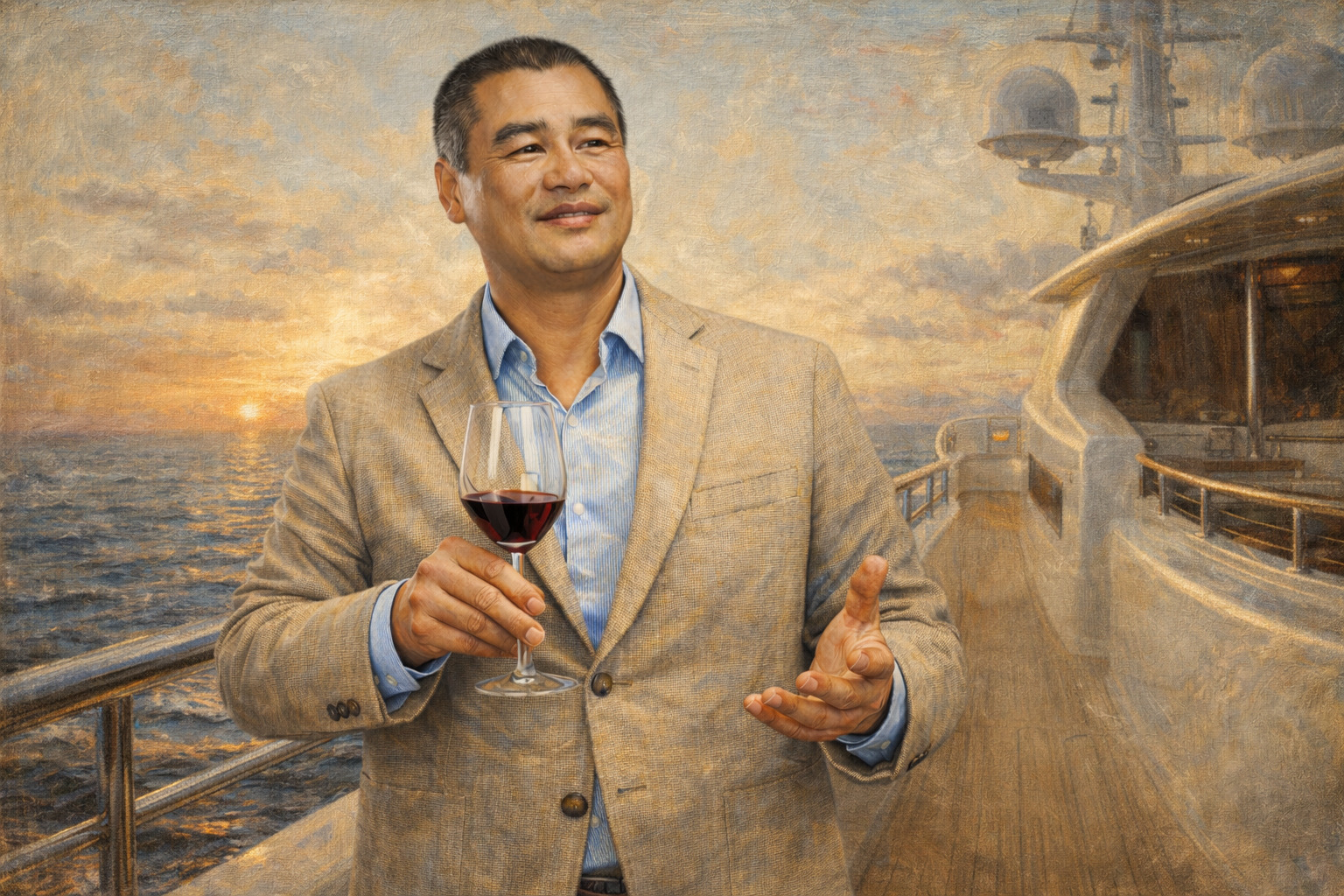
At the center of this story is Phạm Hà, Founder & CEO of LuxGroup®, whose personal journey is inseparable from the company’s philosophy of “Luxury is Culture – Delivering Happiness.”
A Life That Became a Business Philosophy
In 1985, as Vietnam was still emerging from decades of hardship, a young boy named Phạm Hà boarded the Thống Nhất ship from Hải Phòng to Sài Gòn. For many, it was simply a means of transport. For him, it was a formative encounter with the country’s rivers, ports and maritime soul—a moving classroom of history, geography and national identity.
That journey left an imprint. Years later, after academic training and professional experience, Hà did not pursue the fastest route to wealth. Instead, he chose a harder path: building a business rooted in memory, culture and responsibility. “Entrepreneurship,” he often reflects, “is not about how fast you grow, but about what you leave behind.”
This belief would become the foundation of LuxGroup®.
Small by Design, Great by Intention
LuxGroup® did not begin with large capital or aggressive expansion. It started small—intentionally so. Each brand within its ecosystem is boutique in scale, carefully curated rather than mass-produced. These are what Hà calls “small but great” enterprises: compact in size, yet expansive in cultural depth and emotional impact.
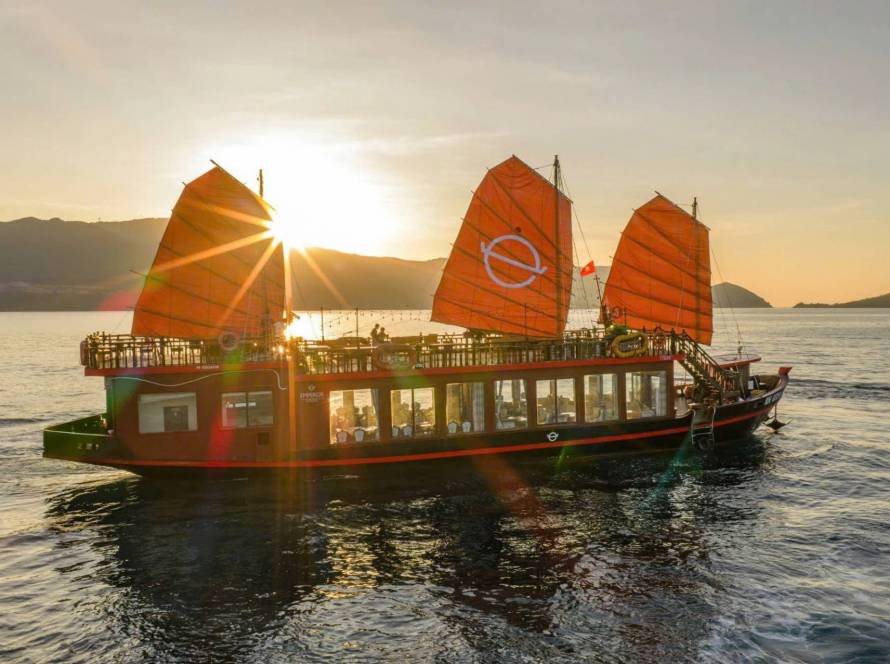
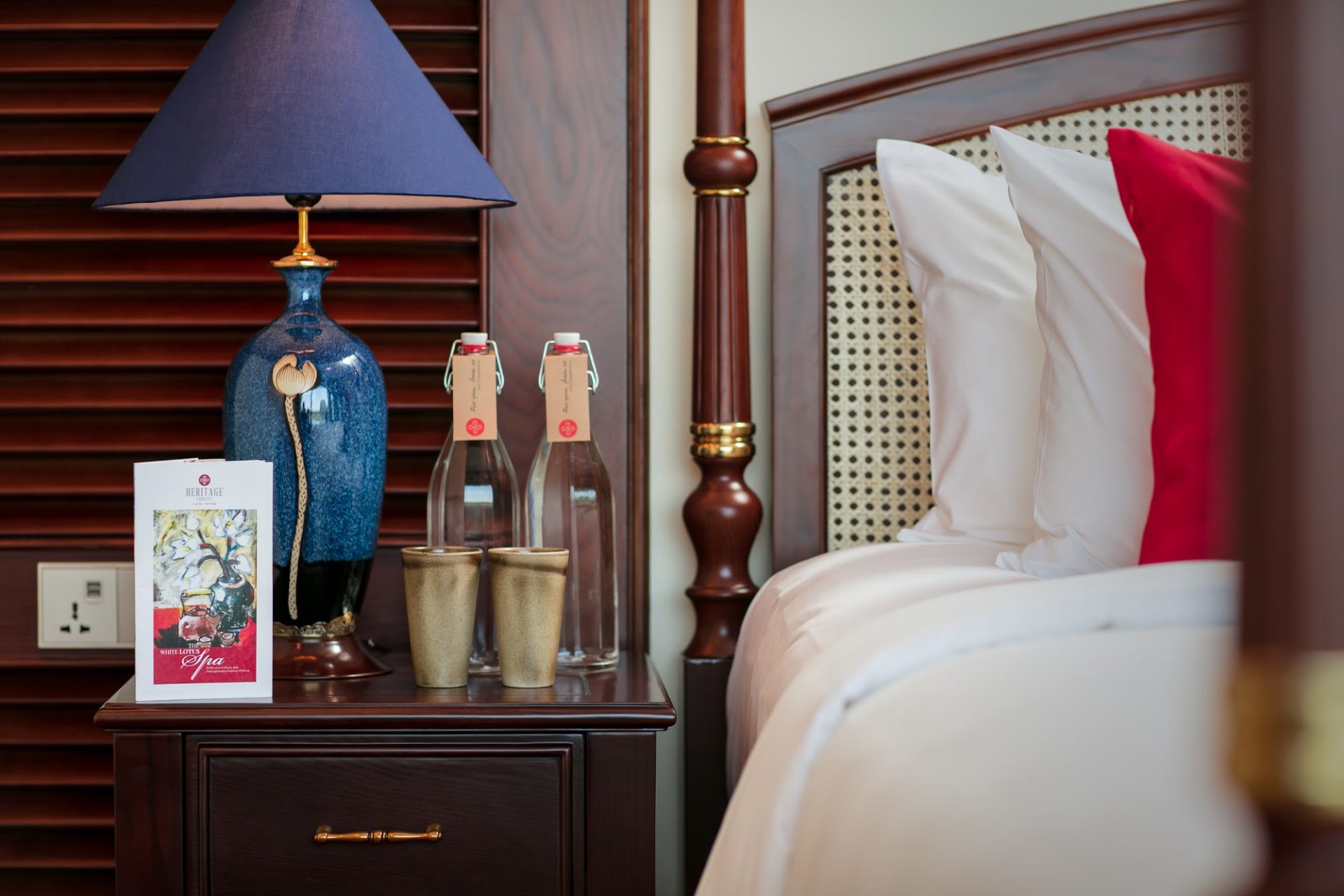
The group’s philosophy challenges conventional growth logic. Instead of maximizing volume, LuxGroup® focuses on maximizing meaning. Its offerings—from luxury heritage cruises to art-infused travel experiences—are designed to tell the story of Vietnam through aesthetics, craftsmanship and human connection.
In doing so, LuxGroup® positions culture not as decoration, but as strategic infrastructure.
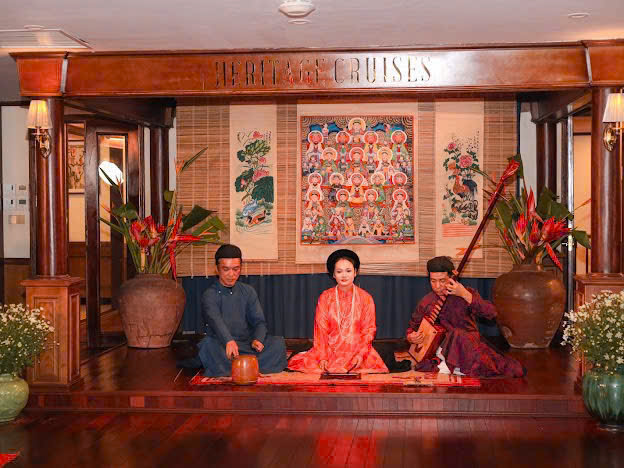
Heritage as Soft Economic Capital
For decades, heritage in emerging markets has often been treated in two extreme ways: either preserved statically in museums, or commercialized hastily for short-term gains. LuxGroup® offers a third approach—one that treats heritage as soft economic capital.
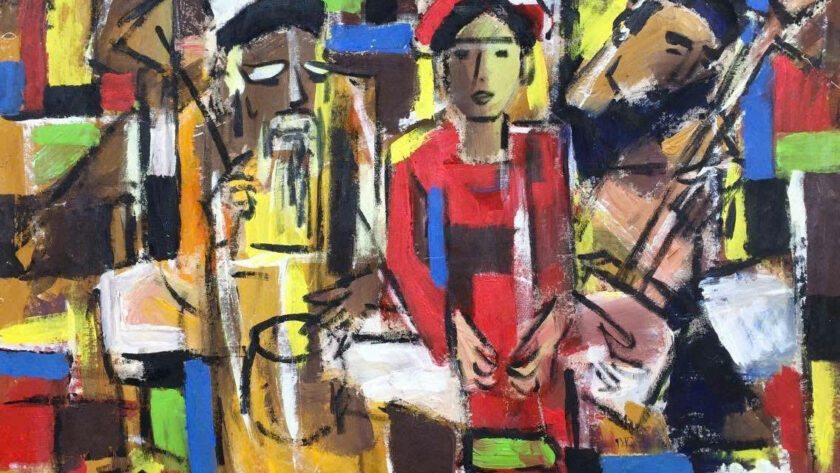
Vietnamese art, traditional music, rituals, costumes and culinary heritage are not displayed behind glass, but woven into living experiences. Paintings by renowned Vietnamese artists, for example, are not branding tools; they are narrative anchors. Guests are invited not just to observe culture, but to inhabit it.
This approach creates products that are inherently difficult to replicate. In a global luxury market increasingly crowded with sameness, authenticity becomes a defensible advantage.
Storytelling Rooted in Truth
One of LuxGroup®’s most distinctive strengths is its storytelling—but not the manufactured kind. There is no fictional brand mythology crafted by consultants. The story is real, personal and consistent.
The rivers, ships and coastal routes that define LuxGroup®’s experiences mirror Hà’s own life journey. His commitment to people-first leadership, sustainability and ESG principles is not performative; it reflects lived values shaped by history, education and long-term thinking.
In the experience economy, this authenticity matters. Customers do not merely consume services; they sense intention. LuxGroup®’s storytelling works because it is not an overlay—it is a reflection.
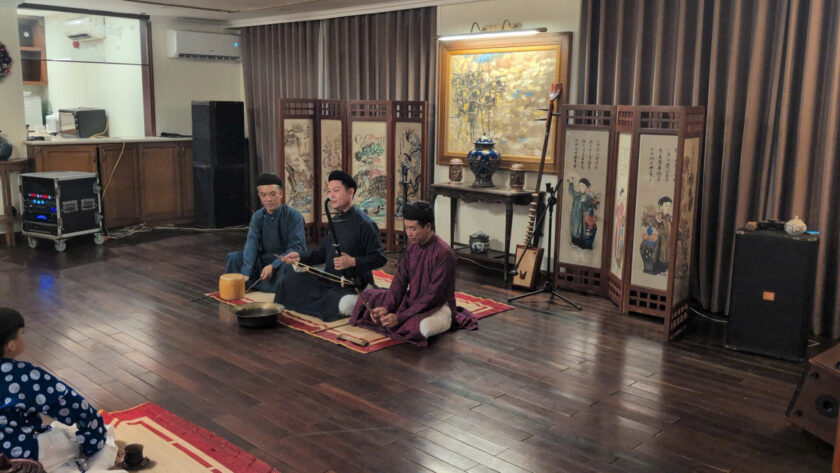
Discipline, Ethics and the Long View
Building from heritage requires restraint. LuxGroup® has deliberately declined opportunities that promised quick returns but compromised cultural integrity or environmental responsibility. Growth is paced. Expansion is selective.
This discipline is part of what Hà defines as true entrepreneurship—or “thực nghiệp” in Vietnamese: business grounded in real value, real responsibility and real contribution.
Such an approach may appear conservative in the short term. But in a region where trust, reputation and legacy increasingly influence consumer choice, it proves remarkably resilient.
A Model for Vietnam—and Beyond
LuxGroup®’s journey offers broader lessons for Asia’s emerging entrepreneurs. In economies rich in culture but often pressured to imitate global models, the company demonstrates that differentiation does not require reinvention—it requires understanding what already exists, deeply.
Vietnam’s future competitiveness will not come from scale alone, but from its ability to translate heritage into contemporary relevance. That translation demands entrepreneurs who are both commercially astute and culturally literate.
LuxGroup® represents this hybrid: a business where academic rigor meets emotional intelligence, and where leadership is measured not only by revenue, but by impact.
Building What Endures
In a volatile global economy, businesses that endure are those anchored in identity. LuxGroup® does not aspire to be the biggest. It aspires to be meaningful—and in doing so, it has built something quietly powerful.
From a boy’s journey on a ship in 1985 to a portfolio of culture-driven luxury experiences today, the story of LuxGroup® reminds us that the most sustainable enterprises are often born not from disruption, but from continuity.
In the end, the question is not how fast a company grows—but whether it grows with a soul. LuxGroup® suggests that when heritage is treated not as nostalgia, but as strategy, even the smallest enterprises can become truly great.