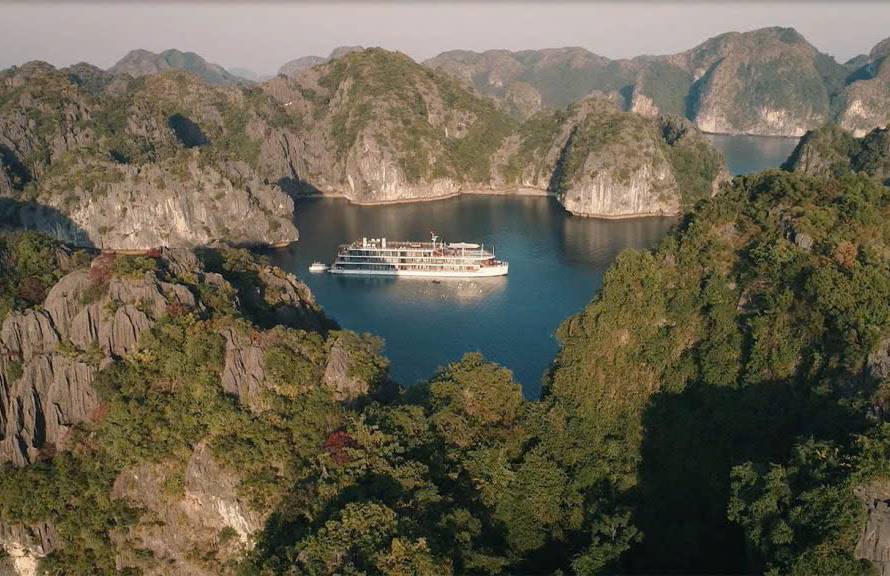


At the beginning of the Lunar New Year of the Fire Horse 2026, a Malaysian conglomerate with more than six decades of history expressed interest in partnering to develop high-end boutique cruises in Langkawi—designed according to the architectural, interior, and cultural heritage standards of LuxGroup®.
The proposal was more than an investment opportunity. It reflected a broader shift: heritage is emerging as strategic capital in the knowledge economy.
When Value Is No Longer Measured in Steel
The early days of a new year often bring fresh expectations. For some Vietnamese enterprises, Tet is not only a moment of reflection, but also a time to recognize signals of the future.
The Malaysian proposal to LuxGroup® was not simply about shipbuilding or brand licensing. What attracted the partner was the operating model, service standards, product ecosystem, and development philosophy rooted in culture.
This signals a deeper truth: the value of a vessel lies not only in its hull, but in the narrative and value system designed around it.
From “Hard Assets” to “Soft Capital”
For many years, Vietnam’s tourism growth was driven by natural landscapes and cost advantages. Yet as global markets shift toward quality, identity, and differentiation, those advantages alone are no longer sustainable.
Dr. Phạm Hà, Founding President & CEO of LuxGroup®, explains:
“If natural resources are heaven-sent capital, then culture and heritage are endogenous capital. Endogenous capital is what creates long-term competitive advantage.”
In an era defined by “meaningful consumption,” high-end travelers are no longer seeking conspicuous luxury. They seek depth, authenticity, and emotional connection to place.
When a Journey Becomes a Cultural Space
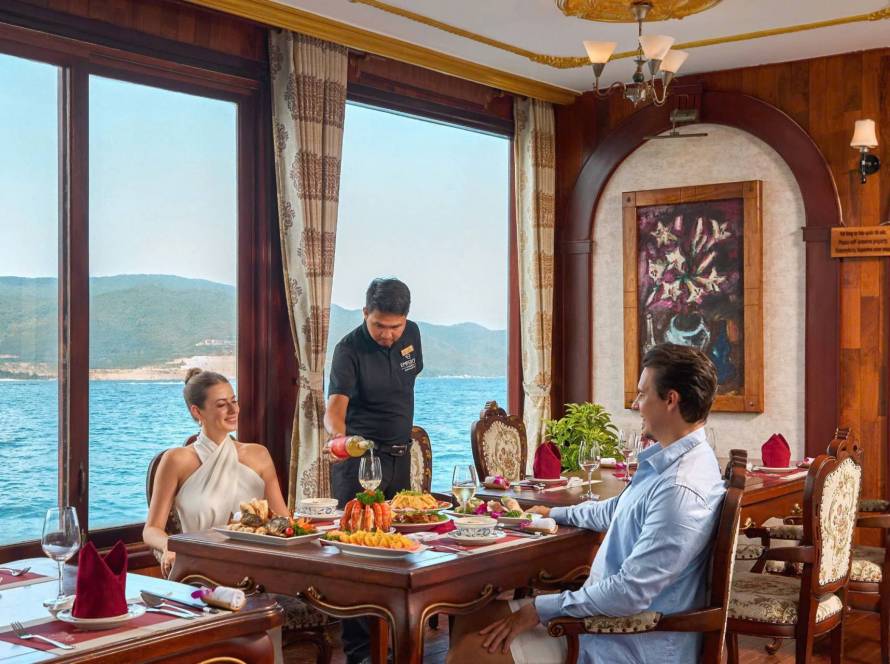
LuxGroup® has built its model around what it calls “storytelling travel.” On cruises such as Heritage Cruises, Emperor Cruises, and the upcoming Amiral Cruises for Presidents, heritage is not decorative. It is structural.
From Indochine-inspired interiors and regional gastronomy to curated art performances and historical narratives tied to Vietnam’s rivers and seas, each element is orchestrated as part of a coherent cultural experience.
“We do not sell cabins at sea. We design emotional journeys,” Dr. Phạm Hà shares.
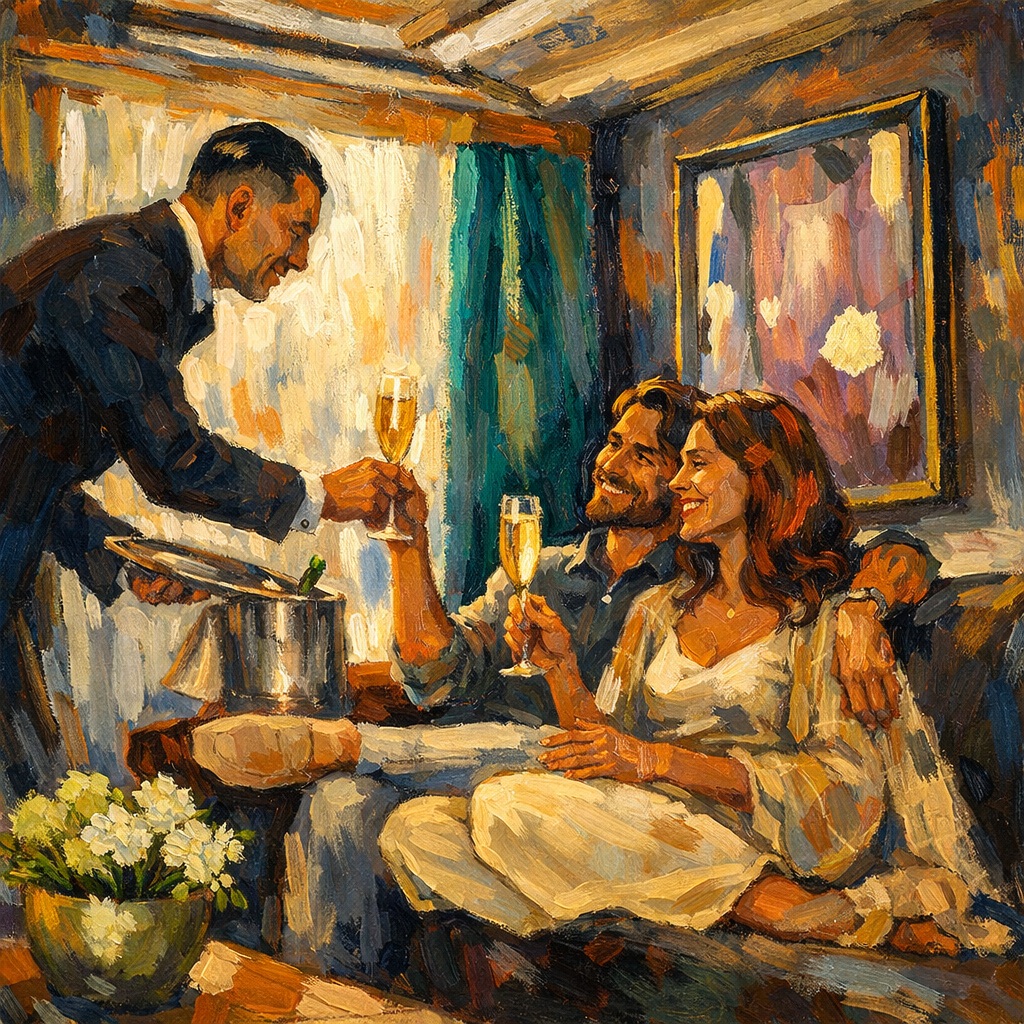
Here, the voyage becomes a living cultural space—where design, cuisine, art, and storytelling converge.
Heritage and the Sustainability Equation
One of the key challenges of heritage economics is avoiding superficial commercialization. LuxGroup® adopts a principle of “conservation through responsible use.”
Heritage is integrated into economic life as brand equity, design inspiration, and narrative content—creating added value while reinforcing preservation.
The company operates under its 8P framework: Passion, Purpose, People, Planet, Profit, Place, Partnership, and Prosperity. Among these, “Place”—identity and sense of belonging—holds a central role.
“Profit is a condition for survival. Identity and responsibility are the foundation of sustainable growth,” Dr. Phạm Hà affirms.
Entrepreneurs and the National Narrative
Globally, many countries have successfully transformed culture into competitive advantage. Vietnam now stands at a pivotal moment—shifting toward a growth model driven by the creative economy and cultural industries.
The LuxGroup® story illustrates one possible pathway: enterprises can generate revenue while simultaneously shaping national identity through product and experience.
Its long-term vision, Vietnam Waterways® 2045, seeks to reposition Vietnam’s rivers and seas as a water-based civilization platform—where history, art, and economic vitality intersect.
Tet and Confidence in Endogenous Value
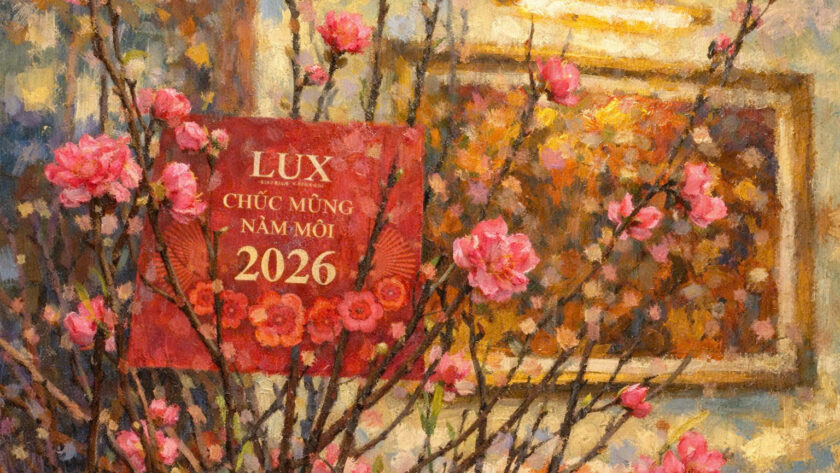
Tet is more than a reunion; it is a return to origins. As the economy searches for new growth engines, an essential question emerges: Do we have sufficient confidence in our own intrinsic value?
When heritage is recognized as capital and culture becomes a growth driver, economics is no longer only about numbers. It becomes a story of identity and aspiration.
As Dr. Phạm Hà reflects:
“We are not merely building a company. We are helping tell Vietnam’s story in the language of our time.”
At the dawn of the Fire Horse year, that story offers a compelling insight: the future growth of Vietnamese enterprises may well begin with their own heritage.