

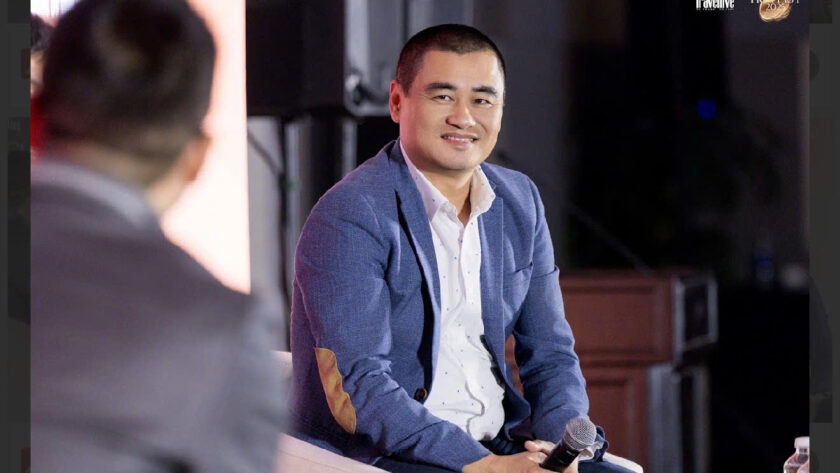
Pham Ha – Founding President & CEO, LuxGroup®
In 2026, business leaders are no longer traveling to escape pressure. They are choosing journeys that are slow enough to see themselves clearly, and rich enough in cultural depth to nurture a value-driven, sustainable lifestyle.
After years of extensive travel, experienced entrepreneurs gradually move beyond the pursuit of instant spectacle. What they seek instead are experiences that cultivate clarity of thought, emotional stillness, and inner alignment. Travel choices become personal statements—expressions of leadership philosophy, ethical consumption, and long-term responsibility.
Travel is no longer a reward after success. It has become a strategic investment in mental health, decision-making quality, and leadership resilience. In Vietnam, this evolution is increasingly visible through high-end journeys that reconnect people with heritage, nature, and human connection.
From the perspective of someone who has spent over two decades designing and investing in experiences, I believe 2026 marks the emergence of luxury as a cultural value—personalized, locally rooted, and defined by meaning rather than excess.
The Leader’s Quietude on the Saigon River
At the heart of a fast-moving economic center, the Saigon River still flows with a rare sense of calm. When a heritage yacht glides across its surface, time appears to slow. Noise recedes. Reflection begins.
Journeys lasting from two to seven nights, drifting downstream toward the Mekong Delta and onward to Cambodia, allow leaders to step away from relentless schedules and constant connectivity. The river’s rhythm gently dissolves urgency. The soft sound of water against the hull and everyday life along the riverbanks evoke memories of a land where earlier generations once departed in search of freedom, dignity, and national aspiration.
These waters remind today’s leaders of endurance, patience, and long-term vision. Onboard, experiences are designed to encourage listening—to the land, to history, and to oneself. Such moments often lead to deeper clarity and more grounded strategic thinking.
Sustainable leadership begins with the ability to pause—and the river is the most patient teacher.
Green Gastronomy: Leadership Values at the Table
In 2026, environmental, social, and governance principles no longer live only in annual reports. They are embodied in everyday choices—most tangibly, in food.
On thoughtfully curated journeys, cuisine is designed around respect for local ecosystems. Farm-to-table sourcing ensures transparency and quality. Regional culinary traditions emphasize balance, seasonality, and restraint. Each meal reflects a leadership mindset that values harmony with nature and long-term stewardship over short-term indulgence.
Dining becomes an extension of leadership philosophy: measured, conscious, and responsible.
Avoiding Crowds to Preserve Depth of Thought
In an age of constant information flow, leaders increasingly seek places that offer space and silence.
Walking journeys through mountains, forests, and rural villages provide both physical renewal and psychological clarity. Movement in nature reduces stress and restores focus. Challenging terrain cultivates patience, observation, and humility—qualities essential to effective leadership.
In deeper wilderness settings, the absence of digital distraction allows the mind to reorganize complex challenges naturally. Strategic questions often find clearer answers when the noise subsides.
Moments of quiet contemplation by the sea or aboard a refined vessel at night redefine luxury—not as excess, but as restraint guided by responsibility.
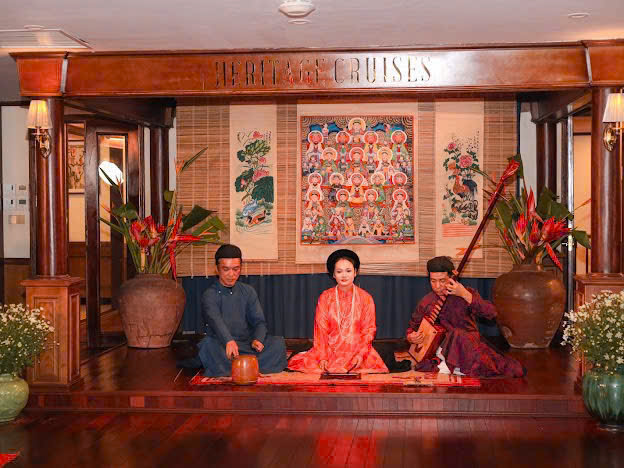
Slow Travel and Reconnection with Local Life
A defining characteristic of executive travel in the coming years is the shift from “passing through” to staying long enough to understand.
Rather than hurried check-ins, leaders immerse themselves in local rhythms—sharing meals, observing daily routines, and engaging with communities. This form of travel fosters empathy, the foundation of all sustainable business relationships.
When leaders truly understand local culture and human realities, their management philosophy naturally becomes more humane, inclusive, and resilient.
Personalization: Luxury as Cultural Expression
In the high-end segment, luxury is no longer defined by standardized benchmarks. It is defined by authenticity and individuality.
Every detail of a journey is tailored to reflect personal values and identity. Culture forms the core; service is simply the medium. Heritage narratives, architecture, and stories of past entrepreneurs become sources of inspiration for modern leaders navigating complex global landscapes.
Such journeys are often described not as vacations, but as holistic renewal—of body, mind, and purpose.
Conclusion
As 2026 unfolds, travel becomes a deliberate act of leadership renewal.
Slower journeys create depth. Personalization preserves identity. Culture provides grounding.
When leaders cultivate harmony—between people, nature, and heritage—the organizations they guide gain the resilience to move forward with confidence amid uncertainty.