


As Vietnam’s air map expands, industry leaders warn that the real competition is no longer for arrivals, but for memories.
In early January 2026, as Hanoi welcomed a new year and a new wave of direct international flights, a quiet but consequential conversation took place at The Insiders Forum Hanoi. The panel’s theme—New Flight Routes = New Opportunities—sounded optimistic, even celebratory. Yet the most striking voice in the room offered a carefully measured counterpoint.
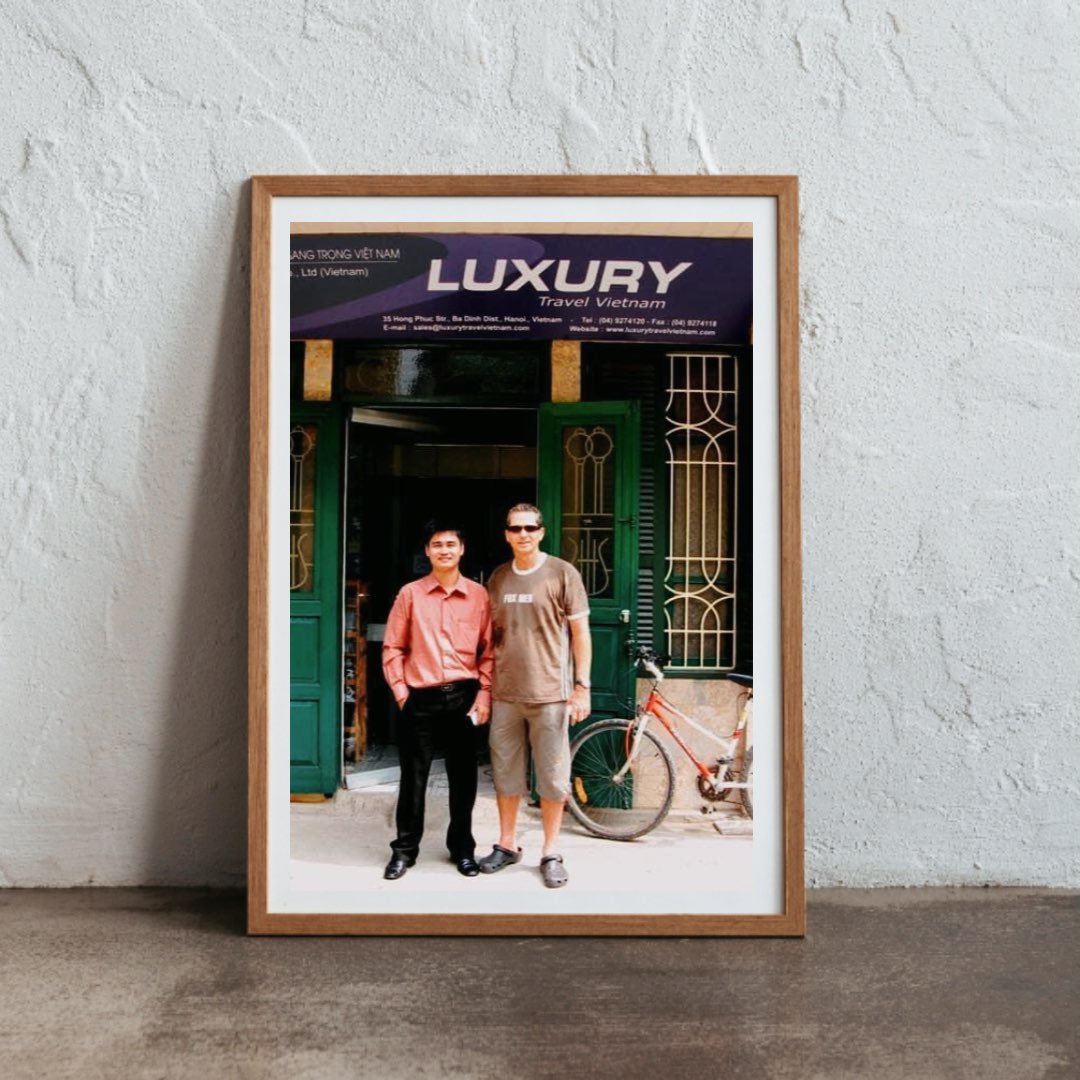
“New flight routes make it easier for people to reach a destination,” said Pham Ha, Founding President & CEO of LuxGroup and Vice President of the Vietnam Green Tourism Association. “But they don’t create value. Tourism businesses do—or they destroy it.”
It was a statement that reframed the entire discussion. Airlines, he explained, bring people. Tourism must give them meaning—enough meaning to stay longer, spend more, and, crucially, return.
When Access Improves Faster Than Experience
Vietnam has done many things right. Direct flights from India, Australia, Russia, and Northeast Asia have shortened travel times and lowered psychological barriers. Visa reforms have signaled openness. From a connectivity standpoint, Vietnam has rarely looked stronger.
But according to Pham Ha, this ease of access has also exposed a structural weakness: the industry’s long-standing reliance on price-led growth.
“We still promote Vietnam as cheap,” he said. “But once guests arrive, many touchpoints are not refined, not consistent, and not designed for high-end travelers.”
The result is a mismatch. Private-sector luxury operators and destination management companies have invested heavily in people, storytelling, and sustainability. Yet without a broader shift in mindset, new routes merely amplify disparities. Weak products are seen faster. Poor service travels quicker—online and by word of mouth.
“If products don’t evolve and people aren’t trained,” Pham Ha warned, “new routes don’t make us richer. They make the gap more visible.”
Ready in Pockets, Not at Scale
Asked bluntly whether Vietnam is ready for the surge in new arrivals, Pham Ha offered a nuanced answer: “We’re ready in pockets—not at scale.”
In his assessment, today’s tourism landscape breaks down roughly as follows:
• Around 10 percent of operators are genuinely world-class
• About 60 percent are average and uncertain
• And nearly 30 percent are competing almost entirely on price
This imbalance matters most in the luxury and upper-premium segment. According to global travel forums such as ILTM, luxury travelers make up only about five percent of total arrivals—but they spend up to five times more per trip.
“High-end travelers don’t complain loudly,” Pham Ha noted. “They leave quietly—and don’t return.”
That silence, he said, is how destinations lose reputation without realizing it.
New Markets, Old Frictions
Travelers arriving from newer growth markets—India, Russia, and Australia among them—tend to share similar first impressions. They are surprised by Vietnam’s natural beauty, personal safety, warm people, and strong value at the top end of the market.
Disappointment sets in when expectations are broken.
“They encounter inconsistent service,” Pham Ha explained. “Polite staff who don’t take ownership. Hotels that look five-star online but behave like three-star in reality.”
These travelers do not see Vietnam as poor or underdeveloped. On the contrary, they sense untapped richness—and feel frustrated that it is not being used more intelligently.
The Fallacy of Serving Everyone
One of the most persistent habits in Vietnamese hospitality, Pham Ha argued, is the desire to welcome every market equally. In practice, this often results in diluted experiences.
“Trying to serve everyone means serving no one exceptionally,” he said.
Successful operators, he explained, do four things well: they choose one or two core markets, study them deeply, design services specifically around their needs, and price with confidence.
At LuxGroup, this philosophy is explicit. “We don’t say ‘everyone is welcome,’” Pham Ha said. “We say: We know exactly who we serve—and we serve them brilliantly.”
Why Competing on Price Is a Strategic Error
Despite talk of premium positioning, much of the market still defaults to discounting when demand softens. For Pham Ha, this is not a tactical misstep—it is a strategic one.
Price wars, he argued, erode brand trust, destroy staff morale, and undermine long-term profitability. “If you build and wait for all guests to come,” he told hotel owners, “they won’t. You’ll end up competing on price—and you’ll lose.”
His advice is blunt: “If you’re cheap, you work harder, earn less, and complain more.”
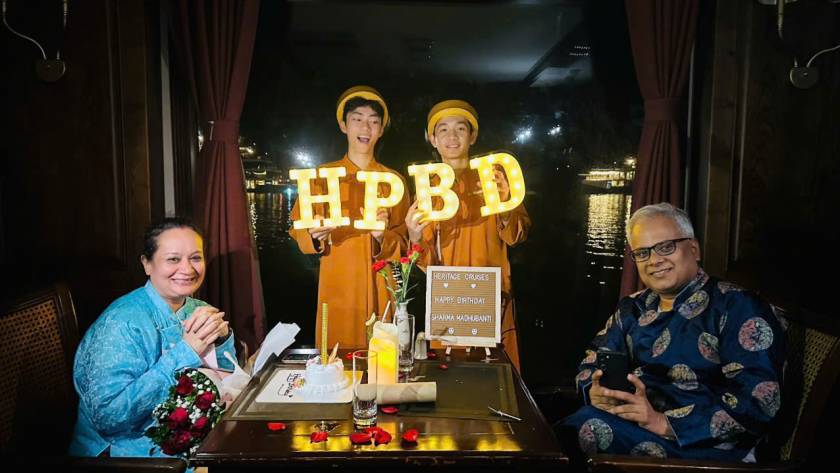
Travelers, he emphasized, do not pay more for marble lobbies. They pay for how a place makes them feel—respected, understood, and genuinely cared for.
Three Fixes Any Three-Star Hotel Can Make This Year
Improvement, Pham Ha insisted, does not require massive capital investment. It requires discipline.
First, brutal honesty: marketing images, promises, and reality must align. Second, perfection of three critical moments—check-in, room cleanliness, and complaint handling. Third, the creation of a single signature memory: a handwritten note, a personal story, or a thoughtful gesture.
“Small,” he said, “but sincere.”
The One Skill That Changes Everything
If Vietnam’s tourism workforce were to master just one skill immediately, it would not be English or software proficiency. It would be problem ownership.
“Guests don’t remember who caused the problem,” Pham Ha said. “They remember who solved it.”
Ownership transforms service from politeness into professionalism—and from transactions into trust.
Heritage as a Competitive Advantage
Do foreign travelers really care about Vietnamese heritage? Pham Ha’s answer was unequivocal. Yes—if it is told properly.
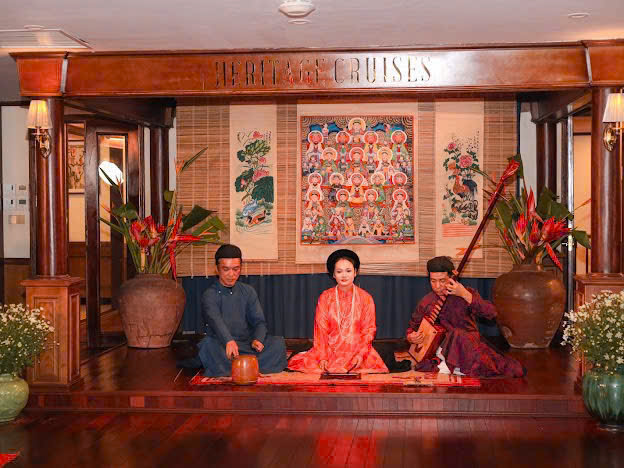
Industry research shows that nearly 87 percent of travelers choose destinations because of culture. But what they seek is not dates or lectures. They want human stories, emotion, and meaning.
“Heritage isn’t decoration,” he said. “Heritage is differentiation.”
Designing Memories, Not Just Selling Services
In closing, Pham Ha offered a challenge to the industry: stop selling services and start designing memories.
Ask what guests will remember. What they will tell friends. Whether they will want to come back.
Flights bring first-time visitors. Memories bring repeat visitors.
And in a final line that resonated far beyond the room, he summarized Vietnam’s real measure of success:
“Tourism is not about how many people arrive.
It’s about how many want to return.”
When travelers are happy, he added, local communities benefit, businesses thrive, and the country as a whole becomes stronger.