


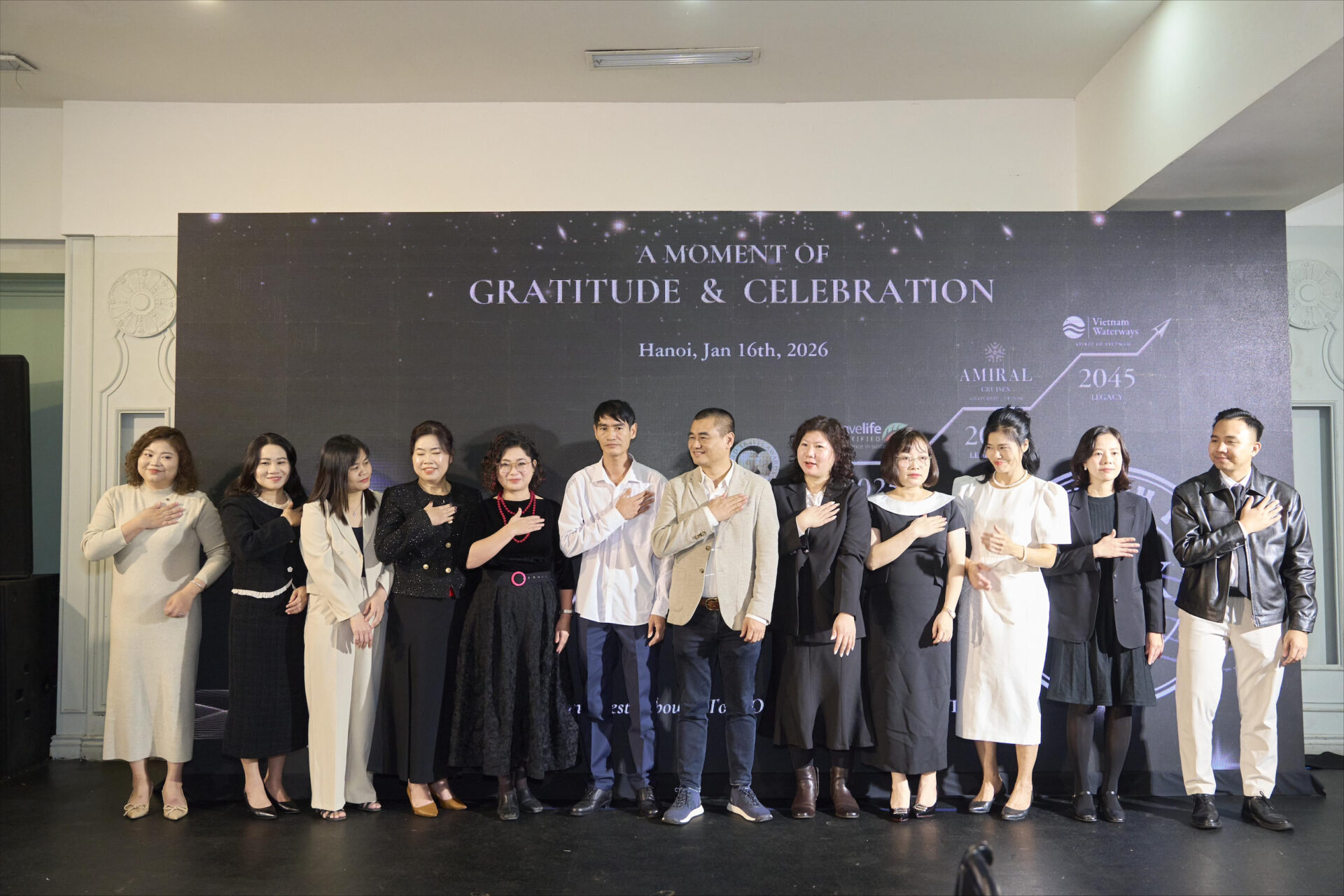
A leadership perspective from LuxGroup®
For years, “customer centricity” has been treated as a universal management mantra. Yet in practice, many companies discover a troubling paradox: the more they talk about customers, the more fragmented the customer experience becomes. Investments in customer care increase, apologies become more polished, but loyalty and trust remain stubbornly fragile.
The problem is not a lack of goodwill toward customers.
It is a lack of organizational capability to truly place customers at the center.
At LuxGroup, a Vietnam-based luxury travel, cruise, and cultural hospitality group, this challenge has been approached from a different angle—one that may appear counterintuitive at first: People First®.
When customer centricity is misunderstood
A common management trap is to conflate Customer Centricity with Customer Focus. In many organizations, “customer experience” is delegated almost entirely to frontline teams—sales, customer service, reception—while back-office functions operate on separate priorities, metrics, and incentives.
As a result, companies excel at communication and compensation but struggle with prevention. They train people to apologize gracefully instead of designing systems that prevent failure in the first place.
Yet customer journeys do not begin at the service desk. They are shaped by procurement decisions, IT systems, HR policies, process design, and leadership behaviors. Any function that disregards customer impact—regardless of whether it ever meets a customer—can break the experience.
This structural disconnect explains why many organizations “sound” customer-centric while failing to deliver consistently.

People First® as a management system, not a slogan
At LuxGroup, People First® is not framed as a soft cultural value or an employee-engagement slogan. It is treated as a management discipline grounded in a simple but demanding premise:
Customer experience cannot exceed the quality of the employee experience that creates it.
In hospitality—where the product is lived, emotional, and human—people are not a variable cost to be minimized. They are the operating system of the brand. Treating them merely as resources inevitably erodes service quality, brand trust, and long-term value.
People First® at LuxGroup is operationalized through the 8P “Delivering Happiness” framework, in which People precede Product and Profit. This hierarchy is not symbolic; it reflects execution logic. When people are respected, aligned, and enabled, experience consistency follows—and financial performance becomes sustainable rather than forced.
In this model, leadership carries a clear implication: the CEO is not only a chief executive, but also the organization’s chief steward of happiness and meaning.

From transactions to lifetime relationships
Another defining shift in LuxGroup’s interpretation of customer centricity is the move away from transaction-based thinking. When a business sees each customer interaction as a standalone deal, customer centricity becomes mathematically impossible—any gain for the customer appears as a loss to the company, and vice versa.
LuxGroup instead frames customer relationships across their lifetime value (CLV). This long-term lens changes internal behavior. Sales is no longer driven solely by immediate revenue, finance is not limited to short-term margin protection, and HR is not measured only by headcount efficiency.
When CLV becomes a shared metric, departments align naturally. Short-term optimization gives way to decisions that protect trust, continuity, and repeat engagement—often at the expense of immediate gains.
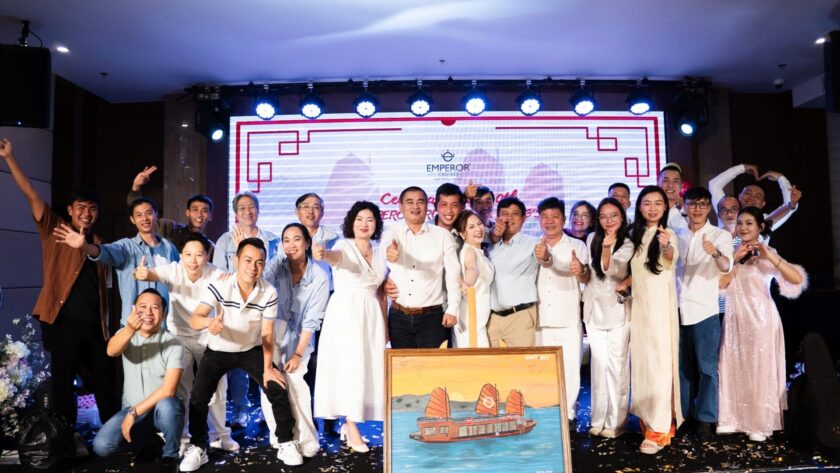
The discipline behind emotional experiences
One of the most misunderstood aspects of premium customer experience is emotion. High-end experiences feel warm, intuitive, and personal—but they are rarely improvised.
At LuxGroup, emotional impact is the result of deliberate design and strict standardization, not individual spontaneity. Spatial design, service rhythm, storytelling cadence, silence, and timing are all intentionally engineered. Employees are trained to understand why each action matters, not just how to perform it.
Paradoxically, the more emotional the experience feels to the guest, the more disciplined and structured the system behind it must be. Emotional excellence requires operational rigor.
People First® as a long-term competitive advantage
In an environment where many companies pursue growth before maturity, People First® represents a different strategic order: build internal capability before scaling outward. When people are placed correctly within a coherent system, customer centricity becomes an outcome—not an aspiration.
This approach has also translated into external recognition, including honors such as HR Asia – Best Companies to Work For, reinforcing the idea that People First® is not merely ethical leadership, but effective governance.
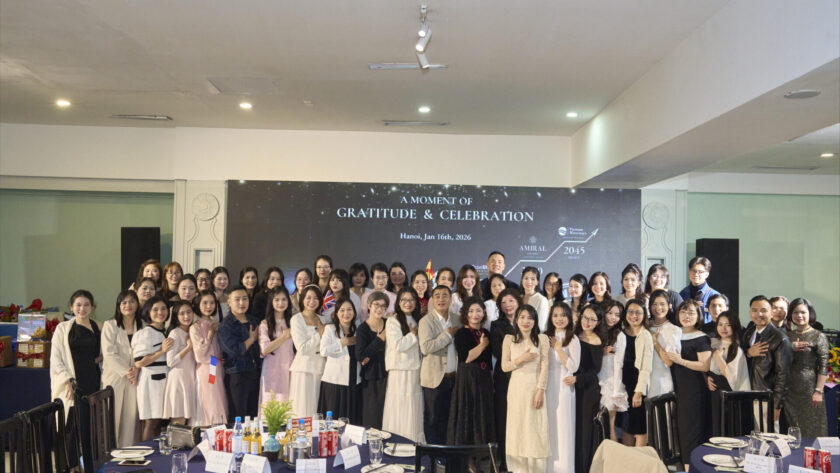
Conclusion
Customer centricity does not begin with customers. It begins with how an organization is designed, aligned, and led.
When people inside the organization are trusted, disciplined, and connected to a shared purpose, customer experience stops being a marketing promise and becomes a structural certainty.
In LuxGroup’s case, People First® is not the end state of management evolution—it is the foundation upon which sustainable growth, cultural integrity, and long-term customer loyalty are built.