

Interview with Dr. Pham Ha – Chairman & CEO, LuxGroup®
Vietnam’s tourism industry crossed an important milestone in 2025, fully recovering in scale after the Covid-19 shock. Yet according to Dr. Pham Ha, Chairman and CEO of LuxGroup®, the sector is only at a transitional stage: volume has returned, but quality and value creation still lag behind.
Recovery in scale, transition in quality
Based on aggregated data, Vietnam welcomed an estimated 19 million international visitors in the first 11 months of 2025 and is expected to surpass 20 million for the full year—exceeding the historic 2019 peak. “However,” Dr. Ha notes, “we are still counting visitors more than we are counting value.”
There are encouraging signals. The international visitor mix has become more diversified, reducing reliance on any single market, although Asia still accounts for around 79% of arrivals. The average length of stay among high-end travelers has increased from about 10 days to nearly 14 days, and the segment spending over USD 2,500 per trip has recorded double-digit growth.
Yet Vietnam’s average spending per international visitor remains only 55–60% of Thailand’s and less than half of Singapore’s. “This gap reflects a fundamental issue,” Dr. Ha explains. “We sell many services, but we do not yet sell enough deep, culturally meaningful experiences.”
A fundamental shift in traveler behavior
According to Dr. Ha, international travelers have changed the way they spend money. Post-pandemic tourism is no longer driven primarily by price competitiveness. Industry trend reports show that 72% of luxury travelers prioritize unique, one-of-a-kind experiences over standardized products; 68% are willing to pay more for environmentally responsible offerings; and 60% consider local culture and people decisive factors in their decision to return.
“Visitors no longer ask whether Vietnam is cheap or expensive,” he says. “They ask whether Vietnam is authentic, whether the experience is deep, and whether it is worth coming back to.”
For Vietnam, this shift represents a major opportunity. With its long history, diverse cultures, rich cuisine, and varied natural ecosystems, the country has the raw material to compete on meaning and depth—if it can translate assets into experience.
Structural bottlenecks holding the industry back
Despite strong demand, Dr. Ha identifies four major bottlenecks that continue to constrain Vietnam’s tourism value chain: institutions that lag behind market dynamics; a shortage of high-end, culture-based products; uneven human resource quality; and short-term development thinking.
“Tourism cannot be built sustainably if it is viewed only through seasonal cycles or political terms,” he argues. “We still lack a true ‘conductor’—an authority with the power, competence, and vision to coordinate the entire ecosystem.”
Regional comparisons further underline the challenge. Thailand welcomes around 30 million visitors annually and generates close to USD 50 billion in tourism revenue. Singapore, with only 16–17 million visitors, earns over USD 40 billion. Indonesia attracts fewer visitors than Vietnam, yet achieves high per-capita spending through iconic destinations like Bali.
“Vietnam has abundant resources,” Dr. Ha says, “but we have not yet optimized value creation.”
Premium, cultural, and green tourism as a strategic path
Looking ahead, Dr. Ha believes Vietnam’s smartest path lies in premium, cultural, and green tourism. Global forecasts suggest that by 2030, luxury tourism will account for nearly 25% of total industry revenue, while green tourism will grow 1.5 times faster than conventional tourism.
“This is not about making tourism more luxurious for its own sake,” he explains. “It is about reducing pressure on natural resources, increasing income for local communities, and preserving heritage in the long term.”
Quantity-driven growth, he warns, leads to overcrowded destinations, environmental degradation, and dependence on a narrow set of source markets. “Quality must come before quantity.”
The rise of waterway and transformational travel
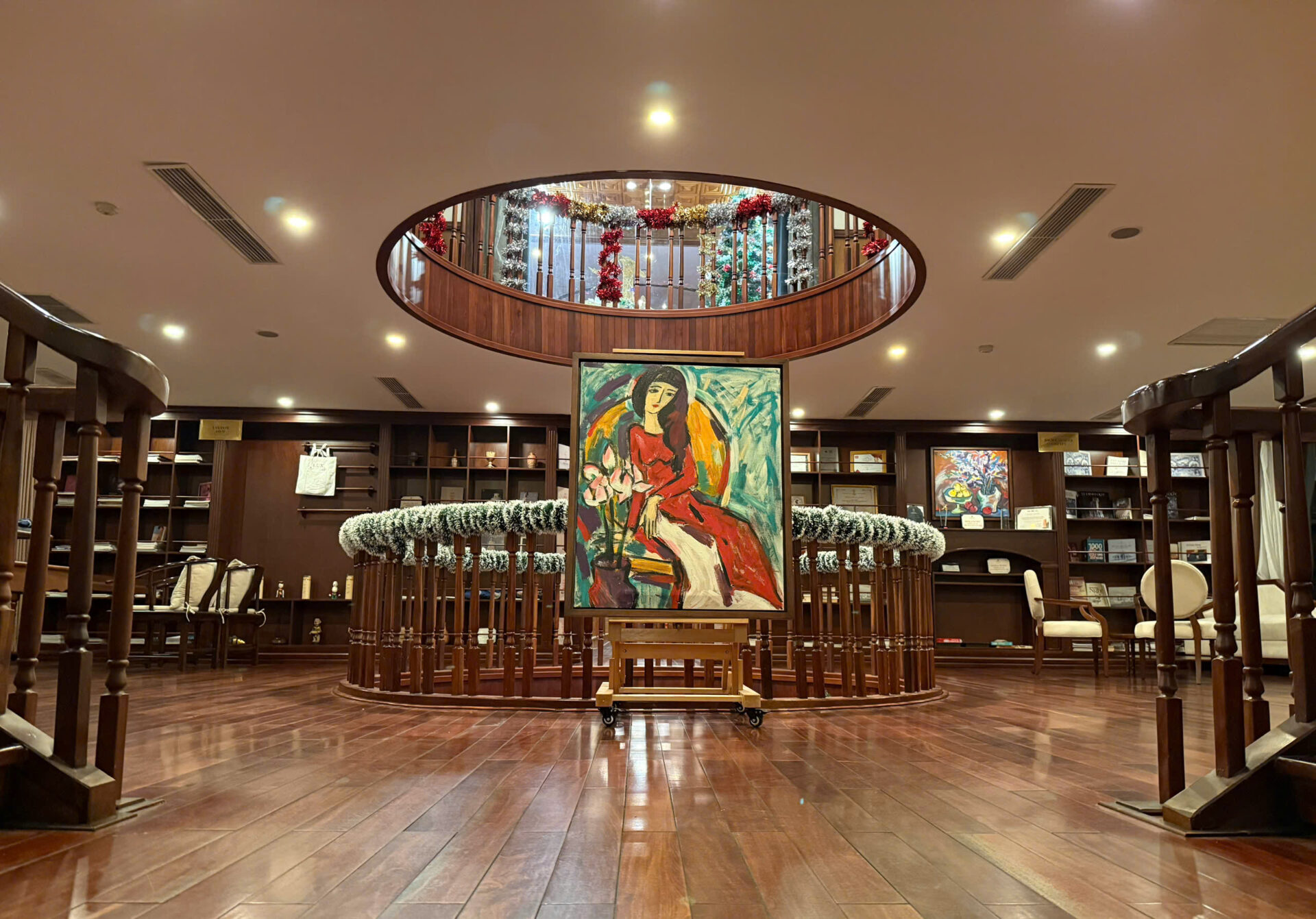
For 2026, Dr. Ha highlights five defining trends: river and river–sea tourism; slow travel and ‘living deeply’; mental and emotional healing journeys; multi-generational travel; and tourism connected to art and living heritage.
“Travel is no longer about where you go,” he says. “It is about who you become after the journey.”
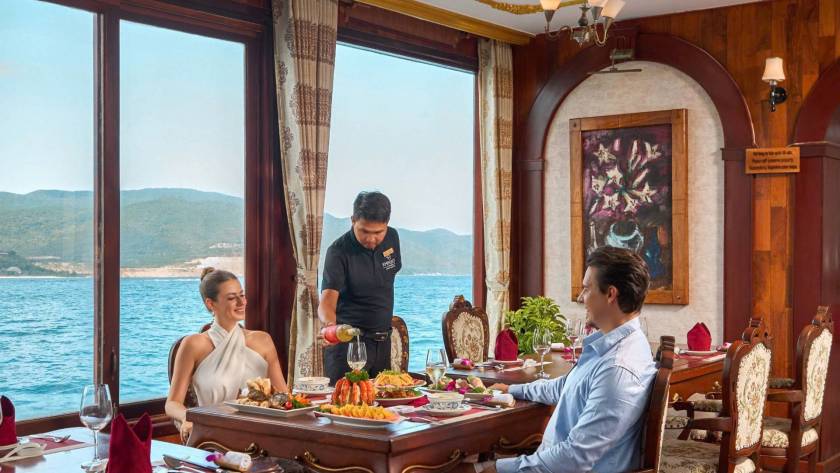
Waterway tourism, in particular, offers a powerful storytelling platform for Vietnam. Rivers and coastal routes allow travelers to experience culture, history, and everyday life in a more continuous and immersive way than land-based itineraries.
LuxGroup’s value-driven strategy
Within this broader context, LuxGroup has chosen a selective growth strategy. In 2025, the group recorded approximately 30% revenue growth in the premium segment, achieved a repeat-guest rate of 35–40%, and invested heavily in human capital through its People First® philosophy while standardizing ESG practices across its ecosystem.
Waterway tourism has emerged as a strategic pillar. Internal surveys show that 70% of LuxGroup’s high-end guests rate river-and-sea experiences as offering superior cultural depth compared to conventional tours.
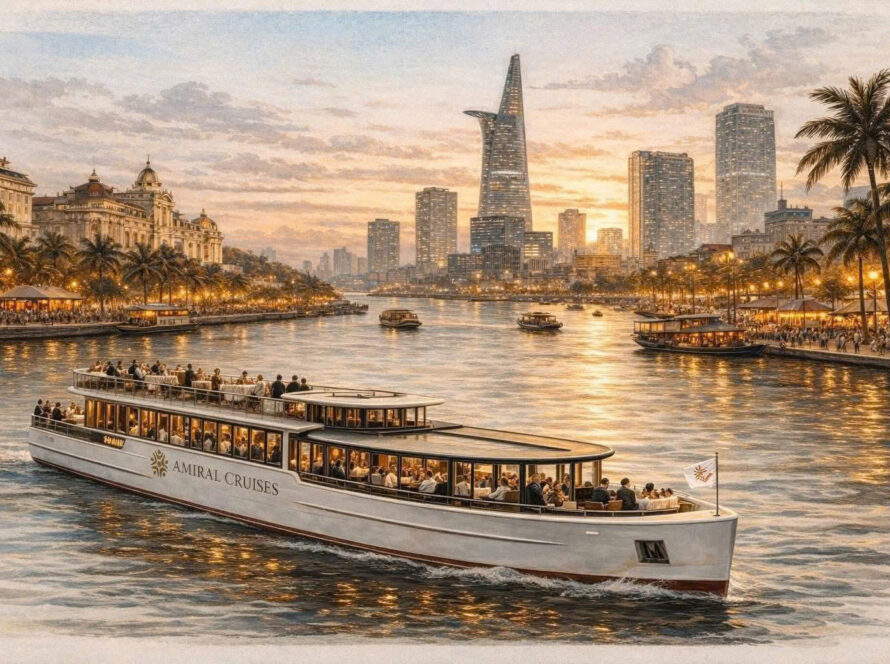
From 2026 onward, LuxGroup plans to focus on premium cultural cruises, heritage–art–wellness journeys, and deeply personalized experiences, including the Amiral Cruises for Presidents project on the Saigon River.
Tourism as national soft power
Ultimately, Dr. Pham Ha believes Vietnam must redefine its national tourism brand around living culture and human values. “Nature, cuisine, and people are all forms of heritage,” he says. “Tourism should become a form of national soft diplomacy.”
He concludes: “Tourism does not only generate revenue. It creates happiness, pride, and a future for a nation. When people are placed at the center, every strategy eventually finds its solution.”