

Where Cultural Heritage Leads Innovation
In 2025, Vietnam did more than recover. It redefined itself.
With nearly 21.2 million international arrivals—surpassing 2019 levels by 17.8 percent—and a record-breaking 2.5 million visitors in January 2026 alone, Vietnam has entered what industry observers call a golden chapter of tourism growth. Yet the real story is not scale. It is strategy.
Vietnam is no longer competing on affordability or postcard scenery. It is repositioning itself as a destination of depth—where heritage, reform, connectivity, and innovation converge into a new model of sustainable, experience-driven tourism.
Beyond Recovery: A Structural Shift
The numbers are impressive. A 20.4 percent year-on-year growth in 2025 places Vietnam among the world’s fastest-growing destinations. Aviation connectivity accounts for over 80 percent of arrivals. Land routes across ASEAN are rebounding strongly. Cruise tourism, though modest in share, is rising steadily.
But beneath the metrics lies a structural transformation.
Vietnam’s tourism sector has moved from a recovery mindset to a growth architecture. Infrastructure upgrades, digital transformation, expanded air routes, and market diversification are no longer temporary measures—they are strategic pillars for long-term resilience.
This is not cyclical recovery. It is systemic repositioning.
A Resilient and Diversified Market Mix
Asia remains the backbone of Vietnam’s inbound market, contributing nearly 80 percent of arrivals. China has rebounded strongly with growth exceeding 40 percent in 2025. South Korea continues to deliver both volume and high spending patterns.
India, expanding by nearly 50 percent year-on-year, reflects Vietnam’s deliberate engagement with emerging middle-class travelers from large-population economies.
Intra-ASEAN mobility is strengthening, supported by proximity, competitive pricing, and regional cooperation. Vietnam increasingly functions both as a standalone destination and as part of multi-country itineraries.
Europe represents high-quality growth. Visitors from Russia, Poland, and Western Europe are staying longer and spending more per capita—signaling a shift toward value rather than volume.
Meanwhile, long-haul markets such as the United States and Australia provide stable expansion, reinforcing a balanced portfolio approach.
This diversification enhances resilience. Vietnam is reducing dependence on any single source market and building a more sustainable tourism ecosystem.
Policy Reform as Competitive Advantage
Policy has become a growth engine.
Vietnam’s increasingly open visa regime—expanded exemptions, multi-entry e-visas, longer stays, and broader entry points—has reduced friction for global travelers. Accessibility is no longer procedural; it is strategic.
Aviation expansion further strengthens this advantage. New direct long-haul routes connect Vietnam more efficiently to North America, Europe, and South Asia. Connectivity has evolved from logistical necessity to national leverage.
Combined with political stability and a reputation for safety, Vietnam offers something increasingly rare in global tourism: predictability and confidence.
In an uncertain world, these attributes matter.
Heritage as the North Star
If policy and infrastructure provide the framework, heritage provides the soul.
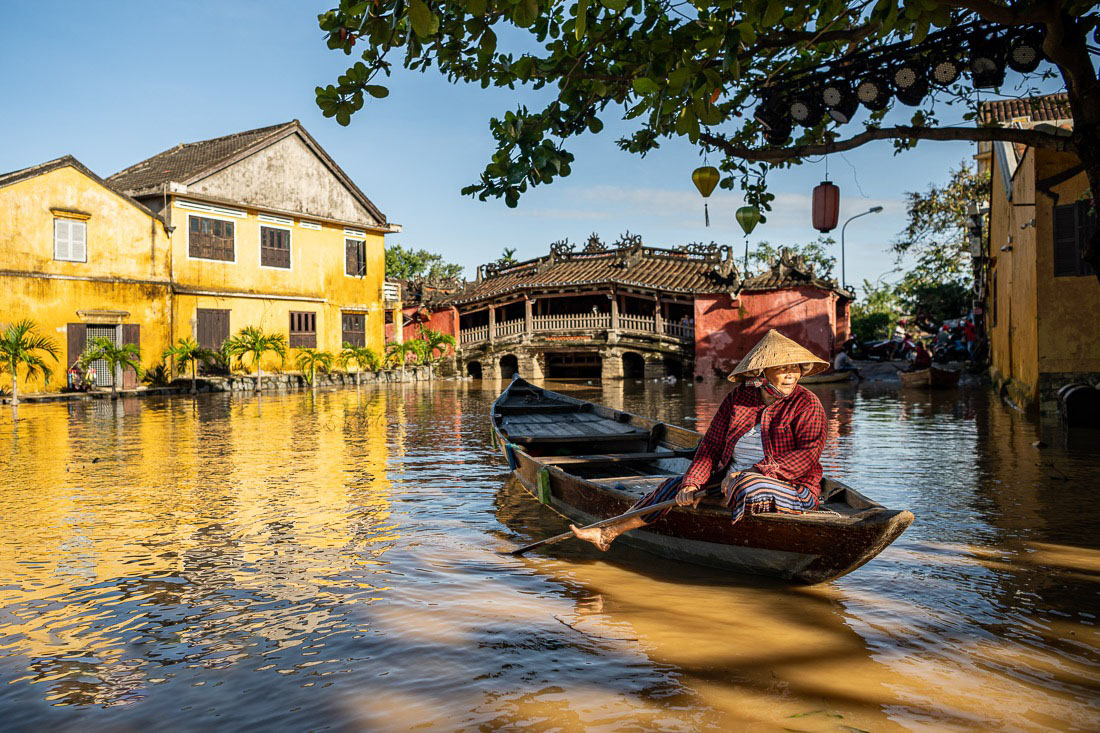
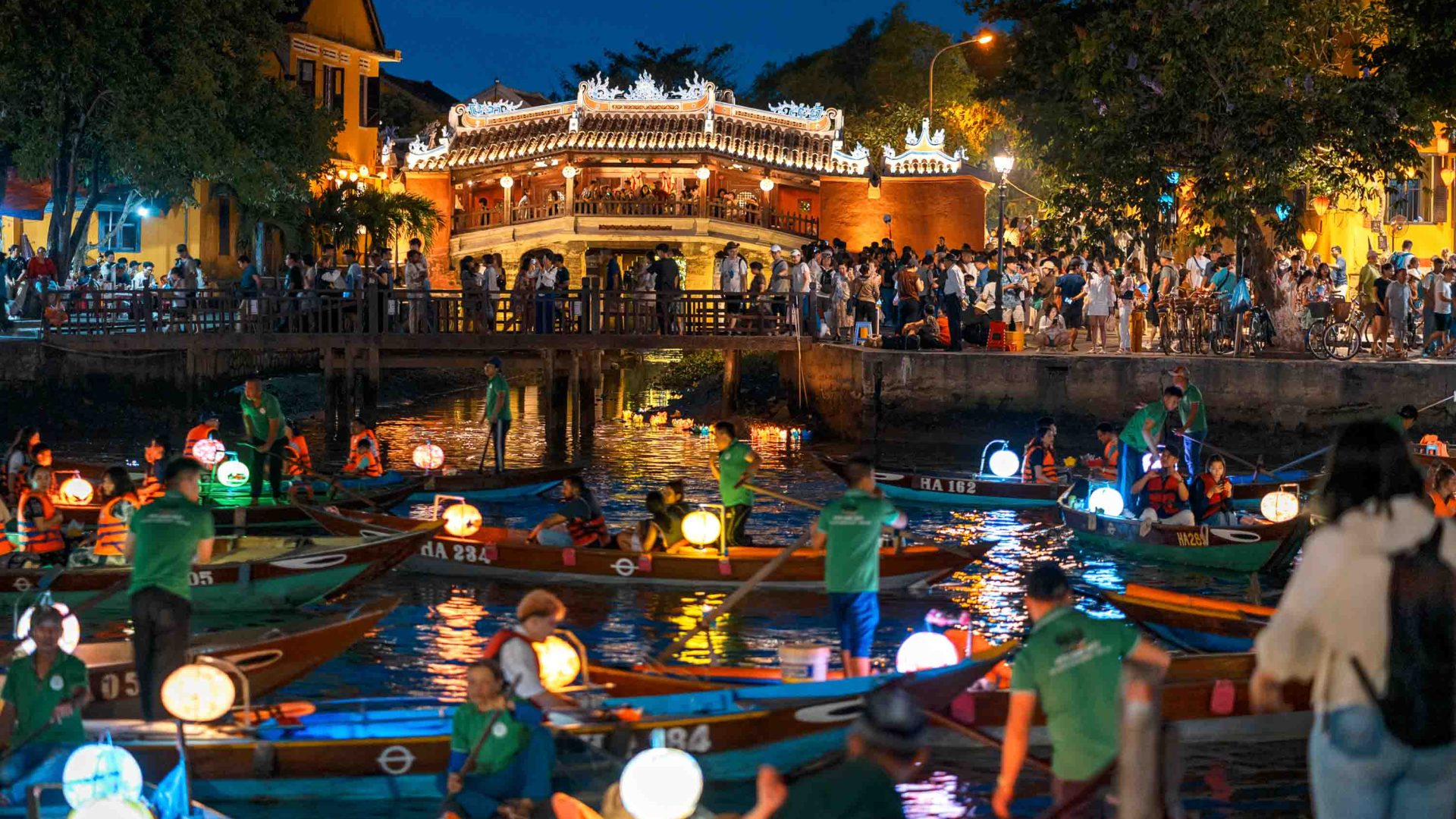
Vietnam’s differentiation lies not in constructed spectacle but in living culture. From the lantern-lit streets of Hội An Ancient Town to the imperial legacy of Imperial City of Huế, from highland ethnic traditions to the maritime narratives of its 3,260-kilometer coastline, Vietnam’s cultural capital is layered and authentic.
The transformation lies in interpretation.
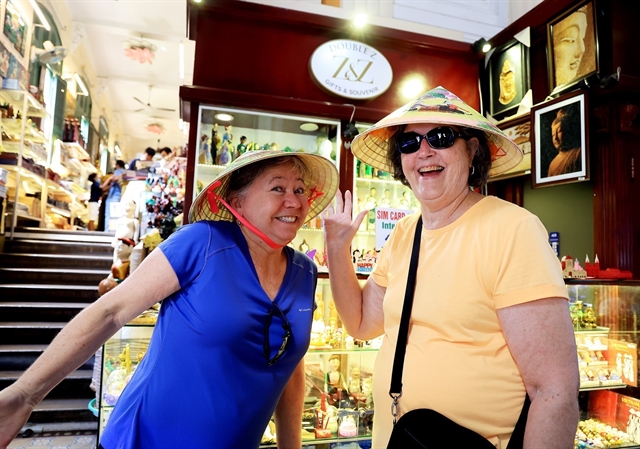
Travelers no longer passively observe monuments. They cook with local families, explore craft villages, sail historic waterways, attend traditional music performances, and engage directly with communities.
Heritage is curated as experience. Storytelling replaces sightseeing. Meaning replaces mere movement.
Innovation Rooted in Identity
Vietnam’s innovation is distinctive because it grows organically from identity rather than imitation.
Emerging growth segments include:
- MICE tourism, supported by modern infrastructure in Hanoi and Ho Chi Minh City.
- Wellness tourism, inspired by traditional healing and holistic practices.
- Golf tourism, expanding with internationally recognized courses.
- Railway tourism, reconnecting travelers with scenic cross-country journeys.
- Film tourism, leveraging Vietnam’s cinematic landscapes.
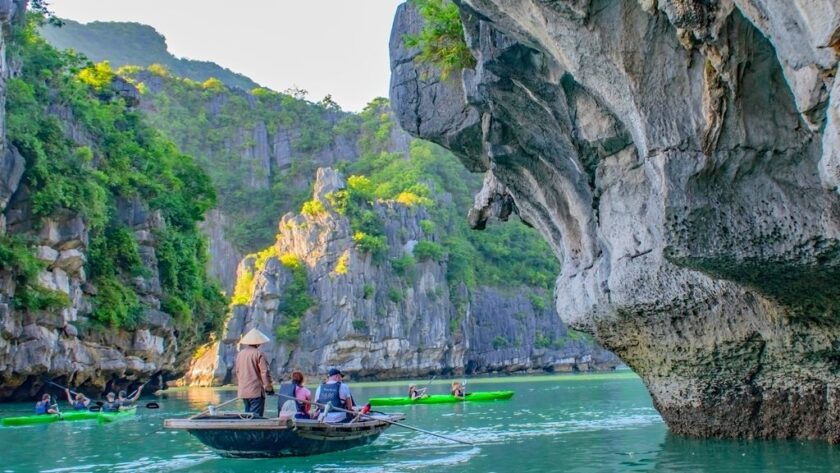
- River and maritime cruising, unlocking the cultural narratives of waterways.
Rather than pursuing large-scale cruise industrialization, Vietnam is cultivating boutique river–sea experiences—intimate, culturally integrated, and sustainability-driven.
This aligns precisely with global demand: fewer crowds, deeper engagement, greater emotional return.
Public–Private Alignment
A defining feature of this new chapter is coordination.
The Vietnam National Authority of Tourism, provincial authorities, and private enterprises are collaborating through a unified National Tourism Promotion Program 2026. Messaging is integrated. Branding is strategic. International outreach is more cohesive.
Tourism is no longer seen merely as an industry. It is a national brand instrument.
Private enterprises—from boutique hoteliers to cruise operators and destination management companies—are elevating service standards and premium experience design. The ecosystem is maturing.
Sustainability as Strategy
Sustainability is no longer optional. It is central.
Vietnam’s tourism industry increasingly integrates ESG principles: green-certified accommodations, waste-reduction initiatives, renewable energy adoption, and community-based tourism models.
River ecosystems, coastal environments, and national parks are positioned not only as attractions but as assets requiring stewardship.
High-value travelers today seek destinations that protect what they promote. Vietnam’s challenge—and opportunity—is to ensure growth enhances rather than erodes authenticity.
From Being Discovered to Being Chosen
The target of 25 million international visitors in 2026 reflects ambition backed by momentum. Yet the deeper objective is leadership.
Vietnam is not merely scaling tourism; it is redefining it.
It is moving from being discovered to being deliberately chosen.
In a global tourism landscape shaped by climate consciousness, digital fatigue, and post-pandemic introspection, destinations that will thrive are those balancing scale with soul, growth with governance, and innovation with identity.
Vietnam—with its rivers and coastlines, its imperial memories and contemporary creativity, its cuisine and craftsmanship—stands at that intersection.
The breakthrough is not accidental. It is strategic.
And if current momentum continues, Vietnam may not only define a new chapter in its own rise—but set a new benchmark for heritage-led tourism across Asia.