

For decades, the world’s ultra-wealthy have spent millions—sometimes tens of millions—of dollars on art. To some, it is an investment hedge. To others, a declaration of taste and status. Yet today, a deeper motivation is reshaping how art is collected and experienced: the desire to live with art, to let it tell stories, and to transform wealth into cultural memory.
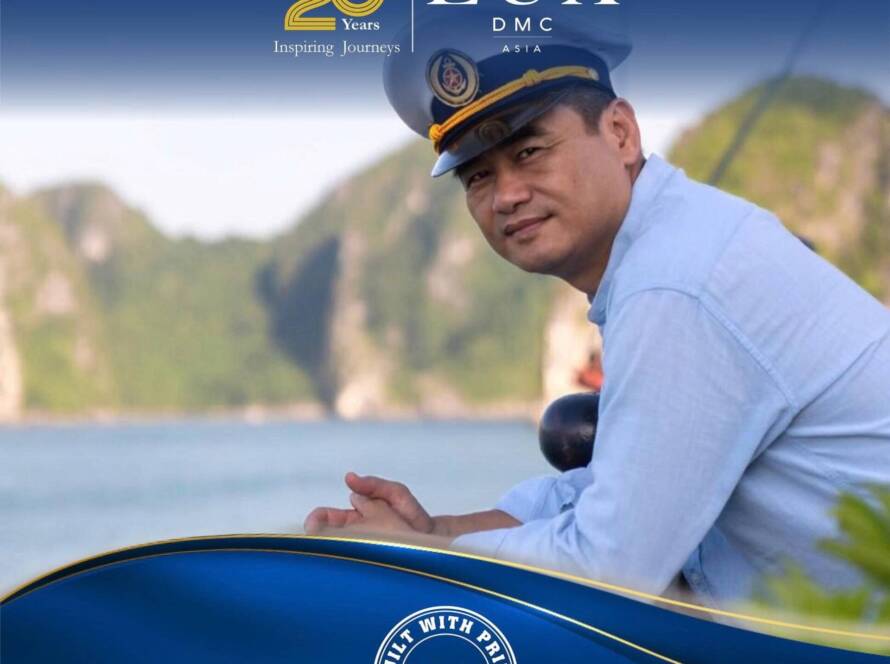
In Vietnam, one entrepreneur has taken this idea further than anywhere else in the region. Phạm Hà, Founding President & CEO of LuxGroup, is not only a collector of Vietnamese art—he is the first to bring fine art aboard luxury cruise ships, turning rivers and seas into moving galleries that tell the story of Vietnam.
When Art Is No Longer Meant to Stand Still
Traditionally, art collecting has revolved around private residences, vaults, and museums. Art was something to be protected, displayed, and occasionally traded. But among mature collectors—those who have already achieved financial security—art is increasingly seen as something more intimate: a companion to daily life, a source of reflection, and a keeper of meaning.
“Some artworks do not generate quick financial returns,” Phạm Hà reflects, “but they generate emotion every single day. And in the long run, emotion is the most enduring form of value.”
This philosophy underpins his personal collection, which includes a significant body of works by Phạm Lực, one of Vietnam’s most important painters of war, peace, and humanity. Rather than confining these works to private walls, Phạm Hà made a radical decision: to let Vietnamese art travel—on water.
The Yacht as a Living, Breathing Gallery
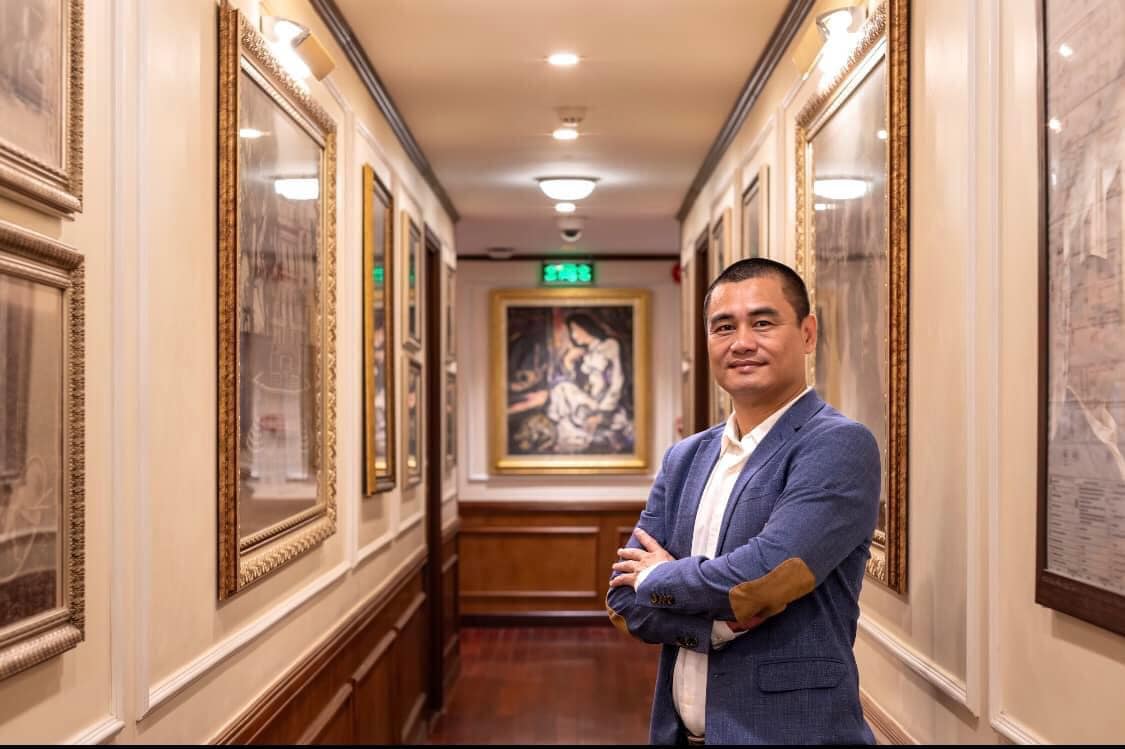
Aboard LuxGroup’s boutique cruise vessels, paintings are not decorative afterthoughts. They are curated with intention, contextualized through storytelling, and placed in dialogue with light, wood, water, and movement. The ship itself becomes a narrative space.
A wartime painting may hang in a quiet lounge as the vessel glides toward the open sea, inviting contemplation of history and resilience. A gentle nude—distinctly Vietnamese in its restraint and humanity—may sit within a sunlit salon, reminding guests that Vietnamese aesthetics value depth over display, emotion over excess.
“The ship doesn’t just carry passengers,” Phạm Hà often says. “It carries memory. Art gives that memory a voice.”
Why the World’s Wealthiest Are Turning to Indigenous Art
Globally, there is a clear shift among collectors toward indigenous and culturally rooted art—from Africa and the Middle East to Asia. As wealth matures, so does the desire for identity. Collectors no longer seek only globally recognized names; they seek works that anchor them to history, place, and cultural lineage.
Displaying Vietnamese art on the Saigon River or along Vietnam’s coastal waterways transforms collecting into a subtle form of cultural diplomacy. It is not about spectacle. It is about soft power, where culture speaks quietly—but endures.
In this context, art becomes more than an asset. It becomes a statement: This is who we are. This is what we choose to preserve.
Redefining Luxury Through Meaning
In a post-logo, post-excess era, luxury is being redefined. True distinction no longer lies in price tags or brand recognition, but in depth of understanding, authenticity, and respect for local culture.
A million-dollar painting in a penthouse may impress.
But a Vietnamese artwork, thoughtfully placed aboard a ship that tells the story of a nation through movement, silence, and water, offers something rarer: meaningful luxury.
It is luxury that trusts intelligence over extravagance, and storytelling over display.
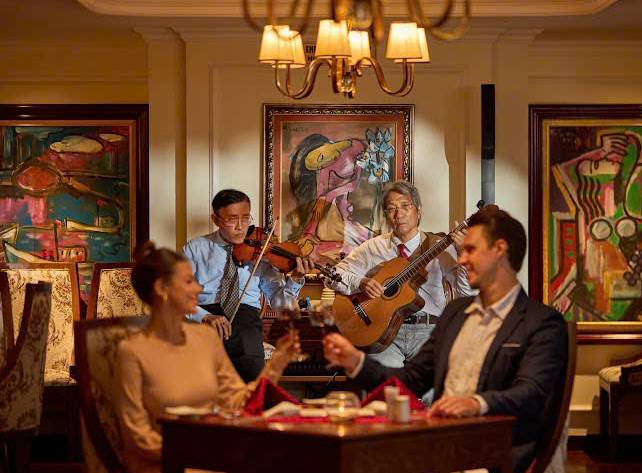
Amiral Cruises: Where Art, Performance, and Water Converge
This philosophy reaches its most immersive expression aboard Amiral Cruises, LuxGroup’s flagship luxury river–sea cruise concept. Here, art does not merely hang on walls—it breathes with the river.
On select evenings, the Saigon River itself becomes a stage through a site-specific, open-air performance—an exclusive thực cảnh (real-scene) art show conceived for the water. Performed aboard and around a floating cruise platform, the show blends live music, minimalist movement, light, silence, and reflection on water. There is no fixed proscenium, no separation between audience and environment. The river flows, the vessel glides, and art unfolds in real time.
For luxury travelers, this is not entertainment in the conventional sense. It is an ephemeral cultural encounter, experienced only in that moment, on that stretch of river, aboard that vessel. The air, the current, the night breeze, and the gentle motion of the cruise all become part of the artwork itself.
In this setting, Amiral Cruises is not just a mode of travel—it is a curated creative place, floating and alive, designed for guests who value exclusivity not as access, but as depth.
Art as Legacy, Not Just Investment
For collectors like Phạm Hà, art is not the culmination of wealth—it is the transition from success to stewardship. By integrating art into travel, hospitality, and lived experience, he reframes collecting as an act of service: to culture, to memory, and to future generations.
This, perhaps, is the deepest reason the ultra-wealthy continue to invest in art. Not merely to own beauty—but to leave behind a way of seeing the world.
And when art sails on rivers and seas, it does more than decorate a journey.
It reminds us that civilizations, like great stories, have always moved by water.