

By Dr. Phạm Hà, Founding President & CEO, LuxGroup®
In the 21st century, the most valuable economies are no longer built on what nations extract, but on what they express.
For decades, heritage has been treated primarily as something to preserve—archived in museums, celebrated in festivals, and safeguarded as collective memory. This was necessary. Without preservation, identity dissolves. But preservation alone does not generate value. It keeps heritage static, confined to the past.
Today, the global economy has entered a new phase—one where value is increasingly created through culture, experience, and identity. The defining question is no longer how much heritage a country possesses, but how effectively it can transform that heritage into compelling narratives and meaningful experiences that people are willing to pay for.
This is where heritage must be redefined—not as memory, but as capital.
Heritage as Content Capital
At LuxGroup®, we approach heritage as “content capital”—a renewable, scalable resource that, when activated, can generate both economic value and cultural influence.
Cultural industries are, in essence, systems that convert this capital into products, services, and experiences. They transform memory into meaning—and meaning into market value.
But this transformation requires more than creativity. It demands structure. At LuxGroup®, we operationalize this through a three-stage framework: aesthetic translation, experience design, and content industrialization.
Stage One: Translating Heritage for a Global Present
Heritage cannot be exported in its original form. It must be translated.
This is not replication—it is reinterpretation. It is the art of preserving essence while evolving form. Traditional motifs become contemporary design language. Folk narratives are reframed for global audiences. Indigenous materials inspire modern architecture and hospitality.
This philosophy is embodied across LuxGroup®’s three signature cruise brands:
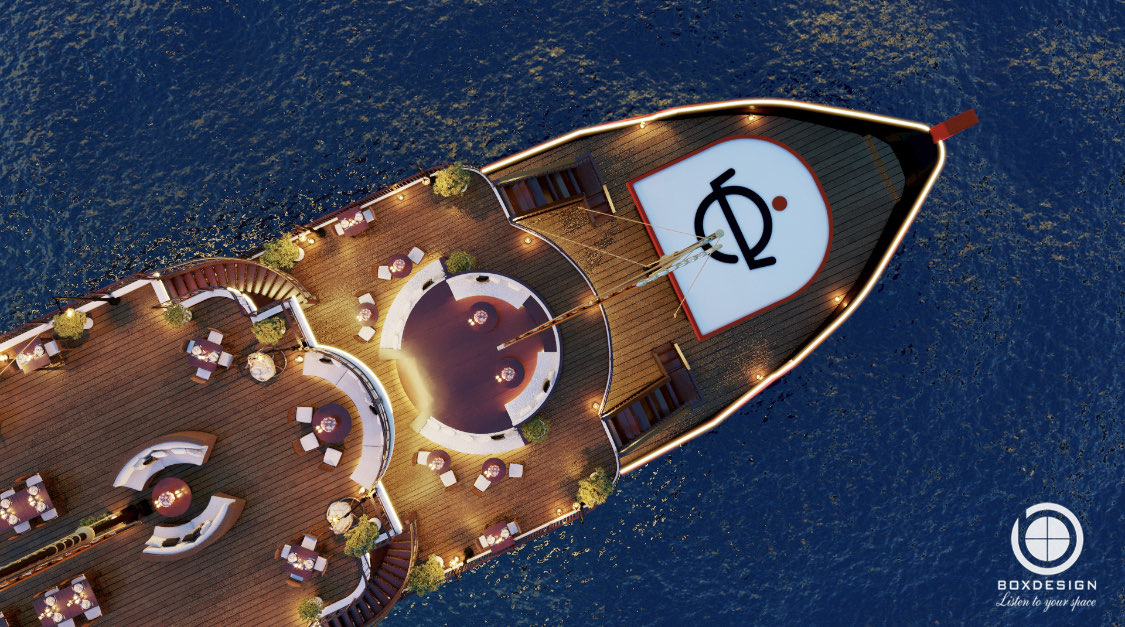
* Emperor Cruises reimagines the world of Bảo Đại, Vietnam’s last emperor, translating the elegance of imperial life into a modern expression of refined luxury. It is not nostalgia—it is a contemporary interpretation of cultural sophistication.
* Heritage Cruises draws inspiration from Bạch Thái Bưởi, a pioneering entrepreneur who symbolized Vietnam’s early industrial ambition. His story becomes a narrative of resilience, innovation, and national pride—reframed for today’s global traveler.
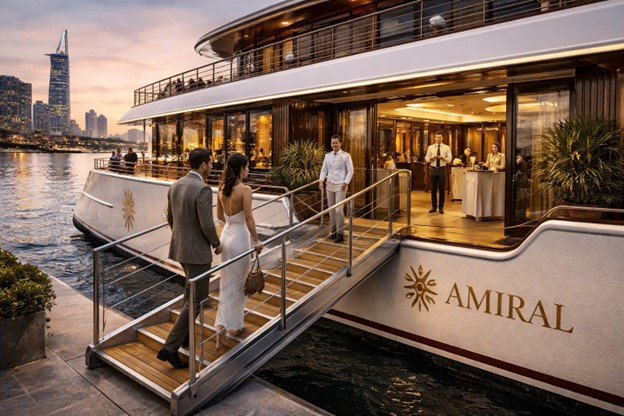
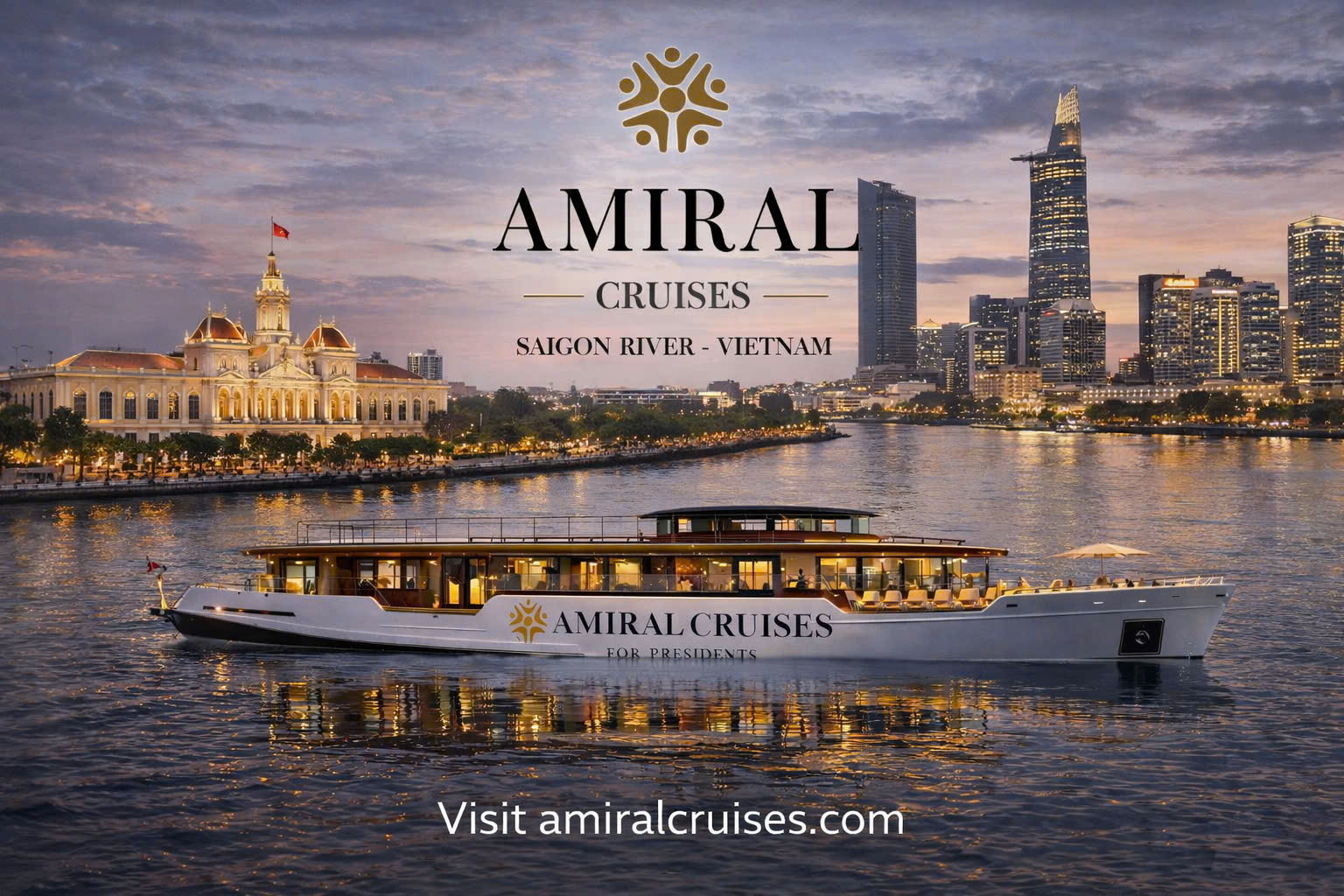
* Amiral Cruises for Presidents anchors itself in one of the most symbolic moments in modern Vietnamese history—the 1911 departure of Nguyễn Tất Thành from Nhà Rồng Wharf. Here, heritage is not static history; it becomes a living story of aspiration, movement, and global connection.
Across these brands, heritage is not displayed. It is designed.
Stage Two: Engineering Meaningful Experiences
In today’s economy, consumers no longer pay for products alone. They pay for experiences—especially those that create emotional resonance and personal meaning.
This requires a fundamental shift: from showcasing heritage to staging it.
At LuxGroup®, every journey is engineered as a narrative arc—structured like a cinematic experience:
Discovery → Immersion → Connection → Reflection → Memory
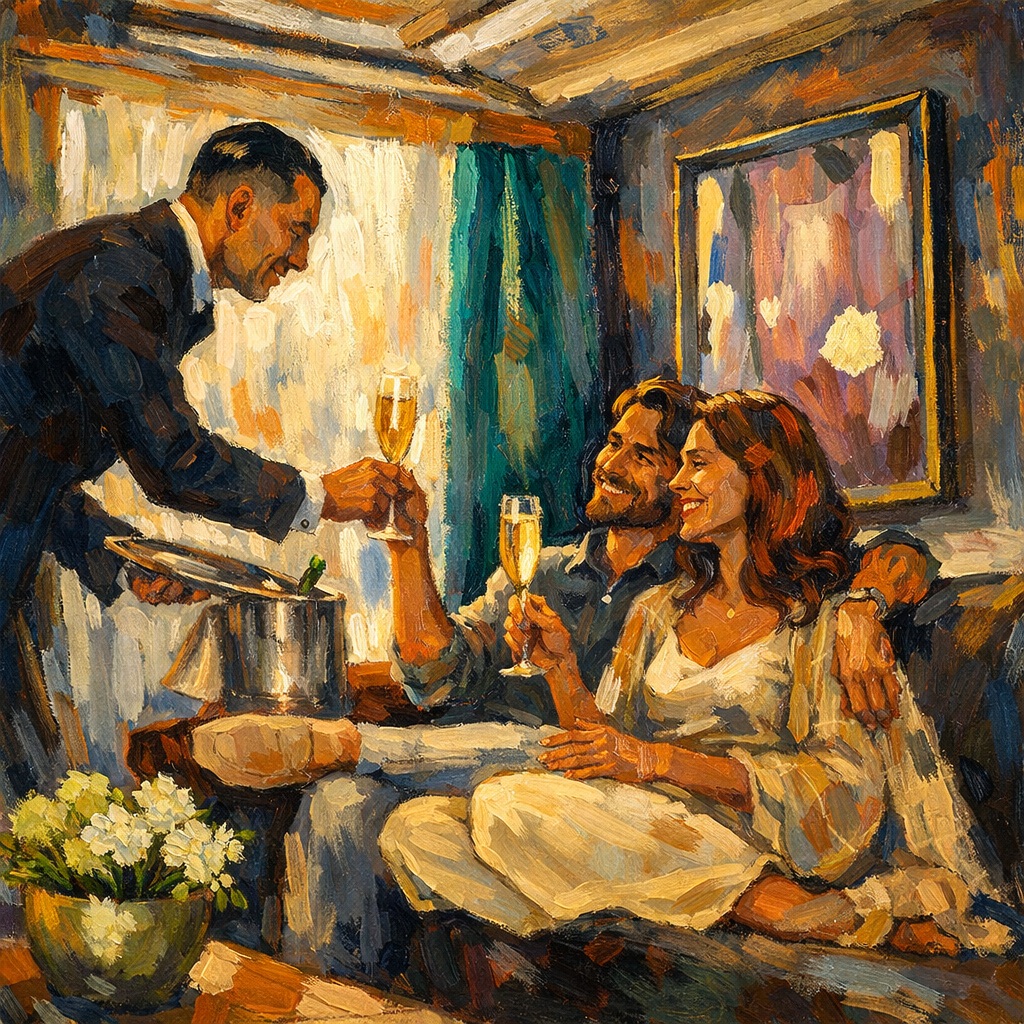
On Emperor Cruises, fine dining becomes a form of storytelling, rooted in imperial traditions yet presented through contemporary culinary artistry. On Heritage Cruises, guests engage with the spirit of early Vietnamese entrepreneurship, connecting history with human ambition. With Amiral Cruises for Presidents, the Sài Gòn River transforms into a living cultural stage—where urban energy, memory, and modernity converge.
These are not itineraries. They are emotional architectures.
They create not only connections between travelers and destinations, but also between people themselves—through shared narratives, shared spaces, and shared moments of discovery.
Stage Three: Scaling Through Content and Intellectual Property
In a connected world, the true power of experience lies in its ability to scale beyond the moment.
Every curated journey within LuxGroup® is designed as an intellectual property—a story that can extend into multiple formats: film, digital media, publishing, and immersive performances.
A cruise becomes a narrative platform.
A performance becomes a cultural asset.
A destination becomes a globally shareable story.
This is how heritage transcends geography.
It is no longer confined to a location. It becomes part of the global cultural conversation.
From Value Chain to Cultural Value System
For heritage to generate sustainable economic impact, it must move beyond isolated experiences and enter a fully integrated value system—where creativity, design, branding, distribution, and storytelling are seamlessly connected.
Vietnam possesses extraordinary cultural wealth. Its rivers, cuisine, music, and craftsmanship form a rich and diverse heritage base. The challenge is not scarcity—but structure.
At LuxGroup®, we are building that structure.
Through an integrated ecosystem spanning luxury travel, hospitality, performing arts, and content creation, we are transforming fragmented cultural assets into a coherent, scalable cultural industry platform.
This is not about operating tours.
It is about orchestrating a system of value creation.
A Strategic Path for Vietnam
Globally, the most successful cultural economies—from South Korea’s entertainment industry to Japan’s creative exports and Italy’s design legacy—share one common trait: they convert cultural identity into competitive advantage.
Vietnam now stands at a similar inflection point.
It can continue to compete within global value chains as a producer, or it can evolve into a creator—leveraging culture, creativity, and identity as core economic drivers.
Heritage, when activated, offers a pathway to this transformation.
Beyond GDP: Cultural Confidence as National Power
The impact of heritage extends far beyond economic metrics.
It shapes how a nation sees itself—and how it is seen by the world. It builds cultural confidence, strengthens identity, and elevates national positioning.
A country that understands its own story—and can express it compellingly—does not merely participate in globalization. It influences it.
In this sense, heritage is not a relic of the past. It is a strategic asset for the future.
A Living Civilization in Motion
At LuxGroup®, our ambition is clear: to transform Vietnam’s 4,000-year riverine civilization into a living, moving, and monetizable cultural experience for the world.
Through Emperor Cruises, Heritage Cruises, and Amiral Cruises for Presidents, we are not simply creating journeys—we are building a cultural engine.
One that connects past with present.
One that connects people with people.
And one that positions Vietnam not just as a destination—but as a storyteller on the global stage.
Because ultimately, the true value of heritage lies not in what we preserve, but in what we create from it.
And when heritage becomes capital, culture becomes power.