


Lessons from Module 4 of Harvard Business School Online’s Sustainable Investing Course
Dr. Pham Ha – Founding President and CEO, LuxGroup®—A Group of Small Giants
One morning in Lan Ha Bay, guests wake among hundreds of limestone islands, enjoy Vietnamese cuisine, hear the story of entrepreneur Bach Thai Buoi, and discover Vietnamese art aboard Heritage Cruises Binh Chuan®. The experience can generate revenue, create employment, strengthen cultural pride, and leave guests with enduring memories. But does it produce lasting positive impact for the community and the environment?
That is the central question of impact management and measurement.
For years, tourism businesses have reported visitor numbers, revenue, jobs created, or trees planted. These figures are necessary, but they are insufficient. They describe activities and immediate results without proving that communities became more prosperous, cultural heritage was better protected, or natural ecosystems were restored.
The central lesson from Module 4 of Sustainable Investing is straightforward: good intentions do not automatically produce positive impact. To become a net-positive company, LuxGroup must move beyond telling sustainability stories toward managing, measuring, and accepting responsibility for real-world outcomes.
From ESG Commitments to Impact Management
Impact management can be understood as a four-step process:
- Define impact objectives and appropriate metrics.
- Deliver and measure the intended impact.
- Evaluate both financial and impact performance.
- Ensure that impact remains measurable and sustainable when a project ends, ownership changes, or an investment is exited.
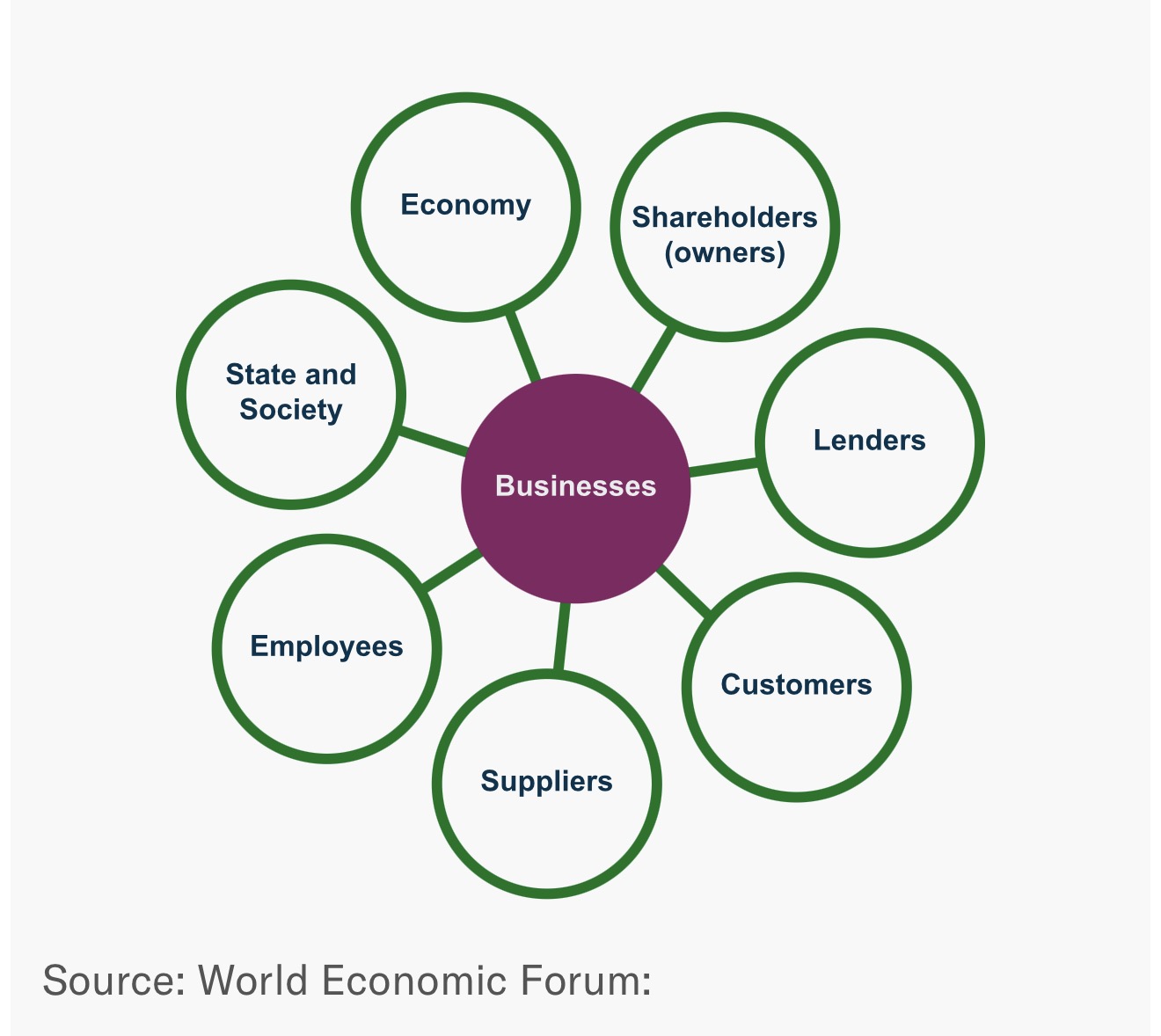
For LuxGroup, the Net Positive 2030 ambition must therefore be translated into specific outcomes. Rather than simply promising “responsible tourism,” the group should define whom it intends to benefit, what problems it seeks to address, where change should occur, and how much improvement it expects to create.
These objectives could be organised around five pillars: People, Planet, Place, Prosperity, and Partnership.
People would focus on the happiness, capabilities, and livelihoods of employees, guides, artisans, and residents. Planet would cover emissions, energy, water, waste, and biodiversity. Place would address cultural identity, heritage, and destination stewardship. Prosperity would measure how much economic value remains within local communities. Partnership would assess the quality of collaboration with suppliers, residents, associations, and public authorities.
Delivering Happiness® would consequently become more than a brand philosophy. It would become a management system with defined objectives, indicators, ownership, and accountability.
Building LuxGroup’s Impact Logic Chain
Module 4 introduces a five-stage impact logic chain:
Input → Activity → Output → Outcome → Impact
Consider how this framework could be applied to Heritage Cruises Binh Chuan®.
Inputs include investment capital, vessels, employees, training time, technology, relationships with artists, and community partnerships.
Activities are the actions LuxGroup undertakes: recruiting and training local people, purchasing from Vietnamese suppliers, interpreting Vietnamese art and history, reducing single-use plastics, managing energy and water, and designing culturally responsible journeys.
Outputs are the immediate and tangible results: guests served, employees trained, artists represented, contracts awarded to local suppliers, cultural programmes organised, or waste separated for recycling.
Outcomes are the changes experienced by people or the environment: suppliers earn more income, employees gain promotion opportunities, guests better understand Vietnamese heritage, fuel consumption per guest declines, or less waste enters the environment.
Impact refers to longer-term change: cultural heritage is preserved, local livelihoods become more resilient, destination ecosystems improve, and Vietnamese luxury tourism moves from consuming resources to regenerating value.
These distinctions matter. “Serving 50,000 guests” is an output. “Improving guests’ understanding and responsible behaviour” is an outcome. “Contributing to the long-term preservation of heritage and ecosystems” is impact.
Additionality: What Did LuxGroup Actually Add?
A more difficult question concerns additionality: what happened specifically because LuxGroup intervened?
If a local supplier was already growing rapidly and could easily sell to other tourism companies, LuxGroup cannot claim all the resulting growth. However, if the group trains an artisan, supports product development, signs a long-term agreement, and introduces that artisan’s work to international travellers, its additional contribution becomes clearer.
Similarly, displaying Vietnamese paintings aboard a cruise vessel is an output. If the initiative gives artists access to new audiences, generates income, improves public understanding, and strengthens cultural pride, it produces outcomes. Would these results have occurred at the same scale without LuxGroup’s platform? That counterfactual question helps determine additionality.
LuxGroup should therefore avoid claiming sole credit. Artists, employees, communities, public authorities, partners, and guests all participate in creating impact. Credible reporting should explain LuxGroup’s contribution while recognising the roles of others.
Measuring What Matters, Not Only What Is Easy
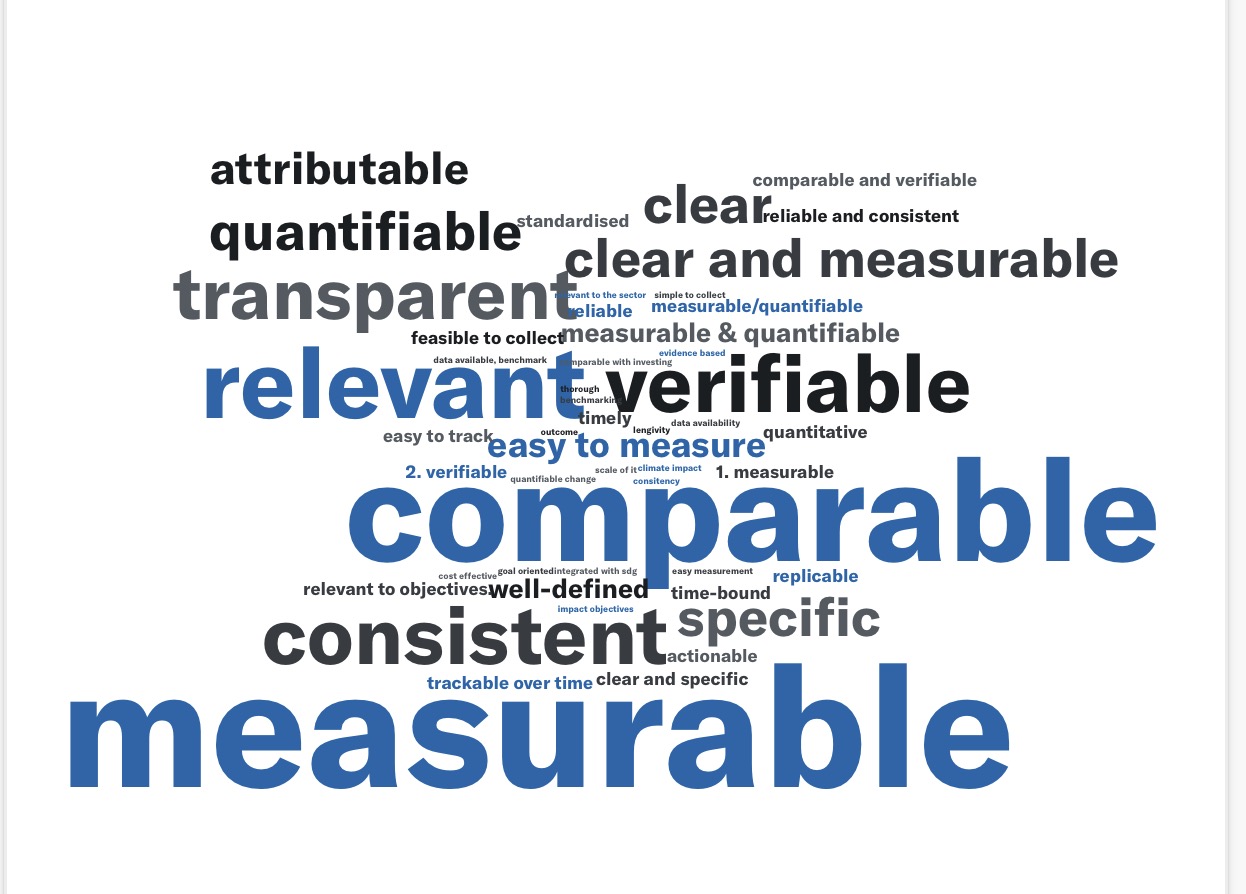
An effective measurement system balances rigour with practicality. LuxGroup could create an impact dashboard containing a limited number of financially and socially material indicators:
- Carbon emissions per guest or guest night.
- Fuel, electricity, and water consumption per guest.
- Percentage of waste avoided, reused, or recycled.
- Percentage of procurement from local businesses.
- Economic value retained within local communities.
- Percentage of local employees and women in management.
- Employee income, engagement, retention, and advancement.
- Number of artists, artisans, and heritage stories represented.
- Change in guests’ cultural knowledge before and after an experience.
- Community satisfaction with tourism operations.
Lux Travel DMC Asia’s Travelife Certified status, achieved on 25 February 2025, provides an important foundation. Certification, however, should be regarded as a starting point rather than the final destination. Its real value lies in converting standards into recurring management data and verifiable performance improvements.
Lean Data: Listening to Guests and Communities
Not every impact question requires an expensive academic study. Lean Data offers a rapid and practical method for learning directly from customers and beneficiaries.
Following a journey, LuxGroup could ask guests:
- Do you understand Vietnamese culture better after this experience?
- Has the journey changed how you think about responsible travel?
- Which activity created the greatest cultural or social value?
- Where did the experience fall short of its sustainability promise?
- Would you choose or pay more for a demonstrably net-positive experience?
The group should also ask employees, suppliers, and communities whether working with LuxGroup improved their income, skills, business opportunities, or quality of life.
Lean Data is affordable, actionable, and particularly suitable for evolving tourism products. Yet it cannot prove causality. Respondents may be biased, samples may not be representative, and question wording may influence answers. LuxGroup should therefore combine surveys with operational records, independent interviews, pre-post comparisons, and control groups when stronger evidence is warranted.
The required level of evidence should depend on the importance of the decision. A pilot cultural experience might only require Lean Data. A major claim that a cruise operation has restored an ecosystem or lifted a community out of poverty would require much more rigorous evidence.
Moving Toward Impact-Weighted Accounts
A further step is to connect ESG performance with accounting. Conventional financial statements record revenue, expenses, assets, and profit but rarely capture the full value—or cost—a company creates for society.
LuxGroup could experiment with an annual “Profit and Impact Statement” alongside its financial accounts. It might estimate:
- Income generated for local workers and suppliers.
- Value of procurement retained within Vietnam.
- Social cost associated with carbon emissions.
- Value of emissions avoided or reduced.
- Value created through employee training.
- Economic contribution of cultural preservation and interpretation.
- Environmental costs of water, waste, and ecosystem pressure.
Monetising impact will never be perfect. Nevertheless, as with the Rise Fund’s Impact Multiple of Money, the purpose is not to produce an indisputably correct figure. The purpose is to make managers disaggregate impact drivers, reveal their assumptions, and incorporate impact into capital allocation.
A new project should therefore be assessed not only through revenue, EBITDA, payback period, and internal rate of return. Management should also ask: how much social and environmental value will this project create for every dollar invested?
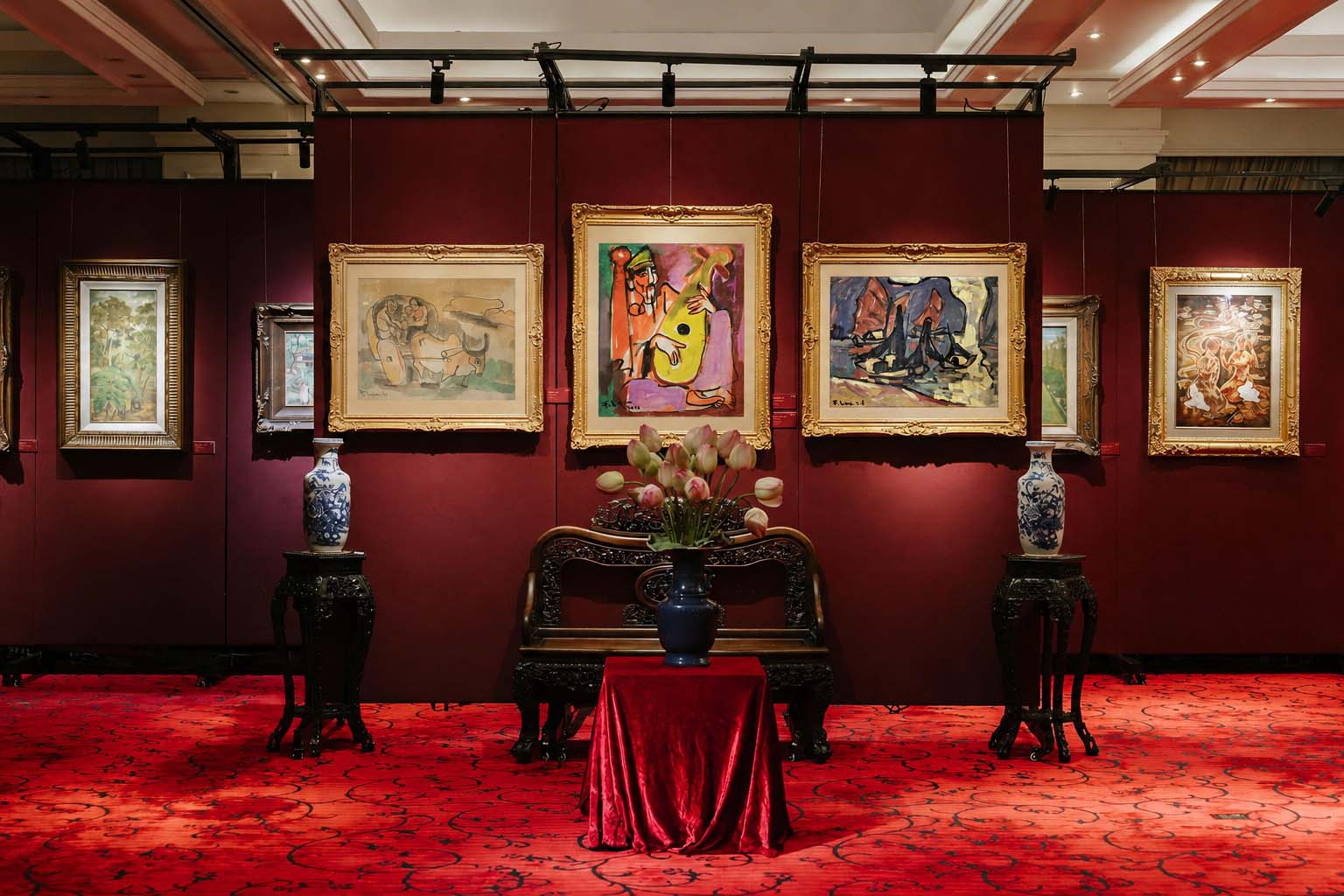
Turning “Luxury Is Culture®” into Competitive Advantage
Robust ESG disclosure can become a source of competitive advantage. It can help LuxGroup build trust, attract talent, engage long-term investors, reduce regulatory and operational risk, strengthen destination relationships, and differentiate its brands from businesses relying on unsubstantiated sustainability claims.
The greatest advantage, however, comes from using impact information to make better decisions.
If a journey produces attractive financial returns, increases local income, deepens cultural understanding, and reduces emissions, LuxGroup has evidence to expand it. If an activity tells an appealing story but generates little meaningful change, it should be redesigned or discontinued.
Each LuxGroup business unit should establish its own impact logic chain and focused dashboard. Management should review the results quarterly, while group leadership should conduct an annual impact review. Material claims should eventually receive independent verification. A proportion of management incentives should also be connected to impact performance alongside financial targets.
“Luxury Is Culture®” can then advance from telling cultural stories to investing in culture, measuring cultural value, and demonstrating that heritage can generate sustainable prosperity.
Accounting for What We Truly Value
John Maynard Keynes is often credited with observing, “It is better to be roughly right than precisely wrong.”
Impact measurement will always involve assumptions, limitations, and uncertainty. But imperfection is not a reason to avoid measurement. The greater danger is claiming impact without defining objectives, collecting evidence, or accepting accountability.
LuxGroup describes itself as a “House of Small Giants”—a collection of businesses that do not necessarily seek to become the biggest, but aspire to become the best in their fields. Its next challenge is to demonstrate that “best” is measured not only through revenue, awards, or guest numbers, but also through the lasting value created for people, the planet, places, and Vietnamese heritage.
When happiness, culture, and impact are measured alongside profit, Net Positive 2030 will no longer be merely an aspiration. It will become a management strategy, an investment discipline, and a legacy that can be verified.