

Why People, Not Ships, Are the Real Engine of Growth
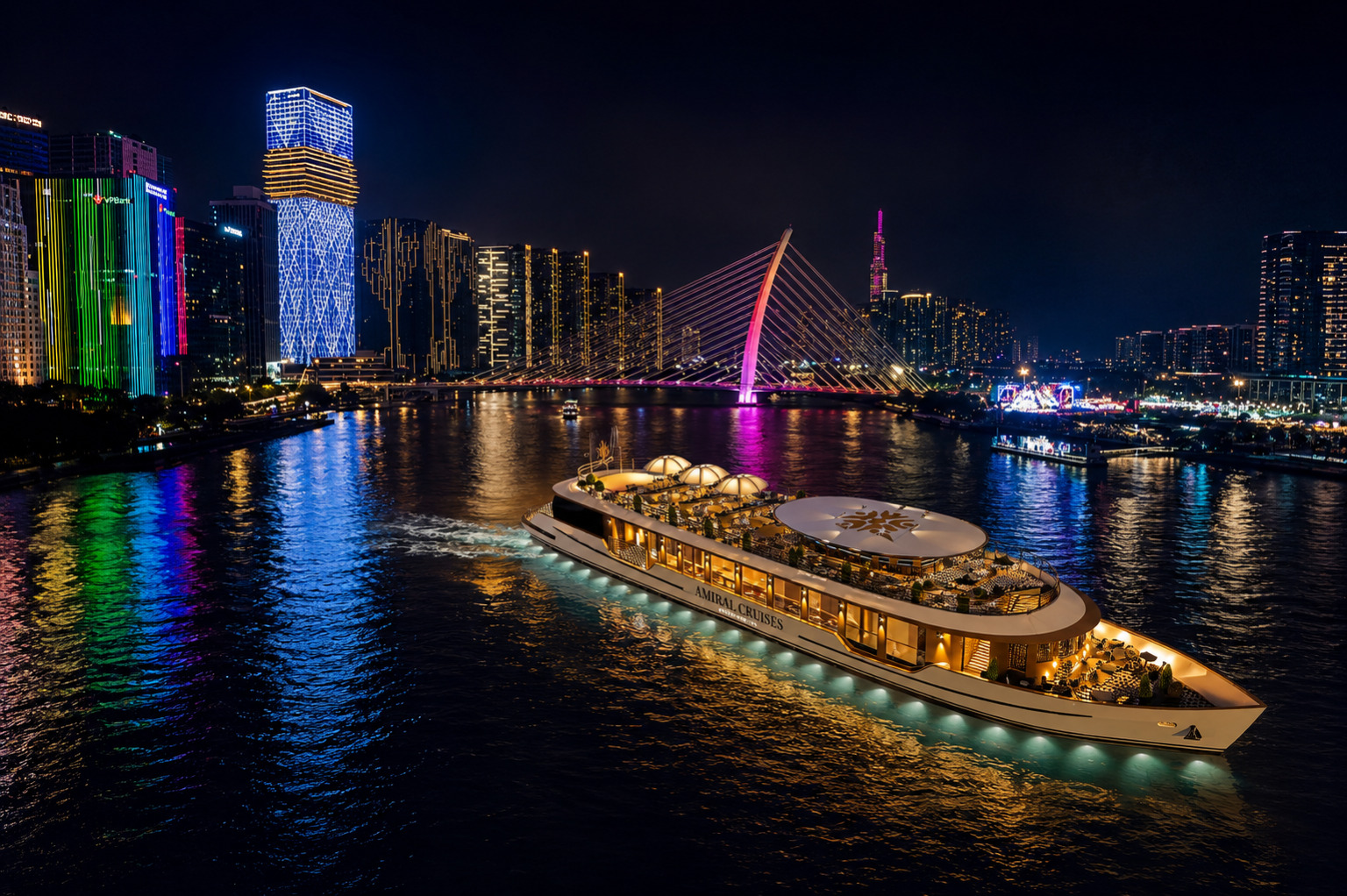
When LuxGroup officially launched Amiral Cruises for Presidents® on the Saigon River on June 5, 2026, the event marked far more than the debut of a new cruise brand.
It represented the company’s first major expansion into Southern Vietnam’s river cruise market after years of building acclaimed luxury cruise brands in the North. Yet behind the elegant Art Deco design, heritage-inspired storytelling, and ambitious investment plans lies a less visible challenge—one that may ultimately determine the project’s success.
The challenge is people.
As Vietnam’s tourism industry evolves from volume-driven growth to experience-led value creation, human capital has become the defining competitive advantage. For luxury travel companies, exceptional service can no longer be viewed as a support function. It is the product itself.
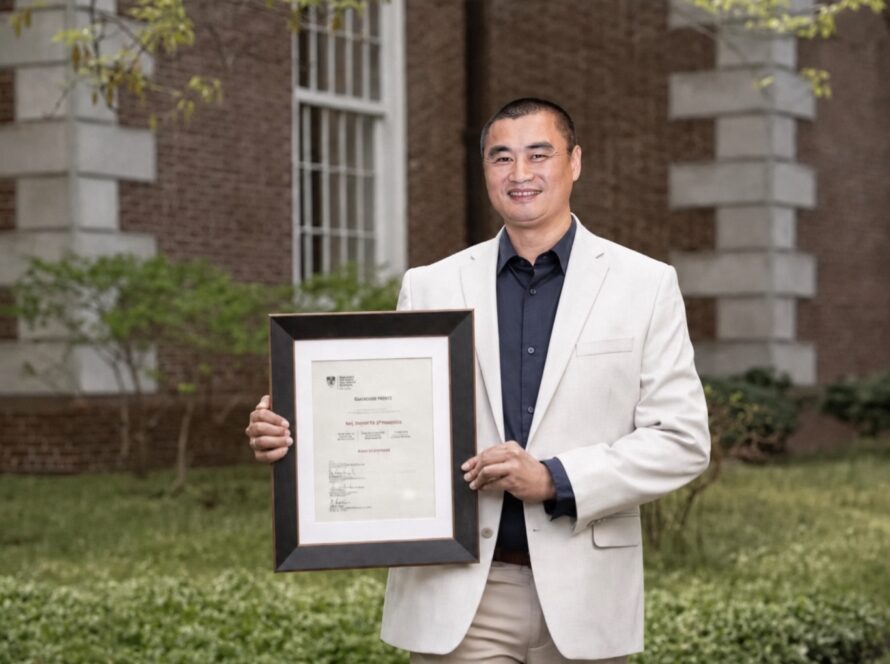
For Dr. Pham Ha, Founding President & CEO of LuxGroup®, the question was never simply how to launch another cruise operation. The more important question was how to preserve a service culture built over decades while adapting it to a new region, a new workforce, and a new customer base.
“Luxury is culture,” he often says. “And culture is transmitted through people.”
The New Competitive Advantage
For years, luxury hospitality focused heavily on physical assets—larger ships, more spacious suites, better amenities, and sophisticated technology.
Today, those advantages are increasingly easier to replicate.
A beautiful vessel can be built with capital. Elegant interiors can be designed by talented architects. Technology can be purchased.
What remains difficult to copy is the quality of human interaction.
In luxury travel, guests rarely remember thread counts or technical specifications. They remember how they were made to feel. They remember conversations, stories, unexpected gestures, and moments of genuine connection.
This reality has shaped LuxGroup’s approach to talent development.
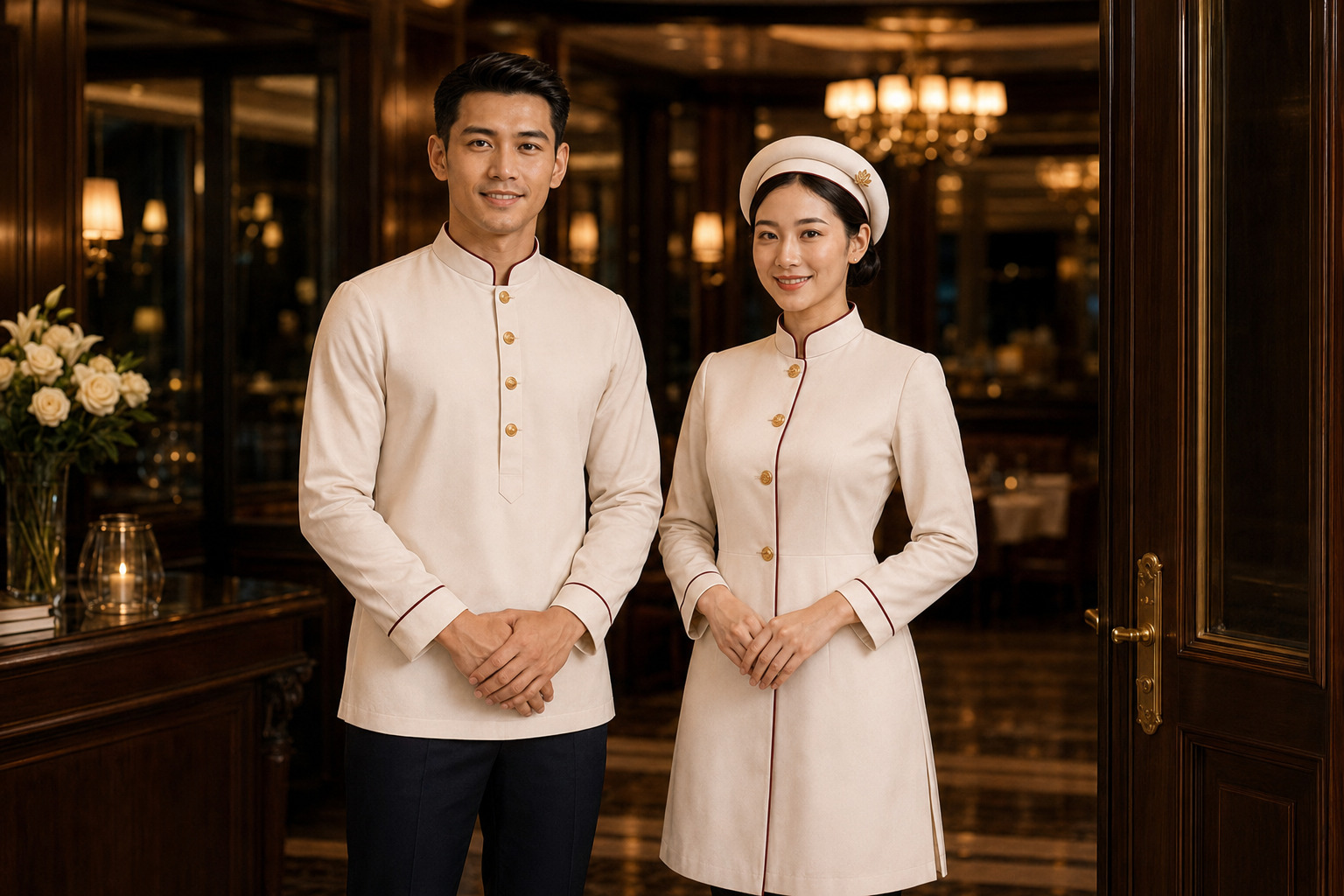
Across its portfolio—including Heritage Cruises®, Emperor Cruises®, and now Amiral Cruises for Presidents®—employees are trained not merely as service providers but as storytellers, cultural ambassadors, and custodians of local heritage.
The company believes that true luxury emerges when hospitality is combined with knowledge, empathy, and emotional intelligence.
In this model, every interaction becomes part of the guest experience.
Every employee becomes part of the brand narrative.
The Pioneers Who Carry Culture
When preparing for the launch of Amiral Cruises, LuxGroup made a strategic decision.
Rather than building an entirely new team from scratch, the company deployed experienced personnel from its existing cruise brands to Ho Chi Minh City during the critical start-up phase.
Their mission extended far beyond operational support.
They were tasked with transferring institutional knowledge, mentoring new recruits, and embedding the service philosophy that had been refined through years of operating award-winning luxury cruises.
Processes can be documented.
Standards can be written.
Checklists can be created.
Culture is different.
Culture is learned through observation, repetition, leadership, and lived experience.
It exists in how employees anticipate guest needs, solve problems, communicate with colleagues, and represent the company’s values.
According to Dr. Pham Ha, these veteran team members serve as both operators and cultural custodians.
They understand the company’s DNA and possess the ability to inspire others through action rather than instruction.
“We bring experienced people first because culture spreads through people,” he explains. “In hospitality, the most effective training happens through human interaction.”
Their presence ensures that the spirit of the brand remains consistent, even as the company enters a completely new market.
Beyond Technical Skills
The expectations placed on luxury hospitality professionals are changing rapidly.
Technical competence remains important, but it is no longer sufficient.
Today’s luxury traveler seeks authenticity, meaning, and deeper engagement with destinations.
As a result, LuxGroup encourages employees to expand their knowledge far beyond traditional service training.
Crew members and guest-facing staff are encouraged to explore history, culture, art, architecture, and local traditions. They learn not only how to serve guests but also how to engage them in meaningful conversations.
A simple sightseeing excursion can become an immersive cultural journey when guided by someone who genuinely understands the stories behind a destination.
This approach reflects a broader industry trend.
Increasingly, luxury travel is becoming less about consumption and more about enrichment.
Guests are not merely purchasing accommodation or transportation.
They are seeking perspective, connection, and memorable experiences.
The ability to deliver those experiences depends largely on the people who stand closest to the customer.
Learning the South
Yet experience alone is never enough.
Every market possesses its own characteristics, workforce dynamics, and cultural nuances.
For LuxGroup, expanding into Southern Vietnam requires more than importing successful practices from elsewhere.
It requires listening, learning, and adapting.
The company views its early operations in Ho Chi Minh City as a period of mutual discovery.
Management teams are studying local labor dynamics, understanding regional work cultures, and observing the expectations of Southern travelers and employees.
At the same time, newly recruited local staff are gradually becoming familiar with LuxGroup’s values and operating standards.
Finding the balance between consistency and adaptability is one of the most difficult challenges facing any growing organization.
Maintain too much rigidity, and innovation suffers.
Adapt too quickly, and brand identity risks dilution.
Sustainable growth requires both patience and humility.
The most successful organizations understand that expansion is not about replication.
It is about evolution.
Building a Brand Through Place
For LuxGroup, understanding local talent is inseparable from understanding local culture.
Every cruise brand within the company’s portfolio is built around a specific historical narrative.
Heritage Cruises® draws inspiration from the entrepreneurial spirit of Bạch Thái Bưởi and Vietnam’s maritime heritage.
Emperor Cruises® celebrates the lifestyle, art, and elegance associated with Emperor Bảo Đại.
Amiral Cruises for Presidents® tells the story of the Saigon River and the waterways that shaped Southern Vietnam’s economic and cultural identity.
Launched on the 115th anniversary of Nguyễn Tất Thành’s historic departure from Nha Rong Wharf, Amiral is envisioned as more than a cruise operation.
It is designed as a floating cultural platform.
Guests journey through stories of river commerce, urban transformation, exploration, and the multicultural influences that helped shape modern Saigon.
To tell those stories authentically, employees must first understand them deeply.
They must know the river.
They must appreciate the city.
They must connect emotionally with the heritage they represent.
“Every ship carries a story,” says Dr. Pham Ha. “To tell that story authentically, the storyteller must first love and understand the place where it belongs.”
Investing in People for the Long Voyage
As LuxGroup embarks on a broader plan to invest approximately US$38 million in a fleet of luxury river and coastal vessels across Southern Vietnam, its leadership remains clear about where the company’s most important investment lies.
Not in ships.
Not in infrastructure.
Not even in technology.
The most valuable investment is people.
A ship can be built in a few years.
A service culture takes decades.
The launch of Amiral Cruises may symbolize LuxGroup’s southern expansion, but behind the vessel is a much longer journey—the deliberate effort to cultivate individuals capable of transforming heritage into hospitality and stories into unforgettable experiences.
In the end, luxury is not defined by what guests see.
It is defined by what they feel.
And those feelings are created, one interaction at a time, by the people who bring a brand to life.