

The Case of Painter Pham Luc and the Enduring Value of a Systematic Collection
By Dr. Pham Ha
A Great Collection Is More Than a Great Number of Paintings
Within the art world, the value of a collection is often measured by the number of works it contains or by the market price of individual paintings. Yet the history of world art suggests a different standard. A truly significant collection is not defined by quantity but by its ability to tell the complete story of an artist’s creative life. When works are intentionally selected, carefully preserved, and systematically documented, a collection transcends private ownership. It becomes a cultural archive, an academic resource, and a lasting contribution to society. Such collections preserve not only objects but also ideas, artistic evolution, and the intellectual spirit of an era. Their greatest value lies not in possession but in preservation, interpretation, and public understanding.
Seeing an Artist’s Entire Creative Journey
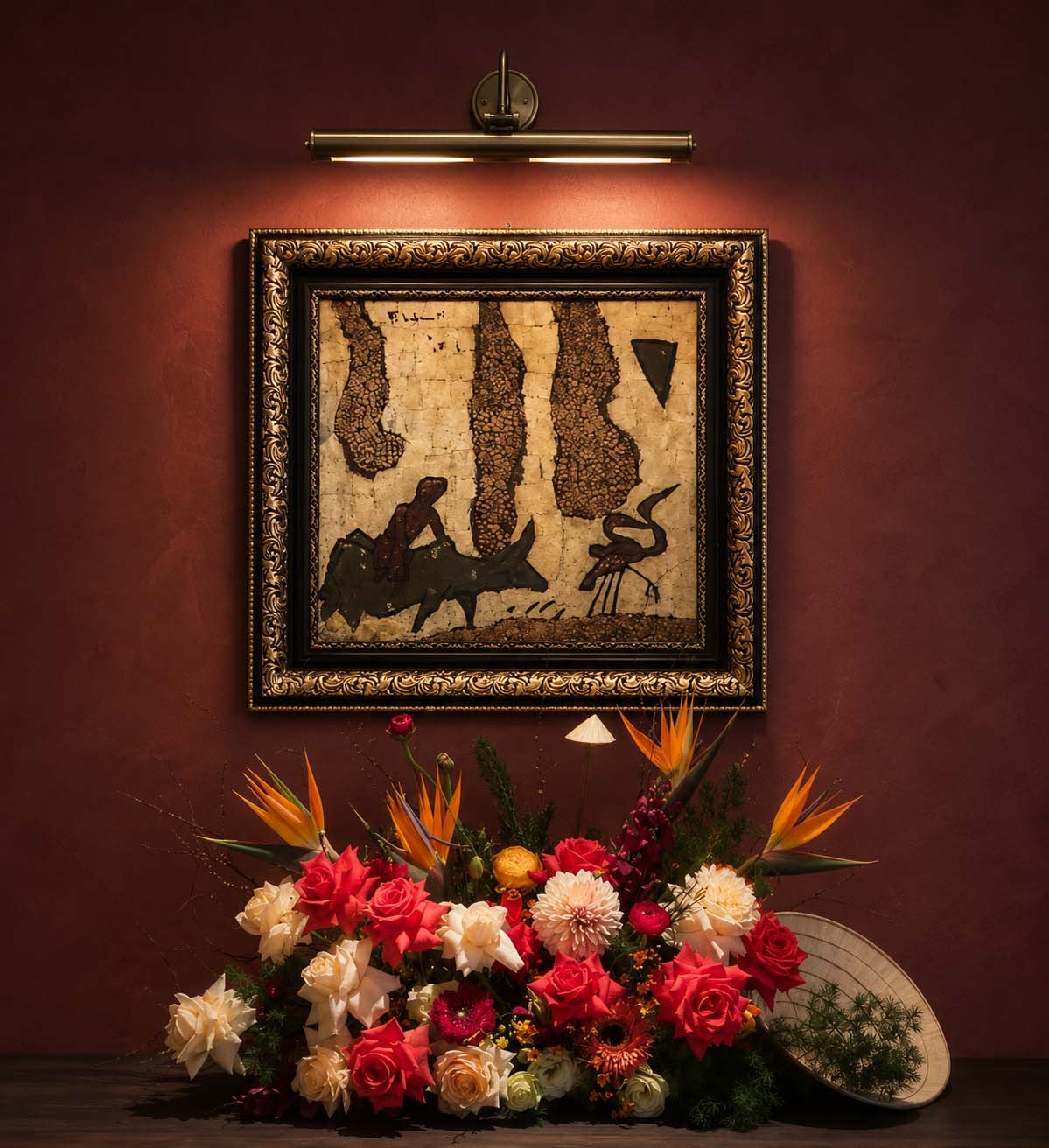
A single masterpiece captures only one moment in an artist’s career, while a comprehensive collection reveals the full trajectory of artistic development. In the case of Pham Luc, more than six decades of uninterrupted creativity span the Vietnam War, the subsidy economy, the Đổi Mới reforms, and the country’s integration into the global community. Viewing works from these different periods together allows scholars and audiences to observe changes in technique, colour, composition, subject matter, and emotional expression. The dialogue between early and later works illustrates the evolution of both the artist and the nation itself. No isolated painting, regardless of its quality, can communicate this remarkable continuity of creative growth.
Scholarly Value Always Outlives Commercial Value
Art markets fluctuate, but scholarship endures. A systematic collection enables historians, curators, conservators, and researchers to establish chronology, authenticate provenance, compare stylistic development, and understand the creative context behind individual works. Such collections provide the essential foundation for producing a catalogue raisonné—the definitive scholarly catalogue of an artist’s complete oeuvre, widely regarded as the highest academic standard in international art history. For an artist as prolific and versatile as Pham Luc, whose work encompasses numerous media and thousands of paintings, the existence of a carefully organized collection represents an invaluable intellectual resource. Its importance extends far beyond market appreciation, contributing directly to the preservation of Vietnamese cultural heritage.
Major Retrospectives Require Major Collections
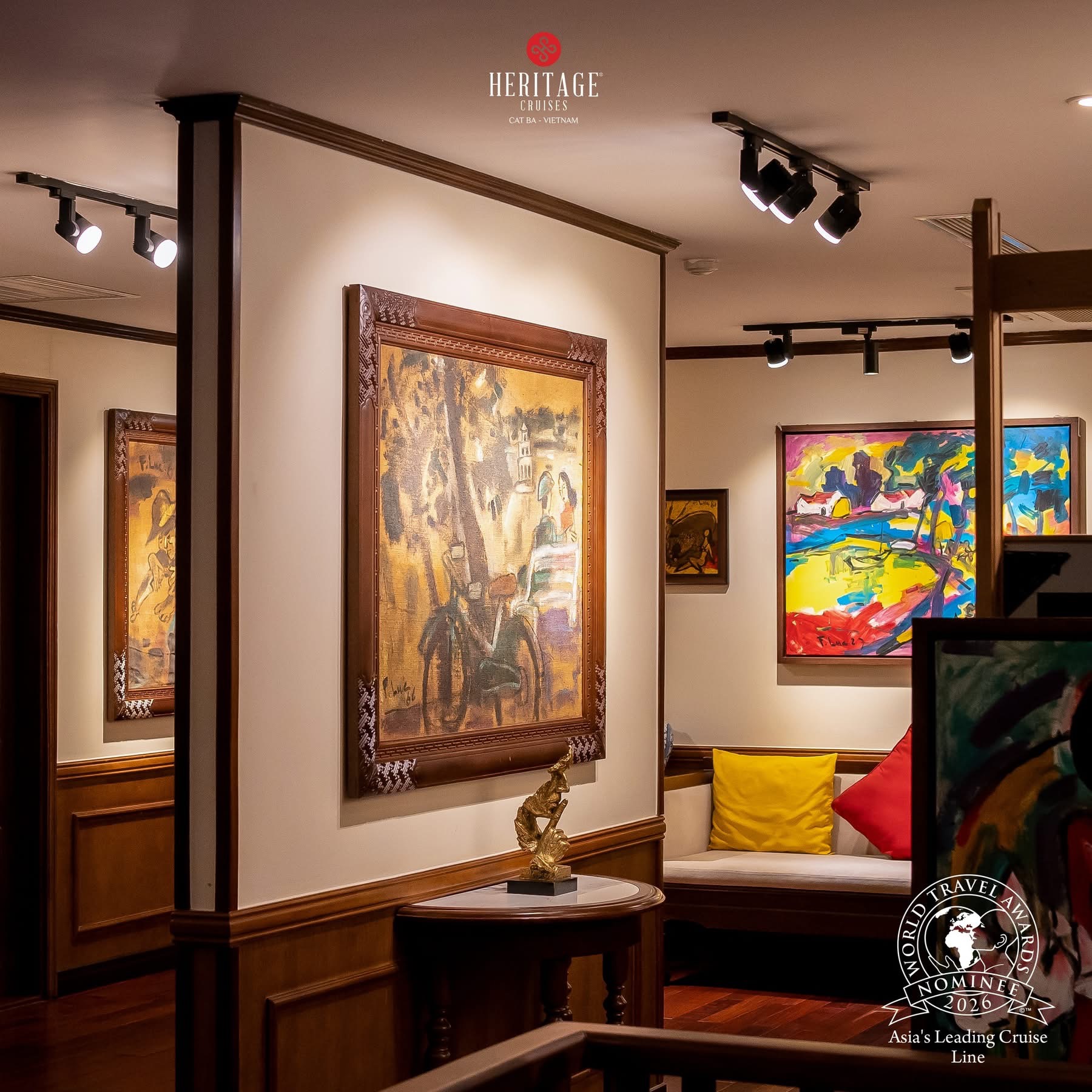
The world’s most celebrated retrospective exhibitions are built upon comprehensive collections capable of presenting an artist’s complete creative vision. A handful of exceptional paintings may support a temporary exhibition, but only a substantial collection can fully narrate decades of artistic exploration. Pham Luc’s oeuvre naturally lends itself to thematic exhibitions focusing on war, family life, motherhood, childhood, Vietnamese women, rural landscapes, Hanoi streets, or everyday life. Such exhibitions would allow audiences to understand not merely individual paintings but the historical, cultural, and emotional contexts from which they emerged. In doing so, they transform exhibitions from displays of art into journeys through memory, identity, and national history.
Preserving the Memory of an Era Through Art
Pham Luc’s paintings are more than personal expressions; they are visual documents of modern Vietnamese history. Soldiers, mothers, children, village markets, old Hanoi streets, and scenes of ordinary daily life become enduring records of a society experiencing profound transformation. Together, these works form a painted chronicle that complements written history with emotional depth and human perspective. Unlike photographs or official documents, paintings interpret reality through the artist’s inner vision, preserving atmosphere as much as fact. When assembled into a comprehensive collection, they become an irreplaceable cultural archive through which future generations may understand not only what Vietnam looked like, but how it felt to live through its defining decades.
The Synergy Created by a Complete Collection
International art markets recognize the concept of the collection premium—the additional value created when significant works are preserved together rather than dispersed individually. A coherent collection with documented provenance, thoughtful curation, and consistent stewardship possesses a significance far exceeding the combined value of its separate pieces. Museums, auction houses, scholars, and cultural institutions are drawn not only to individual masterpieces but to collections capable of telling complete artistic narratives. Continuity, authenticity, and scholarly organization generate a cultural resonance impossible to achieve through scattered ownership. The collection itself becomes a work of intellectual curation, demonstrating that the whole may indeed be greater than the sum of its individual parts.
The Modern Collector as Guardian of Cultural Heritage
In the twenty-first century, collectors have assumed responsibilities extending far beyond acquisition. They are increasingly expected to preserve, document, digitize, publish, research, and share their collections with the wider public. Professional conservation, comprehensive cataloguing, digital archiving, transparent provenance records, and scholarly collaboration have become integral components of responsible collecting. Through these efforts, collectors help safeguard not only individual artworks but also the cultural memory embodied within them. Their role evolves from private ownership to public stewardship. By embracing this broader mission, collectors contribute directly to the writing of art history while ensuring that artistic achievements remain accessible to future generations rather than disappearing into obscurity.
From Private Collection to National Cultural Legacy
History demonstrates that many of the world’s greatest museums began as private collections assembled with vision, discipline, and long-term commitment. When guided by scholarship rather than speculation, a collection gradually ceases to be the possession of an individual and becomes part of a nation’s cultural inheritance. The case of Pham Luc offers such an opportunity. A comprehensive, systematically curated collection could provide the foundation for future retrospectives, academic publications, museum partnerships, and perhaps one day a dedicated museum celebrating one of Vietnam’s most prolific modern painters. The highest purpose of collecting is therefore not ownership but preservation; not accumulation but education; not investment alone but legacy. In safeguarding an artist’s life’s work, the collector ultimately safeguards a chapter of the nation’s cultural history itself.