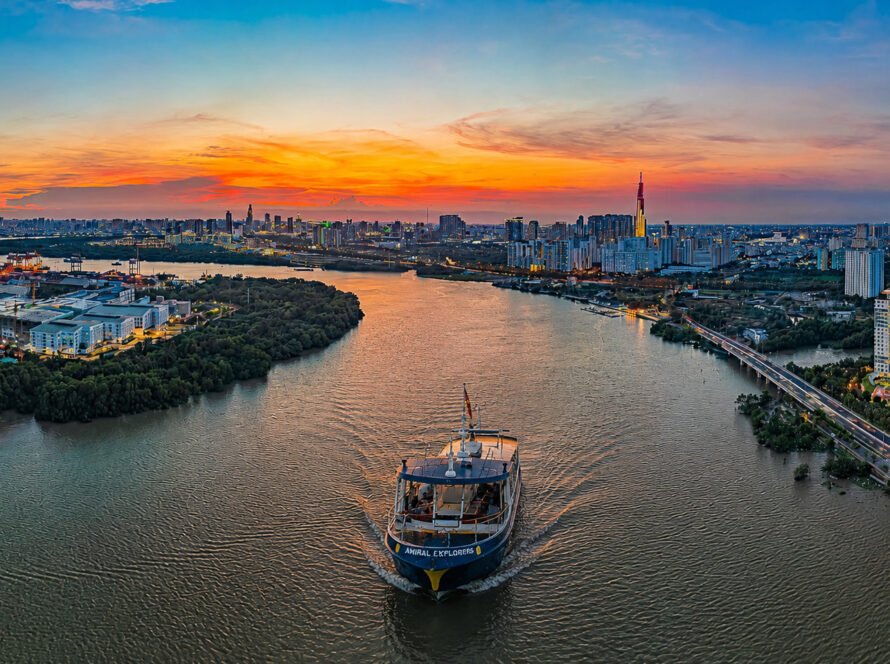



For decades, the success of tourism destinations was measured by a familiar set of indicators: international arrivals, hotel occupancy rates, visitor spending and tourism receipts. The bigger the numbers, the greater the perceived success.
But a quiet transformation is reshaping the global tourism industry.
Today’s travelers are no longer satisfied with simply ticking destinations off a bucket list. They are increasingly seeking experiences that create meaning, deepen human connections and leave a positive impact on the places they visit. As climate concerns, cultural preservation and social responsibility become more important, a new generation of travel trends is emerging—one that may redefine the future of tourism.
These trends include sustainable tourism, responsible tourism, community-based tourism, regenerative tourism, experiential travel, heritage tourism, literary tourism, industrial tourism, astro tourism, geotourism and volunteer tourism.
While each trend serves a different market segment, they share a common philosophy: tourism should create value not only for visitors, but also for local communities, cultural heritage and the natural environment.
According to Dr. Pham Ha, Founder and CEO of LuxGroup® and Vice President of the Vietnam Green Tourism Association, the tourism industry is entering a new era where success can no longer be measured solely by visitor numbers.
“Tourism’s future is not determined by how many people arrive at a destination. It is determined by whether local communities are happier, whether cultural heritage is better preserved, whether nature is healthier and whether travelers return home transformed by meaningful experiences,” he says.
The Rise of Regenerative Travel
Among the emerging trends, regenerative tourism is gaining particular attention.
Unlike sustainable tourism, which focuses on minimizing negative impacts, regenerative tourism seeks to leave destinations better than they were before. The goal is not merely to protect existing assets but to actively restore ecosystems, strengthen communities and revitalize cultural traditions.
Around the world, destinations are experimenting with this approach. From conservation-led safari lodges in Africa to indigenous tourism projects in New Zealand and community-managed ecotourism initiatives in Latin America, travelers are increasingly willing to support experiences that contribute positively to the places they visit.
This shift reflects a broader change in consumer values. Luxury travelers, in particular, are beginning to define luxury not by material excess but by authenticity, exclusivity, purpose and emotional connection.
The concept aligns closely with Vietnam’s tourism potential.
Vietnam’s Untapped Advantage
Vietnam possesses many of the ingredients that modern travelers are seeking.
The country is home to thousands of traditional craft villages, diverse ethnic cultures, UNESCO-recognized heritage sites, extensive river systems, dramatic geological landscapes and some of Asia’s most authentic culinary traditions.
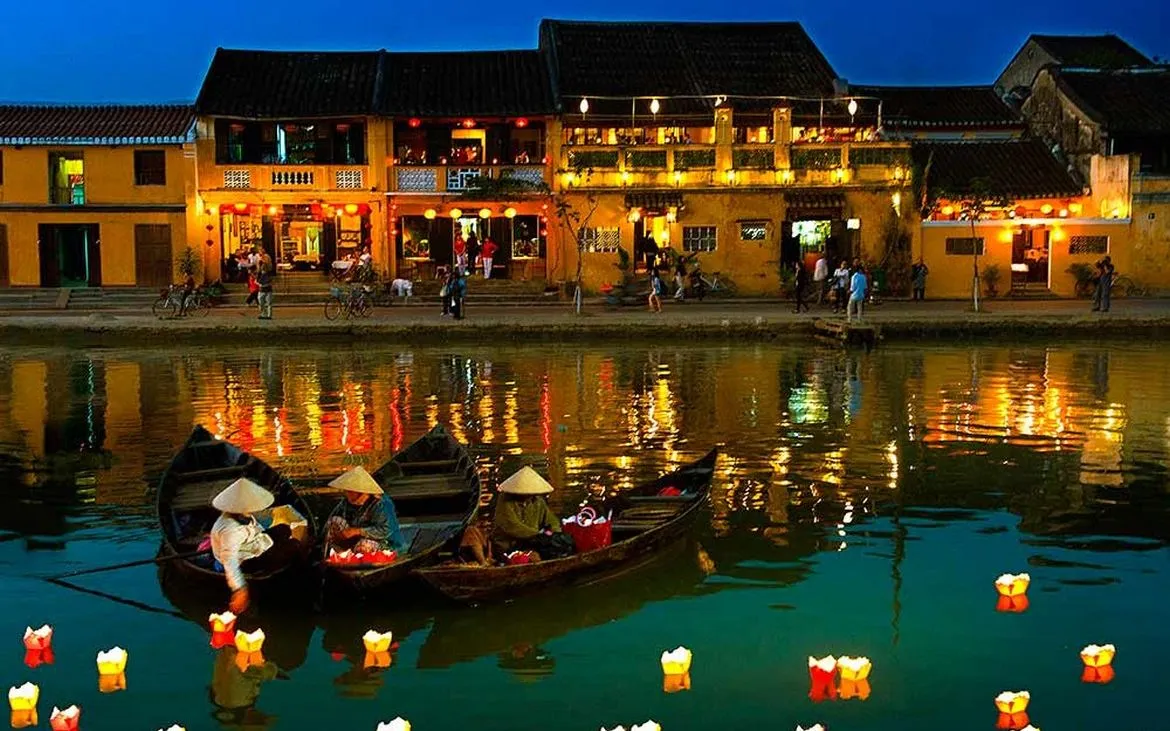
In northern Vietnam, travelers can engage with ethnic minority communities in Hà Giang and Cao Bằng. In central Vietnam, heritage cities such as Hội An and Huế offer opportunities for immersive cultural experiences. In the Mekong Delta, visitors can discover river life, traditional agriculture and community-based tourism initiatives that remain largely untouched by mass tourism.
Many of these assets already embody the principles of sustainable and regenerative tourism, even if they are not always marketed using those terms.
The challenge is not creating new attractions but reimagining existing cultural and natural resources through experiences that generate long-term value.
This represents a significant opportunity for Vietnam as the country seeks to move beyond volume-driven tourism growth.
Vietnam welcomed more than 10.6 million international visitors during the first five months of 2026, demonstrating strong recovery and growing global appeal. However, industry leaders increasingly recognize that future competitiveness will depend not only on attracting more visitors but on attracting higher-value travelers who stay longer, spend more and engage more deeply with local communities.
Rivers As Cultural Highways
One of Vietnam’s most overlooked tourism assets may be its waterways.
Historically, rivers shaped trade, migration, culture and civilization throughout the country. Yet for decades, tourism development focused primarily on beaches, mountains and urban attractions.
That is beginning to change.
Water-based tourism is emerging as a new frontier, particularly in destinations such as Ho Chi Minh City, the Mekong Delta and northern river systems.
For Dr. Pham Ha, rivers are more than transportation routes; they are living cultural landscapes.
“Every river carries stories,” he explains. “They connect generations, communities and memories. Travelers are no longer looking only for destinations. They are looking for stories that help them understand a place and their relationship to it.”
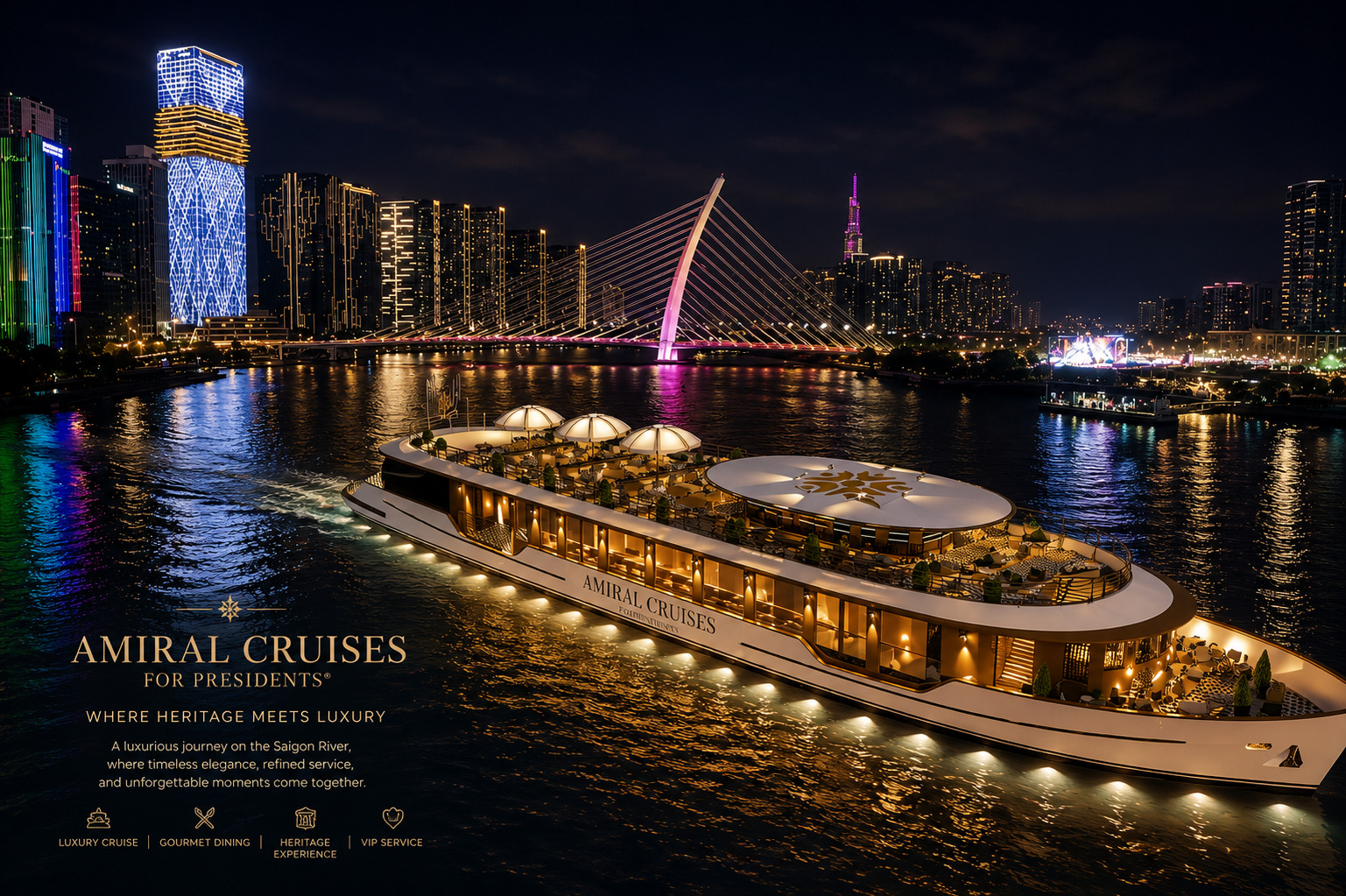
This philosophy has inspired the creation of Amiral Cruises, Vietnam’s first luxury boutique river-maritime cruise line.
Launched in 2026 on the 115th anniversary of President Ho Chi Minh’s departure from Nha Rong Wharf in search of a path for national independence, Amiral Cruises is built around the concept of cultural storytelling rather than conventional sightseeing.
Its guiding philosophy, “The River Remembers,” reflects a broader vision of tourism that celebrates heritage, preserves collective memory and creates meaningful connections between visitors and destinations.
Instead of merely transporting passengers, the experience seeks to immerse travelers in Vietnam’s cultural narratives, historical milestones and river-based lifestyles.
From Tourism Growth To Tourism Value
The global tourism industry faces a critical question.
Should destinations continue competing for more visitors, or should they focus on generating greater value for people and places?
The answer may define the next decade of tourism development.
Forward-looking destinations are beginning to measure success through broader indicators, including community well-being, cultural preservation, environmental restoration and visitor satisfaction.
This approach aligns with growing consumer expectations.
Travelers increasingly want their journeys to matter. They want to support local businesses, learn from local communities, reduce their environmental footprint and participate in experiences that contribute to a greater purpose.
For Vietnam, this shift represents a strategic opportunity.
The country may never compete with some destinations purely on scale. But it can compete on authenticity, culture, hospitality and meaningful experiences.
In many ways, the future of tourism may already exist in Vietnam’s villages, rivers, heritage towns and communities.
The destinations that thrive in the years ahead will not necessarily be those with the largest visitor numbers. They will be the destinations that create the greatest positive impact.
As Dr. Pham Ha observes:
“The most successful tourism destinations of the future will not ask how many travelers arrived. They will ask what changed for the better because those travelers came.”
That may ultimately become the most important measure of tourism success in the twenty-first century.