

By Dr. Pham Ha
Founder & CEO, LuxGroup®
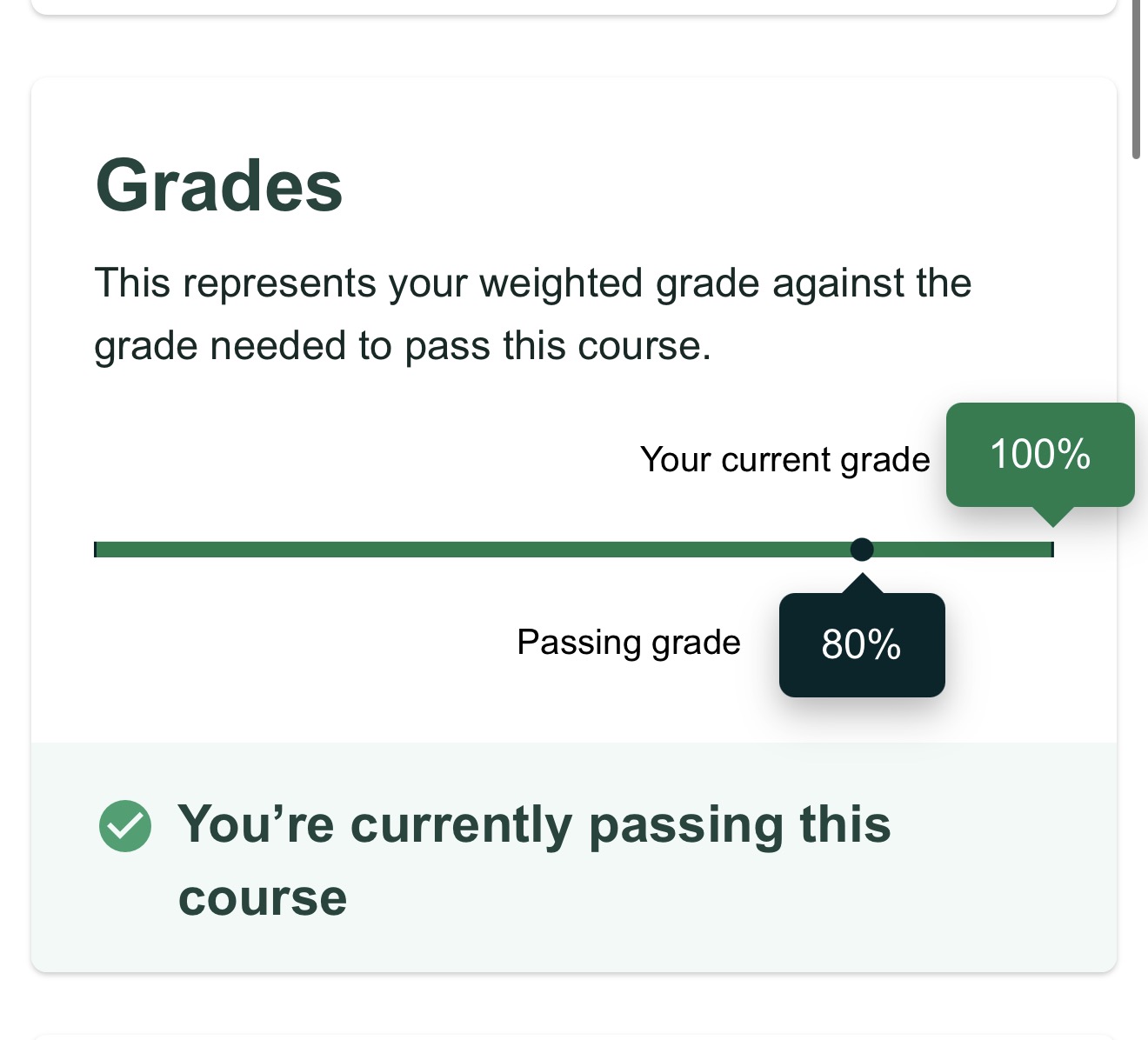
When I enrolled in Harvard University’s Cultivating Power for Positive Impact, I expected to deepen my understanding of leadership. What I did not expect was how profoundly the course would reaffirm the philosophy that has guided LuxGroup for more than two decades: leadership is not about accumulating power—it is about creating value for others through responsible influence. Completing the course with a 100% score was personally rewarding, but the true achievement lies in translating these lessons into practical actions that strengthen our culture, empower our people, and contribute to Vietnam’s tourism industry.
Professor Julie Battilana begins with a simple yet transformative idea: power is for everyone. Power should not be viewed as a privilege reserved for CEOs, politicians, or executives. Rather, power is the capacity to influence others and create positive change. This insight immediately resonated with me because it reflects the culture we have intentionally cultivated at LuxGroup. Every Luxer, regardless of title or department, has the opportunity to make a meaningful difference. A reservation consultant who patiently helps a guest, a cruise manager who anticipates unspoken needs, a chef who proudly introduces Vietnamese cuisine, or a housekeeper who notices the smallest details—all exercise positive power through their actions.
This philosophy has shaped the evolution of LuxGroup since our founding in 2005. We have never aspired to become the largest tourism company in Vietnam. Instead, we have sought to become one of the best small giants—an organization where purpose comes before size, where people matter more than processes, and where culture becomes our greatest competitive advantage. Harvard’s framework gave academic language to what we have experienced in practice: influence grows when people feel trusted, respected, and empowered to contribute beyond their formal responsibilities.
One of the course’s strongest messages is that trust is the foundation of sustainable power. Influence without trust is temporary, while trust creates relationships that endure through both opportunities and challenges. At LuxGroup, this belief is reflected in our signature philosophy: Luxury is Culture®. Luxury is not measured by marble floors, expensive furniture, or extravagant amenities. True luxury is expressed through authenticity, empathy, craftsmanship, and meaningful human connection. It is the feeling our guests experience when they are welcomed as friends rather than treated as transactions. Trust transforms hospitality into memorable experiences and loyal relationships.
The course also emphasizes that organizations thrive when they build cultures rather than rely solely on rules. This aligns perfectly with what we call Luxury Thinking—a mindset that guides every decision, every conversation, and every guest interaction. Luxury Thinking encourages our people to think beyond expectations, anticipate needs before they are expressed, and deliver experiences with creativity, emotional intelligence, and genuine care. It reminds us that luxury begins with how we treat one another inside the company before it is ever experienced by our guests. Internal hospitality creates external excellence.
Harvard introduces three essential changemaking roles: the Agitator, who identifies problems and challenges the status quo; the Innovator, who proposes better alternatives; and the Orchestrator, who mobilizes people and resources to make change happen. Looking back, these three roles are evident throughout LuxGroup’s journey. We challenged the assumption that Vietnam should compete primarily on price rather than quality. We developed innovative brands such as Luxury Travel, Heritage Cruises, Emperor Cruises, and more recently Amiral Cruises, creating authentic experiences rooted in Vietnamese history, culture, and storytelling. We then orchestrated change by aligning our employees, local communities, business partners, suppliers, and government stakeholders around a common vision for sustainable tourism.
Among these three roles, I recognize myself most strongly as an Orchestrator. My responsibility has never been simply to generate ideas, but to create an environment where ideas can flourish. Leadership is about connecting people with different talents, encouraging collaboration across departments, empowering teams to make decisions, and maintaining a shared sense of purpose. Every successful project at LuxGroup—from launching boutique cruises to developing cultural tourism experiences—has been the result of collective effort rather than individual achievement. Great organizations are built by leaders who help others succeed.
Another valuable lesson concerns the risks associated with power. Harvard reminds us that success often creates two dangerous temptations: hubris, the belief that we are always right or invincible, and self-focus, the tendency to prioritize our own perspectives while ignoring others. These power poisons have undermined countless organizations throughout history. The antidotes are equally powerful: humility and empathy. Humility encourages leaders to acknowledge limitations, admit mistakes, and remain lifelong learners. Empathy reminds us that leadership begins by understanding the experiences, concerns, and aspirations of other people.
These principles have reinforced several leadership practices at LuxGroup. We actively seek honest feedback from employees, guests, and business partners. We encourage respectful disagreement because diverse perspectives strengthen better decisions. We invest in continuous learning through Harvard Online, executive education, internal workshops, and mentoring programs because learning organizations adapt more effectively to changing environments. Leadership should never become an echo chamber; it must remain a conversation built on curiosity, openness, and mutual respect.
The course also makes it clear that personal values alone cannot prevent the misuse of power. Organizations must establish systems that encourage accountability and distribute authority responsibly. At LuxGroup, we continue strengthening governance through transparent communication, clear responsibilities, shared decision-making, and a culture where employees are encouraged to speak honestly without fear. Accountability is not about control—it is about protecting trust. Similarly, power sharing does not diminish leadership; it multiplies leadership by enabling more people to contribute their talents and creativity.
Perhaps the most inspiring lesson from Harvard is that positive power is ultimately measured by positive impact. Business success should never be evaluated solely by revenue, market share, or profitability. It should also be measured by the opportunities created for employees, the prosperity shared with local communities, the cultural heritage preserved for future generations, and the happiness experienced by guests. This perspective perfectly complements our own mission of Delivering Happiness®. Happiness cannot be manufactured through luxury products alone; it is created through meaningful relationships, authentic experiences, and responsible leadership.
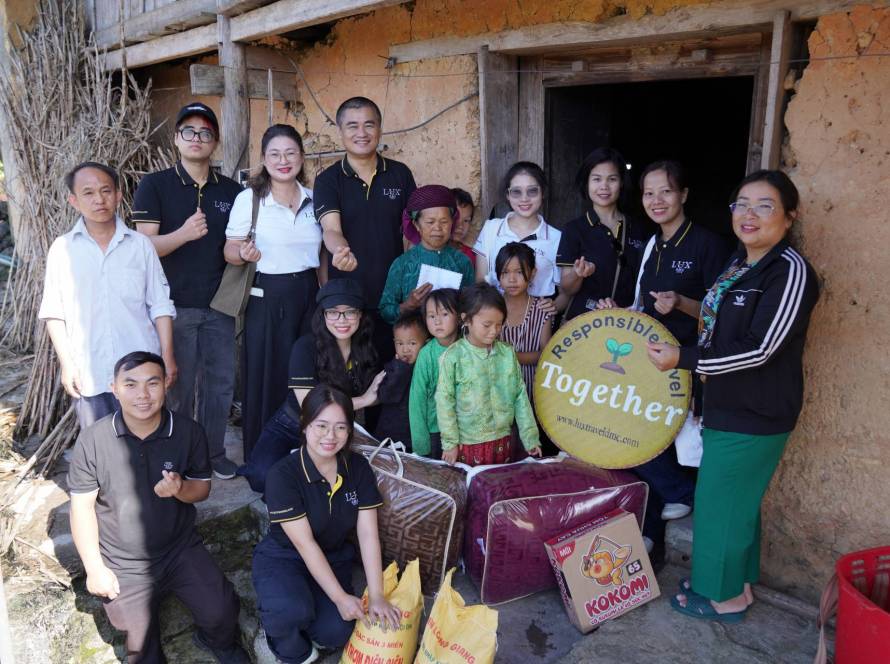
These lessons are already shaping the next chapter of LuxGroup’s development. As we expand projects such as Amiral Cruises, strengthen Vietnam Waterways®, and continue investing in cultural tourism, we remain committed to building a purpose-driven organization where business success goes hand in hand with social impact. We believe that tourism should preserve culture rather than replace it, empower communities rather than exploit them, and create prosperity while respecting people and the environment. Positive power is not an abstract theory; it is a practical responsibility that influences every decision we make.
Completing Cultivating Power for Positive Impact has strengthened my conviction that the future belongs to organizations that lead with purpose, humility, empathy, and courage. For LuxGroup, these principles are not new initiatives—they are the natural evolution of values that have guided us from the beginning. They reinforce our commitment to lifelong learning, servant leadership, cultural preservation, and sustainable innovation. Most importantly, they remind us that leadership is not about standing above others but about helping others rise.
As we continue our journey, our aspiration remains unchanged: to build a happy House of Small Giants, where every Luxer is empowered to lead, every guest experiences the warmth of Vietnamese hospitality, every community benefits from responsible tourism, and every innovation reflects our enduring belief that Luxury is Culture®. Because in the end, the greatest form of power is not the ability to command others—it is the ability to inspire them to create a better future together.
Power is responsibility. Leadership is service. Luxury is Culture®. Together, we keep delivering happiness—one meaningful journey, one empowered employee, and one positive impact at a time.