

One of the most surprising lessons from Harvard is that effective leadership begins not with certainty but with intellectual humility. In business, leaders are often expected to provide immediate answers, project confidence, and make decisive judgments. Yet the course demonstrates that confidence and curiosity are not opposites. In fact, the strongest leaders are often those who remain open to the possibility that they may be wrong.
Intellectual humility is not a lack of conviction. It is the discipline of recognizing that no individual, regardless of experience or authority, possesses a complete understanding of complex problems. Every strategic decision is shaped by incomplete information, changing conditions, and multiple perspectives. The role of leadership is therefore not to defend personal opinions at all costs, but to create an environment where assumptions are continuously examined and improved.
For me, this lesson resonates deeply with entrepreneurship. Founders naturally become emotionally attached to their ideas. However, organizations grow not because founders always have the best answers, but because they build teams capable of producing better answers together. Leadership maturity is measured not by how often a leader is correct, but by how willingly a leader allows evidence, reason, and collective intelligence to reshape personal thinking.
Cognitive Diversity Creates Competitive Advantage
Modern organizations often celebrate diversity in terms of nationality, gender, age, or professional background. Harvard extends this conversation by emphasizing cognitive diversity—the diversity of how people think.
People approach problems differently. Some focus on data, others on relationships. Some see opportunities, while others identify risks. Some think strategically, others operationally. These differences are not obstacles to collaboration; they are essential ingredients for better decision-making.
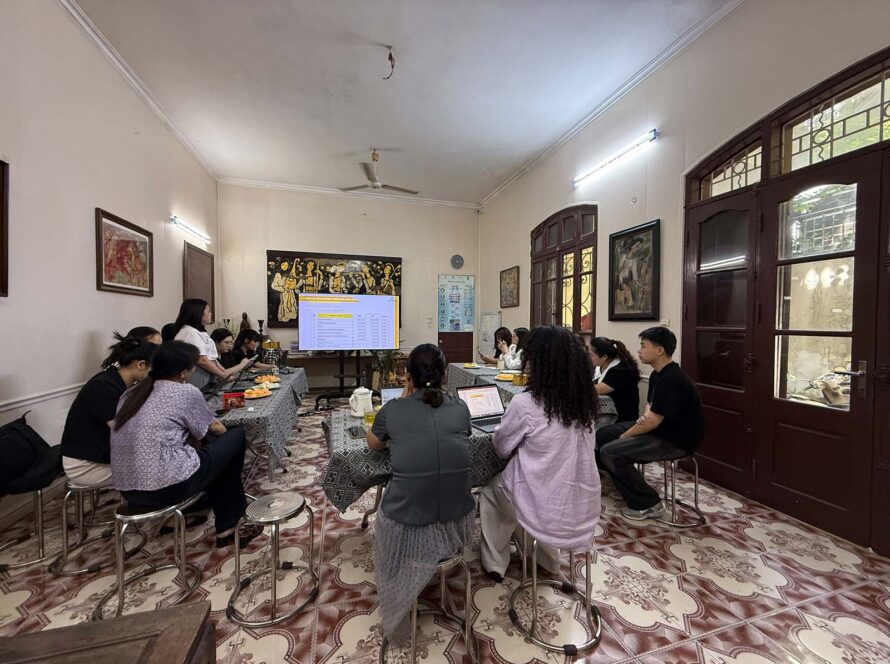
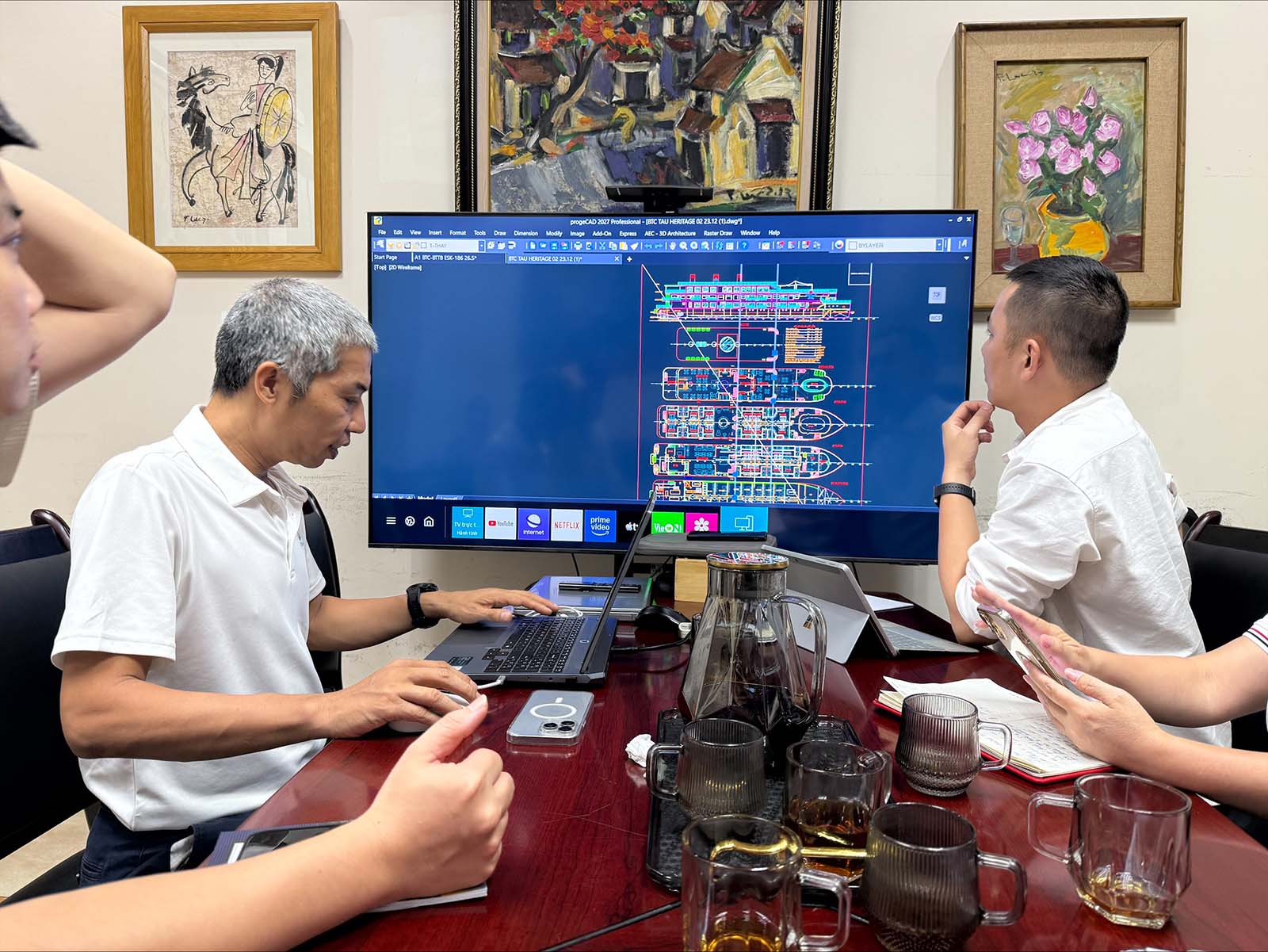
At LuxGroup®, cognitive diversity has become increasingly valuable as we expand across hospitality, cruises, destination management, arts, and sustainable tourism. Our strongest decisions rarely emerge from one brilliant individual. They emerge when experienced operators, marketers, financial managers, designers, historians, and frontline employees contribute different perspectives to the same conversation.
Innovation rarely begins with agreement.
Innovation begins when different ways of seeing the world meet around a shared purpose.
Building a Culture That Learns Faster Than Change
The pace of change today is faster than at any other point in modern business history. Artificial intelligence, shifting customer expectations, sustainability, geopolitical uncertainty, and digital transformation continuously reshape every industry. Under these conditions, competitive advantage no longer belongs simply to organizations that know the most. It belongs to organizations that learn the fastest.
Harvard reminds us that learning is impossible without constructive disagreement. If everyone thinks alike, organizations gradually lose the ability to question assumptions and adapt to changing realities. Curiosity disappears. Innovation slows. Complacency quietly replaces excellence.
At LuxGroup®, this insight reinforces our commitment to becoming a learning organization. Meetings should not merely confirm existing ideas. They should challenge them. Every project should conclude not only with results but also with reflection. Every mistake should become a source of organizational knowledge rather than individual blame. In this sense, disagreement is no longer viewed as resistance. It becomes one of the engines of continuous improvement.
Leadership Is the Art of Creating Better Thinkers
Perhaps the most enduring lesson from this Harvard course is that leadership is ultimately an educational responsibility. Great leaders do more than make decisions. They help other people become better decision-makers.
This changes the very definition of leadership. Rather than being the person who always provides answers, the leader becomes the person who asks better questions, encourages deeper thinking, and creates conversations that expand collective understanding.
Looking ahead, this philosophy will continue shaping the evolution of LuxGroup®. As we pursue our vision of becoming a House of Small Giants and contribute to the future of sustainable luxury tourism, our success will depend not only on strategy, technology, or capital. It will depend on the quality of our thinking, the openness of our conversations, and the courage to welcome perspectives different from our own.
Because the future belongs not to organizations where everyone agrees.
It belongs to organizations where people think independently, challenge respectfully, learn continuously, and move forward together.
That is the true meaning of productive disagreement. And perhaps, it is one of the defining characteristics of leadership in the twenty-first century.