

By Dr. Phạm Hà, Founding President & CEO, LuxGroup®
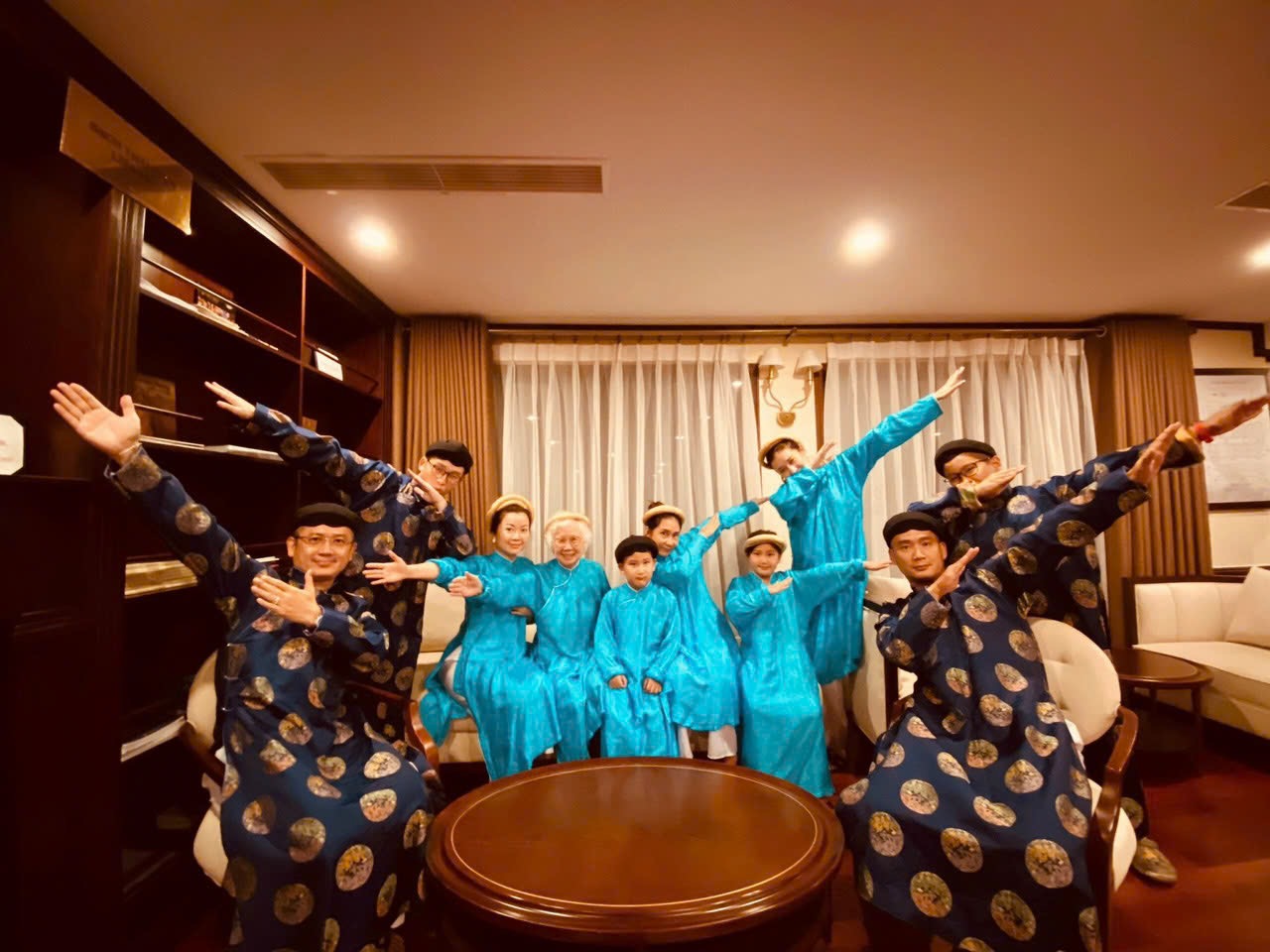
A returning traveller recently sent me the itinerary we designed for his first visit to Vietnam in 2010. He remembered the hotels, the restaurants and the places he had visited from north to south. He had even made photo books of the journey. Now he wanted to share that Vietnam with his family, and he welcomed new ideas. The decision, he made clear, would be theirs.
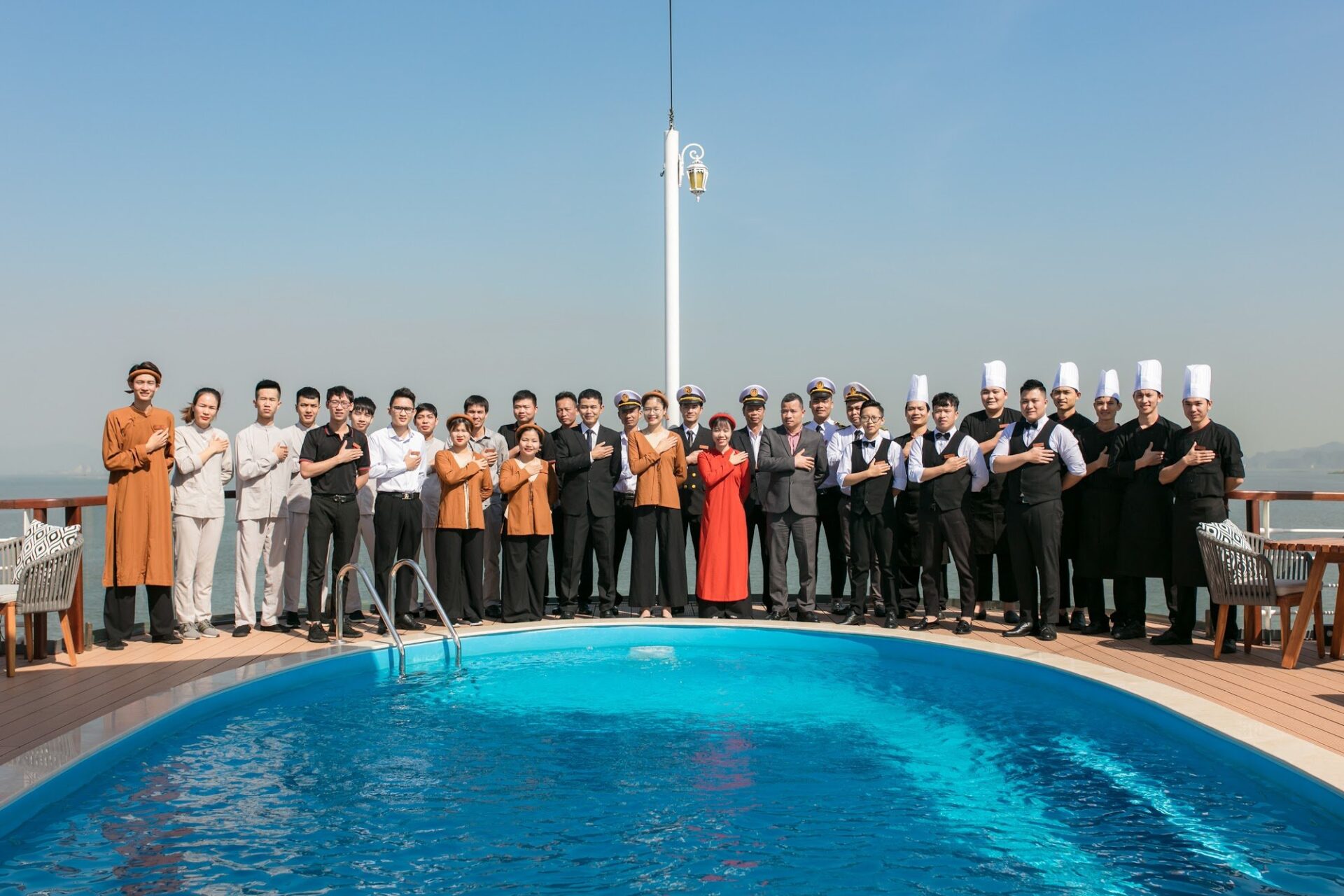
I could immediately picture what we might offer today. The family could sail through Hạ Long and Lan Hạ bays aboard Heritage Cruises Bình Chuẩn, travel by river to the Củ Chi Tunnels, explore the Mekong Delta and sit down to a meal at Vị Vietnam Restaurant & Café. Each experience says something about Vietnam. Together, they could give a family two ways into the same country: through the memories of someone who knows it and through the curiosity of those seeing it for the first time.
Of course, that was my idea of a good trip. My team’s job was to find out whether it was theirs.
That distinction has practical consequences for LuxGroup Holdings. We have grown from a travel company founded in 2005 into a group with businesses in travel, cruising, hospitality, dining and culture. We call it a House of Small Giants. The idea is that each company can be focused enough to know its customers well and independent enough to act on what it learns. The holding company earns its place when it helps those businesses accomplish something they would struggle to do alone.
Start with the customer who has a reason to buy
One of the most practical ideas I took from Harvard Business School Online’s Entrepreneurial Marketing course was to identify a beachhead customer: a specific group whose reasons for buying are clear enough to test. In luxury travel, it is tempting to define the market as affluent international travellers. That description tells us little about which itinerary to design, who should sell it or why someone would book it now.
A more useful starting point might be families with one member who knows Vietnam and wants to introduce it to the next generation. That gives our travel advisors better questions to ask. Which memories does the returning traveller want to share? What would the younger travellers choose for themselves? Who will decide how long to stay, what to spend and how much travel the family can comfortably fit into each day?
The same discipline applies to B2B. A specialist travel advisor may love an itinerary, while the colleague signing off on it needs reliable departure dates, clear cancellation terms and confidence that the operator can handle a change on the ground. The traveller, the advisor and the person approving the booking each have a different reason to say yes. A persuasive brochure can open the conversation. The offer has to answer the questions that come next.
Let the experience make the case
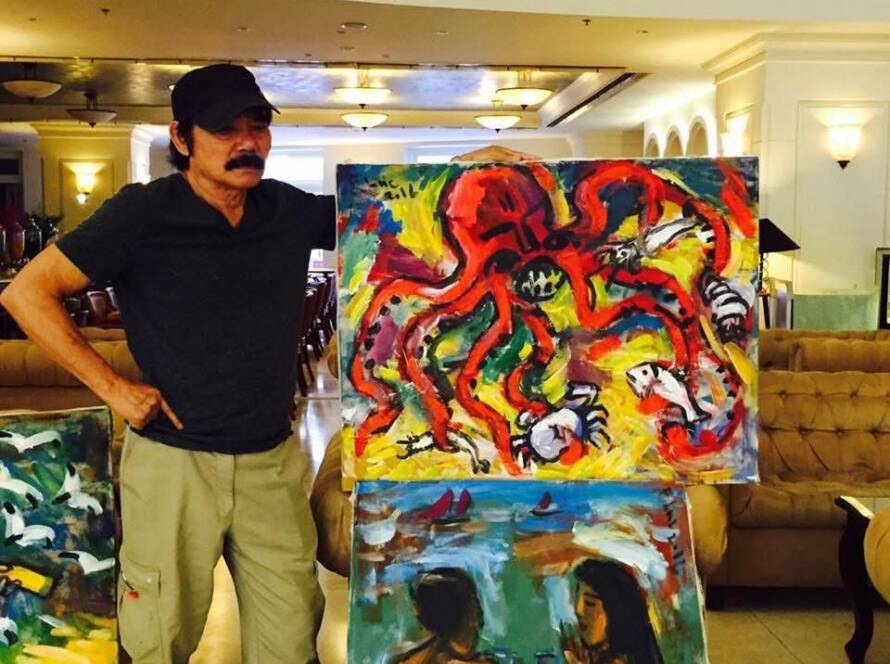
On Heritage Cruises Bình Chuẩn, guests encounter original paintings by Vietnamese artist Phạm Lực. The vessel also draws on the legacy of Bạch Thái Bưởi and his historic ship, Bình Chuẩn. At LuxGroup, we often say, “Luxury is culture.” A guest can judge that claim by what happens on board. Does a crew member have time to tell the story behind a painting? Can a curious guest learn why we named the vessel Bình Chuẩn? Is there enough time in the itinerary to enjoy being on the water?
Those are product decisions with marketing consequences. An advisor who understands the experience can recommend it to the right guest. A guest who remembers a painting or a conversation has a specific story to tell someone else. Paid media can bring a traveller to our website. What they discover there, hear from an advisor and experience on board determines how much that attention is worth.
The 2010 photo books made this point better than any marketing report could. Years after the original booking, the itinerary was back on a family table, helping a new generation imagine a trip of its own. We could never have planned that conversation. We could design a journey worth having it about.
Give the teams that learn the authority to act
Founders are often good at seeing connections across their businesses. I can see how a river journey, a meal and an art collection might belong in the same itinerary. But when teams have to wait for me to approve every connection, they lose something more valuable than time. They lose the chance to use what they know while the decision still matters.
Consider a travel advisor who hears that a family wants more time in one place and fewer hotel changes. The advisor should be able to revise the itinerary within agreed commercial limits. A cruise team should be able to test a new format for a cultural experience within its operating standards and budget. An investment in a new vessel, by contrast, deserves group-level scrutiny because it commits substantial capital and carries risk across years.
The hard work is defining those boundaries in advance. For each recurring decision, I want us to be able to answer four questions. Who makes the call? What limits apply? Which other teams need to be involved? What evidence will tell us whether the decision worked?
That is how I want LuxGroup Holdings to support its businesses. The group can provide access to capital, shared expertise and relationships across brands. The people closest to the customer should have the authority to use those resources. As founder, part of my work is to resist taking a decision back simply because I would have made it differently.
Expand when the evidence supports it
A portfolio creates many plausible growth ideas. A cruise can add a new itinerary for guests it already serves. An existing river journey can reach a new market through specialist travel partners. A new offering for an unfamiliar market may look attractive, but it asks the team to learn about the product and the customer at the same time.
For a proposed Amiral overnight journey, I would begin with a specific offer and a small group of travel advisors who already sell premium Vietnam itineraries. Can they explain who would buy it, where it would fit in a longer trip and what guests would pay? When the offer is ready to sell, do those conversations produce bookings at a price that covers the real cost of delivery? What can the operating team learn before the group commits more capital?
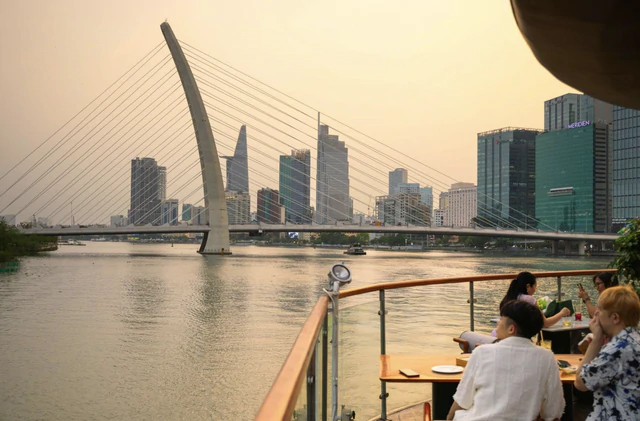
The same principle applies to a cross-brand itinerary. A cruise, a river excursion and dinner can belong together, provided the route makes sense and the family has time to enjoy each part. We can evaluate that through booking conversion, contribution after delivery costs and guest feedback on the pace of the trip. The customer’s experience and the economics both deserve a place in the decision to expand.
What I want the holding company to make possible
When I think about that traveller’s email, I see a customer giving us a second chance to earn his family’s trust. The advisor needs room to listen and revise the journey. The cruise and dining teams need the freedom to make their own contributions. The group needs to make it easy for those teams to work together and clear who is accountable for the whole trip.
Sixteen years ago, one itinerary gave a traveller memories he still wanted to share. Today, our task is to give his family the chance to make memories of their own. I will know our House of Small Giants is working when our teams can do that together, from the first conversation to the last meal, without waiting for the founder to decide what the journey should be.