

In tourism, climate change is not a distant concern. It is already affecting destinations, assets, supply chains, and business models. For LuxGroup, the journey toward Net Positive 2030 is not only an environmental responsibility; it is a strategy for protecting long-term value.
Dr. Pham Ha – Founding President and CEO, LuxGroup®
For many years, companies treated climate change primarily as a concern for governments, environmental organizations, and the energy industry. That perspective is increasingly outdated. Climate change is now a financial variable capable of affecting revenue, operating costs, asset values, access to capital, and long-term competitiveness.
The connection is particularly clear in tourism. The industry depends on attractive landscapes, favorable weather, water availability, healthy ecosystems, cultural heritage, and reliable access to destinations. When coastlines erode, storms become more severe, water supplies decline, or temperatures rise, tourism businesses do not simply lose natural resources. They can also lose entire seasons, experience disrupted itineraries, face higher insurance costs, and deliver poorer guest experiences.
LuxGroup® therefore views climate change through two lenses: responsibility and strategy. Responsibility requires us to reduce the negative consequences of our activities. Strategy requires us to protect our assets, destinations, and competitive position over the long term.
Climate Change Is a Material Financial Risk
Businesses face two broad categories of climate-related risk.
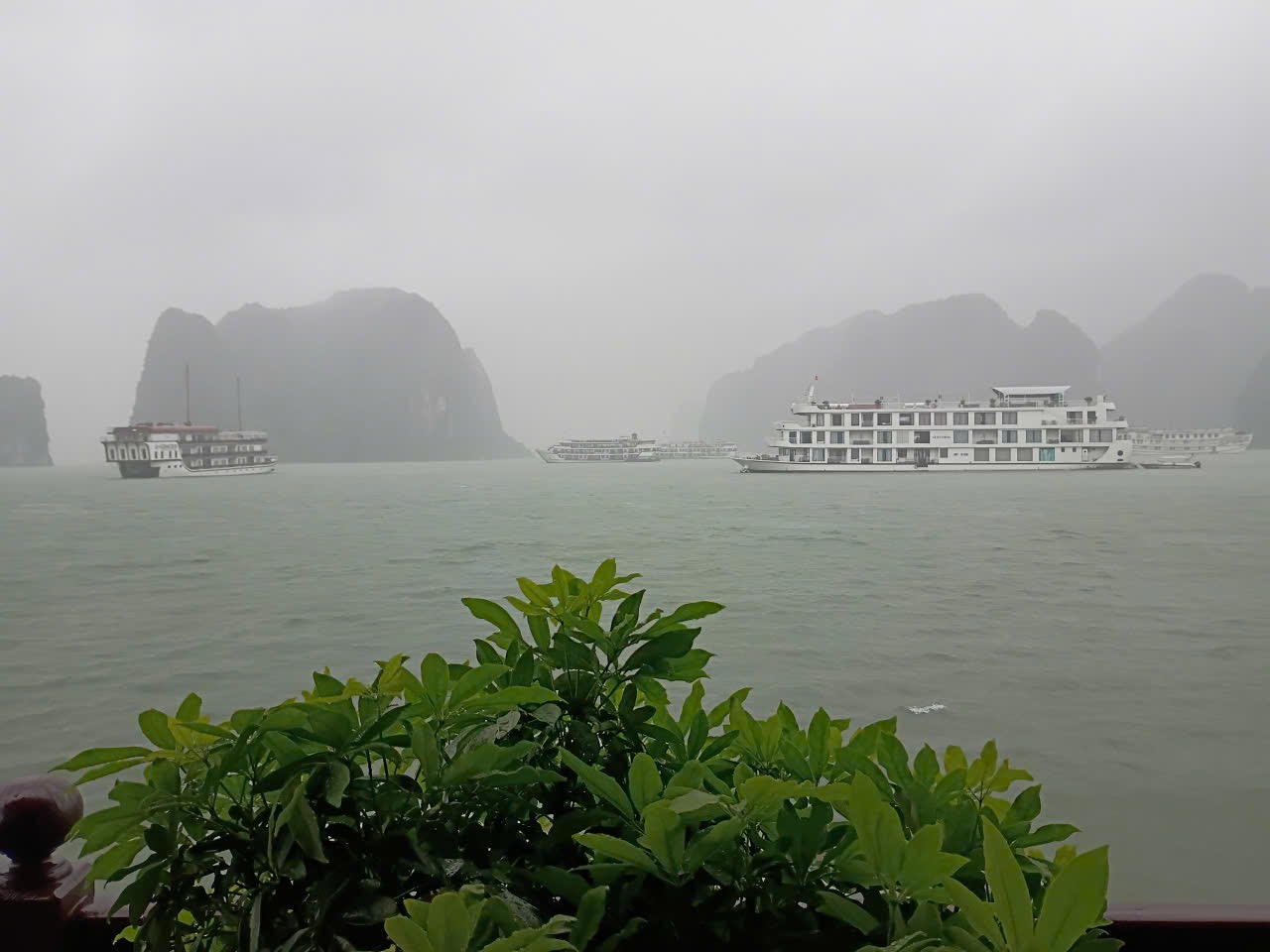
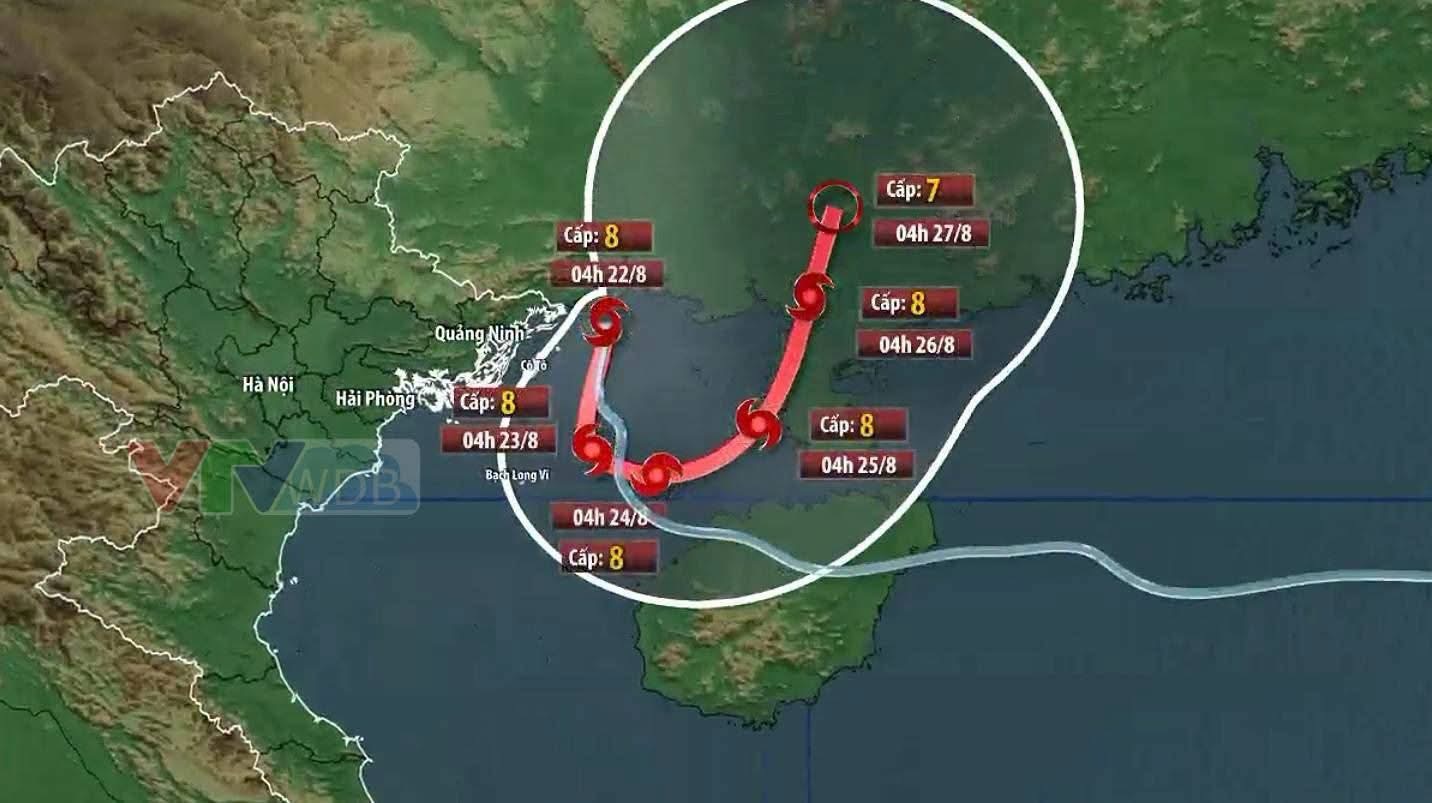
The first is physical risk. Storms, floods, sea-level rise, extreme heat, and changing precipitation patterns can damage ships, ports, hotels, and tourism infrastructure. For a company operating on Vietnam’s coast, rivers, and bays, extreme weather can also disrupt itineraries, affect passenger safety, increase fuel consumption, and raise maintenance costs.
The second is transition risk. As economies move toward lower-carbon models, businesses will face stricter environmental standards, carbon pricing, new disclosure requirements, technological disruption, and changing customer expectations. Assets that depend heavily on fossil fuels may lose value more quickly than anticipated.
Yet one company’s risk can become another company’s opportunity. International travelers increasingly seek lower-carbon journeys, responsible experiences, and brands that can demonstrate a positive contribution to their destinations. Companies that move early may gain access to green capital, reduce operating costs, attract talent, and build lasting stakeholder trust.
Climate investment should therefore not be treated merely as a compliance expense. It is an investment in resilience and future value.
Moving from Net Zero to Net Positive
Net zero means reducing greenhouse gas emissions until the remaining emissions can be balanced by carbon removed from the atmosphere. For LuxGroup, however, simply neutralizing negative impacts is not sufficiently ambitious.
Our Net Positive 2030 ambition means creating more positive value than the resources we consume or the adverse impacts we generate. This includes protecting nature, reviving cultural heritage, creating local livelihoods, developing human talent, and delivering happiness to guests, employees, partners, and communities.
The first step toward achieving this ambition is not making a declaration. It is measurement.
Under the Greenhouse Gas Protocol, corporate emissions are divided into three categories. Scope 1 covers direct emissions from ships, vehicles, and other assets controlled by the company. Scope 2 covers emissions associated with purchased electricity, heating, and cooling. Scope 3 includes emissions across the wider value chain, such as guest flights, purchased food, transportation, ship construction, outsourced services, and waste disposal.
For tourism companies, Scope 3 is often the largest and most difficult category to measure. This does not mean it should be ignored. Companies should identify their most material sources of emissions, establish a credible baseline, and prioritize interventions capable of producing the greatest change.
Cleaning the Economy, Not Just the Report
A company can reduce its reported carbon footprint by selling a high-emitting asset. An investor can similarly make a portfolio appear greener by divesting from carbon-intensive companies.
But if the asset is purchased by a less responsible owner and continues to emit at the same level, the real economy has not become cleaner.
This is the difference between achieving net zero on paper and achieving it in the real economy.
LuxGroup must pursue absolute operational improvements instead of simply transferring emissions to suppliers. Priorities include improving fuel efficiency, optimizing itineraries, adopting renewable electricity, reducing waste, eliminating unnecessary single-use plastics, conserving water, and sourcing more products locally.
For future vessels, the company should explore electric and hybrid propulsion, cleaner fuels, energy-efficient design, and lighter or more sustainable materials. The transition cannot happen overnight, particularly while green maritime technologies continue to carry a “green premium”—the additional cost of a clean solution compared with a high-emitting alternative.
However, green premiums can decline as technology improves, production scales, and charging infrastructure expands. The role of pioneering companies is to create early demand that helps such markets emerge.
Adaptation and Mitigation Must Work Together
Reducing emissions is essential, but it is not sufficient. Some climate effects are already unavoidable, so companies must pursue both mitigation and adaptation.
Mitigation addresses the causes of climate change through renewable energy, energy efficiency, vehicle electrification, waste reduction, ecosystem restoration, and carbon removal.
Adaptation addresses its consequences by strengthening infrastructure, diversifying destinations, preparing for extreme weather, improving emergency procedures, and protecting vulnerable supply chains.
The strongest investments may contribute to both objectives. A marina powered by solar energy, equipped with electric charging facilities and water-recycling systems, and designed to withstand flooding can reduce emissions while protecting operations against climate-related disruption.
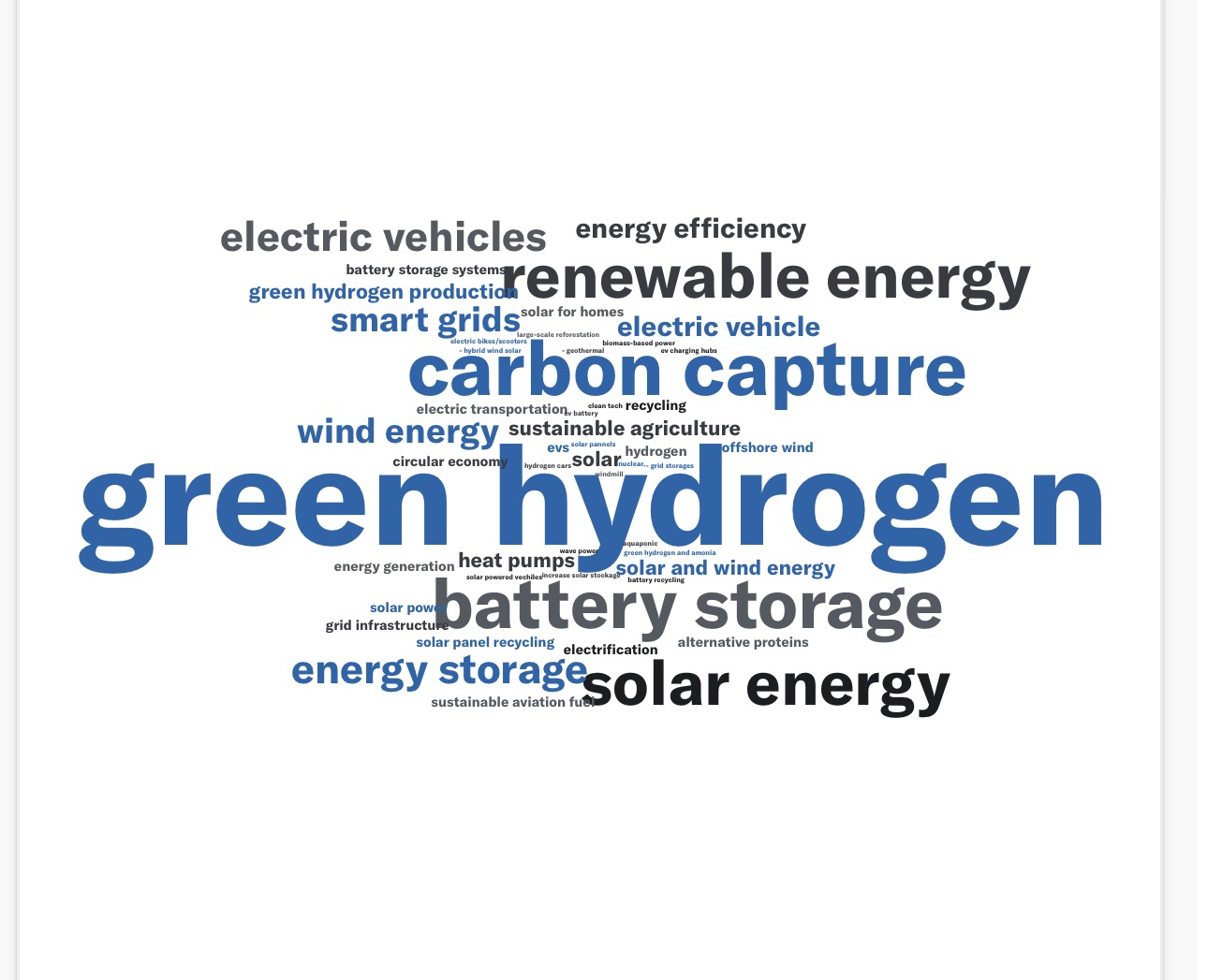
This creates significant investment opportunities in Vietnam: electric vessels, marine charging networks, renewable-powered hotels, intelligent energy-management systems, sustainable construction materials, and climate-resilient tourism infrastructure.
Building a Credible Climate Roadmap
Climate commitments create value only when they are supported by governance, measurable objectives, and accountability. LuxGroup can structure its Net Positive 2030 roadmap around five priorities.
First, it should establish a credible emissions baseline covering Scope 1, Scope 2, and the most material Scope 3 categories.
Second, it should set phased reduction targets for each business unit, with clear ownership, timelines, and capital requirements.
Third, it should integrate climate-related risks into investment decisions, vessel design, destination selection, procurement, and product development.
Fourth, it should adopt a disclosure framework covering governance, strategy, risk management, metrics, and targets.
Fifth, it should publish progress regularly, including targets that have not been achieved and explanations of the obstacles encountered.
Transparency does not require a company to be perfect from the beginning. It requires the organization to understand where it stands, articulate where it intends to go, and accept responsibility for its progress.
Capital Must Support the Transition
The transition also requires a new approach to capital allocation. Investors can encourage decarbonization by engaging with emitters, financing climate technologies, influencing the cost of capital, and developing innovative financial instruments.
LuxGroup can use a similar lens when evaluating projects. Capital should favor investments that reduce operating costs, improve climate resilience, protect destinations, and create measurable environmental or social benefits.
This does not mean every green project will automatically generate superior returns. Some technologies will fail, and some projects will take longer to mature. Investment discipline therefore remains essential. Each project must have a credible business model, a pathway to scale, measurable impact, and a realistic route to reducing its green premium.
The objective is not to choose between profit and purpose. It is to identify opportunities where financial value and positive impact reinforce one another over time.
Luxury Is Culture—and Responsibility
The luxury tourism of the future should not be defined by consuming more. It should be expressed through the quality of the experience, the intelligent use of resources, and the value that remains within the destination.
A genuinely luxurious journey should protect the landscape guests have come to admire, respect the communities that welcome them, and preserve cultural heritage for future generations.
Net Positive 2030 therefore aligns naturally with LuxGroup’s philosophies of Luxury is Culture® and Delivering Happiness®. We do not merely want to reduce the carbon footprint of each journey. We want every journey to make a positive contribution to Vietnam’s nature, culture, and people.
Climate change is the greatest collective challenge of our time. No company can solve it alone, but every company can choose whether it will remain part of the problem or become part of the solution.
For LuxGroup, that choice is clear: growth must be responsible, investment must create impact, and luxury must leave a positive legacy.
In the emerging economy, the most sustainable company will not simply be the one that emits less. It will be the company that creates more enduring value for the world on which its success depends.