

The next challenge for sustainable tourism is to move beyond improvements inside a single company. For LuxGroup®, lasting progress depends on changing how businesses, suppliers, communities, and public institutions work together.
By Dr. Pham Ha, Founding President & CEO, LuxGroup®
Imagine a cruise ship that replaces single-use plastic bottles, reduces food waste, and trains its crew to protect the environment. These are worthwhile improvements. But if the river grows more polluted, the port becomes congested, and nearby communities see little benefit from tourism, how sustainable can that ship really be?
The question pushes leaders beyond the boundaries of their own companies. LuxGroup® has grown from a travel enterprise into a “House of Small Giants,” with specialist brands in travel, cruising, hospitality, gastronomy, and culture. Lux Travel DMC has received Travelife Certified recognition, while Amiral® has opened a new chapter for the group on the Saigon River. Each step creates an opportunity to improve the guest experience. It also increases our dependence on places and people whose futures we do not control alone.
A central lesson from Module 2 of Sustainable Business Strategy is that one company can start a change, but lasting change at scale requires others to move with it. For LuxGroup®, this is a business question. The quality of a journey depends on healthy waterways, capable workers, reliable suppliers, welcoming communities, and destinations that remain worth visiting.
Prove the value before asking others to follow
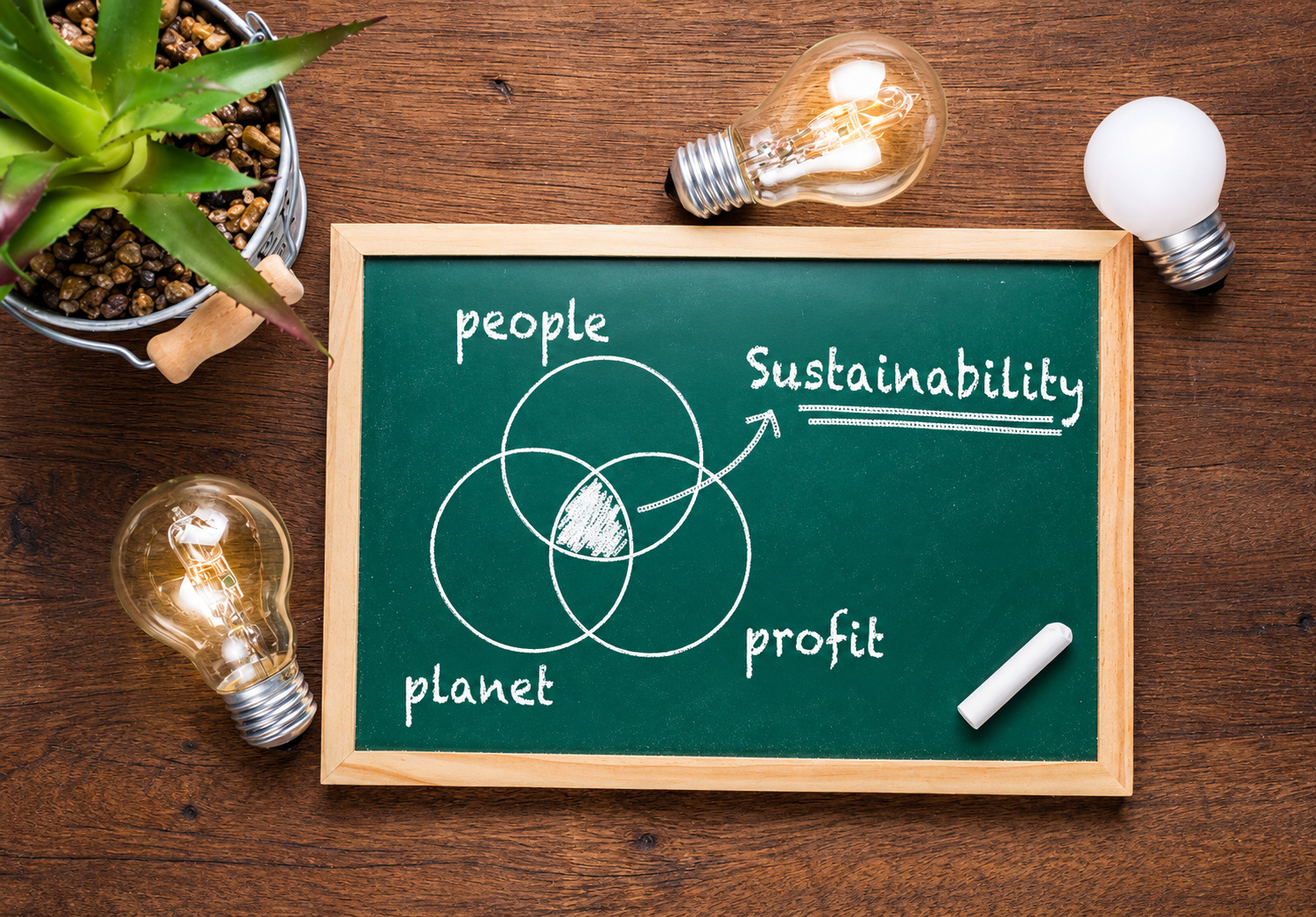
A sustainable practice spreads when it solves a real business problem. In luxury travel, that problem might be how to give guests a deeper understanding of a destination, retain skilled employees, or increase the value of each journey without placing proportionately greater pressure on local resources.
LuxGroup can test possible answers through individual products. A well-designed river journey might connect urban history, regional food, craft traditions, and life along the waterfront. If guests value the experience, suppliers receive dependable business, and the company earns an appropriate margin, the model has a case for expansion. If those outcomes are unknown, a sustainability claim will struggle to convince investors, partners, or other operators.
That makes measurement a management decision. Counting fewer plastic bottles is useful, but it tells us little about the value created by a journey. Leaders should also examine how much guest spending reaches local suppliers, whether employees gain skills and stable income, the operating cost per guest, fuel consumption, resident feedback, and guests’ willingness to recommend the experience. Each measure needs a clear definition. Otherwise, a collection of attractive numbers can obscure the trade-offs leaders need to manage.
The first mover can pay a price
Some changes benefit an entire industry but are difficult for one company to make alone. In the course’s concentrated-detergent case, the advantages of smaller packaging and more efficient transport were apparent. Yet a manufacturer moving by itself risked losing customers to familiar, larger bottles. Walmart’s scale helped bring suppliers toward a shared transition.
Tourism faces comparable choices. A company that improves wages and training may carry higher costs before it sees gains in service or retention. An operator that limits visitor numbers at a sensitive site may lose sales to a rival with no such limit. A cruise company that invests in better waste systems may struggle to defend its price if customers and distributors compare only sailing time and the meals included.
Leaders therefore need to decide where they want to compete and where they need a stronger common standard. LuxGroup should compete through the quality of its Vietnamese storytelling, the design of its journeys, attentive service, and its understanding of guests. Safety, fair working conditions, and protection of shared resources call for broader participation. When these foundations are credible across a destination, companies have more room to compete on the value they create.
A river is a shared asset
The course’s aquifer simulation illustrates a familiar trap. Each utility can increase pumping to improve its short-term position. If all do so, the water disappears and every business suffers. Many tourism destinations face the same logic. No single operator owns a bay’s beauty, a river’s water quality, an unclogged waterfront, or the goodwill of local residents.
This makes voluntary cooperation difficult. Why should one business restrain itself if others can benefit from that restraint without sharing its cost? An agreement becomes more credible when participants can see the gains from cooperation, communicate regularly, understand who is responsible for what, observe whether commitments are kept, and respond when they are broken.
For a river tourism corridor, the work could begin with a small set of practical tasks: identify bottlenecks at the wharf, agree on how waste and incidents are recorded, share relevant information about arrival times, hear residents’ concerns, and review improvements each quarter. LuxGroup can help convene and participate in such work. The river’s future requires a wider group at the table.
The palm oil and sustainable fisheries cases offer another lesson. Businesses cannot simply write their own standards and declare themselves successful. Suppliers, technical experts, communities, civil society, and public authorities have knowledge and interests that must shape both the goals and the way progress is checked. Bringing them in takes time. It also makes the resulting commitments more credible and more likely to endure.
Purpose is tested by difficult decisions
LuxGroup’s purpose, Delivering Happiness®, and its belief, Luxury is Culture®, matter most when they guide a choice. Which supplier should we select? How much time should we reserve for training? Where should a new route operate? When should we invest in another vessel? Which opportunity should we decline?
A sound decision will not always produce the highest immediate return. At times, the company may need to run a smaller pilot, pay the cost of learning, or delay expansion until it better understands a destination’s capacity. Purpose needs investment discipline to survive those choices: a clear hypothesis, a limited budget, agreed review points, and a willingness to change course when evidence does not support the original plan.
This is also a test of LuxGroup’s “House of Small Giants” model. The parent company should uphold shared principles, review major capital commitments, and help specialist businesses learn from one another. Each business needs enough authority to spot opportunities, test products, and respond to its customers. If every initiative waits for the founder, innovation will slow. If each unit pursues growth without shared discipline, the group risks stretching its capital and weakening its culture.
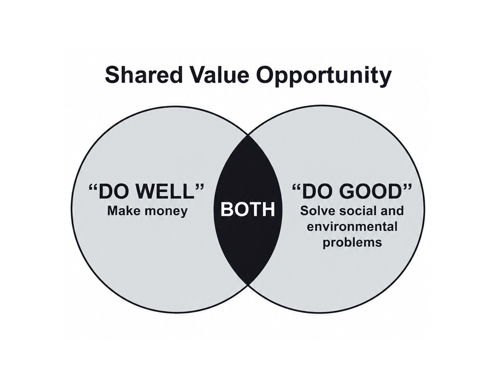
The next step for LuxGroup is therefore larger than adding more “green” products. It is to show, through a manageable number of journeys and investments examined honestly, how cultural depth, good work, care for destinations, and sound financial performance can reinforce one another. Then the company must share what it learns and work with those who can improve the wider system.
One ship can begin a voyage. Keeping the river healthy enough for the voyages that follow will take many hands.