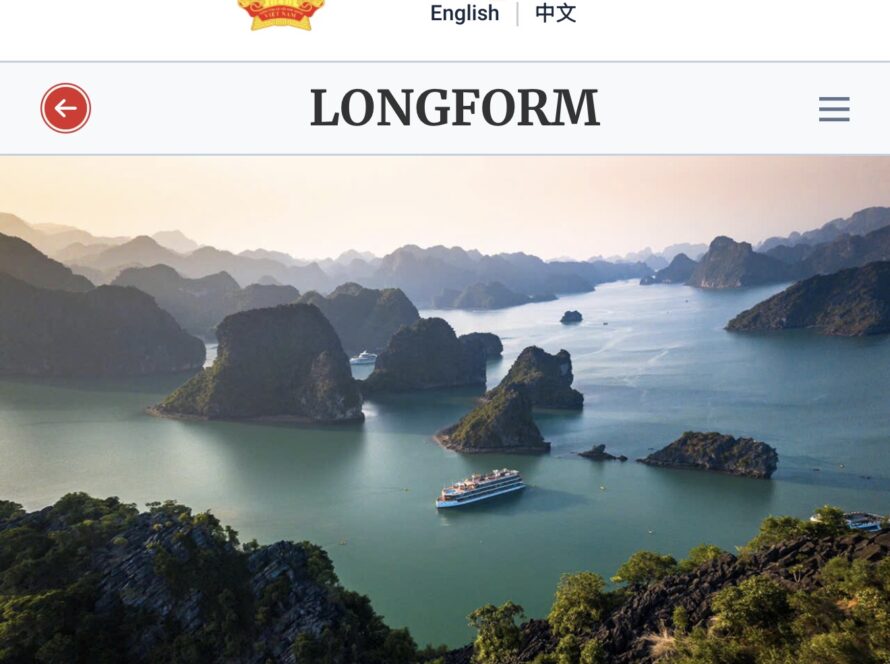


How LuxGroup’s House of Small Giants Connects Culture, Marketing, and the Guest Experience
By Phạm Hà, Founding President & CEO, LuxGroup®
A guest may discover a cruise through an advertisement, book it through a travel adviser, and board because the photographs look beautiful. What happens next determines whether that booking becomes a relationship. The welcome, the meal, the conversation, the response to an unexpected request: these moments give substance to everything the company has promised.
At LuxGroup, this is where branding and marketing meet. Marketing helps us understand demand, design offers, reach customers, and convert interest into bookings. Branding gives those activities a recognisable meaning and direction. The guest’s experience determines whether that meaning deserves trust. Our task is to connect all three while building what we call a house of small giants.
A popular comparison describes marketing as short term and transactional, branding as long term and emotional. The distinction is appealing but incomplete. Marketing can develop lasting relationships; a brand can influence an immediate purchase. Both shape expectations. Both affect commercial performance. What matters is whether they help the business attract people it can serve exceptionally well—and give those people good reasons to return.
For a group of specialist businesses, that requires choices at two levels. Each brand needs its own audience, character, and experience. The parent company needs to make membership of the group valuable through shared principles, capabilities, and accountability. LuxGroup’s small giants philosophy seeks to preserve that closeness to customers as the businesses develop.
Culture gives the portfolio a common direction. Our belief, “Luxury is Culture®,” asks each business to reveal something meaningful about Vietnam through its experience. History, art, cuisine, craftsmanship, and hospitality become sources of product design. Their value depends on how thoughtfully we interpret them and how naturally guests encounter them. A cultural reference should reward curiosity, with enough depth to sustain a conversation.
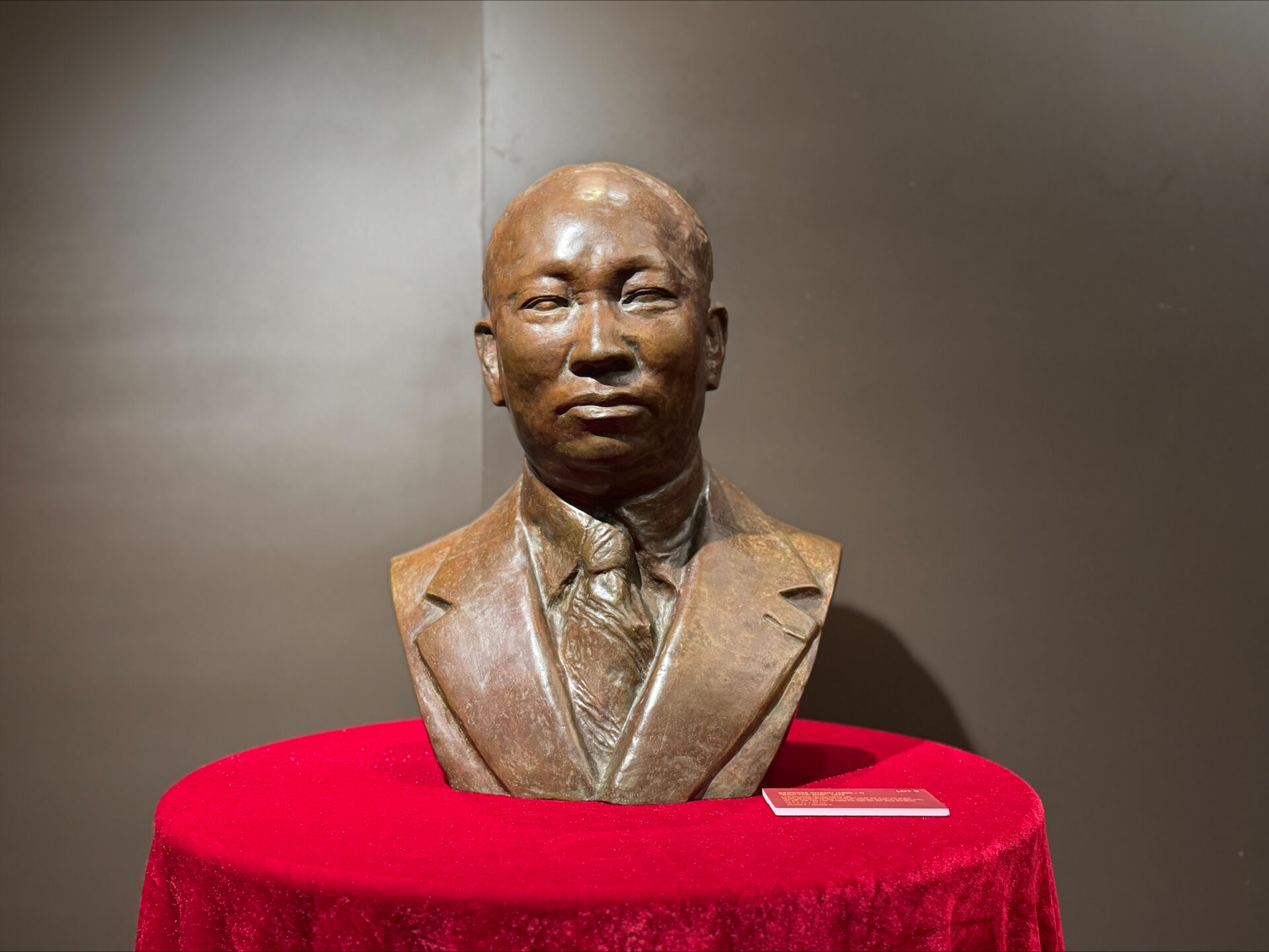
Heritage Bình Chuẩn provides a concrete example. Its identity draws on Vietnamese maritime heritage and the legacy of entrepreneur Bạch Thái Bưởi. Its 20 suites sit within an experience that includes a library and an art gallery. The name, spaces, and cultural interpretation give the vessel a story with substance. They also set expectations that the team must fulfil.
For marketing, that creates material more specific than photographs of cabins and limestone scenery. A prospective guest can discover why the ship carries its name, what art awaits aboard, and how the journey connects with the region. For operations, it creates a responsibility to make that discovery rewarding. Employees need knowledge, confidence, and time to answer questions. The story gains credibility through the people who tell it.
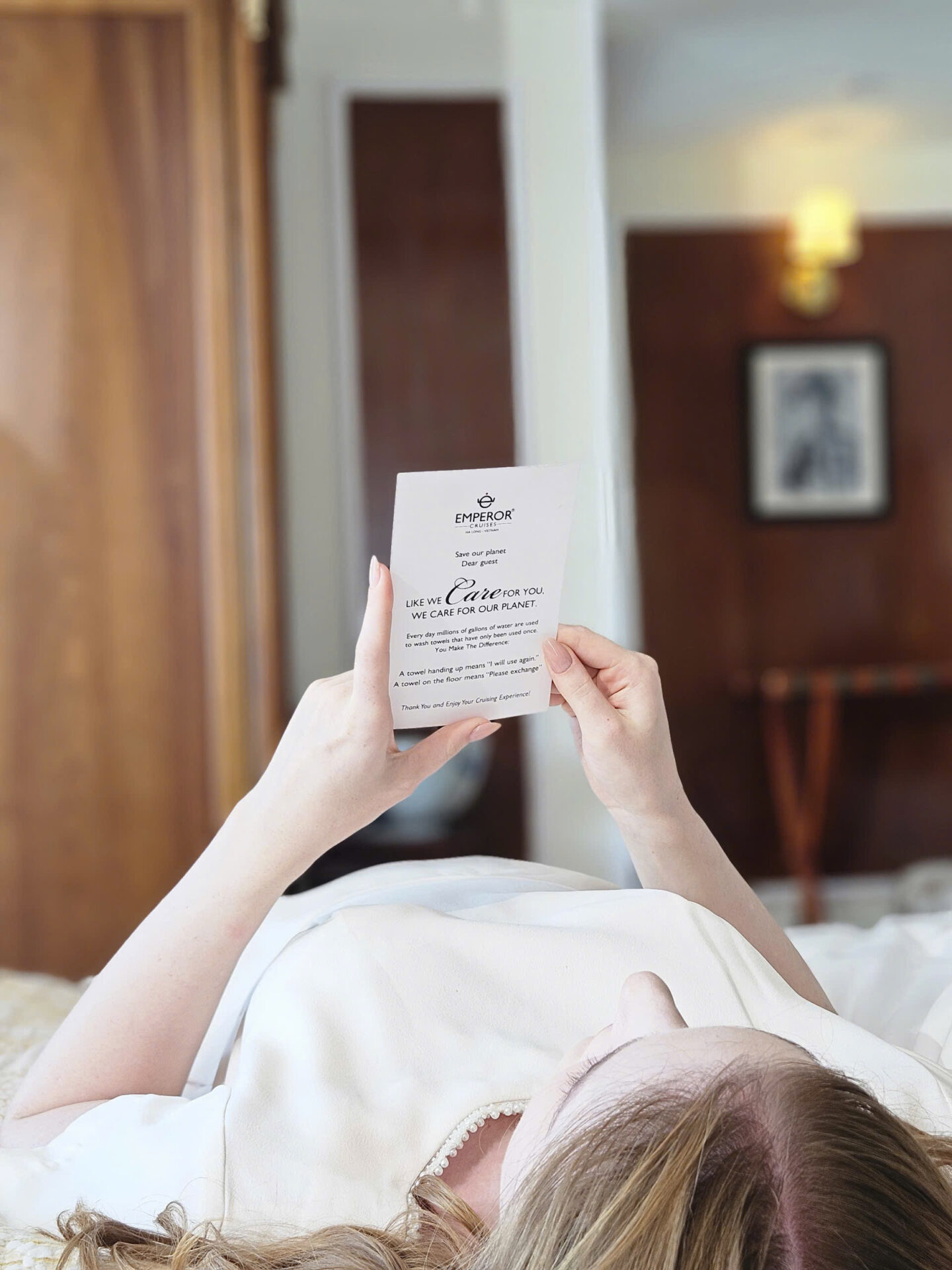
Emperor Cruises expresses another character within the house. Its positioning draws on the lifestyle associated with Emperor Bảo Đại. A ten suite vessel, personal butler service, and journeys in Bái Tử Long Bay support an experience centred on intimacy and attentive care. These are tangible choices that customers can evaluate before booking and experience once aboard.
The commercial implication is important: Heritage and Emperor should offer clear reasons for different guests to choose them. If their websites, sales conversations, and experiences become interchangeable, the portfolio loses clarity. Every additional brand creates work: building recognition, training employees, developing distribution, and maintaining a promise. A new name earns its place when it represents a meaningful difference that customers understand and value.
Amiral Cruises brings this thinking to the relationship between river travel and the city. Its identity connects cruising with Vietnam’s history and culture. On the Saigon River, the product can draw meaning from the waterfront, the changing skyline, food, performance, and the stories through which visitors understand the place. The marketing challenge is to make the particular journey legible: who it suits, what it offers, and why it matters.
Distinctiveness begins with a customer need. A couple seeking quiet, a family celebrating together, and a company hosting international partners may ask different things of a voyage. Listening closely can change the itinerary, menu, service, timing, and price. It can also reveal that an existing product is unsuitable. That discovery is useful: a company builds trust when it recommends responsibly and creates products around needs it can serve.
This is why marketing belongs early in product development. Enquiries, booking objections, guest conversations, and partner feedback help leaders identify opportunities worth testing. The discipline is to turn those observations into a clear offer, try it at a manageable scale, and examine the result. A persuasive campaign becomes more valuable when the product behind it has been shaped by evidence.
Distribution must carry the same clarity. Travel advisers need accurate descriptions, reliable availability, and prompt answers. Direct customers need to understand inclusions, transfers, suitability, and payment terms. A slow response or ambiguous quotation can undermine an otherwise compelling identity. The booking process is already part of the experience; guests begin forming judgements well before they reach the vessel.
Employees carry those judgements into daily service. A promise of personal attention requires sufficient staffing, useful information, and authority to resolve concerns within clear boundaries. Leaders must make those conditions possible. “Delivering Happiness®” becomes practical when a team understands what matters to a guest and has the judgement to act. Training, scheduling, and decision rights therefore deserve a place in any serious discussion of brand investment.
The group’s role is to support this work without flattening the differences between its businesses. Shared expertise in finance, technology, people development, and commercial analysis can strengthen each small giant. Shared standards can protect safety and credibility. Individual leaders still need room to adapt the experience to their customers. The objective is a portfolio whose members have their own character and a dependable foundation.
Credibility also demands precision about sustainability. Lux Travel DMC’s Travelife Certified recognition applies to that business; communications should attribute it accordingly. The same care should govern claims about community benefits, environmental performance, and cultural preservation. Customers deserve to know what has been done, where it applies, and what evidence supports it. Clear boundaries make an achievement more useful and trustworthy.
Commercial discipline completes the picture. Leaders should examine enquiry quality, conversion, acquisition costs, and booking contribution after commissions and discounts. They should also ask what guests remember, whether the experience matched expectations, and why people recommend it. These measures need interpretation: seasonality, distribution, pricing, and service quality all influence results. A beautiful story is an asset to develop and test through business performance.
For me, the next leadership challenge is to make this judgement possible beyond the founder. Each business needs leaders who can listen, make choices, and uphold its character. The parent company must provide enough clarity and support for those decisions to endure.
A house of small giants will earn its reputation voyage by voyage. Its strongest marketing will carry stories the experience can fulfil. Its brands will grow through the confidence of people who have travelled with us—and can describe, in their own words, why someone else should.