

Pham Ha – Founder, President and CEO of LuxGroup®
Some journeys end when we return home. Others begin there, when what we have seen continues to challenge how we live, lead, and do business.
Sơn Đoòng was that kind of journey for me.
Before a place shaped by nature over a timescale far longer than any human life, I found myself thinking about the word conquest. We speak of conquering a mountain, a cave, or a market. Yet perhaps the hardest thing to conquer is our own impatience: the desire to move faster, welcome more visitors, build more, and recover an investment sooner.
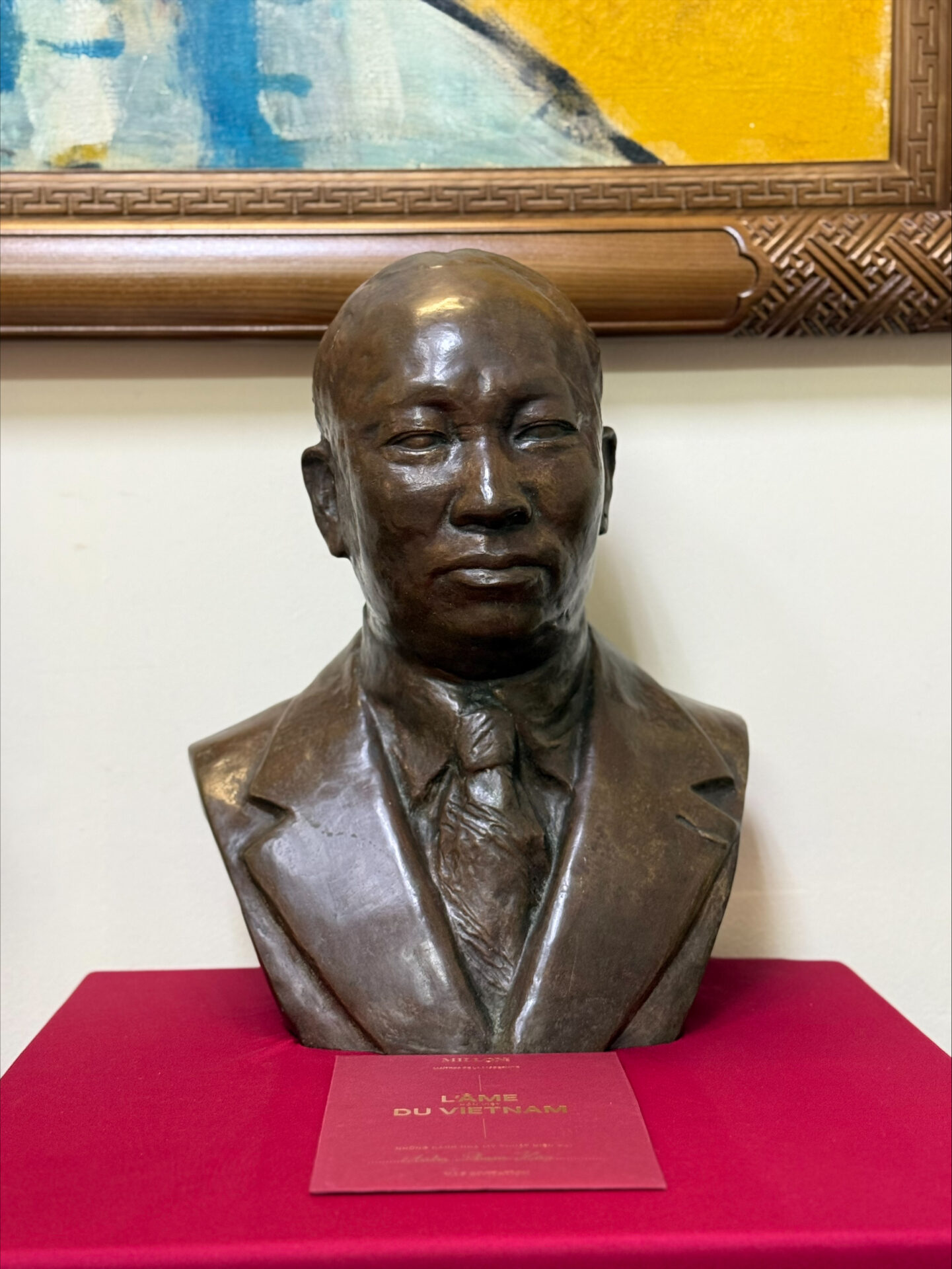
I also thought of Bạch Thái Bưởi. In 2019, I wrote about him as a Vietnamese entrepreneur who entered the fiercely competitive waterways business, learned from others, trusted capable people, kept his word, and built a brand rooted in national pride. He saw more than ships. He saw the possibility of Vietnamese people shaping the future of travel on their own rivers and seas.
That earlier story and my journey to Sơn Đoòng have left me with five lessons I want to bring into LuxGroup.
1. A bold vision begins with respect for limits
Faced with a natural wonder, the easiest question for a tourism entrepreneur is: How can more people come here? The question that should come first is: How many people can this place welcome while remaining itself?
A destination is not a factory whose output can increase indefinitely. Its value lives in its ecosystem, its quiet, the rhythms of the local community, and the sense of discovery visitors come to find. If we damage those qualities in pursuit of immediate success, we consume the future of our own industry.
This is true of a cave, a river, a bay, or a small village. At LuxGroup, I want every proposal for a new experience to begin with an understanding of the destination’s limits. What impact can its environment absorb? What does the community want? How will the guest experience change if visitor numbers rise?
Limits need not stop growth. They can make us more inventive. We can improve quality instead of simply increasing volume. We can encourage guests to stay longer instead of rushing them through. We can create more value from each journey instead of extracting more from each place.
Responsible luxury knows when to stop.
2. Courage needs the support of discipline
I admire people who dare to begin. Bạch Thái Bưởi entered the waterways business when his competitors had more capital, more experience, and stronger positions. In my earlier article, I focused on his willingness to learn, differentiate his service, and respond to what passengers actually needed.
But courage in business does not mean taking risks without preparation. On an expedition, safety rules allow people to move forward. On a cruise, the procedures guests rarely see determine whether they can relax and enjoy the view outside their window.
The same is true across a company. A vision such as Vietnam Waterways cannot be told only through route maps and beautiful images of Vietnamese ships. It requires financial discipline, crew training, maintenance, risk management, weather planning, environmental care, and consistent service.
I want LuxGroup’s teams to understand that good processes do not diminish creativity. They protect the basic promises we make to guests and help employees manage risks we can foresee. When those foundations are sound, our people have more freedom to make an experience personal: a conversation, a meal, or a cultural story can then become a lasting memory.
Ambition gives us a reason to set out. Discipline helps us bring everyone home safely.
3. A leader cannot know every stretch of the route
A founder-led business has real strengths in its early years. Decisions can be quick, conviction strong, and identity clear. Yet those same strengths can become constraints if every idea, investment, and difficult decision must eventually return to one person.
One lesson I took from Bạch Thái Bưởi was his willingness to trust capable colleagues and value Vietnamese expertise. Sơn Đoòng made that lesson feel even more immediate. To keep going, we must listen to those who know the terrain, respect every person’s role, and accept that sometimes the leader should follow.
I have been thinking deeply about LuxGroup’s transition from a company shaped by its founder into a House of Small Giants. Each specialist business needs leaders who understand their market, take responsibility for cash flow and service quality, and have room to test new ideas. The parent company should establish shared values, investment principles, and ways to learn across the group. The businesses themselves need the freedom to apply their expertise.
Delegation is not withdrawal. It means being clear about who may decide what, what evidence they should use, and how we will review the outcome together. If we do that well, LuxGroup will have many people capable of leading a journey, instead of one person trying to know every path.
4. Trust matters most when keeping it costs us something
It is easy for a business to say that it loves nature, values employees, and respects local culture. Those words acquire meaning when the company faces a difficult choice.
Will we limit visitor numbers when there is demand for more? Will we invest time in training when we are short of staff during peak season? Will we reject an attractive story because it misrepresents a community’s culture? Will we acknowledge a mistake to a guest instead of reaching for a convenient explanation?
I wrote about the importance of trust in Bạch Thái Bưởi’s approach to business. Today, a tourism company’s promises reach further: to guests, employees, partners, host communities, and the places it invites people to visit.
I believe profit is essential. It allows a company to survive, pay people well, invest, and keep improving. But how we earn that profit determines whether we deserve to endure. A journey cannot be called luxurious if guests receive exceptional care while the people serving them are overlooked. A brand cannot call itself sustainable if the beauty in its advertising depends on the decline of the destination.
Trust is not a value printed on a wall. It is a decision we make when no one is there to applaud us.
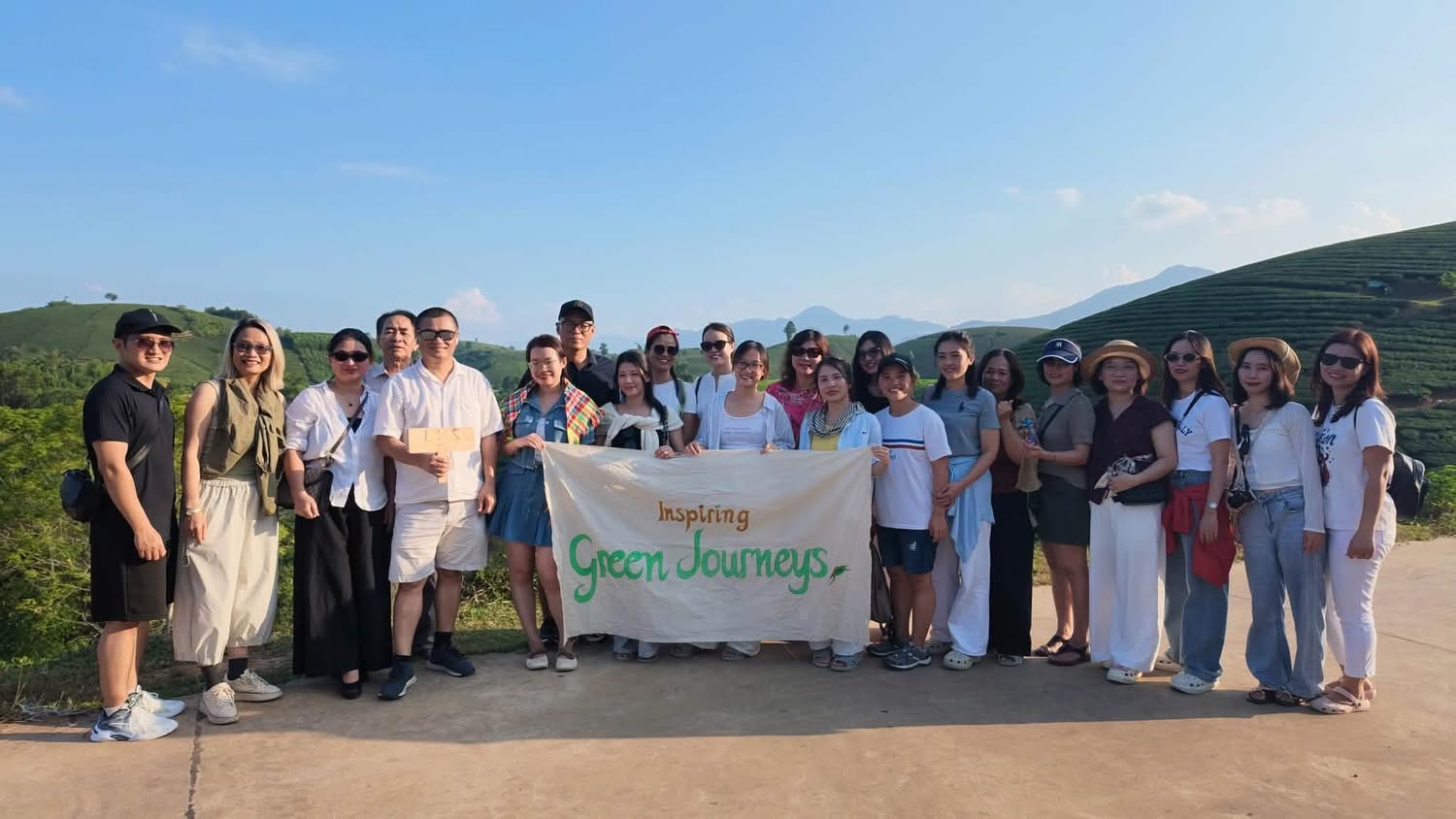
5. A legacy is what remains after we leave
We often measure a journey by the places we visited. I want to measure something else as well: what remains afterward. Does a guide have stronger skills? Has an artisan earned a fairer income? Does a guest understand Vietnam more deeply? Is a river still worth loving after many seasons of tourism?
The Bình Chuẩn in Bạch Thái Bưởi’s story speaks to me of Vietnamese capability and ambition on Vietnam’s waterways. At LuxGroup, drawing on such stories brings a responsibility beyond choosing a name. We must build experiences that serve guests well today without narrowing the choices available to future generations.
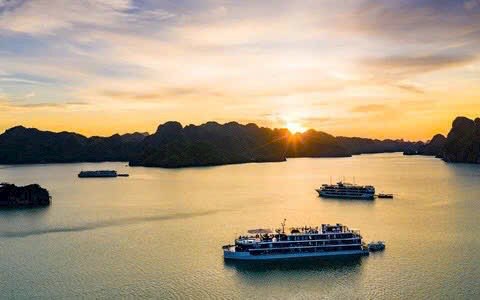
I want our ships to express Vietnamese culture through thoughtful design, attentive service, and a real understanding of every place they pass. I want guests to meet the people who give a destination its character, rather than simply admire a view and move on. I want our employees to feel that their work offers a future, dignity, and joy.
Sơn Đoòng did not give me a management formula. It left me with better questions. How are we growing? Who gets to come with us? What are we protecting? And when our journey ends, what condition will the places we visited be in?
From the depths of the earth to the open sea, the answer I want to pursue is this: go far through Vietnamese capability, travel together through trust, and leave more value than we take.