

As premium airlines, sustainability experts, and heritage-led operators converge, Vietnam faces a defining question: grow faster—or grow better?
On a crisp January afternoon in Hanoi, winter light spilled across the glass walls of a modern hotel in the city’s west. Inside, a conversation unfolded that captured a pivotal moment for Vietnam tourism—not in numbers or forecasts, but in philosophy.
The setting was The Insiders Forum Hanoi, a gathering of industry leaders tasked with unpacking a deceptively simple topic: “New Flight Routes = New Opportunities.” Yet beneath that equation lay a far deeper question: Is Vietnam truly ready for the kind of travelers now arriving at its airports?
After a banner year marked by visa reforms and a surge in new direct flights from India, Australia, Taiwan, Russia, and Europe, Vietnam’s tourism industry finds itself at a crossroads. Growth is no longer the challenge. Readiness is.
When the Sky Opens, Expectations Rise
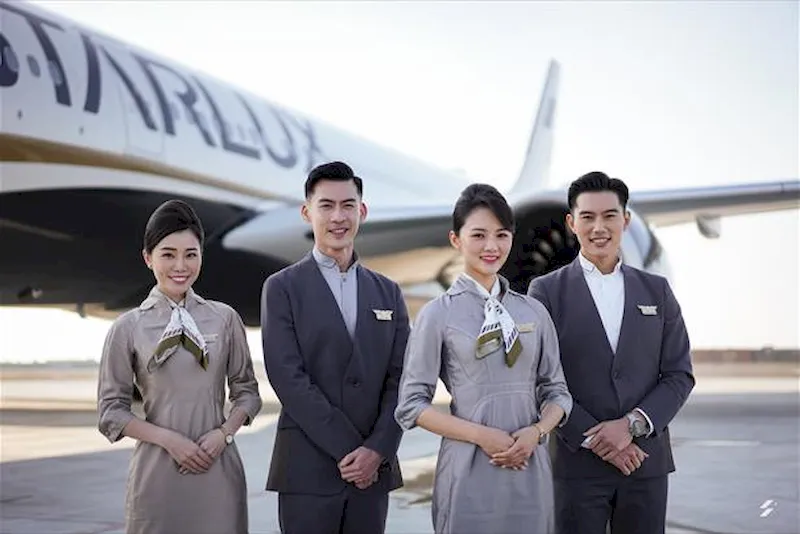
From the aviation perspective, the message was clear. Ben Chang, General Manager of STARLUX Airlines Vietnam, represents a new breed of carrier—boutique, design-led, and relentlessly focused on passenger experience. STARLUX now connects four Vietnamese cities—Hanoi, Ho Chi Minh City, Da Nang, and Phu Quoc—to Taipei, with onward links to Northeast Asia, Europe, and North America.
“Our passengers don’t choose flights based on price alone,” Chang explained. “They choose how they want to feel.”
That distinction matters. STARLUX travelers arrive with refined expectations: intuitive service, thoughtful hotels, meaningful experiences, and a sense that the destination respects their time and values. For them, Vietnam’s appeal is undeniable—culture, cuisine, landscapes—but inconsistency can quickly undermine the magic.
Airlines, Chang reminded the audience, are not merely transport providers. They are filters. The routes they open determine which travelers arrive, not just how many.
Are We Ready—or Just Busy?
No one addressed that question more candidly than Pham Ha, Founding President & CEO of LuxGroup, whose heritage cruises and cultural journeys welcome guests from more than 70 countries.
“Vietnam has worked very hard to bring tourists back,” he said. “But effort is not the same as preparation.”
Pham Ha warned against the temptation to celebrate rising arrivals without examining the quality of delivery. In his view, too many hotels and tour operators still compete almost exclusively on price—discounts, promotions, volume.
“That mindset belongs to yesterday,” he said. “Premium travelers don’t ask, ‘How cheap is this?’ They ask, ‘Is this worth my time, my values, my memory?’”
His advice to the room was pragmatic, almost austere. Hotels do not need to become five-star overnight. A three-star property can upgrade meaningfully this year by focusing on basics done exceptionally well: cleanliness, consistency, empowered staff, and genuine hospitality.
And if there is one skill Vietnam’s tourism workforce must master immediately, he argued, it is empathy—the ability to read guests, anticipate needs, and respond with sincerity rather than scripts.
Heritage Still Matters—If You Tell It Well
One of the panel’s most revealing moments came when the conversation turned to culture. Do foreign travelers really care about Vietnamese history, emperors, and trading dynasties—or do they just want beaches and cheap beer?
Pham Ha smiled. “They care deeply,” he said. “But only if we stop teaching and start storytelling.”
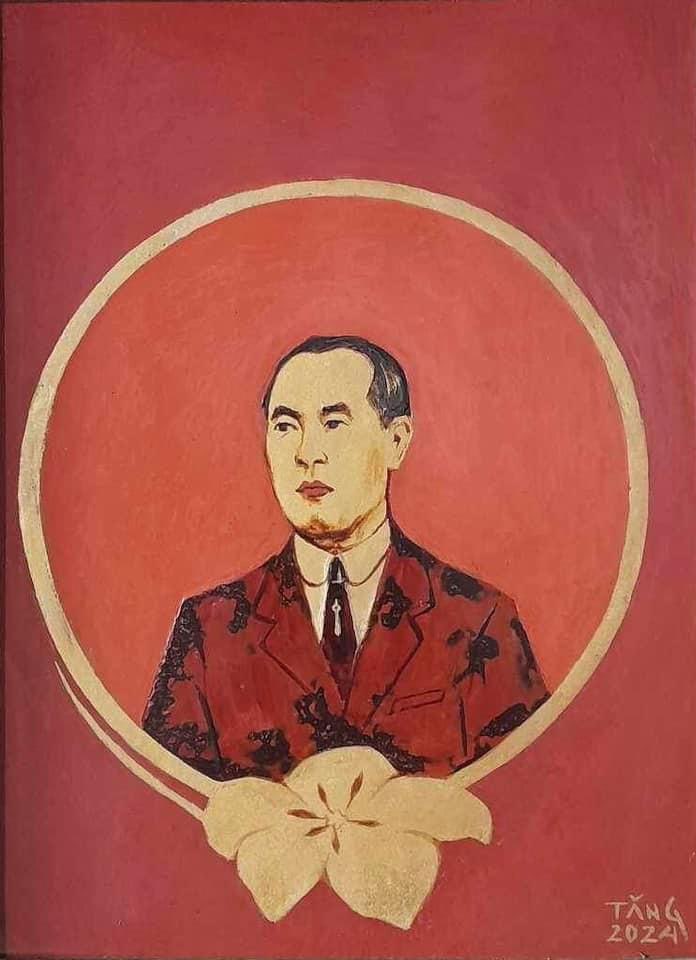
On LuxGroup cruises inspired by Emperor Bảo Đại or merchant-patriot Bạch Thái Bưởi, history is not delivered as a lecture. It is woven into dining, design, music, and human interaction. Guests may arrive for scenery, but they leave with stories—and stories are what transform trips into memories.
In a crowded global market, heritage is not a burden. It is Vietnam’s quiet competitive advantage.
Sustainability: From Obligation to Opportunity
That advantage, however, must now be protected. Nguyen Ngoc Huy, a climate change research expert, reframed sustainability not as constraint, but as strategic leverage—particularly for European markets.
“Climate change is already reshaping travel patterns,” Huy noted. “Vietnam can benefit from that shift—but only if it grows responsibly.”
European travelers, especially from Germany and Scandinavia, increasingly scrutinize hotels and tour operators before booking. They check for green certifications. They notice waste, plastic use, and energy practices. Sustainability, Huy argued, is no longer invisible.
“Done honestly, it allows businesses to charge more, not less,” he said. “Because it signals care.”
Importantly, sustainability does not require massive capital. Small operators can act immediately: eliminate single-use plastics, manage waste responsibly, source locally, and communicate transparently with guests.
Choosing a Better Kind of Growth
As the session drew to a close, the moderator asked each speaker for one final, actionable thought—one thing everyone in the room should do after leaving.
The answers aligned more than they differed:
Listen more closely to guests.
Invest in people before promotions.
Reduce waste even when no one is watching.
Together, they formed a quiet manifesto for Vietnam’s next tourism chapter.
New flight routes will continue to bring travelers. Airports will get busier. Numbers will rise. But the journeys that endure—the ones guests remember, recommend, and return for—will depend on something far less visible.
Not speed, but intention.
Not volume, but value.
Vietnam’s skies are opening. The deeper question is whether its tourism industry is ready to rise to meet them—with grace, confidence, and care.