

As Vietnam welcomes 10.6 million international visitors in just five months, a new luxury economy is emerging—one built on culture, authenticity, and experience rather than extravagance.
Luxury travel is undergoing a profound transformation.
For decades, the sector was defined by visible symbols of wealth: larger suites, more exclusive resorts, private jets, and premium amenities. Today, affluent travelers are increasingly seeking something different. They want experiences that are personal, meaningful, and transformative.
This shift presents a significant opportunity for Vietnam.
The country welcomed more than 10.6 million international visitors during the first five months of 2026, placing it among the fastest-growing tourism destinations in Asia. More importantly, Vietnam is attracting travelers who stay longer, spend more, and increasingly prioritize authentic experiences over conventional luxury.
The implications extend far beyond tourism.
Luxury travel has become a powerful driver of economic value creation. Unlike mass tourism, high-value tourism generates greater spending per visitor, supports local entrepreneurship, preserves cultural assets, and creates jobs across hospitality, transportation, gastronomy, wellness, arts, and heritage sectors.
For Vietnam, this represents an opportunity to move up the global tourism value chain.
The country’s tourism development strategy aims to welcome 35 million international visitors by 2030, while positioning tourism as a strategic economic sector and a catalyst for sustainable growth. Yet the future may depend less on visitor volume and more on visitor value.
The world’s most sophisticated travelers are no longer searching for luxury defined solely by material comfort. They are seeking cultural immersion, human connection, and experiences that cannot be replicated elsewhere.
Vietnam possesses a unique competitive advantage in this regard.
Its cultural depth spans more than 4,000 years of history. Its culinary traditions rank among the world’s most celebrated. Its landscapes range from limestone bays and mountain terraces to tropical islands and river deltas. Most importantly, many of these assets remain authentic and accessible.
This authenticity has become increasingly scarce in global tourism.
In many mature destinations, luxury experiences have become standardized. Travelers may enjoy exceptional service, but often encounter experiences that feel interchangeable from one country to another. Vietnam offers something different: a sense of place.
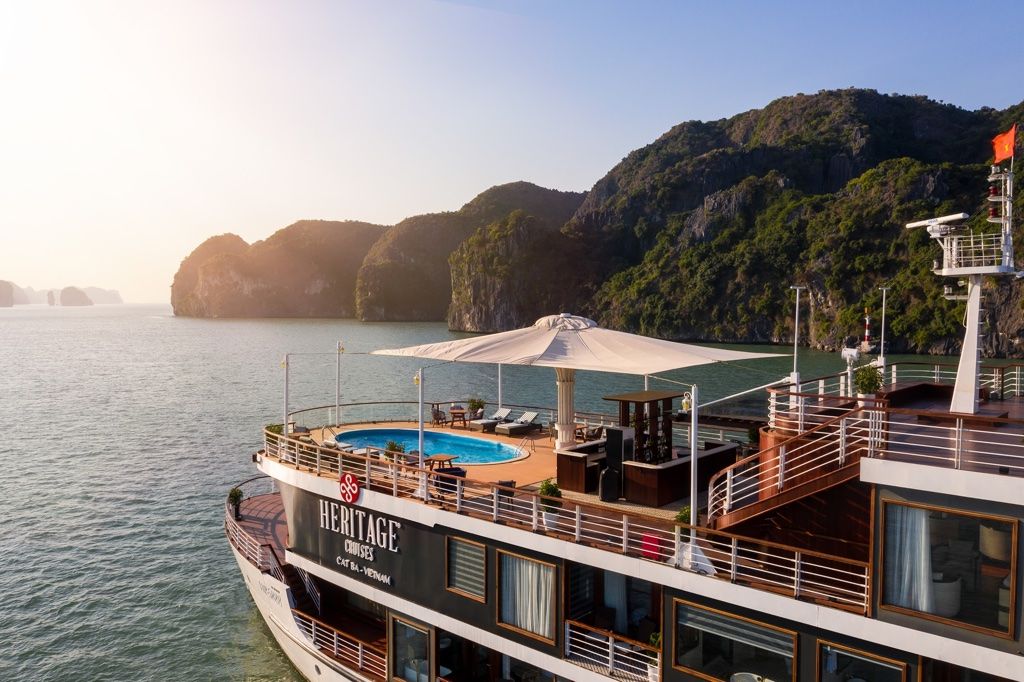
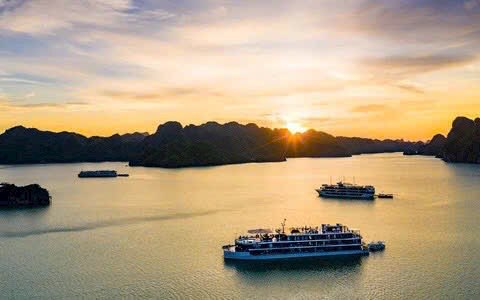
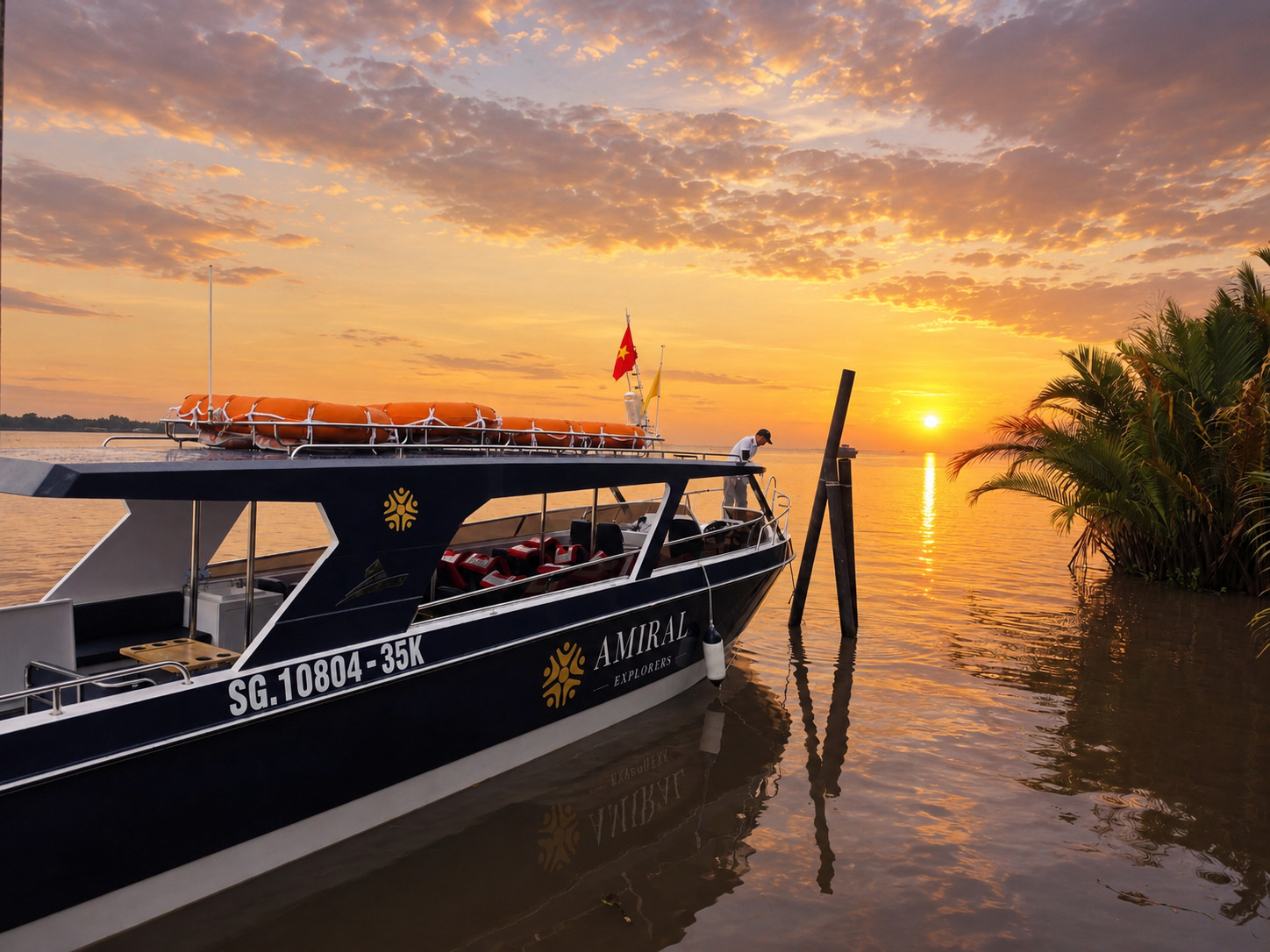
A sunrise cruise through Lan Ha Bay, an evening journey on the Saigon River, conversations with artisans in heritage villages, or a private culinary experience rooted in family traditions provide forms of value that cannot be manufactured.
These experiences create emotional equity.
And emotional equity increasingly drives purchasing decisions among affluent consumers.
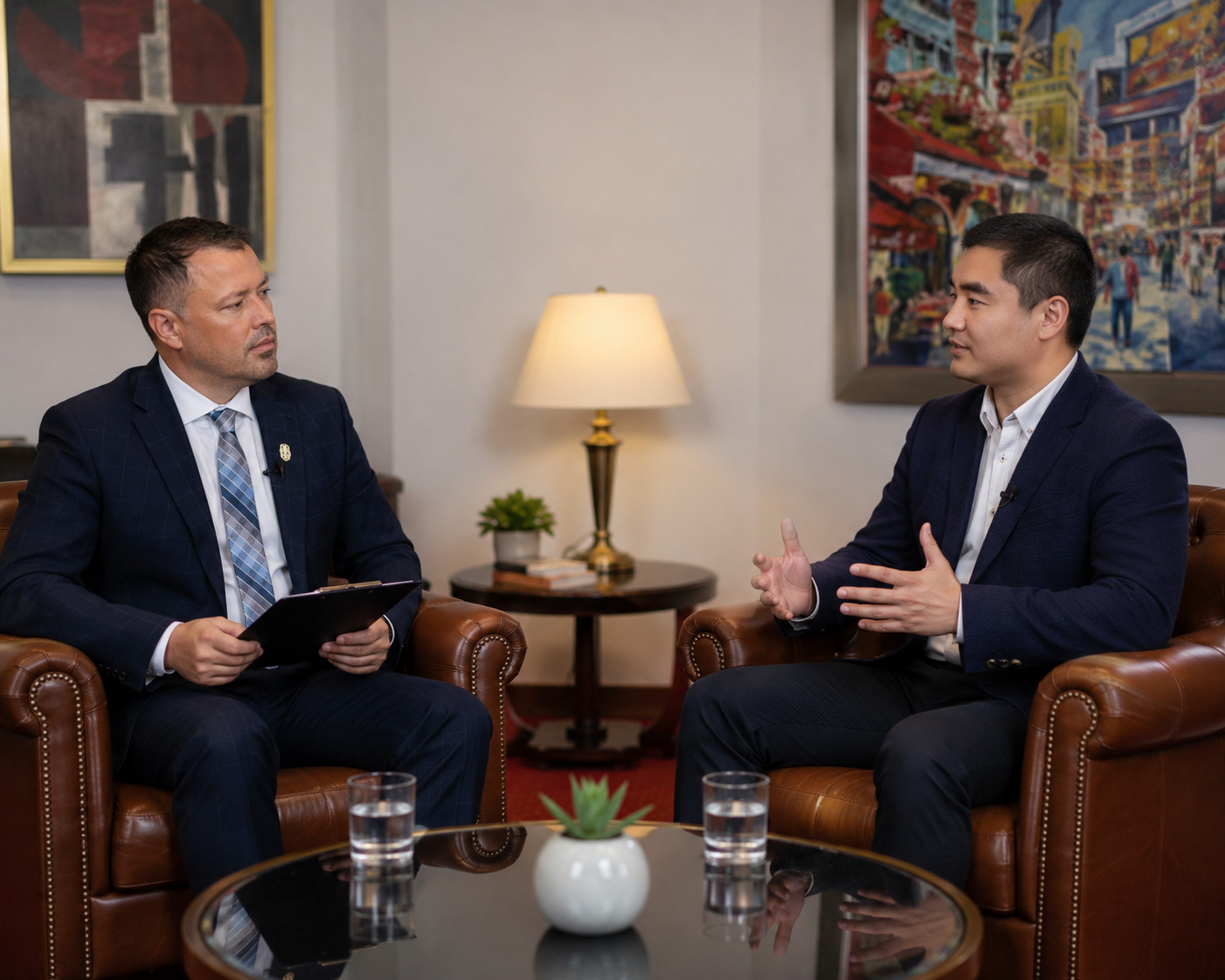
According to Dr. Pham Ha, Founder and CEO of LuxGroup®, the future of luxury lies in meaning rather than excess.
“Vietnam’s greatest luxury is not found in marble lobbies, extravagant amenities, or imported prestige,” he says. “It is found in our living culture, our heritage, our landscapes, and the warmth of our people. Today’s luxury travelers seek authenticity, connection, and transformation. They want journeys that enrich their lives and leave lasting memories.”
His perspective reflects a broader evolution occurring across the global travel industry.
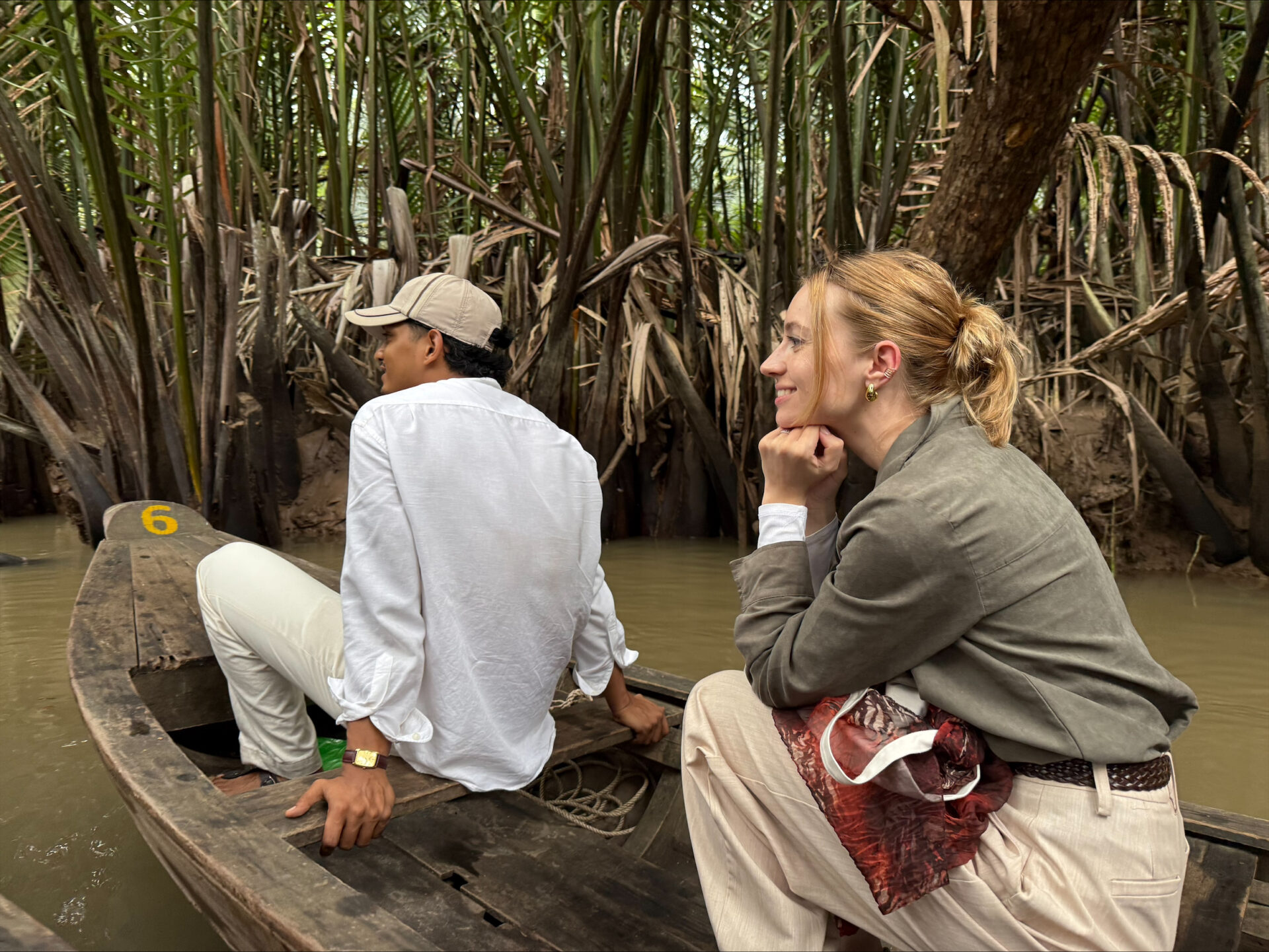
Luxury is becoming less transactional and more transformational.
Consumers are increasingly investing in experiences rather than possessions. They are willing to pay premiums for access, personalization, wellness, sustainability, and cultural immersion. In this environment, destinations capable of delivering meaningful experiences gain a significant competitive advantage.
Vietnam’s emerging luxury sector—from boutique hotels and private expeditions to river cruises and cultural journeys—is beginning to capitalize on this trend.
The challenge now is strategic execution.
As visitor numbers continue to grow, Vietnam must resist the temptation to compete solely on volume. The greater opportunity lies in building a high-value tourism ecosystem that protects cultural heritage, supports local communities, enhances service quality, and encourages longer stays with higher spending.
Countries that successfully position themselves at the premium end of the market benefit from stronger economic resilience and more sustainable growth.
Luxury tourism is not simply about attracting wealthy travelers. It is about creating experiences worth paying for.
That distinction matters.
Because in the global competition for travelers, the winners will not necessarily be the destinations with the largest infrastructure or the biggest marketing budgets.
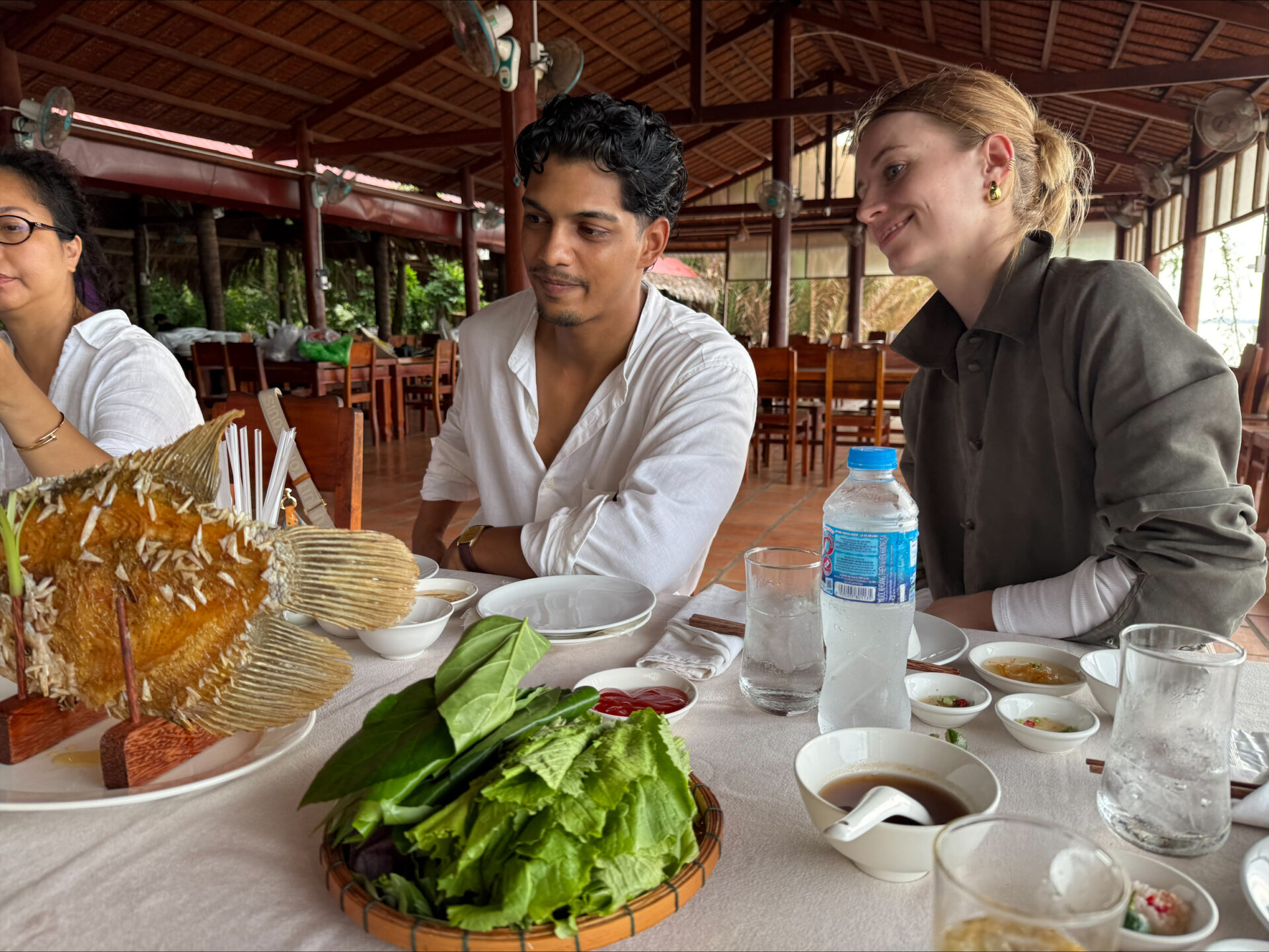
They will be the destinations that offer something genuinely meaningful.
Vietnam already possesses the raw materials: culture, cuisine, heritage, nature, and hospitality.
The next decade will determine whether it can transform those assets into one of the world’s most compelling luxury travel economies.
“Luxury is not measured by opulence,” says Dr. Pham Ha. “It is measured by the lives we touch, the cultures we celebrate, and the legacy we leave behind. The future of luxury travel is not about having more. It is about experiencing more, understanding more, and becoming more.”
If that vision prevails, Vietnam’s most valuable tourism export may not be a destination at all.
It may be the memories, perspectives, and human connections that travelers carry home.