

In the rarefied world of ultra-wealth, art has long functioned as both signal and sanctuary.
Masterpieces were acquired at auction, insured meticulously, and displayed inside penthouses, private museums, or climate-controlled vaults. Art conferred status, permanence, and entry into an elite global conversation. It was an asset class with aesthetic privileges.
But as generational wealth matures—and as cultural confidence deepens—a quieter shift is emerging.
Today’s most sophisticated collectors are no longer asking, What does this artwork cost?
They are asking, What does it mean? And how do I live with it?
In Vietnam, that question has inspired one of Asia’s most original interpretations of cultural luxury: art that does not remain static, but travels—by river and by sea.
From Ownership to Emotional Yield
Among mature wealth holders, art is increasingly valued less for speculative upside and more for what might be described as emotional yield—the daily resonance an artwork brings into one’s life.
“Some artworks do not generate fast financial returns,” says Phạm Hà, Founding President & CEO of LuxGroup®.
“But they generate emotion every single day. And in the long run, emotion is the most enduring form of value.”
In this view, art behaves less like a commodity and more like legacy capital—assets that compound quietly over time through meaning rather than momentum.
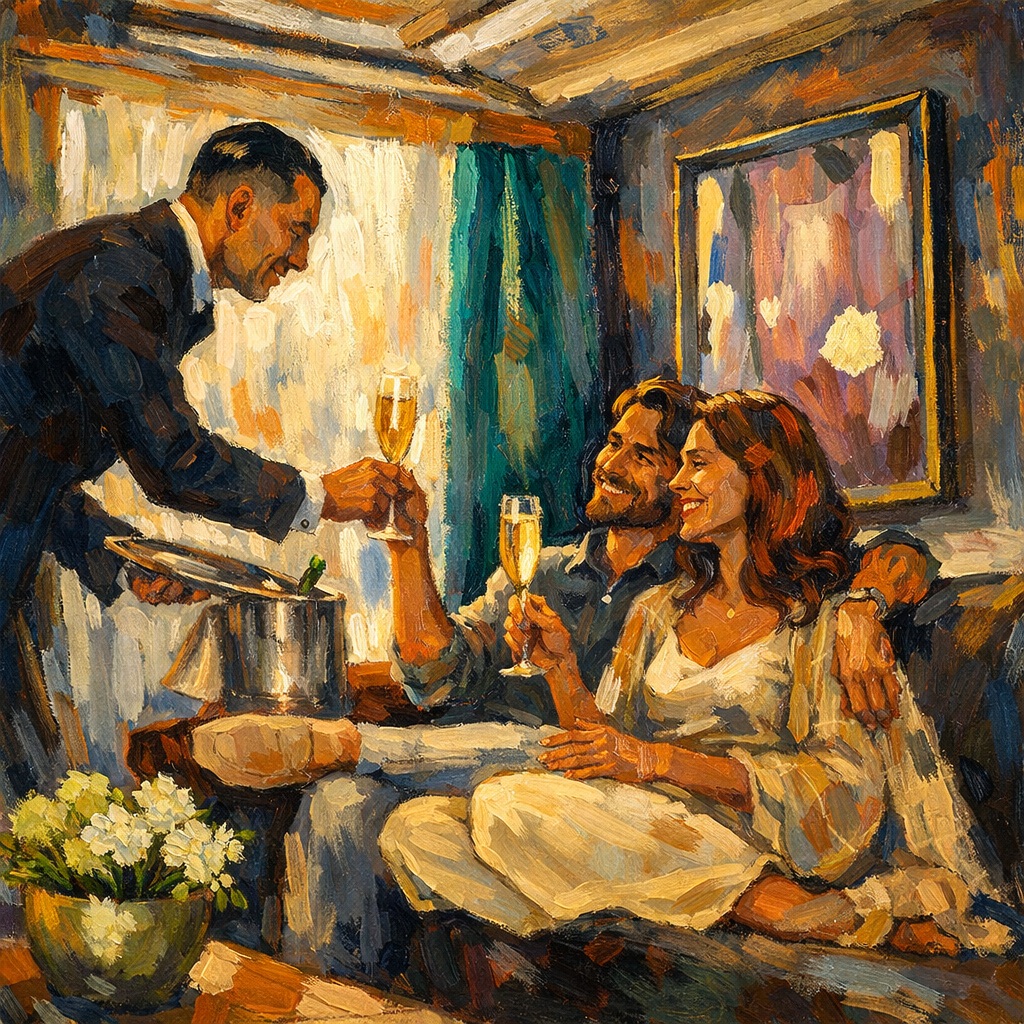
Collectors are no longer satisfied to pass by art in hallways. They want to dwell with it. To let it alter atmosphere. To let it accompany them through movement, reflection, and memory.
Phạm Lực: A Nation Painted Through One Life
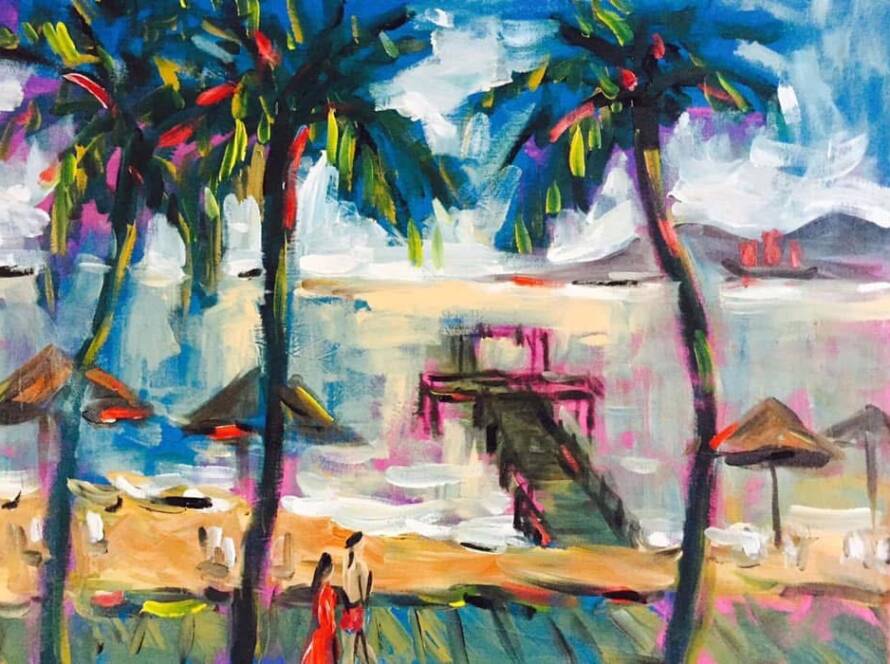
At the center of Phạm Hà’s collection is the work of Phạm Lực—widely regarded as one of Vietnam’s most significant modern artists and often described as the “Picasso of Vietnam.”
Born in 1943, Phạm Lực lived the full arc of the nation’s modern transformation. A soldier-painter, he sketched and painted during wartime not as an observer, but as a participant. His canvases carry peace and conflict, tenderness and endurance—without propaganda, without spectacle.
In his work, one encounters villages and cities, women and soldiers, rivers and mountains. Happiness and sorrow coexist within the same brushstroke. History is not narrated as ideology; it is rendered as lived experience.
Phạm Lực did not paint a nation’s triumph.
He painted its humanity.
For collectors, this distinction matters.
Letting Vietnamese Art Travel
Rather than sequestering these works behind private doors, Phạm Hà made an unconventional choice: to let Vietnamese art move.
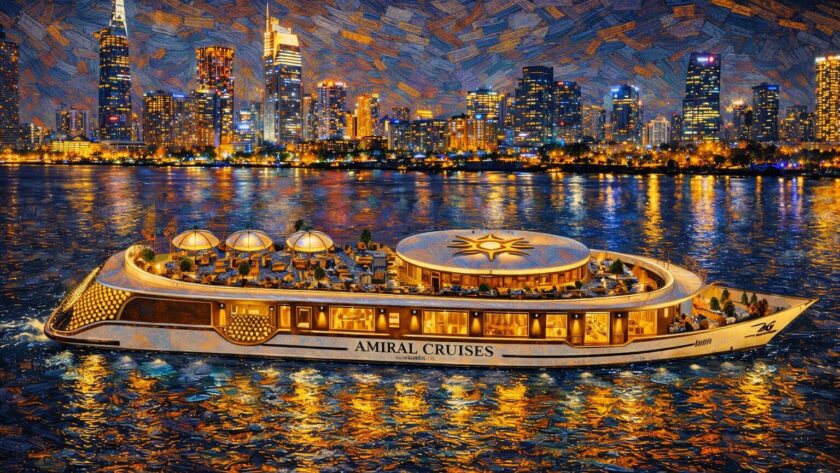
Across LuxGroup’s boutique cruise fleet—most notably aboard Amiral Cruises for Presidents®—paintings are curated as narrative anchors rather than decorative afterthoughts. They converse with natural light, handcrafted wood, river reflections, and the slow cadence of water.
A wartime sketch may hang in a quiet lounge as the vessel glides toward open sea, encouraging reflection on resilience and continuity. A restrained nude—distinctly Vietnamese in its modesty and emotional depth—may inhabit a sunlit salon, reminding guests that Asian aesthetics privilege interiority over exhibition.
“The ship doesn’t just carry passengers,” Phạm Hà notes.
“It carries memory. Art gives that memory a voice.”
In doing so, the collector becomes something else entirely—not merely an owner, but a cultural steward.
Indigenous Art and the New Language of Status
Globally, the collecting landscape is recalibrating. From the Middle East to Africa to Southeast Asia, ultra-wealthy individuals are increasingly turning toward indigenous, culturally rooted works—art that expresses identity rather than universality.
This is not a rejection of Western masters. It is a maturation beyond them.
Displaying Vietnamese art aboard a vessel sailing along the Saigon River transforms collecting into a form of cultural diplomacy. It signals confidence in one’s heritage—without spectacle, without explanation.
In this context, art ceases to function solely as an asset class.
It becomes a declaration:
This is who we are. This is what we choose to carry forward.
Redefining Luxury: From Display to Depth
Luxury itself is undergoing quiet reform.
In a post-logo, post-excess era, distinction lies less in price and more in intelligence, authenticity, and cultural fluency.
A million-dollar artwork in a penthouse may impress.
But a Vietnamese painting thoughtfully placed aboard a moving vessel that narrates a nation through water, silence, and time offers something rarer: meaningful luxury.
It rewards understanding rather than attention.
It prioritizes memory over spectacle.
And it demands presence.
Art That Breathes With the River
This philosophy finds its most complete expression aboard Amiral Cruises for Presidents®.
Here, art does not simply hang. It breathes.
On select evenings, the Saigon River itself becomes a stage through a site-specific thực cảnh (real-scene) cultural performance designed for water. Minimalist movement, live music, shifting light, and reflection unfold across the river’s surface.
There is no fixed proscenium. No separation between audience and environment. The current moves. The vessel glides. Art exists only once, in that particular stretch of water, under that specific sky.
For seasoned collectors and travelers, this is not entertainment. It is an ephemeral cultural encounter—experienced in one moment, on one river, aboard one ship.
Exclusivity here is not about access.
It is about irreversibility.
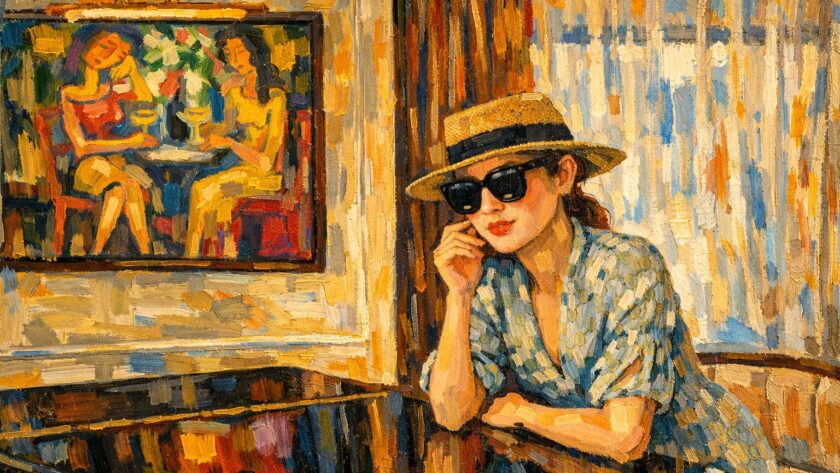
Art as Stewardship
For collectors like Phạm Hà, art represents the transition from success to responsibility.
Integrating fine art into travel and lived experience reframes collecting as stewardship—of memory, of culture, of national identity. Art is not hidden for preservation alone; it is allowed to circulate, to speak, to accompany.
Phạm Lực painted Vietnam’s soul.
Phạm Hà built ships to carry it.
This may be the deeper reason the ultra-wealthy continue to invest millions in art. Not merely to own beauty—but to preserve a way of seeing the world.
And when art sails upon rivers and seas, it does more than enrich a journey.
It reminds us that civilizations, like the most enduring stories, have always moved by water.