

A Strategic Framework for Building Cultural Luxury Brands
For decades, the global tourism industry has largely followed the logic of mass tourism: scale, speed, price competition, and volume.
But luxury tourism follows a completely different logic.
Mass tourism seeks efficiency.
Luxury tourism seeks meaning.
Mass tourism sells destinations.
Luxury tourism creates memories.
Mass tourism focuses on numbers.
Luxury tourism focuses on emotions.
In recent years, sophisticated travelers around the world have increasingly rejected overcrowded experiences and superficial luxury. Instead, they are searching for authenticity, culture, and personal transformation.
These changes have led to a new strategic philosophy inspired by the principles described in The Luxury Strategy, but adapted specifically for the world of travel, hospitality, and experiential tourism.
LuxGroup® calls this framework The 25 Anti-Laws of Luxury Tourism.
These principles are designed for luxury travelers, entrepreneurs, hospitality leaders, and brand builders who aim to create enduring tourism experiences rooted in culture and authenticity.
-
Do Not Sell Destinations — Sell Stories
Destinations can be copied.
Stories cannot.
Luxury tourism should transform geography into narrative. History, culture, and local traditions must become the emotional foundation of the journey.
Travelers remember stories far longer than they remember itineraries.
-
Do Not Compete on Price
Price competition destroys luxury.
Luxury experiences derive their value from authenticity, craftsmanship, and emotional depth. When a luxury brand discounts aggressively, it erodes trust and prestige.
In luxury tourism, price signals confidence and value.
-
Do Not Advertise Like Mass Tourism
True luxury rarely shouts.
The strongest luxury brands build visibility through reputation, editorial coverage, and word-of-mouth rather than aggressive advertising campaigns.
The most powerful marketing tool is an unforgettable experience.
-
Do Not Try to Serve Everyone
Luxury brands are not designed for the mass market.
Instead, they attract a specific tribe of travelers—those who appreciate culture, authenticity, and meaningful experiences.
Exclusivity creates identity.
-
Do Not Put Convenience First
Mass tourism prioritizes efficiency.
Luxury travel prioritizes discovery and emotion.
The most memorable journeys often involve exploration, curiosity, and moments that cannot be perfectly predicted.
-
Scarcity Creates Desire
Luxury experiences should not be endlessly available.
Limited capacity and exclusive access increase the perceived value of a journey.
Scarcity builds anticipation and prestige.
-
Smaller Experiences Create Greater Luxury
Large resorts and cruise ships create scale.
Boutique hotels and intimate vessels create connection.
Small environments allow for personal attention and deeper cultural engagement.
-
Loyal Guests Matter More Than New Guests
Luxury brands cultivate long-term relationships.
Repeat guests become part of a community that strengthens the brand’s reputation and credibility.
Loyalty builds legacy.
-
Grow Slowly
Luxury brands must grow with patience.
Rapid expansion often leads to dilution of identity and declining quality.
The most respected luxury houses have developed their reputations over decades.
-
Control the Environment
Every element of the guest experience must be carefully curated.
Architecture, lighting, music, scents, and spatial design all shape how travelers perceive luxury.
Atmosphere is as important as service.
-
Luxury Is an Emotion
Travelers rarely remember the details of a room or menu.
What they remember is how the experience made them feel.
Luxury tourism should focus on emotional resonance.
-
Every Journey Must Tell a Story
Luxury travel itineraries should unfold like a narrative:
- introduction
- discovery
- climax
- reflection
When travel follows a narrative structure, it becomes a meaningful story rather than a simple trip.
-
Atmosphere Creates Memory
Subtle sensory elements—music, lighting, textures, and scents—can transform an experience.
Luxury is often expressed through atmosphere rather than visible extravagance.
-
Culture Is the Highest Form of Luxury
True luxury increasingly lies in cultural immersion.
Art, history, gastronomy, and local traditions provide depth and authenticity to travel experiences.
Cultural richness cannot be replicated artificially.
-
Service Must Come from the Heart
Luxury service is not mechanical.
It requires sincerity, empathy, and emotional intelligence.
Guests recognize genuine care immediately.
-
Create the Dream Before the Product
Luxury brands begin with a vision.
The dream must exist before the physical experience is created.
A powerful vision inspires guests long before they book the journey.
-
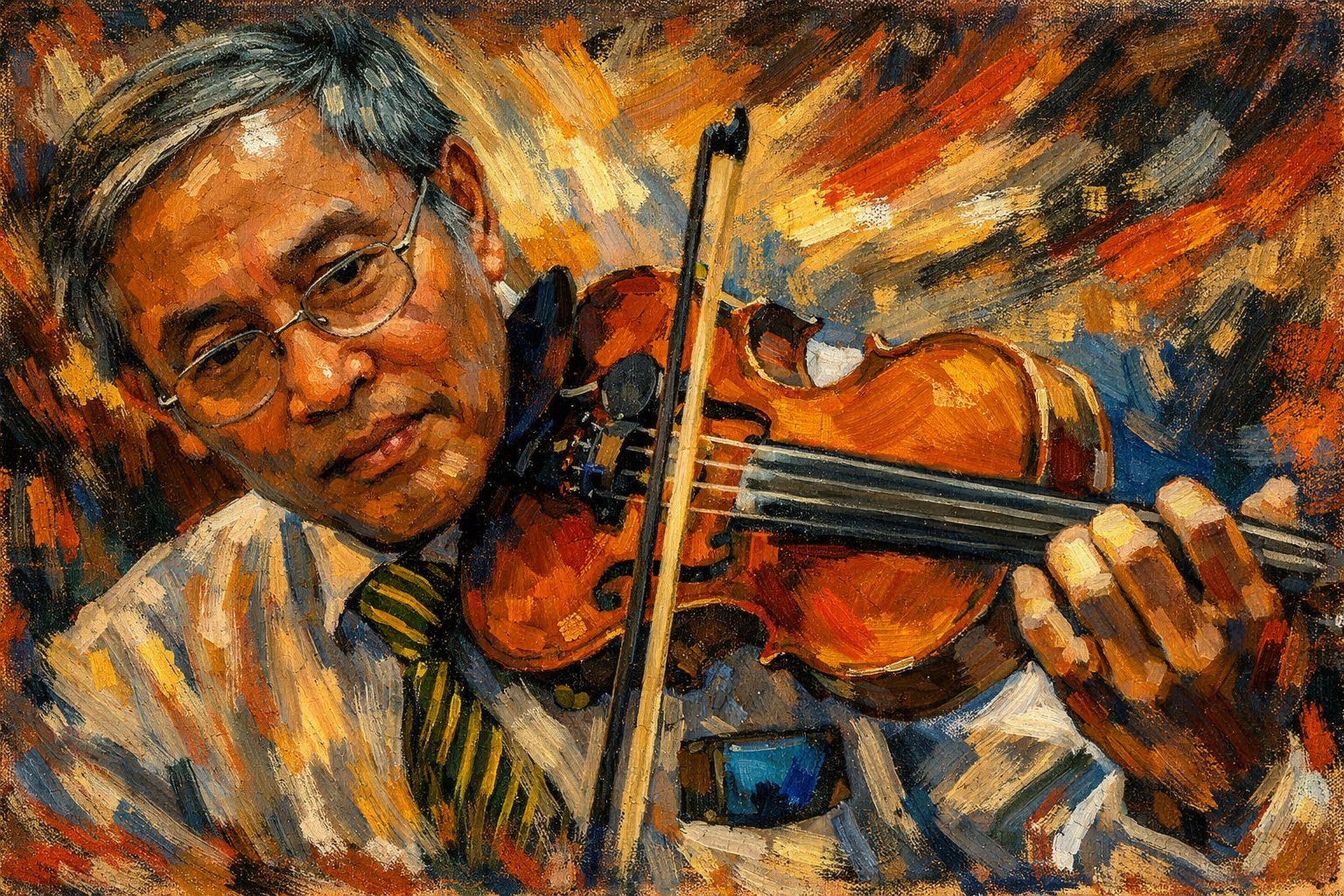
The Founder’s Story Matters
Many iconic luxury brands are deeply connected to the personality and journey of their founders.
Authentic leadership gives meaning to the brand’s identity.
-
Time Is the Ultimate Luxury
In a fast-moving world, the greatest luxury is time.
Luxury travel offers the opportunity to slow down, reflect, and reconnect with nature and culture.
-
Surprise Creates Lasting Memories
Unexpected moments transform ordinary trips into extraordinary experiences.
A hidden cultural performance, a private dinner, or an unexpected story can become the highlight of a journey.
-
Luxury Must Feel Effortless
Behind every luxury experience lies complex logistics and meticulous planning.
Yet guests should experience everything as natural, seamless, and effortless.
True elegance hides complexity.
-
Protect Heritage
Luxury brands are guardians of culture.
They have a responsibility to preserve historical narratives and traditional craftsmanship.
-
Sustainability Is Essential
Modern luxury travelers expect responsible tourism practices.
Environmental stewardship and community engagement are no longer optional—they are essential.
-
Respect the Spirit of Place
Luxury experiences must reflect the identity of their location.
A journey should feel rooted in the landscape, culture, and history of the destination.
-
Deliver Happiness
The ultimate goal of luxury travel is not status.
It is happiness, inspiration, and personal enrichment.
The most meaningful journeys connect travelers with places, people, and themselves.
-
Celebrate the Founder’s Journey
Luxury brands often originate from a deeply personal dream.
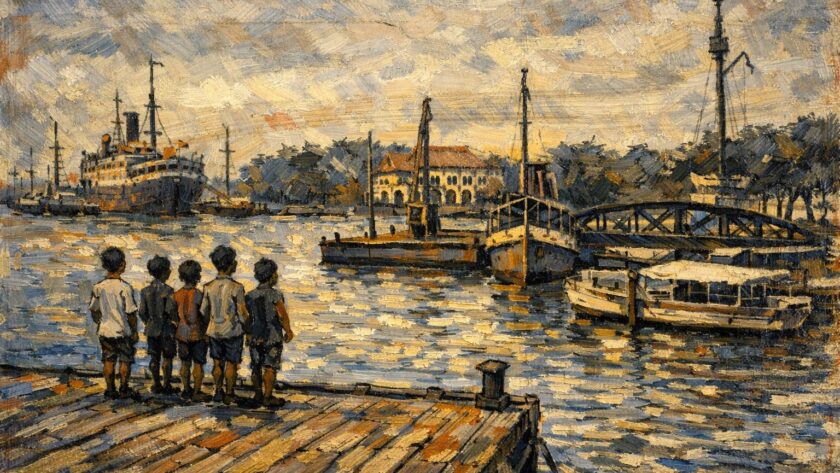
In 1985, a young Vietnamese dreamer once stood barefoot at Nhà Rồng Wharf, looking out across the Saigon River and imagining a future shaped by travel and culture.
Forty years later, that dream evolved into a vision of cultural river journeys that celebrate Vietnam’s heritage and hospitality.
For LuxGroup®, the founder’s journey reflects a broader philosophy:
Luxury is not simply about comfort or prestige.
It is about transforming personal dreams into experiences that inspire others.
The Future of Luxury Tourism
The future of travel will not be defined by scale.
It will be defined by meaning.
The next generation of luxury tourism will be shaped by:
- cultural authenticity
- emotional storytelling
- environmental responsibility
- intimate experiences
- and timeless memories
Brands that follow the logic of mass tourism will struggle to remain relevant.
Brands that embrace the Anti-Laws of Luxury Tourism will define the future of global travel.
And for Vietnam, this philosophy offers a powerful opportunity—to transform its rivers, heritage, and culture into some of the world’s most meaningful luxury journeys.