

Phạm Hà – Founder, Chairman and CEO, LuxGroup®
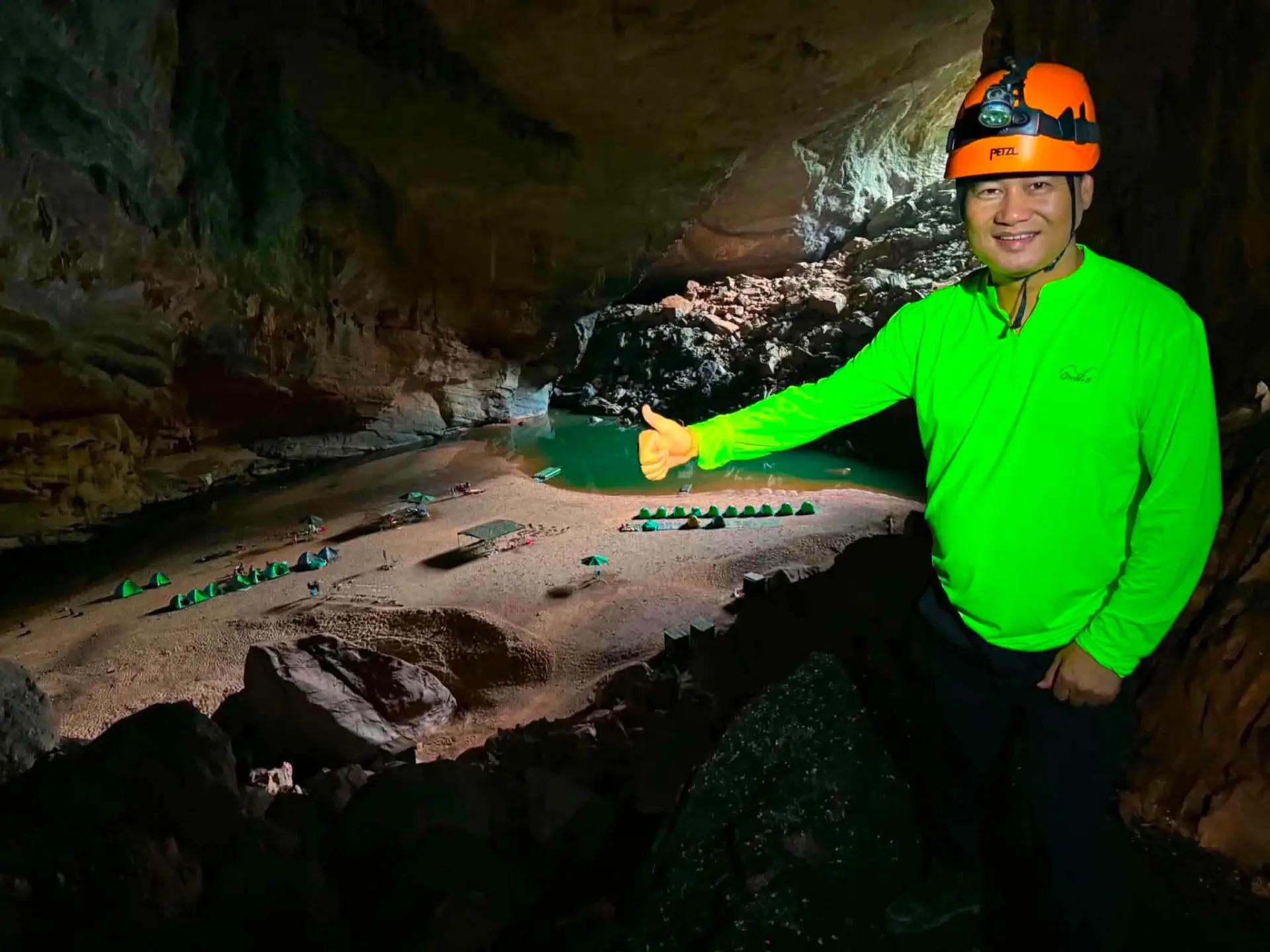
Inside Sơn Đoòng, I found myself asking a business question: If more guests want to come, should we welcome them all?
The question runs against a business leader’s instinct to grow. Yet some forms of value cannot be produced in greater quantities: the untouched character of a cave, the quiet of a bay, the rhythm of a community’s life. Once lost, they cannot simply be bought back with revenue.
Sơn Đoòng also brought me back to Cụ Bạch Thái Bưởi, the pioneering Vietnamese entrepreneur whose example inspired us to create Heritage Cruises Bình Chuẩn. He entered water transport when Vietnamese businesses faced competitors with greater capital and established positions. He understood his passengers, trusted capable colleagues, kept his word, and built a brand with a distinctly Vietnamese identity.
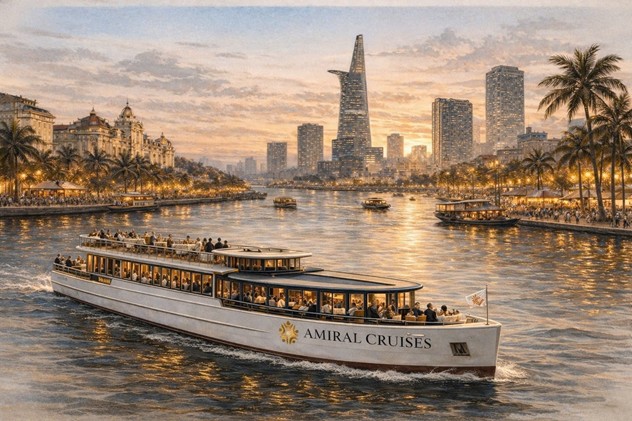
Now I am preparing for my third journey: taking an Amiral Cruises vessel from Hải Phòng along Vietnam’s coast and into the Sài Gòn River. I hope this voyage will connect places, stories, and people through the sea.
When I reach Sài Gòn, I will remember another departure. On 5 June 1911, the young Nguyễn Tất Thành left Bến Nhà Rồng aboard the Amiral Latouche Tréville. Working as an assistant cook under the name Văn Ba, he began his journey in search of a path to national liberation. His was an entirely different ship and a different journey from ours. But that history reminds me to tell the stories associated with the name Amiral with care and respect.
Cụ Bạch Thái Bưởi taught me the courage to set sail. Sơn Đoòng reminded me to respect limits. The voyage ahead raises another question: How far can we travel while leaving the places we pass through beautiful for those who come after us?
1. Knowing when to stop is a business skill
In tourism, we often ask how to attract more visitors. I want to ask first how many people a destination can welcome while preserving what drew them there.
A river is a transport route, but it is also a landscape, a livelihood, and a place of memory. A village may be a stop on a guest’s itinerary, but it is first a home whose residents should have a voice in its future.
When a place becomes popular, adding departures, rooms, and services can look sensible in a spreadsheet. The spreadsheet rarely captures the quiet that disappears, the waste a community must manage, or the feeling of no longer recognising one’s own home.
Respecting limits challenges a business to create more value from each visit: a deeper experience, a longer stay, fairer income for local people, and quality that lasts. To me, luxury begins with giving people and nature enough room to be themselves.
2. Ambition requires the ability to deliver
I love big ideas. Vietnam’s waterways have always suggested to me that much of our country remains to be discovered. But a ship cannot operate on inspiration alone.
Behind a guest’s peaceful moment are route planning, weather monitoring, maintenance, crew training, and preparation for changing conditions. The more effortless the journey feels to the guest, the more dependable the work behind it must be.
That applies to Amiral’s planned voyage from Hải Phòng to Sài Gòn and to LuxGroup’s longer-term waterways vision. Each leg must rest on real capabilities: the vessel, its people, safety, finance, environmental responsibility, and cooperation with local authorities and communities.
From Cụ Bạch Thái Bưởi, I learned that a compelling story must be matched by an understanding of the market and its passengers. A story may earn someone’s attention; delivering on the promise earns their trust to return.
3. To travel far, we need more than one guide
For a time, the pace of our company depended on the pace of its founder. That helped us begin. But if every important decision must wait for one person, that person eventually becomes the organisation’s limit.
In Sơn Đoòng, the value of listening to those who know the terrain was unmistakable. At sea, too, no one brings a vessel safely to its destination alone.
LuxGroup is building a house of small giants. Each business needs a leader who understands its guests, manages cash, protects quality, and has room to test new ideas. The parent company must make clear what each business can decide, which investments require collective review, and which risks must be reported immediately.
Delegation means providing information, skills, decision-making authority, and support when difficulties arise. An organisation matures when its founder can take pride in good decisions made without being the person who made them.
4. Trust is proved by difficult choices
Tourism businesses often speak of protecting nature, respecting culture, and putting people first. Those commitments matter only when they shape daily decisions.
Do we tell a guest honestly when a journey is unsuitable for them? Do we pay local partners fairly? Do we give employees time to learn their craft? Will we change a popular product if we discover that it places too much pressure on its destination?
I admire the importance Cụ Bạch Thái Bưởi placed on keeping one’s word. Today, a tourism business must keep its word to guests, employees, suppliers, communities, and future generations who will inherit these places.
Profit is essential. It pays wages, maintains ships, and makes future investment possible. But how profit is made determines what a business leaves behind. An experience cannot be called luxurious if a guest’s pleasure depends on exhausted employees or a damaged destination.
5. Success means the place remains beautiful after we leave
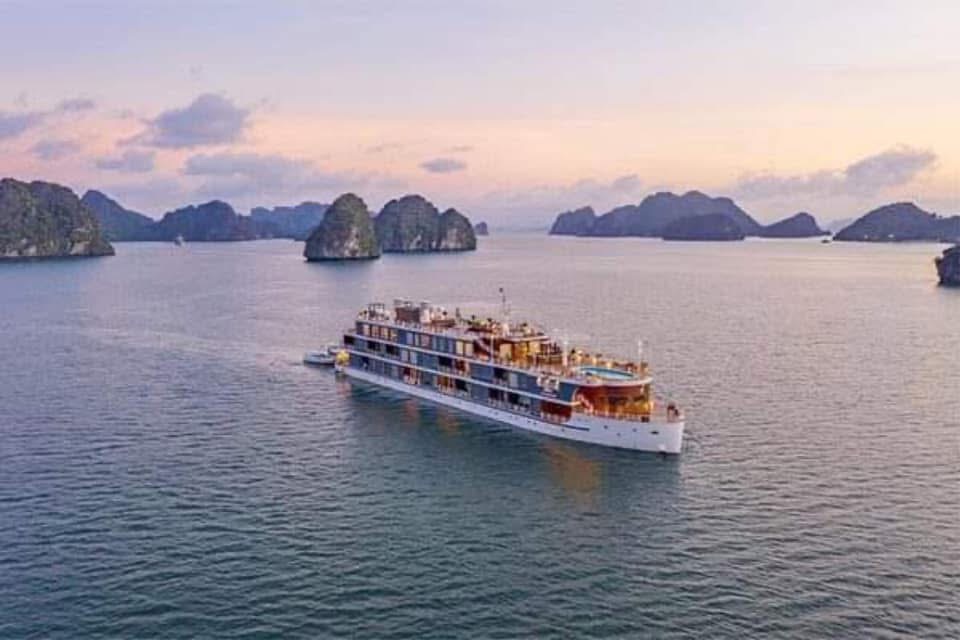
Tourism businesses usually describe a journey by the places guests visit. I also want to describe what remains afterwards: a guide with stronger skills, an artisan with more income, a traveller with a deeper understanding of Vietnam, a river that remains clean, and a community that still wants to welcome us back.
Cụ Bạch Thái Bưởi gave me confidence in what Vietnamese people can achieve on our own waterways. Sơn Đoòng reminded me that the things we love do not exist solely to serve our ambitions. On the coming voyage, I hope to learn how to bring those lessons together.
I want LuxGroup’s vessels to tell Vietnam’s stories through design, cuisine, art, and sincere hospitality. When Amiral Cruises travels from Hải Phòng into the Sài Gòn River, I want to stand before Bến Nhà Rồng with gratitude for its history—and ask of my own journey: What have we contributed to the places we passed through?
I still want to travel far and see Vietnamese brands earn their place in the world. But travelling far does not always mean travelling fast. Sometimes we must pause to listen, change course to avoid harm, or slow down so that more people can move forward with us.
In the end, what matters is not only how far we have gone. It is who had the chance to come with us, and how beautiful the places we passed through remain when the journey is over.