

Reflections from Vietnam’s tourism industry and the story of LuxGroup®
War, pandemics, geopolitical tensions, energy crises, and global economic slowdowns have repeatedly shown one undeniable truth: tourism is among the world’s most vulnerable industries.
Yet it is precisely during periods of uncertainty that the true value of a business becomes visible.
Not its size.
Not its revenue.
And certainly not short-term profit alone.
But trust.
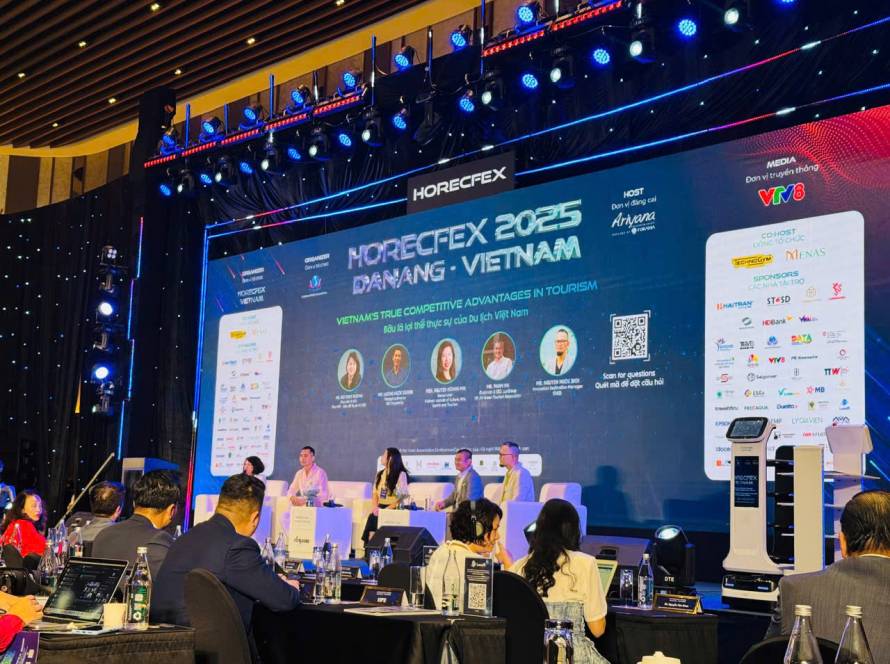
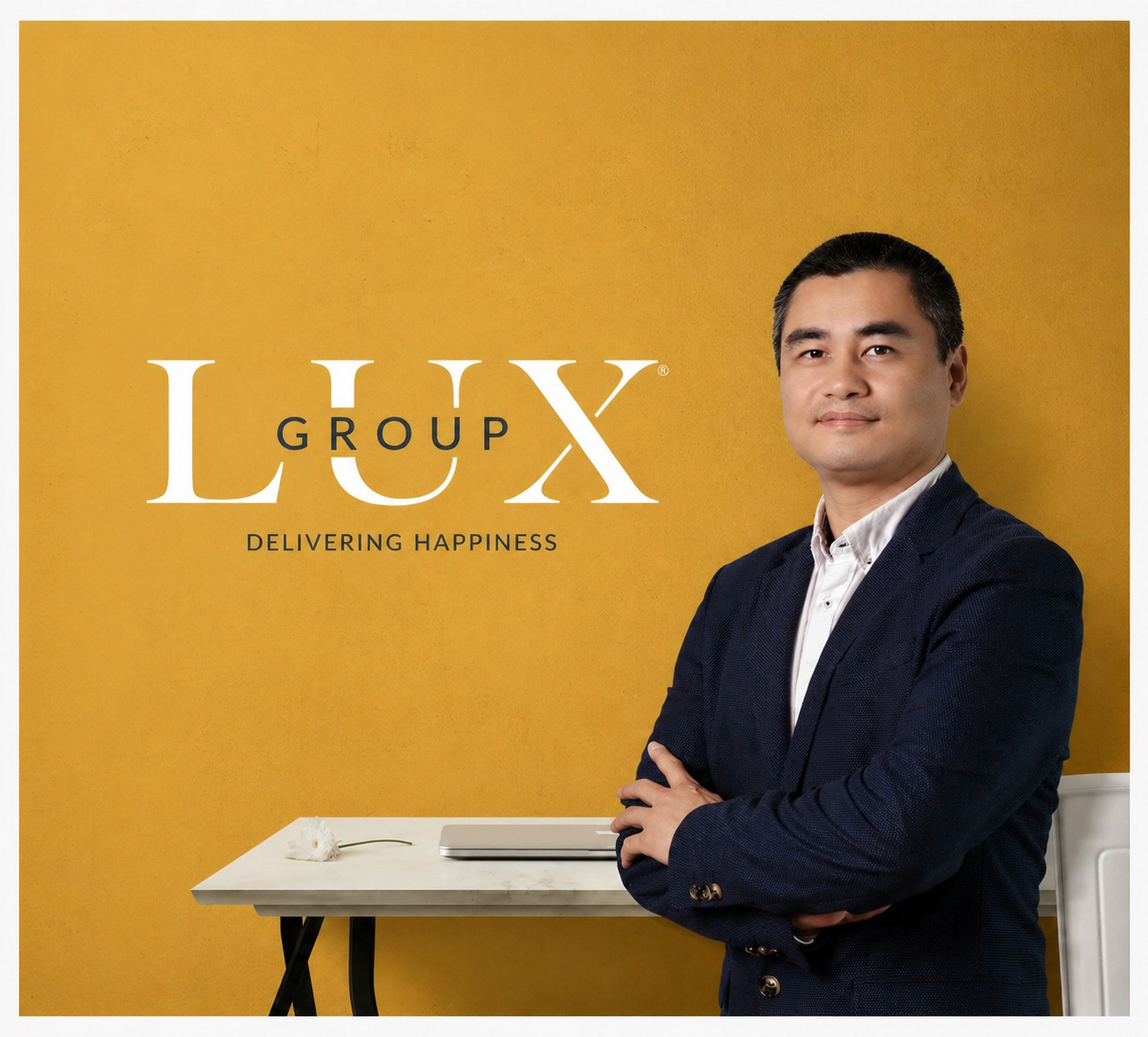
In a recent interview with Travellive, Dr. Phạm Hà, Founding President & CEO of LuxGroup®, shared that many travel companies are willing to absorb financial losses in order to honor commitments made to guests, even as operational costs continue to rise amid global instability.
That is not merely a business decision.
It is a philosophy of long-term brand building.
Tourism Is the Industry Most Sensitive to Global Shocks
Unlike many sectors, tourism depends almost entirely on emotion and confidence.
A conflict thousands of miles away, rising fuel prices, airline disruptions, or economic anxiety can instantly change traveler behavior. Trips are postponed. Plans are canceled. International travel flows shift overnight.
According to Dr. Phạm Hà, recent geopolitical tensions in the Middle East quickly impacted traveler sentiment, causing hesitation across several tourism markets.
This illustrates a deeper reality: tourism today no longer competes only on price or products, but on resilience and adaptability during crises.
And in those moments, businesses face a difficult choice.
Protect short-term profits by cutting corners.
Or protect long-term credibility by standing with customers.
Trust Cannot Be Measured by Quarterly Profits
In tourism, the greatest risk is not losing money.
It is losing trust.
Travelers may forget how much they paid for a journey. But they rarely forget how a company treated them during difficult moments.
Honoring agreed pricing despite rising costs. Offering flexible rebooking instead of cancellations. Supporting guests during disruptions. These actions may appear small, yet they define the true strength of a brand.
Particularly in luxury travel, guests are not simply buying a trip.
They are buying peace of mind, refinement, personalization, and respect.
In an increasingly uncertain world, trust itself has become a form of luxury.
The Rise of “Quiet Luxury” in Modern Travel
The post-pandemic travel landscape is also changing in profound ways.
Today’s travelers are moving away from excessive displays of luxury and toward meaningful, emotionally enriching experiences. Privacy, authenticity, culture, wellness, and human connection are becoming more valuable than spectacle.
Dr. Phạm Hà describes this shift as the rise of “quiet luxury.”
It is the idea that a slow cruise along a river or bay may offer greater value than an overcrowded checklist itinerary. Travelers increasingly seek depth over speed, memories over consumption, and emotional resonance over superficial experiences.
This global trend presents an extraordinary opportunity for Vietnam.
Vietnam still possesses what many developed destinations have gradually lost: living culture, authentic heritage, natural beauty, and deeply rooted local identity.
But transforming potential into lasting value requires businesses to build brands based on integrity, patience, and long-term vision.
Businesses Need More Than Survival Skills
Over the past few years, Vietnam’s tourism industry has faced unprecedented challenges: Covid-19, economic uncertainty, geopolitical instability, rising operational costs, and rapid digital transformation.
Many companies disappeared. Many professionals left the industry entirely.
Yet the crisis also revealed something important: businesses do not need to be the biggest to endure. They need to be adaptable, resilient, and trustworthy.
Since the pandemic, many Vietnamese tourism companies have diversified markets, invested in sustainable tourism, wellness travel, cultural experiences, and high-value guests rather than mass tourism alone.
This is no longer simply about selling tours.
It is about building meaningful and sustainable value.
In the End, What Will Travelers Remember?
In today’s competitive market, products can be copied. Prices can be undercut. Technology evolves rapidly.
But trust cannot be replicated.
A company that keeps its promises during difficult times creates something far more powerful than advertising: genuine advocacy from its customers.
And that is the true foundation of a lasting brand.
Tourism is an industry built on emotion.
And emotion always begins with trust.
Markets may change. Technology may evolve. Traveler behavior may shift again and again.
But one truth remains timeless:
In business — especially in tourism — trust is still the most valuable asset of all.