

By Dr. Phạm Hà – Founding President & CEO, LuxGroup®
Vietnam has more than 3,260 kilometers of coastline, thousands of kilometers of inland waterways, and a river-based civilization stretching back thousands of years. Yet paradoxically, as the world enters the era of the blue economy, yacht tourism, and cruise experiences, Vietnam’s maritime regulatory framework still reflects an outdated administrative mindset.
Recent debates among maritime experts, including veteran naval engineer Đỗ Thái Bình and researcher Khôi Phan, are not merely about terminology such as “registry” or “technical rules.” They raise a larger question: Is Vietnam truly ready for a modern maritime industry?
From the perspective of a business investing in heritage cruises, river yachts, and luxury waterway tourism, I believe the biggest bottleneck today is not shipbuilding capability. Vietnam is fully capable of building quality vessels.
What we lack is institutional infrastructure.
Maritime inspection can no longer rely on old administrative thinking
For decades, maritime inspection in Vietnam has largely operated under a traditional state-management model. That approach may once have suited a centrally planned economy, but in today’s market-driven and globally integrated environment, technical classification and inspection must operate differently — independently, transparently, and competitively.
Globally recognized classification societies such as Lloyd’s Register, DNV, and American Bureau of Shipping are not state agencies. They are independent technical organizations competing on expertise, credibility, and their own systems of rules.
Governments define minimum safety standards, oversee environmental compliance, and protect consumers. Shipowners and operators are then free to choose the classification body best suited to their needs.
That is how innovation ecosystems are created.
No modern maritime industry can thrive if every new model must wait for administrative approval before moving forward.
The biggest regulatory gap lies in yacht and cruise tourism
Most of Vietnam’s current maritime regulations were designed for conventional transport vessels. Meanwhile, the global cruise and yacht industry is evolving rapidly through new models such as boutique cruises, river yachts, expedition speedboats, floating hospitality, and luxury day cruises.
In reality, many innovative tourism products in Vietnam are being developed within a legal gray area.
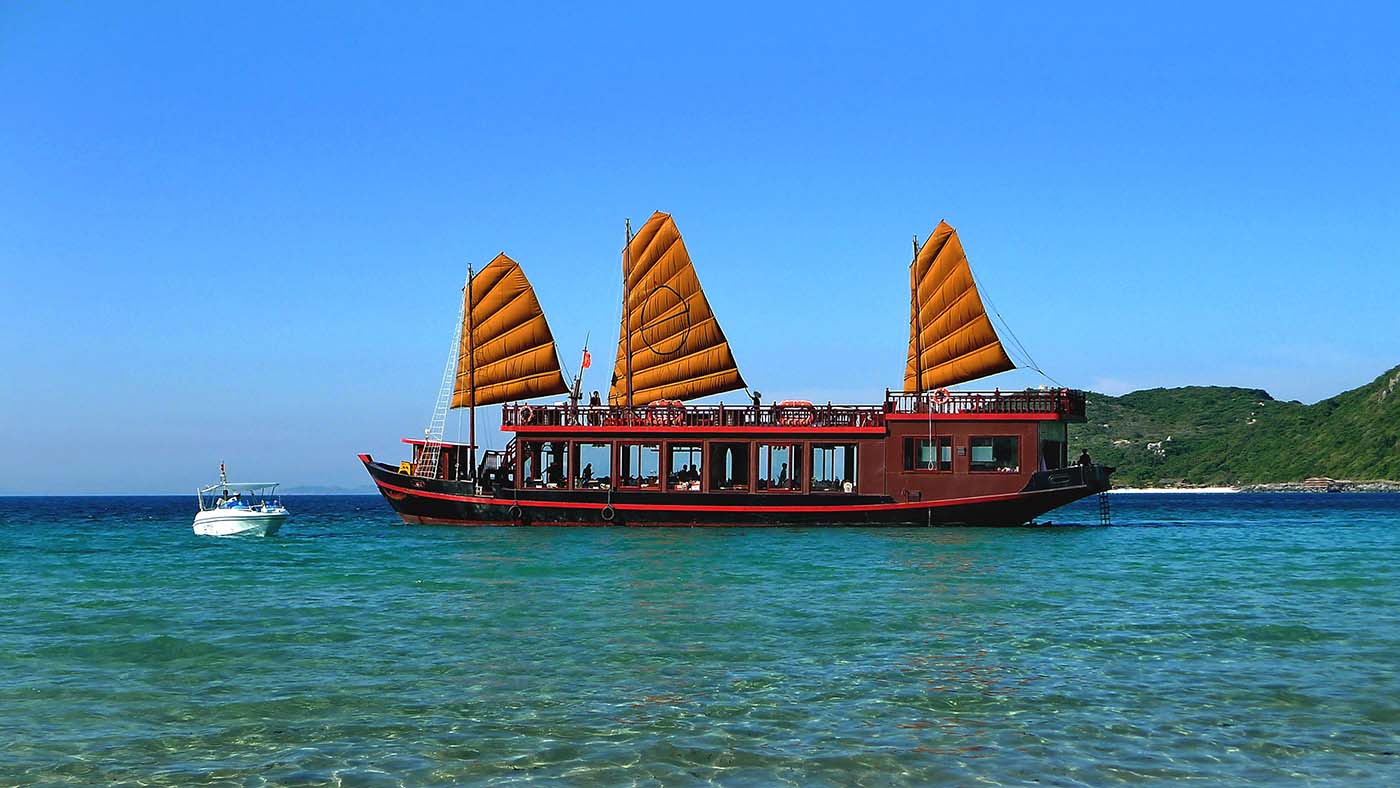
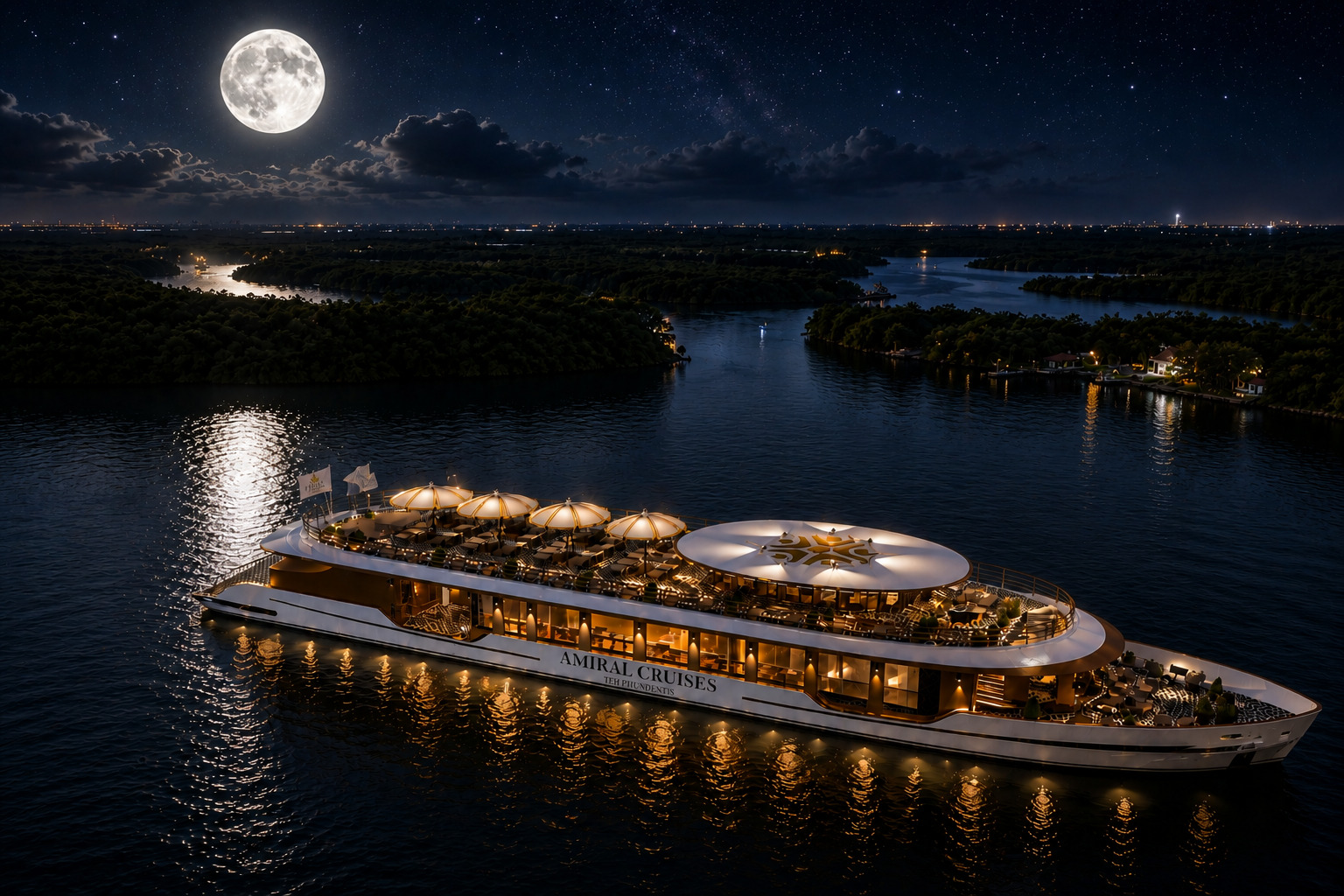
While developing projects such as Heritage Cruises®, Emperor Cruises®, and Amiral Cruises for Presidents®, we realized that Vietnam still lacks comprehensive technical standards and classification frameworks for many modern tourism vessels already common around the world.
As a result, businesses spend excessive time, resources, and capital navigating unclear regulations while effectively “testing the boundaries” of the system.
Meanwhile, countries such as Singapore, Thailand, and Indonesia have already developed complete yacht and cruise ecosystems — including marinas, yacht clubs, international technical standards, and mutual recognition frameworks.
They moved ahead not because they have more beautiful coastlines than Vietnam, but because they created more adaptive institutions.
Vietnam cannot build a blue economy with a “road transport mindset”
For years, Vietnam has spoken about becoming a maritime nation. Yet much of the regulatory mindset remains land-based — focused more on control than facilitation.
The blue economy requires a more open, international, and flexible approach.
Today, a yacht or cruise vessel is no longer merely a means of transportation. It is a tourism product, a cultural platform, a hospitality experience, and a showcase of technology and design.
A cruise route generates far more than tourism revenue. It creates an entire ecosystem involving ports, logistics, F&B, entertainment, maintenance services, training, and premium hospitality.
If developed properly, waterway tourism could help Vietnam move from competing on “value for money” toward competing on “value of experience” — elevating tourism through culture, heritage, and authenticity rather than price alone.
That is the sustainable path forward.
Inland waterway laws also require urgent modernization
Beyond classification reform, Vietnam’s Inland Waterways Law also needs urgent revision to align with international standards — much like the aviation sector successfully achieved over the past decades.
Vietnam’s aviation industry grew rapidly because it adopted internationally compatible regulations, transparent operational frameworks, and globally recognized safety standards. This allowed airlines to access aircraft, insurance, financing, technology, and training on a global scale.
The inland waterway sector, however, remains constrained by overlapping administrative layers and a lack of dedicated regulations for yacht tourism, marina economies, and cruise hospitality.
A modern river yacht should not be regulated under the same framework as a cargo vessel. A cultural cruise ship cannot be treated as if it were a conventional transport boat.
Without regulatory modernization, Vietnam risks missing the next wave of growth in experiential tourism and waterway economies.
It is time to “open new channels”
What businesses need most is not preferential treatment.
What they need is clarity, consistency, and predictability.
If Vietnam wants to develop yacht tourism, cruise economies, and luxury river-sea experiences, then reforming maritime inspection and technical regulations is no longer optional. It is a matter of national competitiveness.
A vessel today carries far more than passengers.
It carries the image of a nation.
And if Vietnam truly wants to sail further, it will need a modern regulatory system capable of supporting that ambition.