

Vietnam’s global ambitions must rest on competitive capability, principled governance, and shared prosperity. These foundations allow businesses to succeed internationally while strengthening the country at home.
By Dr. Pham Ha — Founder, President & CEO, LuxGroup®
A company can grow through revenue. An entrepreneur can become known through wealth. But the stature of a business leader is measured by the value they create, the people who benefit, and the capabilities they leave behind.
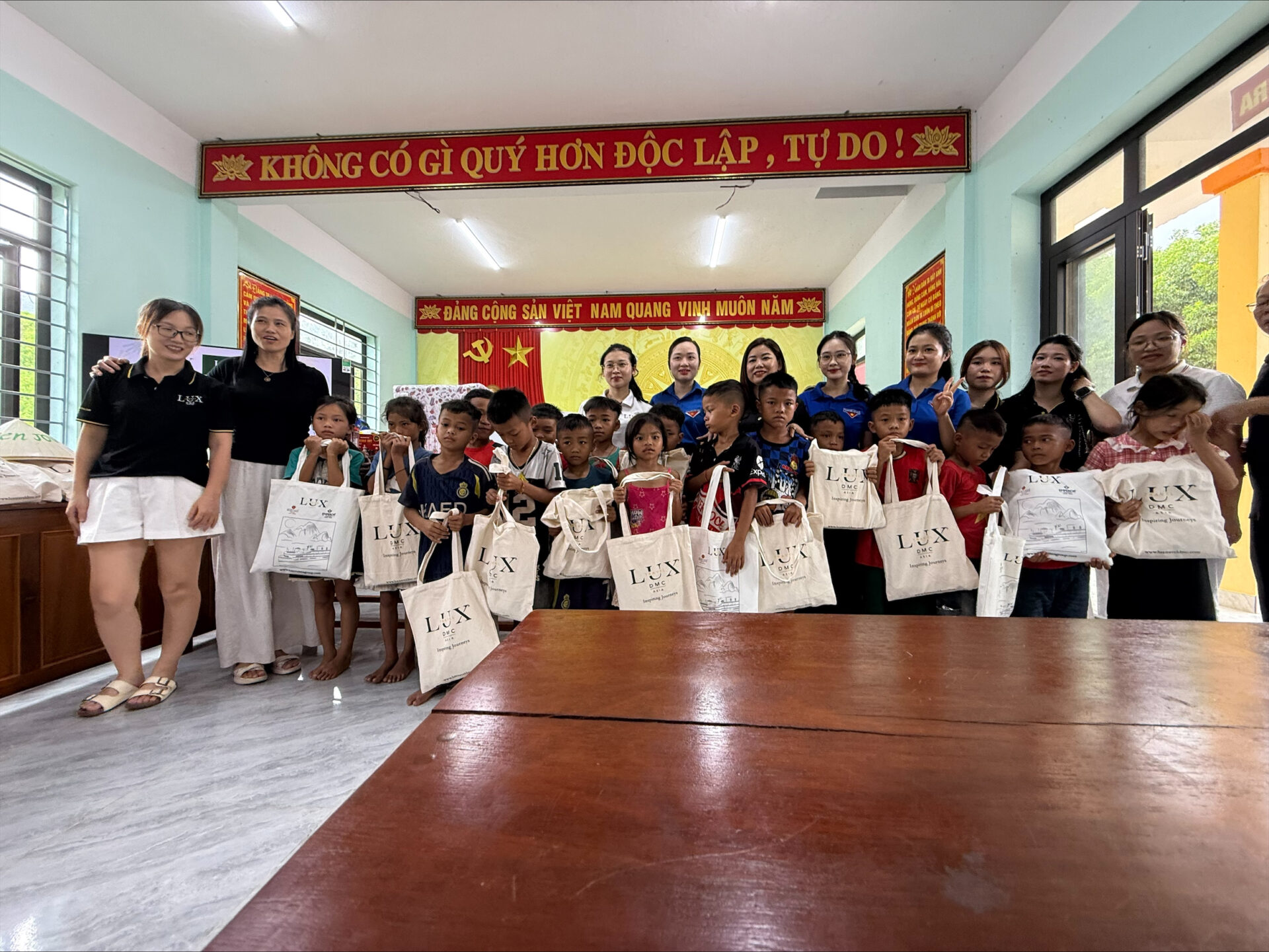
After more than two decades building a tourism business, I increasingly believe that commercial success carries a responsibility: to improve life wherever the enterprise operates. That responsibility begins with employees, customers, and partners, and extends to communities, culture, and the environment.
I describe a leader who embraces this commitment as a “nation-building entrepreneur”: rooted in their country, capable of competing globally, and accountable for how they succeed.
National Commitment Must Become Action
The distinction between nation-building enterprise and crony capitalism lies in purpose, the methods used to create wealth, and the exercise of economic power.
A commitment to national development directs business toward strengthening the country’s capabilities. It becomes credible through fair competition, transparent governance, investment in people, and products that deliver real value.
Cronyism distorts markets when connections determine opportunity, privilege displaces competence, and narrow interests outweigh the common good. In such an environment, capable businesses may struggle to receive fair rewards, while those considering long-term investment lack confidence.
Serving the nation therefore requires entrepreneurs to help build a healthy business culture. Keeping a promise, honoring a fair contract, and declining an improper advantage are everyday decisions that reveal a leader’s character.
Service Requires Capability
Service begins with meeting a real need through a good solution. A business must offer products worth buying, services people can trust, and worthwhile opportunities for employees to develop.
Profit enables companies to survive, invest, innovate, and withstand crises. I consider it essential to sustaining our purpose. Financial results, however, must be assessed alongside the way they are achieved.
If growth exhausts employees, transfers unreasonable risks to partners, or leaves communities bearing environmental costs, leaders need to reconsider their business model.
We must ask: What value are we creating? Who benefits? Who bears the costs? The answers should be visible in budgets, employment practices, supplier relationships, and actual outcomes.
Bach Thai Buoi: Ambition Supported by Vietnamese Capability
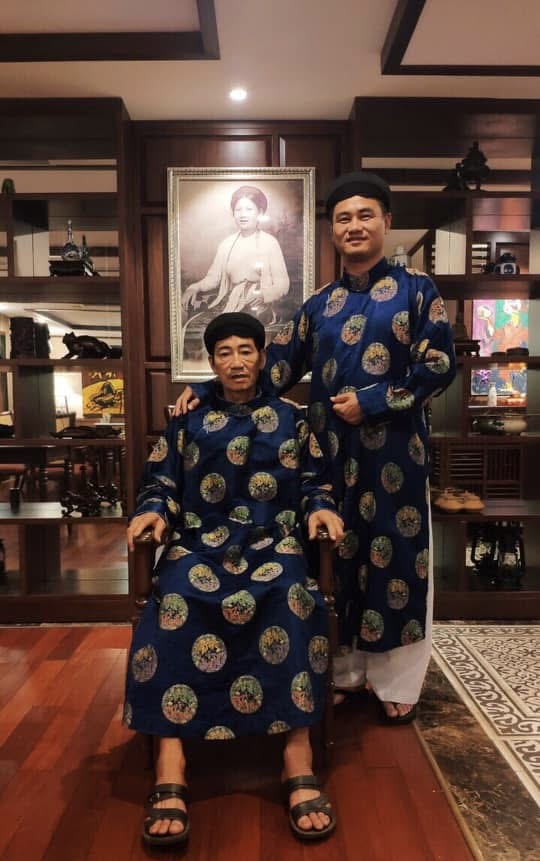
Bach Thai Buoi has been an important source of inspiration in my journey. Beginning in 1909, he developed a river transport business and gradually expanded his fleet and maritime capabilities. The Binh Chuan, designed and built by Vietnamese people, was launched in 1919 and reached Saigon on its first voyage in 1920.
His pioneering contribution was in river and sea transport, establishing connections and capabilities relevant to the subsequent development of waterborne services.
What I learn from him is the discipline of turning national pride into practical work. Reaching the sea requires technical expertise, skilled people, and effective organization. Earning confidence in a Vietnamese enterprise requires good service and a dependable reputation.
Our generation must carry that spirit forward through technology, modern governance, international standards, and cooperation across borders. Self-reliance requires open-minded learning, mastery of capabilities, and the confidence to bring Vietnamese value to the world.
Resolutions 68 and 26: Opportunity Accompanied by Responsibility
Resolution 68-NQ/TW, issued on May 4, 2025, identifies the private sector as one of the national economy’s most important drivers. It emphasizes protecting business rights and ensuring fair competition in access to resources.
For entrepreneurs, this direction strengthens confidence in long-term investment. Businesses must respond with better governance, effective use of capital, and responsibility toward society.
In tourism, Resolution 26-NQ/TW, issued on August 22, 2026, calls for a stronger focus on quality, added value, cultural identity, and visitor experience. It recognizes businesses as a pioneering force, alongside the participation and benefits of local people.
From a practitioner’s perspective, I see this as a call to strengthen our ability to create value. Beautiful scenery needs excellent services around it. Heritage requires thoughtful interpretation. A destination must give visitors reasons to stay longer and return.
Vietnam’s Rivers and Seas Need Meaningful Journeys
Resolution 26 also addresses policies for riverside and coastal economies and new tourism models. This creates an opportunity to develop value chains connecting transport, accommodation, cuisine, arts, and local livelihoods.
A beautiful vessel alone cannot create a successful tourism route. Visitors need convenient embarkation points, safe journeys, professional teams, and consistent experiences. Routes crossing several localities require effective coordination among the parties involved.
I hope businesses can invest within a clear and predictable operating environment. In return, they must demonstrate results, maintain operational discipline, and respect the capacity of each destination.
Every new route should create opportunities for local people. Every new port of call should contribute value to the place it serves.
LuxGroup: Bringing Culture into the Experience
Starting with Luxury Travel in 2005, we developed LuxGroup by connecting travel, cruises, hospitality, cuisine, and the arts. Our belief, Luxury is Culture®, places culture at the center of product design.
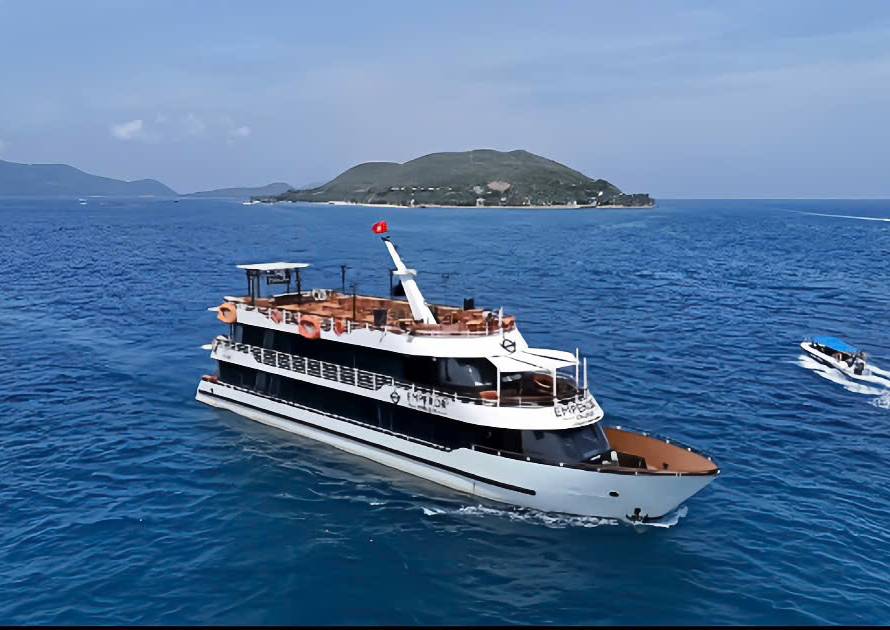
Heritage Binh Chuan® draws inspiration from Bach Thai Buoi’s legacy. I want the vessel to become a place where travelers encounter Vietnamese landscapes, history, painting, and everyday life through a carefully considered journey.
Premium value demands corresponding quality. Stories must be accurate, service attentive, and operations safe. The people who contribute to the experience must be respected and fairly compensated.
A traveler returning home with a deeper appreciation of Vietnam is an outcome worth pursuing.
From Small Giants to Responsible Small Giants
Purpose, Passion, People, Planet, and Profit help us consider our reason for being, motivation, employees, environmental responsibilities, and financial health. Place, Partnership, and Prosperity extend our commitments to destinations, partners, and shared well-being.
These eight Ps must influence actual choices: where we invest, whom we work with, what we measure, and how we respond when performance falls short of our promises.
A House of Responsible Small Giants needs room for employees to speak, communities to be heard, and leaders to acknowledge shortcomings. Pride must be accompanied by the ability to correct ourselves.
For me, Delivering Happiness® establishes a lasting standard: success should improve the lives of those who help create it.
Nation-building entrepreneurs contribute through trustworthy products, jobs with a future, and commitments fulfilled. Vietnam’s ambitions can travel far when supported by real capability, integrity, and a sustained commitment to service.