


Jobs to Be Done and the challenge of building a House of Small Giants at LuxGroup Holdings
Dr. Pham Ha, Founding President & CEO, LuxGroup®
A family books a voyage through the Cát Bà Archipelago. On paper, the transaction is straightforward: a suite, a departure date, and a price. Yet each person may be seeking a different outcome. A mother wants time together. Her son wants his parents to experience the beauty of Vietnam in comfort. The person making the reservation wants someone else to handle the details so that he, too, can be present on the holiday. They board the same ship, but they are making different kinds of progress in their lives.
That is how I have begun to look at LuxGroup’s offerings through the lens of Jobs to Be Done (JTBD). Guests do not simply buy a cabin. They “hire” an experience to accomplish something in a particular circumstance. The strategic question is: What happened that prompted them to travel, and what do they hope the journey will help them achieve?
Segments Tell Us Who Buys, Not Why
At Heritage Cruises Bình Chuẩn, LuxGroup’s 20-suite boutique cruise in the Cát Bà Archipelago, we can classify guests as couples, families, groups of friends, people celebrating milestones, corporate groups, domestic travelers, international visitors, direct customers, or agency clients. These categories are useful. They inform our marketing language, room arrangements, staffing, and distribution.
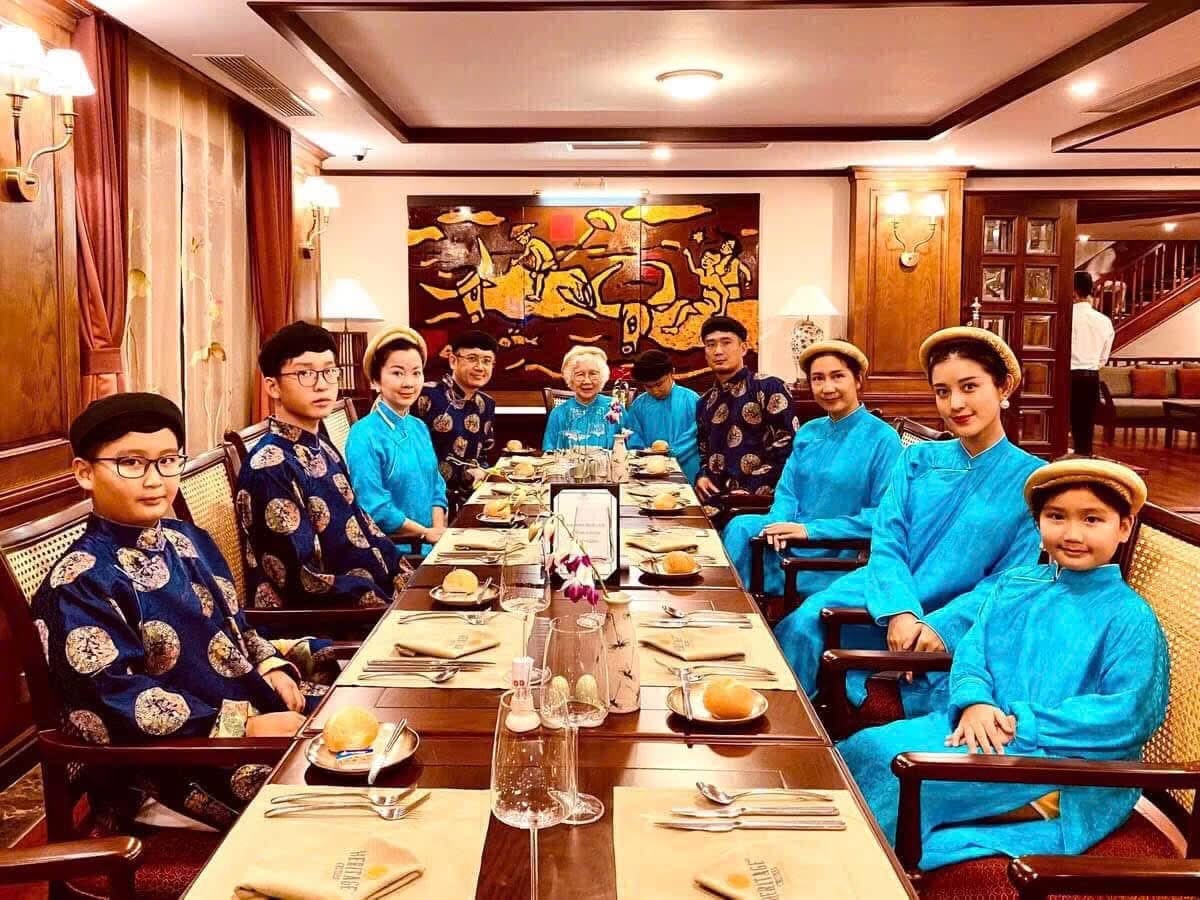
But the label “family” does not explain the purchase. Two families with the same budget might be trying to do very different things. One wants to reunite after years apart; another wants to introduce Vietnamese culture to children raised overseas. The first journey may need private space and an unhurried pace. The second may need heritage stories that different generations can explore together.
These situations are design hypotheses, not research findings about Heritage guests. To learn which needs recur, what actually triggers a booking, and which tradeoffs customers will accept, we must ask about specific recent decisions and compare their accounts with booking and operating data.
Three Layers of a Journey
A job often has functional, social, and emotional dimensions. The functional job may be to rest, explore the bay, organize a celebration, or take the family away without coordinating every transfer. The social job may be to care for relatives, host colleagues, or express good judgment in choosing an occasion. The emotional job may be to reconnect, feel proud of Vietnamese heritage, feel valued, or know that no one in the party has been overlooked.
On a lower-priced cruise, convenience and cost may drive the decision. On a private luxury voyage, flexibility and the meaning of the occasion may carry more weight. But price alone cannot tell us which dimension matters most. A budget guest may be marking a deeply personal milestone; a luxury guest may care above all about safety and timing. We need the story behind the decision, not a stereotype about the price point.
This changes service design. If the guest’s job is to connect three generations, an elegant dinner is not enough. Accessible spaces, the pace of activities, and time for conversation all affect the outcome. If the job is to host an anniversary without anxiety, quality begins in the sales conversation: who understands the guests’ preferences, who handles changes, and who owns the promise through delivery?
The Real Competitor May Not Be Another Cruise
By product category, Heritage competes with other premium cruises around Hạ Long, Lan Hạ, and Cát Bà. That comparison matters for pricing and service standards. Through the JTBD lens, however, guests compare every option capable of accomplishing the same job. A family seeking a reunion might rent a seaside villa. A couple celebrating an anniversary might choose a resort or restaurant. A company might book a hotel. Sometimes the alternative is to postpone the trip altogether.
We therefore need to ask: Why choose a journey on the water rather than an experience on land? Inspired by Vietnamese entrepreneur Bạch Thái Bưởi, Heritage brings maritime history into its art, food, storytelling, and hospitality. Heritage creates value when guests understand it, feel it, and take its story home. Displaying it alone is insufficient.
From One Ship to a House of Small Giants
LuxGroup Holdings aspires to become a House of Small Giants: businesses with their own identities, capabilities, and accountability for results, united by a culture that puts people and Vietnamese values at the center. JTBD could give those businesses a common language for collaboration without making every offering look alike.
Imagine a guest seeking a meaningful family reunion. The cruise business provides a setting on the water. The travel team designs the journey before and after sailing. Transport, dining, and art contribute comfort and moments of connection. The holding structure becomes valuable only if the businesses work together on the guest’s job and one person is accountable for the experience from beginning to end. If each unit optimizes only its own revenue, the guest is left to assemble the pieces.
Some potential guests may never have considered an overnight cruise because they lack time or have not found a suitable offering. A shorter, simpler experience might open a new market. For now, that is a hypothesis, not a proven disruptive innovation. We would need to identify the barriers to participation, understand the job, and develop an operating model that can serve those guests sustainably while honoring each brand’s promise.
Learn From Actual Purchase Decisions
Applying JTBD requires LuxGroup to move beyond the meeting room. We should interview people who booked recently, as well as those who chose another option. Instead of asking, “What do you like about cruises?”, we should reconstruct a decision: When did the idea of a trip first arise? What made you act then? Who took part in the decision? What alternatives did you consider, including staying home? What nearly stopped you from booking?
Those conversations can inform experiments in consultation, itinerary design, and coordination across businesses. Alongside advertising views and inquiries, we should examine whether guests achieved what they came to do, whether partners continue to sell the experience, and whether the economics allow us to sustain its quality.
I once thought the hardest question in tourism was how to tell Vietnam’s story more compellingly. Now I see an earlier question: What change is the guest seeking in their own life through that story? Understanding it could help LuxGroup use heritage to create meaning, people to fulfill the promise, and the House of Small Giants to carry that promise across more journeys. A cabin can be sold for a night. A job done well can give a guest a reason to trust us and return.