

Dr. Pham Ha — Founding President & CEO, LuxGroup®
A company can grow through its founder’s determination. To endure, it needs many people capable of leading. At LuxGroup, building a lifelong learning organization means turning individual knowledge into a shared capacity to make better decisions.
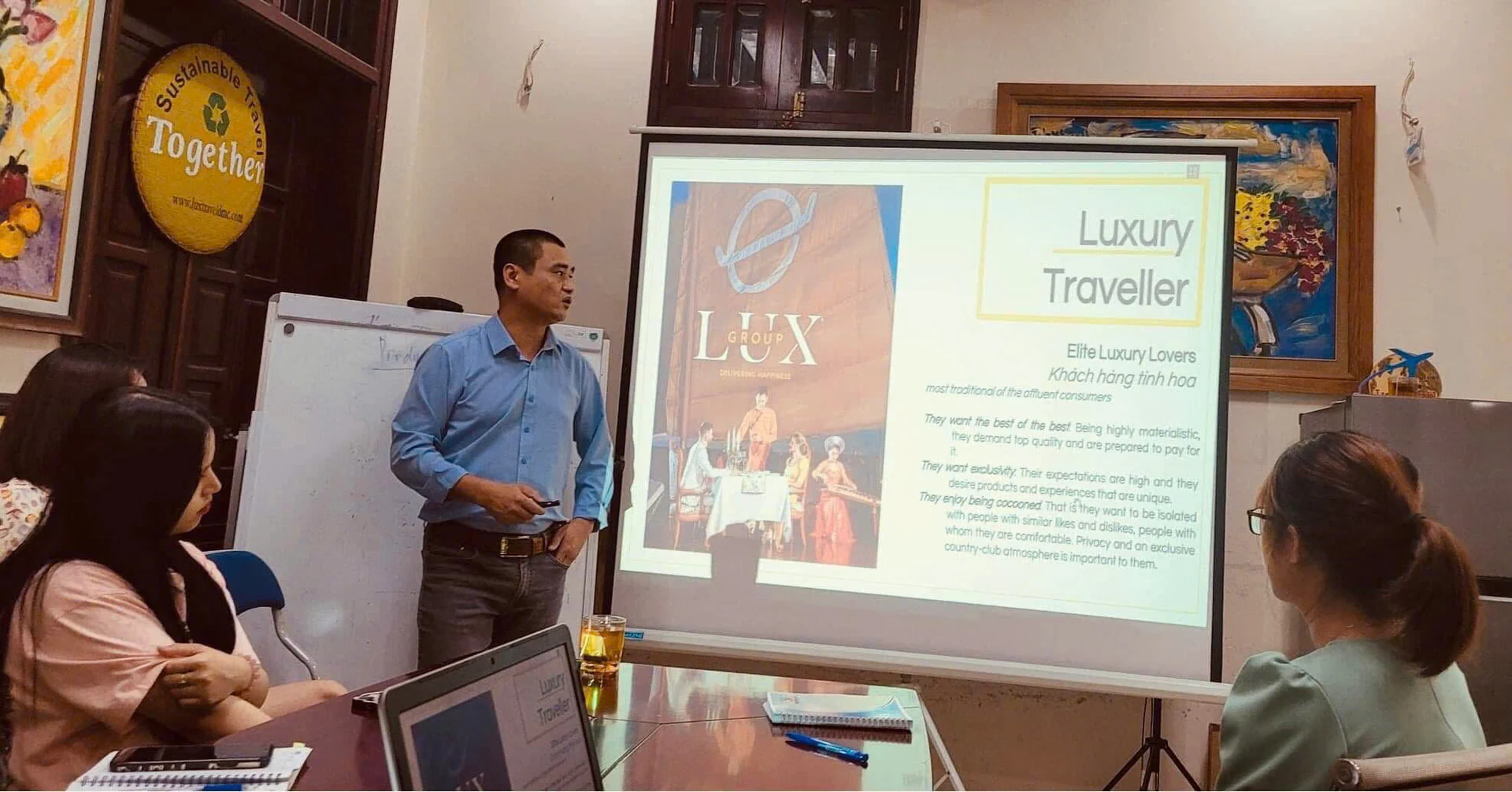
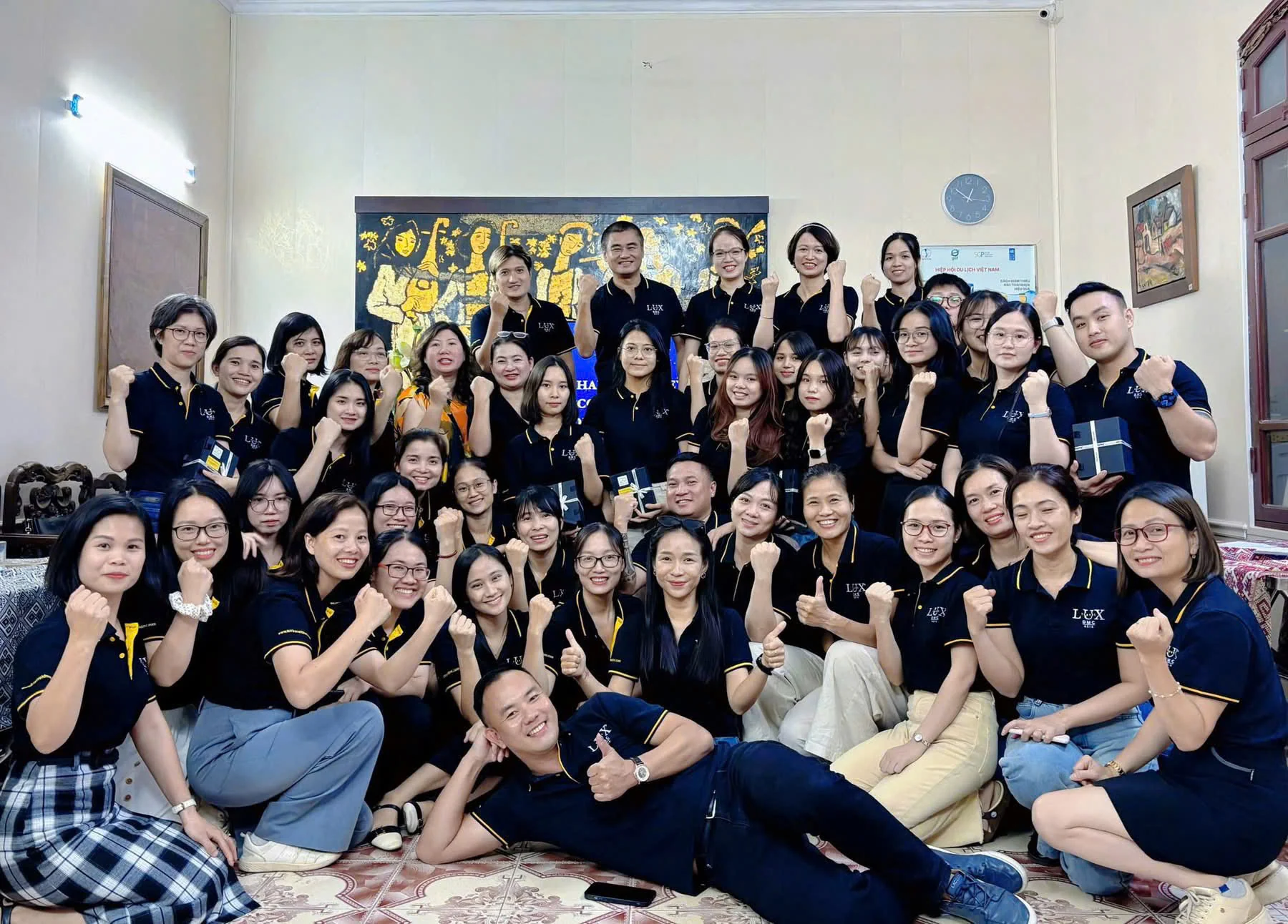
Every Friday, we dedicate one hour to employee development. Amid guest arrivals, cruise operations and the demands of hospitality, that hour represents a management choice: developing people deserves a protected place in the working week.
After more than two decades, our question has evolved. How can knowledge improve decisions, experience become transferable and employees develop the confidence to carry the organization forward? Five foundations shape our approach.
1. Leaders learn to develop other leaders
When leaders believe experience has taught them enough, their organizations risk applying yesterday’s answers to tomorrow’s problems. A leader who continues learning sends a different message: seniority does not remove the responsibility to grow.
I read, participate in management programmes and look for ways to apply what I learn. Financial knowledge should sharpen the questions asked before an investment. Leadership education should improve how managers develop their teams. Learning becomes useful when it changes what we do.
Yet the founder’s education creates lasting organizational value only when other people become more capable. If every new insight brings more decisions back to the founder, the business remains dependent on one person.
The outcome I seek is good decisions made when I am absent. This ambition guides LuxGroup’s transition toward “A House of Small Giants”: businesses with distinct identities, led by people capable of exercising judgment and accepting responsibility.
For founders, this requires humility. We must become willing to see others solve problems differently and assess their decisions on evidence rather than resemblance to our own thinking.
2. Give learning a protected place in the operating rhythm
Culture takes shape through the commitments an organization consistently honours. Our Friday learning hour matters because we preserve it when operational demands compete for attention.
Its content must follow the rhythm of the business. During quieter periods, teams can explore destinations and develop products. During peak periods, learning addresses immediate challenges: managing heavy workloads, communicating with guests and responding to unexpected situations.
Technology, artificial intelligence, sales and cultural knowledge belong in the curriculum when employees can connect them to their work.
Internal trainers play an important role because they understand where difficulties arise. Cross-departmental learning helps employees see how their actions affect the wider guest journey. External specialists contribute expertise that we have yet to develop internally.
We also ask employees what they need and want to learn. This helps keep training relevant.
A learning session earns credibility when it helps someone handle a real challenge more effectively. Repeated often enough, that experience turns attendance into anticipation: employees begin looking forward to what the next session might help them accomplish.
3. Make everyday work the testing ground for knowledge
The 70–20–10 framework encourages us to consider learning through experience, relationships and formal instruction. We use it as a design guide, rather than a fixed formula for every role.
An employee may understand first-aid procedures in a classroom and still need practice to respond confidently. A salesperson may know an itinerary and still need firsthand experience of a destination to advise guests with depth and conviction.
In luxury tourism, cultural understanding is also a service capability. When a Luxer understands the story behind a painting, a local dish or a river, the conversation with a guest becomes more meaningful. Our philosophy, “Luxury is Culture®,” must become visible in these encounters.
Experience alone, however, does not guarantee learning. People can repeat the same mistake for years without examining it.
Significant situations deserve reflection: What happened? Why did it happen? What should we do differently next time?
Recording and sharing those lessons allows knowledge to travel beyond the person who first acquired it. The organization gains something it can use again, even when that individual changes roles or leaves.
4. Combine accountability with honest feedback
At LuxGroup, we assess learning through application. We use three months as a period for familiarization and six months to demonstrate practical results. Expectations vary by role, including sales performance, customer feedback, work quality and delivery.
These expectations make development concrete. Employees should understand what progress looks like and how their learning can contribute.
Performance nevertheless requires interpretation. When someone falls short, managers must examine skills, resources and the clarity of the assignment. Attributing every difficulty to attitude can conceal problems the organization itself needs to address.
Upward feedback adds another dimension. Employees can offer valuable insight into how their managers communicate, delegate and support performance. The usefulness of that feedback depends on what leaders do when they hear something uncomfortable.
This is an area we must continue strengthening. People need to be able to report mistakes early and question a proposed approach without fearing that disagreement will be treated as disloyalty.
Accountability remains essential. Honest reporting makes accountability more effective by bringing problems into view while there is still time to act—before guests bear the consequences.
5. Invest in people and connect learning to purpose
LuxGroup allocates 5% of annual profit to people development, including training, coaching, mentoring and physical and mental well-being. Financial commitment gives our People First® philosophy a practical foundation.
The investment becomes productive when employees can see their own future within it.
Younger colleagues need skills that build confidence. Managers need opportunities to practise leadership. Experienced employees need room to pass on their expertise while updating their methods.
Learning also becomes more compelling when people understand what their knowledge makes possible.
At LuxGroup, that purpose is closely connected to Vietnamese heritage. Cultural learning helps our teams tell stories accurately and thoughtfully. Sustainability education helps them consider the consequences of business choices. Technology can help free time for the personal attention that hospitality requires.
Our 5G strategy—Go Global, Go Green, Go Digital, Go Proud and Go Happiness—depends on people understanding what they must learn to put those ambitions into practice.
A strategy reaches the guest through an employee’s decisions. The quality of those decisions reflects the opportunities that employee has had to learn.
A lifelong learning organization reveals itself through what changes after experience. Does a difficult situation lead to a better process? Can a colleague use what another team has discovered? Are more people becoming capable of leading?
LuxGroup’s Vietnam Waterways® 2045 ambition will require that capacity across businesses and generations. Its progress will depend on people who can coordinate, exercise judgment and learn as circumstances change.
The founder’s legacy therefore lives partly in the capability the organization continues to create. Each generation of Luxers should inherit knowledge—and the confidence to question it, improve it and carry it further.