

Dr. Phạm Hà
Founding President & CEO, LuxGroup®
Travelers can return home with thousands of photographs and few lasting memories. They can visit several cities without meeting anyone who changes their understanding of a place. For luxury travel, an increasingly important question is: what has the journey given us?
Hilton’s 2026 trends report emphasizes purpose, rest, and connection. Virtuoso identifies a preference for slower, meaningful, deeply personal journeys. Building on these signals and LuxGroup’s business perspective, ten developments deserve attention as we prepare for 2027. These are strategic forecasts to test in individual markets, rather than certainties about how every traveler will behave.
1. From Endless Choice to Trusted Curation
A long product catalog can leave customers with more decisions to make. An adviser creates value by understanding their needs and recommending experiences that fit.
LuxGroup should develop signature journeys with a clear purpose, audience, and rationale. Personalization begins with asking the right questions: what matters most, what worries the traveler, and what pace feels comfortable? When guests understand why an experience has been selected for them, advice becomes part of the luxury they are purchasing.
2. Fewer Places, Longer Stays, Greater Depth
A morning beside a river can be more memorable than a crowded itinerary. Slow travel creates opportunities for three-to-five-night stays in one destination, leaving time for culture, food, and everyday local life.
LuxGroup can design journeys around the guest’s rhythm, using rail on suitable routes and road transfers to reach accommodation. Transport itself can become part of the experience. Time to rest should be protected in the itinerary from the beginning. Guests should have room to enjoy a place before fatigue forces a change of plan.

3. Human Connection Becomes a Luxury
As content becomes easier to generate, meaningful encounters deserve greater investment. An artisan explaining a craft, a chef introducing a dish, or a resident sharing a memory gives a destination its own voice.
Luxury is Culture® should take shape through carefully prepared encounters. Hosts need to consent, receive appropriate compensation, and decide how their stories are presented. Guests gain access through respect. Local people become partners in creating value, with agency over their participation and the way their culture is shared.
4. Emerging Destinations Need the Capacity to Welcome
Phong Nha, Hà Giang, the Central Highlands, Quảng Trị, and Côn Đảo offer possibilities for distinctive products. Their appeal must be matched by the ability to deliver a good experience.
Before promoting a destination, LuxGroup should assess accommodation, transport, safety, guiding, and visitor capacity. Gradual development gives local partners time to prepare. A place worth discovering also needs the conditions that allow visitors and residents to benefit together. Product quality begins well before the first campaign goes live.
5. Sustainability Requires Evidence
Commitments should become practices guests can understand: who supplies the journey, how waste is managed, how conservation is supported, and how results are measured.
LuxGroup should incorporate evidence into each itinerary’s product information. Regenerative tourism aims to contribute to the recovery of nature and communities; that ambition needs outcomes that can be tracked. A tree-planting activity has lasting value when someone is responsible for care and survival monitoring. Clear reporting gives guests a basis for judging the promise and gives managers a basis for improving performance.
6. Design for Quiet and Privacy
Disconnecting from technology can be an experience guests choose. Reading spaces, uninterrupted meals, walks in nature, and time to watch the landscape can help them recover their attention.
LuxGroup can introduce voluntary periods with fewer devices while preserving necessary communication. Service rhythm matters just as much as the setting. Staff need to recognize when their presence is helpful and when guests want space. Privacy and calm emerge from thoughtful decisions about noise, activities, lighting, and the frequency of interaction.

7. Wellness Addresses Specific Needs
Guests may seek better sleep, a sense of calm, and renewed energy. Booking.com’s predictions research for 2026 also records interest in sleep-supporting amenities and quiet pursuits.
LuxGroup should develop products around concrete needs: quieter rooms, sensible schedules, suitable meals, and gentle movement. More specialized programs require qualified professionals. Claims must match the service offered. A restorative holiday should be described accurately, with a clear distinction between hospitality that supports well-being and treatment requiring clinical expertise. The starting point is understanding what guests hope to feel when they return home.
8. Choose the Right Season and Spread Value Across the Year
Travel outside peak periods can offer more space and a gentler pace. A quieter season, however, may be unsuitable for particular activities.
LuxGroup needs to design around each region’s conditions, considering weather, access, and alternatives. Clear information helps guests make informed choices. Commercially, seasonal products can support capacity use and more continuous employment when demand is validated. The opportunity lies in matching a worthwhile experience with the right time, then preparing operationally for the conditions guests will encounter.
9. One Family, Several Ways to Experience a Journey
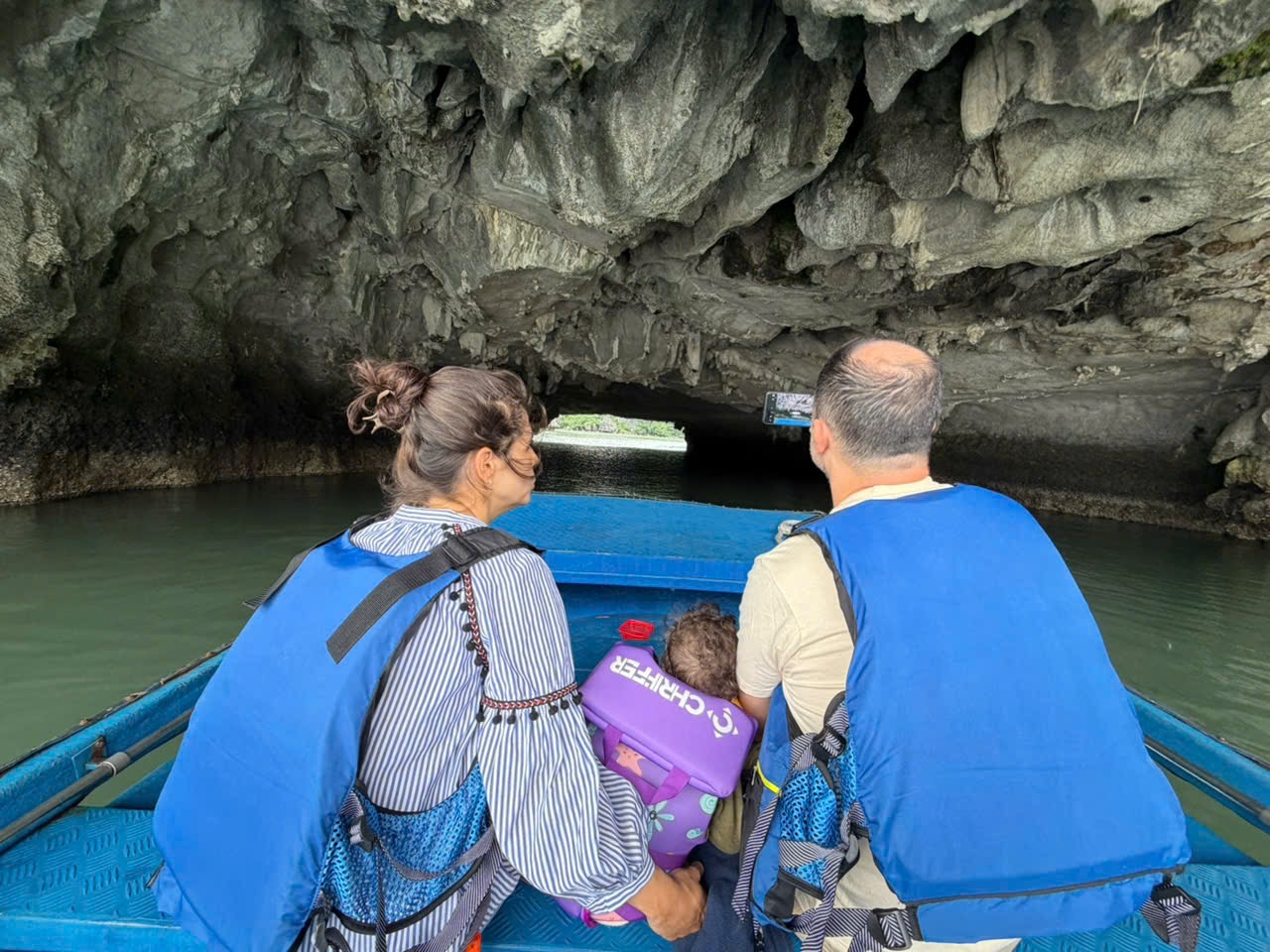
Grandparents, parents, and children may travel together while differing in health, interests, and preferred activity levels. Good design combines shared time with individual choices.
LuxGroup should plan for convenient access, rest, and activities suited to different generations. Personalization allows everyone to participate comfortably. A family journey creates value when it offers opportunities to build memories together without requiring every member to maintain the same pace. Consultation should include the needs of the whole group, alongside the preferences of the person making the booking.
10. AI Adds Speed; Human Expertise Protects Quality
AI can help analyze needs, prepare options, and update information. Local advisers assess feasibility, understand context, and respond when circumstances change.
LuxGroup should define decision rights clearly. AI prepares; accountable people confirm important commitments. Product information must come from a consistent, updated source. Efficiency should include the time spent checking and correcting outputs, alongside service quality. The practical test is whether technology makes the guest’s decision easier and the company’s delivery more reliable.
Together, these ten developments call for deeper customer understanding and stronger execution of promises. LuxGroup can test individual products, assess their financial contribution, gather guest feedback, and examine local benefits before expanding. A forecast becomes useful when it changes a decision and creates evidence for the next one.
For leaders, preparation should start with one question: which of these developments can we serve credibly? A company may have the expertise for cultural journeys but lack the resources for specialized wellness. It may identify demand for longer stays yet need stronger local partnerships to make them worthwhile. Select a manageable number of priorities, assign ownership, and agree on what success means. Bring marketing, sales, and operations into the same discussion before announcing a new offer. The discipline is to connect ambition with capability, so that growth strengthens the experience rather than stretching the organization beyond what it can deliver.
Delivering Happiness® begins with concrete conditions: guests feel understood, employees have the skills and support to deliver, and destinations are treated with respect. In 2027, differentiation will depend on the quality of what a business can actually provide—and the memories that quality makes possible.