


How LuxGroup can turn customer insight into journeys that matter
By Dr. Phạm Hà, Founding President & CEO, LuxGroup®
A guest asks for a suite on a boutique cruise. Another asks for a private guide in Hội An. A third wants every detail of a family holiday arranged before departure. Each request sounds like a product specification. Yet the reason for buying may be entirely different. The first guest could be celebrating an anniversary; the second may want to reconnect with a parent’s homeland; the third may simply want to be fully present with the family rather than manage logistics.
For LuxGroup, this distinction matters. If we classify all three as “affluent travelers,” we know something about their ability to pay but little about the work the journey must do for them. The task is to understand what progress each person hopes to make, then design the experience around it.
Six portraits are a starting point
In my earlier writing, I described six luxury travel personalities: the Experientialist, Traditionalist, Dreamer, Misfit, Covert traveler, and Opportunist. Another LuxGroup portrait considers elite, aspiring, savvy, exploratory, admiring, and young luxury customers. These are useful lenses for listening and marketing. They remind us that a person who values privacy may express luxury differently from one who wants recognition, and that a discerning buyer may want proof of value even when price is not the main constraint.
But a portrait is not a permanent identity. The same person can be a Traditionalist on a family holiday and an Experientialist on a solo journey to meet artists. Good segmentation helps us ask better questions; it should never become a script that tells a guest who they are.
This is the practical value of Jobs to Be Done. The customer “hires” a journey to achieve something in a particular circumstance. Functional needs matter: a safe vessel, a comfortable room, a dependable transfer. Social needs matter too: honoring a parent, celebrating a relationship, or creating a story the family can share. Emotional needs may be decisive: relief, belonging, wonder, restoration, or pride in a culture rediscovered.
Listen for the moment that made the trip necessary
Our teams should begin with the event behind the inquiry. What happened that made the guest want to travel now? What would make the trip feel successful after returning home? Who else has a stake in the decision? Which alternatives did they consider: another cruise, a resort, a self-planned journey, or staying at home? What would make them hesitate to book?
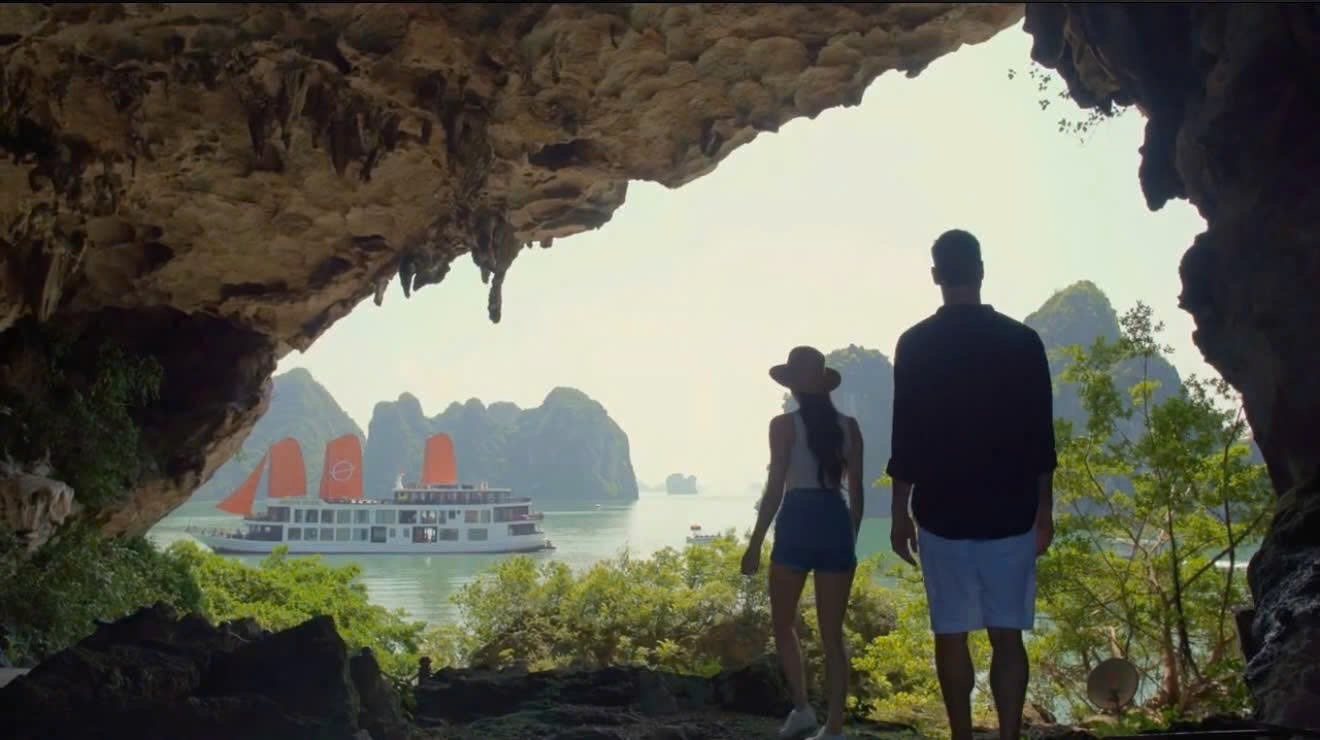
These questions reveal competition beyond the brochure category. Heritage Cruises Bình Chuẩn competes with other overnight cruises in the Cát Bà Archipelago. For a couple seeking time together, a secluded resort may be the real alternative. For a family connecting children with Vietnamese heritage, a private cultural journey could do the same job.
The distinction changes product development. Another amenity may help a guest who wants choice and worsen the experience for someone who needs calm. We must learn which tension the guest wants us to resolve.
Design one promise across many businesses
LuxGroup’s House of Small Giants brings together travel design, cruises, hospitality, dining, transport, and culture. It can coordinate a journey across businesses, but each unit may optimize its own schedule or margin while the guest experiences gaps between them.
Consider a family celebration. Lux Travel DMC may design the route, Heritage Cruises may host the family on the water, and other teams or partners may arrange transfers and meals. The family’s job is not to buy these transactions separately. It may be: “Help us mark this milestone together without making one family member carry the burden of planning.” To deliver that promise, somebody must own the journey end to end. Dietary details, mobility needs, preferred pace, privacy, and the emotional meaning of the occasion should survive every handoff.
The same principle applies to an art lover. An original painting aboard a vessel is a valuable asset, but it becomes a meaningful experience when a knowledgeable host can explain why the work belongs in that place, leave time for the guest to look, and connect the encounter to the wider cultural journey. Objects alone cannot perform the job. People, timing, context, and care must come together.
That coordination is also where LuxGroup should protect its distinctive capabilities. Payment systems and routine reservation tools can be standardized. The interpretation of Vietnamese heritage, the judgment to adapt an itinerary, and the ability to recognize a guest’s unspoken need require close collaboration among our people. “Luxury is culture” should guide those daily decisions, not simply decorate our communications.
Make personalization economically honest
Personalization does not mean promising anything at any cost. A tailored journey must make sense for the guest, team, community, and business. Some choices deserve bespoke design; others can use prepared options that staff adapt quickly.
This is particularly important as LuxGroup develops new waterway experiences. A mature cruise needs high service standards and disciplined use of capacity. A new product, such as Amiral Cruises on the Saigon River, has a different task: learn which occasions and customer jobs the market will value. Applying the same occupancy or margin expectations from day one could discourage the small experiments needed to understand demand. Clear test budgets, decision rights, and learning milestones allow a new idea to develop without sacrificing financial discipline.
We should also resist treating every luxury traveler as an invitation to sell more. A guest seeking quiet may value a slower itinerary. A community hosting visitors may need limits on group size and access to its cultural life. Responsible luxury asks whether the experience leaves the place and its people better able to shape their own future. That responsibility is part of the value proposition.
Measure the progress guests make
Traditional measures remain necessary: occupancy, revenue, contribution margin, repeat bookings, and service reliability. Yet they do not tell us whether the trip fulfilled the purpose that brought the guest to us. We should also record the original occasion, the alternatives considered, the points of friction, and what the guest later says mattered most. A short follow-up conversation can tell us more than a generic satisfaction score.
The resulting patterns should inform decisions. If guests repeatedly ask for greater privacy, we may need to rethink the timing of shared activities. If families value conversations with artists more than another formal meal, we can adjust the itinerary and the staffing. If agents report that our journeys are difficult to explain, we need clearer stories and booking tools. These are hypotheses to test, not claims about what every guest wants.
LuxGroup’s earlier portraits show that luxury travelers cannot be reduced to wealth, age, or a single taste. Our writing on Vietnam’s luxury travel describes the appeal of authenticity, culture, cuisine, nature, art, and memory. The strategic work now is to connect those assets to a person’s reason for traveling at a particular moment. A beautiful cabin can be copied. A coordinated journey that helps someone celebrate, reconnect, recover, or discover is harder to reproduce.
The question I want our Luxers to ask is simple: What will be different in this guest’s life because they traveled with us? When we can answer it, we have a better basis for designing the experience, allocating resources, and measuring whether our promise was kept.