

To grow as a House of Small Giants, LuxGroup must know which strengths to preserve and which new businesses need room to learn.
By Dr. Phạm Hà, Founding President & CEO, LuxGroup®
A guest steps aboard Heritage Cruises Bình Chuẩn in the Cát Bà Archipelago. She may admire the suite, art and scenery. Yet perhaps she booked to reconnect her children with Vietnam, celebrate an anniversary or escape the burden of planning. The vessel is the product. The progress she hopes to make is the business opportunity.
Since founding our travel business in 2005, I have learned that a company can excel at delivering what it sells while losing sight of what customers newly seek. Our journey from tailor-made travel to cruises, hospitality, dining and culture has created a House of Small Giants. How do we preserve the quality that brought us here while giving new opportunities room to develop?
Five ideas help answer it: disruption, organizational capabilities, customer jobs, integration and how strategy forms.
The customer does not hire our organization chart
We often describe customers by nationality, income, party size or booking channel. Those categories help plan sales and capacity, but do not necessarily explain a purchase. The same traveler can hire Heritage Cruises for a celebration, a cultural encounter or relief from planning.
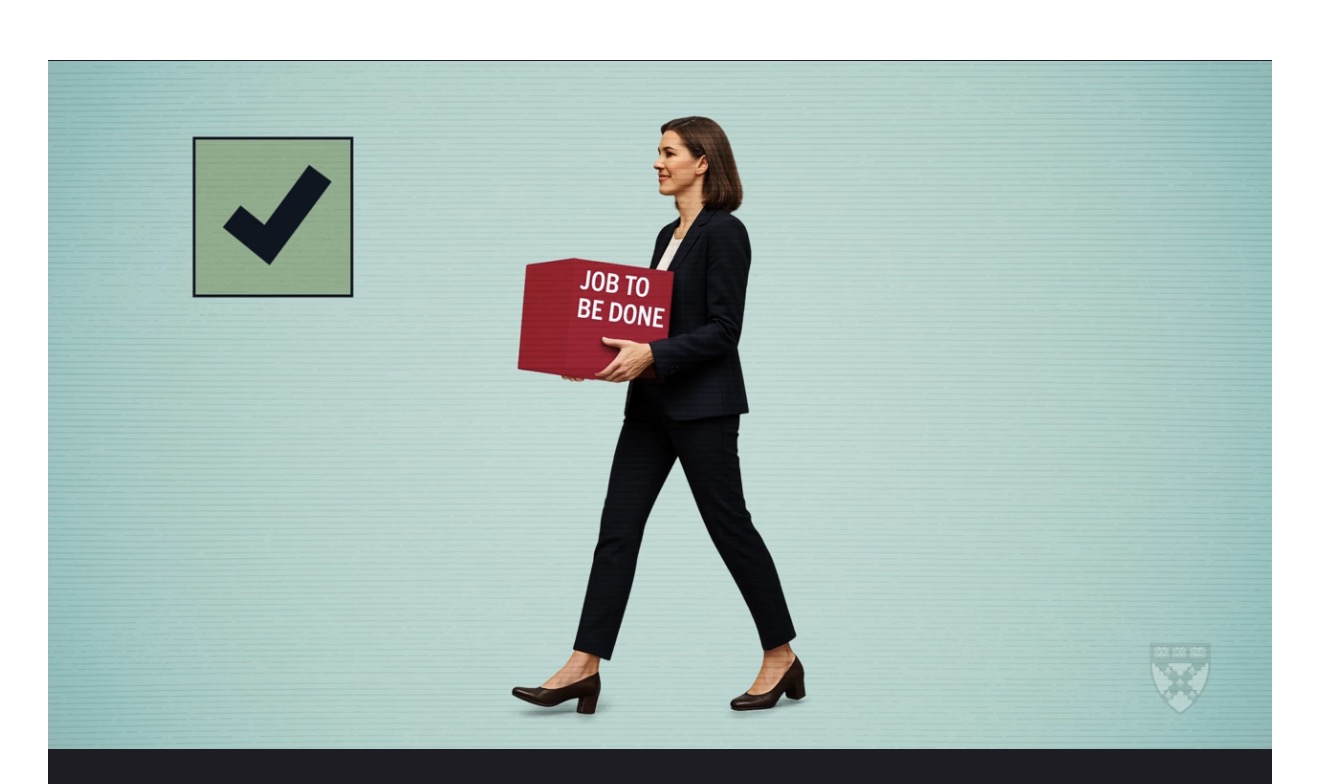
Jobs to Be Done asks what circumstance made a journey necessary. What changed? What alternatives did the guest consider? A family reconnecting with Vietnamese heritage may compare our cruise with a private guide, resort or visit to relatives. Any option that helps them make that progress is a competitor.
This changes our brief. Beyond asking which suite or activity a guest prefers, we ask what the occasion means. A painting matters more when a Luxer connects it to a story the guest cares about. A transfer can give an older parent a comfortable start to a family celebration. Luxury becomes meaningful when details serve a human purpose.
Our capabilities also define our limits
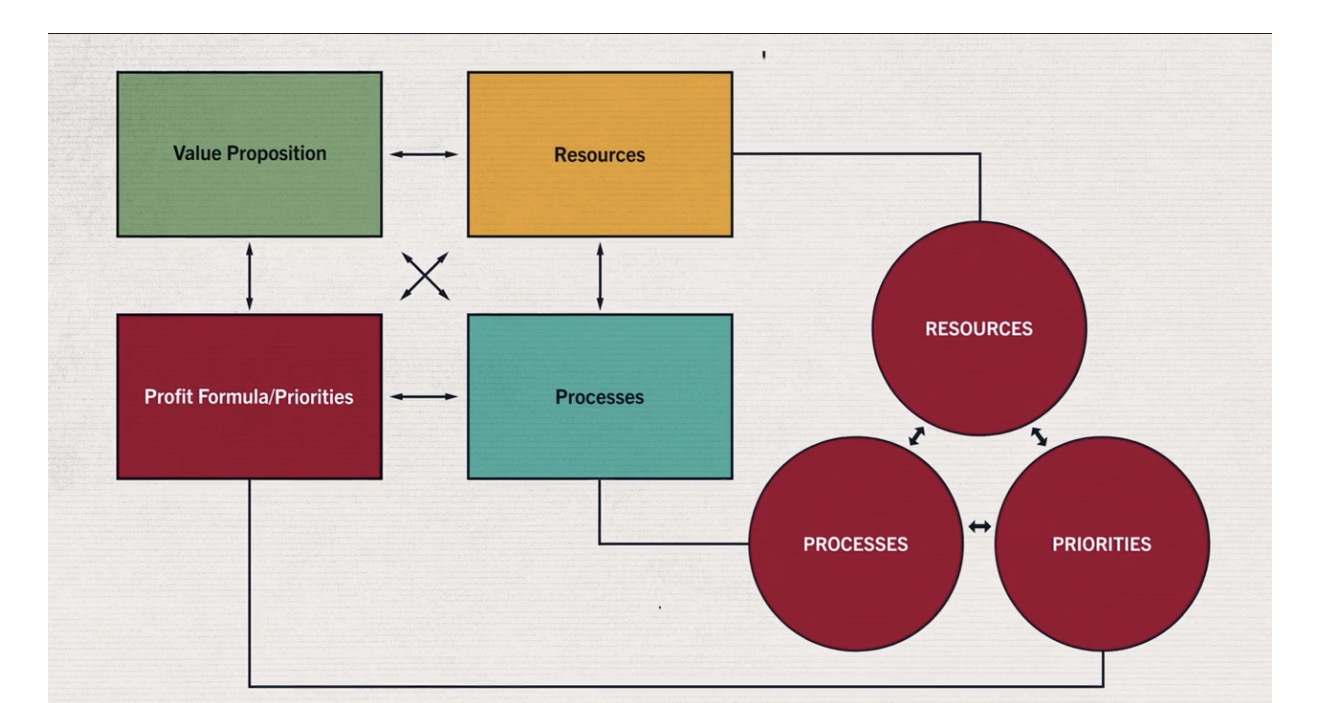
An organization has resources, processes and a profit formula. LuxGroup’s resources include our people, vessels, brands, relationships and cultural knowledge. Processes determine how a promising inquiry becomes a designed journey and how information moves between teams. The profit formula determines which bookings, routes and investments receive attention.
These elements enable complex, personal experiences. They can also constrain us. A process protecting quality on an established cruise may be too slow for testing a Saigon River itinerary. A mature product’s margin threshold may reject an experiment before we understand its market. If decisions repeatedly return to the founder, managers may lack authority over the results they own.
We must match resources, processes and priorities to the work. Heritage Cruises needs disciplined delivery and improvement. A developing venture such as Amiral Cruises needs bounded experiments and rapid feedback alongside financial controls. Each is at a different stage. LuxGroup has described Amiral as part of its larger ambition to develop culturally rooted journeys on Vietnam’s waterways.
Choose where to integrate
Some parts of travel have become easier to purchase from specialists: payment tools, routine booking technology and standard transport services. Where the interface is clear and performance is good enough, we can work with partners and remain flexible. Owning every component would add cost without necessarily improving the guest’s experience.
Other interfaces remain unpredictable. The guide’s interpretation of a historic site affects the guest’s understanding of the art on board. The timing of a meal affects whether a family has space for conversation. A change in weather alters the route, service rhythm and story we tell. These elements must be designed together. When one decision changes the quality of another, LuxGroup should retain close control of the guest promise, cultural interpretation, service recovery and critical handoffs—even when partners perform individual tasks.
The component that defines performance may be our ability to connect Vietnamese culture, attentive people and dependable execution into one journey. We should test that proposition with customers. If it proves true, training, decision rights and coordination deserve investment.
Protect the new idea from the old scorecard
Disruption can begin in places established companies find too small, unfamiliar or unprofitable. A shorter waterway experience for a guest who would never book an overnight cruise is not automatically a disruptive innovation. It becomes strategically interesting if it opens access to a new group, relies on a viable business model and can improve over time.
LuxGroup should explore such possibilities without forcing them through the economics of its established cruises. For Amiral Cruises, the first questions are which customer jobs a Saigon River journey serves, which occasions generate repeat demand and which operating model can serve them sustainably. We can run limited tests, set a budget we can afford to learn with and decide in advance what evidence justifies expansion. An experiment that reveals weak demand is useful if we act on it before committing a fleet.
Patience for learning does not permit endless losses. Good money gives an idea time to find its customer; bad money demands scale before the experience and economics fit together. Vietnam Waterways 2045 requires both exploration and restraint in sequencing investment.
Let strategy emerge, then make a choice
Leaders write plans. Strategy also forms when a salesperson hears the same hesitation repeatedly, a captain adapts a route, or a guest tells a host which moment mattered most. Such decisions may reveal a direction before headquarters names it. If we ignore them, our formal strategy describes what we intended while our actual strategy follows the incentives and constraints of daily work.
I want LuxGroup’s deliberate vision to be clear: journeys rooted in Vietnamese culture, delivered responsibly and built for long-term value. Within that direction, subsidiary leaders need room to surface evidence that changes a product. We must establish who can approve a small test, who owns a guest’s experience across businesses and when an emerging pattern earns resources and a formal standard.
There are two dangers. Formalize too early, and a new venture becomes rigid before it finds its market. Formalize too late, and a valuable practice depends on a few individuals, varies from one team to another and cannot scale. The leader’s task is to recognize when a pattern has enough evidence to become an intentional choice.
Our House of Small Giants will not be measured only by the number of brands it contains. Its strength will be whether each business can make sound decisions close to its customers, learn from those decisions and still keep a shared promise. Before approving a new ship, route or platform, I want us to ask three questions: What progress will this help the customer make? What must we organize differently to deliver it? And what evidence will tell us when to commit?
Vietnam Waterways 2045 is a deliberate ambition. The routes, experiences and business models that make it real will be discovered one customer decision at a time. Our job is to be disciplined enough to learn from those decisions—and brave enough to change when they point us somewhere new.

