

From the limestone islands of the north to the waterways of the Mekong, a new vision for cruising could bring travellers closer to the country’s art, history, food, and coastal communities.
By Dr. Phạm Hà, Founding President & CEO, LuxGroup®
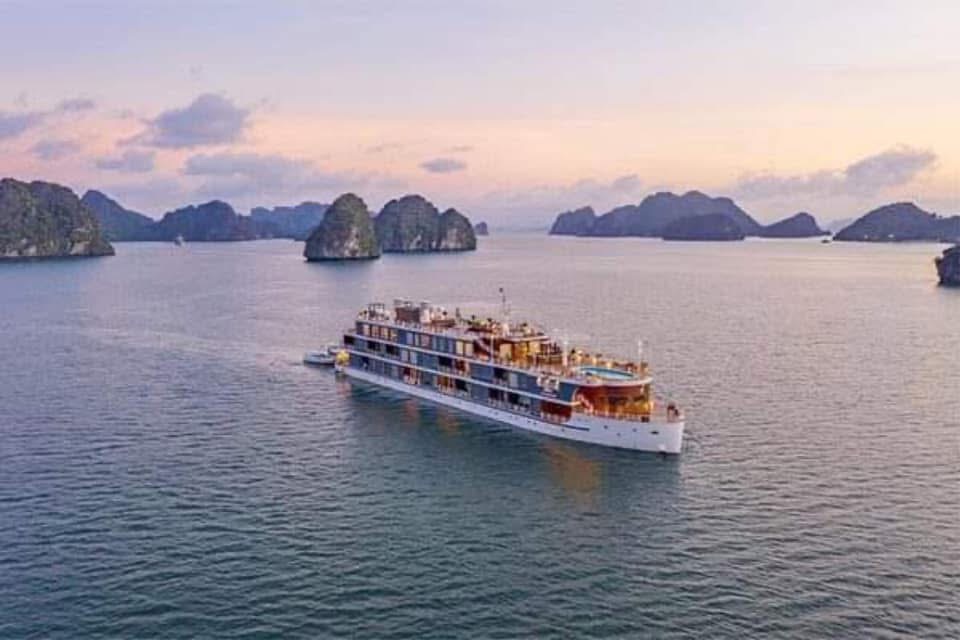
There is a moment on a voyage through Vietnam when the landscape begins to tell a story. In the north, limestone islands rise from the water around a cruise vessel. Farther south, a river leads past a city’s historic waterfront. In the Mekong, waterways connect towns, orchards, markets, and families whose lives follow the rhythm of the river.
For many travellers, Vietnam’s water has been the backdrop to a holiday. I believe it can become the journey itself.
Vietnam’s tourism industry has an opportunity to make that shift. A recent Vietnam News Agency report argues that the country’s future as a marine destination depends on experiences that inspire longer stays, greater spending, and lasting benefits for coastal communities. Its vision reaches beyond beach resorts to cruising, culture, food, recreation, and conservation.
At LuxGroup®, we see an opportunity to connect these experiences through Vietnam Waterways® 2045. Our long-term vision is to develop 30 Vietnamese-designed vessels serving five regions: Hạ Long–Cát Bà, Huế–Đà Nẵng, Nha Trang, Sài Gòn, and the Mekong. The ambition is about the journeys those vessels could make possible and the people they could bring together.
A Voyage With a Sense of Place
A cruise through Hạ Long or Lan Hạ Bay offers remarkable scenery. To understand where you are, though, you also need the stories of the coast: its seafarers, fishing communities, artists, and entrepreneurs. The best journeys give guests time to enjoy the view and a reason to look more closely.
Heritage Cruises Bình Chuẩn® draws inspiration from Vietnamese maritime history and carries original works by artist Phạm Lực. A guest can spend the day among the islands and return aboard to encounter Vietnamese painting. Emperor Cruises® offers an intimate way to explore Bái Tử Long, with room for the landscape to set the pace.
Farther south, Amiral Cruises for Presidents® approaches the Sài Gòn River as part of the city’s history. From the water, guests can see how the river helped shape a place known for movement and reinvention. Every region offers a different story. The pleasure of travelling Vietnam by water lies in discovering how those stories connect.
For that reason, I would like to see more itineraries built around a traveller’s curiosity. Someone drawn to art might visit a collection aboard ship, meet makers ashore, and explore the architecture of a port city. A traveller interested in food might follow an ingredient from a fishing boat or market to the kitchen. Others may come to watch wildlife, learn about mangroves, or simply spend an unhurried morning on deck.
The Journey Continues Ashore
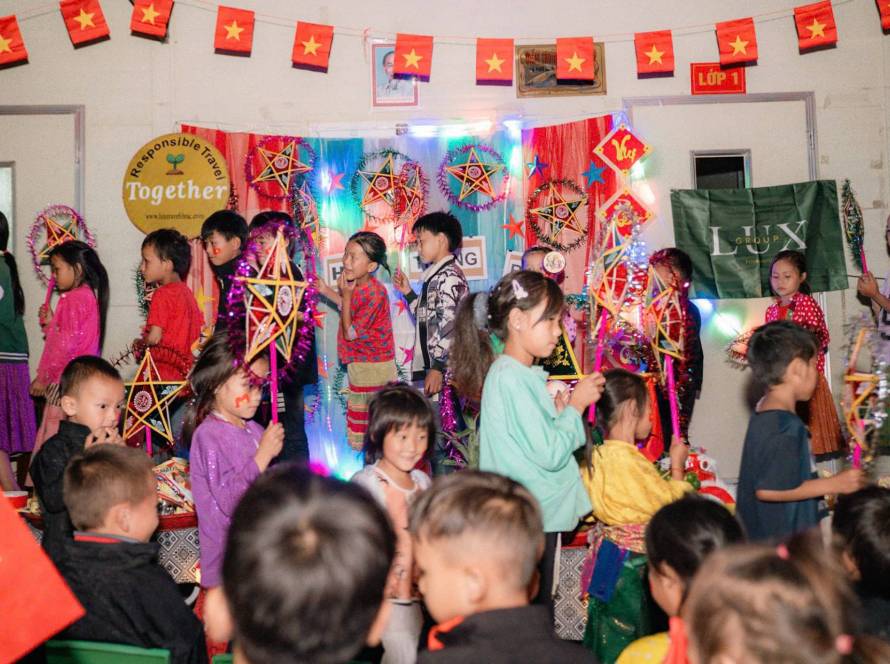
A ship’s arrival should open doors to the destination. Guests might visit a workshop, eat at a locally owned restaurant, or join an activity developed with a coastal community. Such visits are most rewarding when hosts have a real voice in how their work and traditions are presented.
Vietnam has a rich maritime culture to share. Fishing practices, boatbuilding, coastal cuisine, folk music, and festivals vary from one region to the next. They offer travellers a way to meet the people behind the landscapes. They can also create income for families and small businesses when partnerships are built thoughtfully.
Consider how much richer a northern voyage becomes when it connects the bays with Hải Phòng and nearby cultural destinations. Or how a journey in central Vietnam might bring together Huế’s heritage, Đà Nẵng’s coastal life, and Hội An’s craft and food traditions. These connections invite travellers to spend more time in a region and find their own reasons to return.
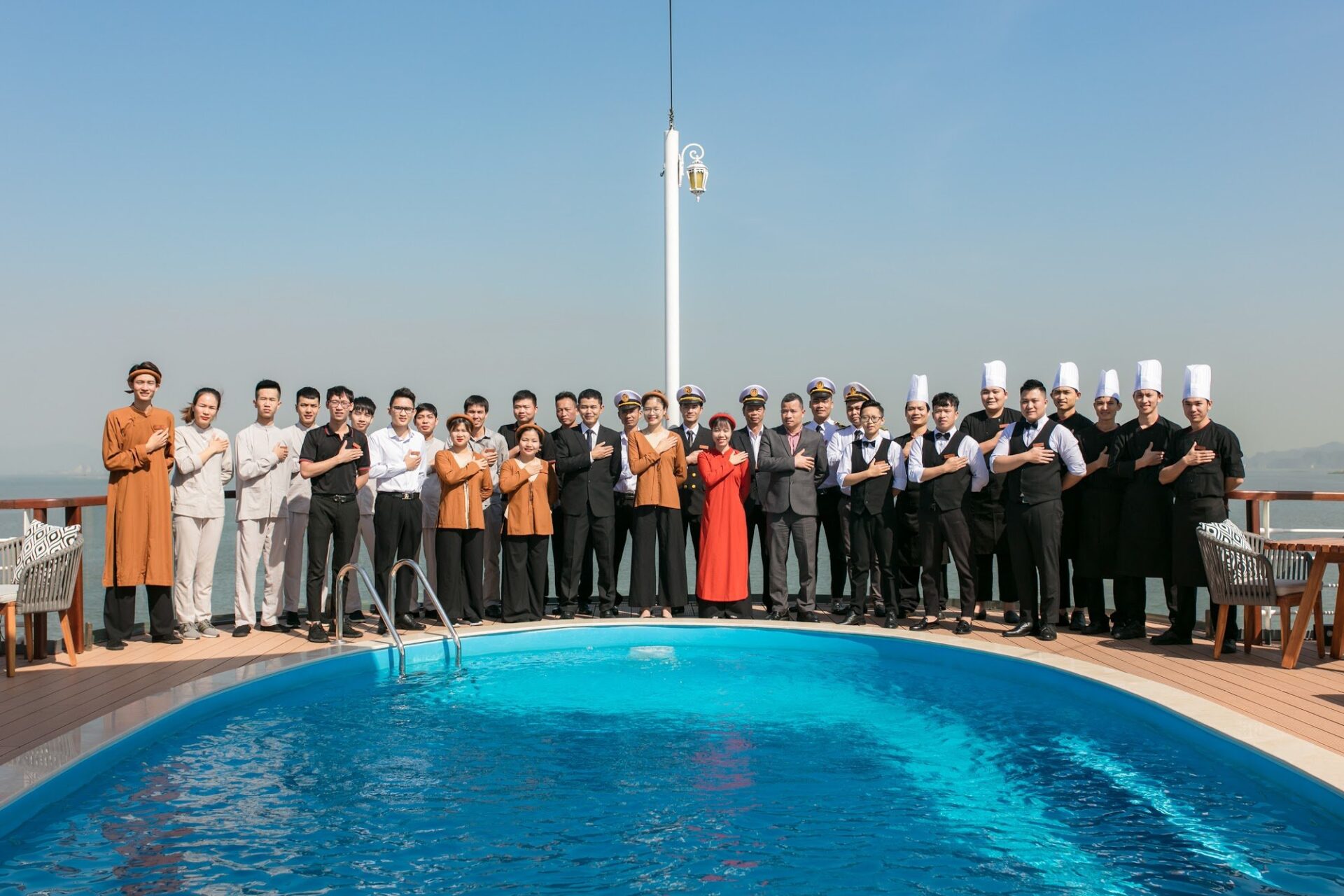
Ports and marinas matter to this future, but so do guides, chefs, craftspeople, transport operators, and hosts. A memorable day ashore depends on the quality of all those encounters.
Caring for the Water
Travellers increasingly want to know how their presence affects a place. Operators need to be ready with clear answers.
Before adding a route or vessel, we should ask what the waterway can support. How will waste be handled? How much freshwater will the voyage use? What happens when several vessels reach the same landing at once? Are local residents benefiting from the visits? These questions belong at the start of itinerary design.
They also call for cooperation. Cruise operators, ports, destination managers, conservation groups, and communities all hold part of the picture. Shared information about vessel traffic, visitor flows, and environmental pressure can help them make better decisions together.
Vietnam’s national tourism direction places growing emphasis on quality, cultural identity, higher value, and sustainability. For travellers, those goals should become visible in the care of a destination and the people they meet there.
A Vision for 2045
Vietnam Waterways® 2045 will grow one sound decision at a time. Each proposed vessel needs a route that guests want to travel, safe access, a capable crew, and a viable investment plan. Each destination needs time and space to shape the experience with us.
If we succeed, a traveller could one day discover Vietnam through a sequence of water journeys, each with its own character. They might encounter art among the northern islands, explore the cultural coast of central Vietnam, see Sài Gòn from its river, and follow the Mekong into daily life along its banks.
The measure of that success will be what guests remember and what destinations gain. I hope visitors leave with more than photographs of a beautiful coastline. I hope they remember a conversation with an artist, the story behind a vessel’s name, a meal prepared from local ingredients, or the quiet feeling of arriving somewhere by river.
Vietnam has extraordinary waters. By 2045, they could help travellers experience the country with greater depth, while supporting the communities who call its shores home.