


At Lux Travel DMC, the challenge is to connect cultural storytelling with measurable demand without reducing a private journey to a click.
By Dr. Phạm Hà, Founding President & CEO, LuxGroup®
A traveler planning Vietnam rarely begins by requesting a quotation. She may first see a photograph of Lan Hạ Bay, hear a friend describe a meal in Hội An, or read a story about life along the Mekong. Weeks later, she searches for a private guide. Eventually, she asks an expert to design a journey around her interests.
Which encounter created the booking?
The question matters because marketing budgets are often judged by the last visible action. Search receives credit when the traveler clicks before making an inquiry. The story that first made Vietnam desirable may receive none. For a destination management company selling carefully designed journeys, that is an incomplete account of how customers choose.
Lux Travel DMC has built its offer around private, tailor-made travel, local expertise, and experiences that connect visitors with Vietnam’s culture and people. Our advisors, guides, and partners translate a traveler’s interests into an itinerary that can change as the conversation develops. Marketing must make that expertise visible before an inquiry arrives, then help the traveler judge whether we can deliver what we promise.
Give each channel a job
A useful marketing plan begins with the traveler’s decision, rather than a list of platforms.
At the awareness stage, someone may be interested in Asia but have no firm plan to visit Vietnam. A story about an artist, a village, a regional cuisine, or a voyage through limestone islands can give that person a reason to care. Video, social media, editorial partnerships, and guest recommendations can all play a role. Their immediate task is to earn attention and create a memorable association.
At the consideration stage, the traveler asks harder questions. Can the family move at its own pace? Will a private guide bring context to the places they visit? How much time should they spend in the north, centre, and south? This is where detailed destination content, sample itineraries, reviews, and an informed conversation with an advisor become valuable.
At the conversion stage, the questions become personal: dates, availability, accessibility, accommodation, the pace of travel, and the total cost. Search advertising can be effective here because it reaches people who are already expressing intent. Yet a click is only the beginning. The landing page and the advisor’s response must carry the same promise as the advertisement.
The practical principle is simple: a channel deserves a budget when it has a defined role in moving the right traveler toward a well-designed journey. Its performance should be judged against that role.
Sell the reason to travel before the itinerary
Luxury travel marketing often leads with visible assets: elegant vehicles, beautiful rooms, private access. These details matter. But they are easy for a prospective guest to compare and easy for another company to claim.
The deeper proposition is what a journey allows a person to experience. A family might want its children to understand Vietnam beyond the landmarks. A couple may wish to encounter art and cuisine without rushing. A returning visitor might seek a more personal relationship with a region they have seen before. Each motivation calls for different stories, questions, and itinerary choices.
Lux Travel DMC’s published journeys already span culture, cuisine, family travel, cruises, and slower encounters with local life. That breadth gives our team material to work with. The marketing task is to organize it around traveler intent rather than present every possible destination at once. A person asking about a family holiday should find evidence that we understand family travel. Someone seeking cultural depth should see the people and places behind that claim.
This also changes creative development. An awareness film might open with the experience of meeting a Vietnamese artist or traveling across a bay at daybreak. A consideration page should explain how the encounter is arranged and why it is meaningful. A conversion message should make the next step clear: speak with an advisor who can shape the journey around the traveler.
The promise remains consistent. The evidence becomes more specific as the decision approaches.
Make paid, owned, and earned media reinforce one another
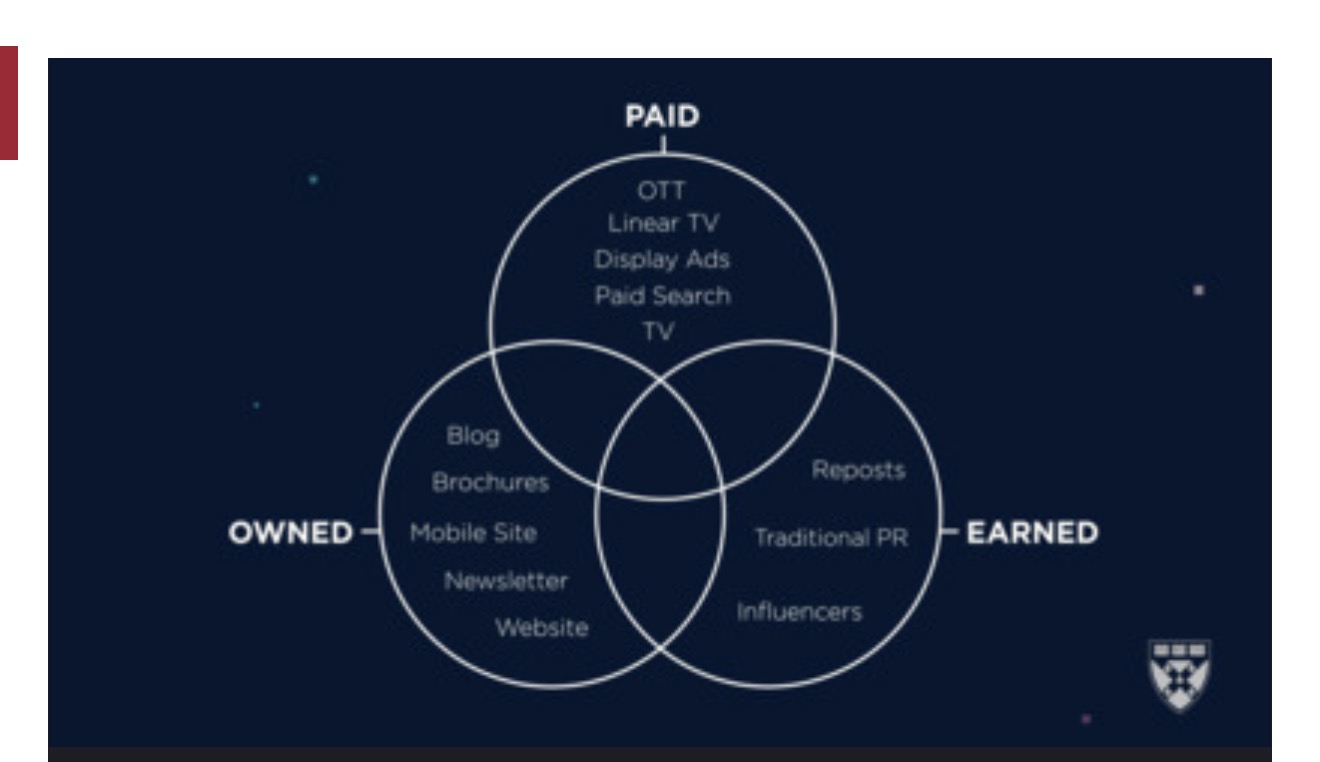
Paid media can introduce Lux Travel DMC to a new audience quickly. Owned media—our website, destination guides, and direct communications—provides room to explain what we do. Earned attention, including genuine guest recommendations, adds perspectives we cannot create ourselves.
These forms of media work best as a connected system. A compelling story can prompt a search. Search can lead to a useful guide. That guide can lead to a conversation. A well-served guest may later recommend the experience to someone else. If any step disappoints, spending more at the previous step will not solve the problem.
Content partnerships require particular care. Sponsored destination storytelling can be informative and beautifully produced, but readers should be able to identify it as paid content. Trust is essential when a guest is considering a significant journey, and clarity is part of earning that trust.
Responsible travel must also be demonstrated through decisions, not used as a decorative phrase. Lux Travel DMC’s published guidance asks guests to respect local cultures, protect nature, seek permission before photographing people, and consider slower, lower-impact ways to travel. Marketing can explain these choices and the experiences they make possible. It should remain faithful to what the operating team can deliver.
Measure the journey behind the booking
A travel company can track impressions, clicks, inquiries, and bookings. Those figures are useful, but each answers a different question.
Impressions indicate whether a message is reaching people. Click-through rate shows whether it attracts a response. Neither establishes that the audience is right for a private journey. An inquiry is more promising, but only if it fits the company’s expertise and can become a valuable booking.
For Lux Travel DMC, a practical performance review should follow qualified inquiry → proposal → confirmed booking → trip contribution → guest relationship. The team should know which campaigns attract travelers whose needs it can serve, how often proposals convert, and whether the resulting bookings produce an appropriate margin. Over time, referrals and returning guests reveal value that a single campaign report may miss.
Return on ad spend can help compare campaigns, but using the full booking price as “return” risks overstating their economics. A private journey includes hotels, transport, guides, experiences, and other delivery costs. A campaign that produces a high booking value may contribute less than expected after those costs are considered. Acquisition decisions therefore need a view of contribution and customer value alongside revenue.
Brand activity calls for another set of measures. Are more suitable travelers aware of Lux Travel DMC? Do they understand our approach to private travel? Are they searching for us by name, arriving better informed, or referring others? Where possible, controlled tests can help distinguish growth caused by marketing from bookings that would have occurred anyway.
Give AI a clear strategy to execute
AI can help our team examine search language, identify recurring questions in inquiries, draft alternative headlines, and test how different messages perform. It can help advisors find relevant knowledge faster. It may also change discovery itself as travelers ask conversational tools to compare destinations and plan trips.
That makes clear, accurate product information more important. An automated assistant may identify a journey by its duration, destinations, accessibility, or themes. A human traveler may remember how its story made them feel. Lux Travel DMC must serve both kinds of discovery with descriptions that are useful, consistent, and true.
The harder work remains human. We must decide which travelers we are best equipped to serve, what kind of journey is worth creating, and which outcomes deserve investment. We must listen when campaign data conflicts with our expectations and when guests tell us something the data cannot explain.
The aim is a marketing system that learns from every stage of the traveler’s journey. When it works, it does more than generate an inquiry. It prepares the right guest for a meaningful encounter with Vietnam—and gives our people the opportunity to make that encounter worthy of the promise.