


For a travel group built around culture and personal service, the most useful marketing question is not how many people saw an advertisement. It is whether the relationship that followed created value for everyone involved.
By Dr. Phạm Hà, Founding President & CEO, LuxGroup®
A guest may first encounter Vietnam through a photograph of Lan Hạ Bay. Months later, she reads about the paintings of Phạm Lực aboard Heritage Bình Chuẩn®. A travel advisor then introduces her to Lux Travel DMC Asia. She books a journey that brings together a cruise, local cuisine, and conversations with people who know the places she visits.
Which interaction brought her to LuxGroup®?
The honest answer is that each may have played a part. Yet marketing reports often give the booking to one channel: the final search advertisement, the last website visit, or the advisor who sent the inquiry. That accounting may be convenient, but it is too narrow to guide a business whose promise is to create meaningful journeys.
At LuxGroup, we describe our purpose as Delivering Happiness® and our approach to travel as Luxury is Culture®. Those ideas must inform how we spend money, use data, and judge success. A campaign that generates cheap inquiries but disappoints guests does not serve our purpose. Neither does a beautiful story that no one finds or that our teams cannot translate into a well-run experience.
The practical task is to connect brand, marketing, service, and financial performance across the whole customer journey.
Begin With a Clearer Definition of Success
Our businesses include travel design, cruising, hospitality, dining, and cultural experiences. They serve different customers and purchase decisions. A guest planning a private family journey may spend months researching. An overseas travel advisor needs dependable proposals and confidence that we will care for their clients. A cruise guest may discover us shortly before arriving in Vietnam.
We cannot manage these relationships with one universal conversion target.
For each business and customer group, we need to state what we are trying to achieve. Is the priority to reach qualified new guests, increase direct bookings, develop productive travel trade partnerships, encourage a second journey, or improve the margin on a service we already sell? Only then should we select channels and key performance indicators.
This changes the meaning of a lead. A completed inquiry form is a useful signal, but the more revealing questions come later: Was the inquiry appropriate for our offer? Did we respond well? Did the guest book? Did the journey meet expectations? Was the booking profitable after service costs? Would the guest recommend us or return?
When marketing and operations follow the same questions, a booking becomes evidence of a relationship, not the end of a funnel.

Look Beyond the Lowest Acquisition Cost
Customer acquisition cost, or CAC, measures what we spend to acquire a new customer. It can help compare campaigns, but the cheapest customer is not necessarily the most valuable.
Imagine two campaigns. One generates many inquiries from travelers looking for the lowest available price. Another generates fewer inquiries from guests interested in a thoughtfully designed cultural journey. The first campaign may report a lower cost per lead. The second may produce more bookings, healthier margins, and stronger referrals.
A sound decision requires us to follow both groups beyond the first click. We should connect campaign spending to qualified inquiries, confirmed bookings, contribution margin, and subsequent customer behavior. We must also ask what happens when spending increases. A channel that performs well at a modest budget may become much more expensive as we try to reach additional people.
This is particularly important in luxury travel. Our capacity to deliver intimate experiences is not unlimited, and growth that strains guides, hosts, suppliers, or destinations can damage the value guests came to us to enjoy. The goal is to acquire customers whose expectations we can fulfill exceptionally well.
Give Every Stage of the Journey Its Due
A traveler rarely moves directly from seeing an advertisement to booking a complex journey. She may discover a destination through press coverage, explore our website, watch a video, consult a travel advisor, compare itineraries, and speak with our team.
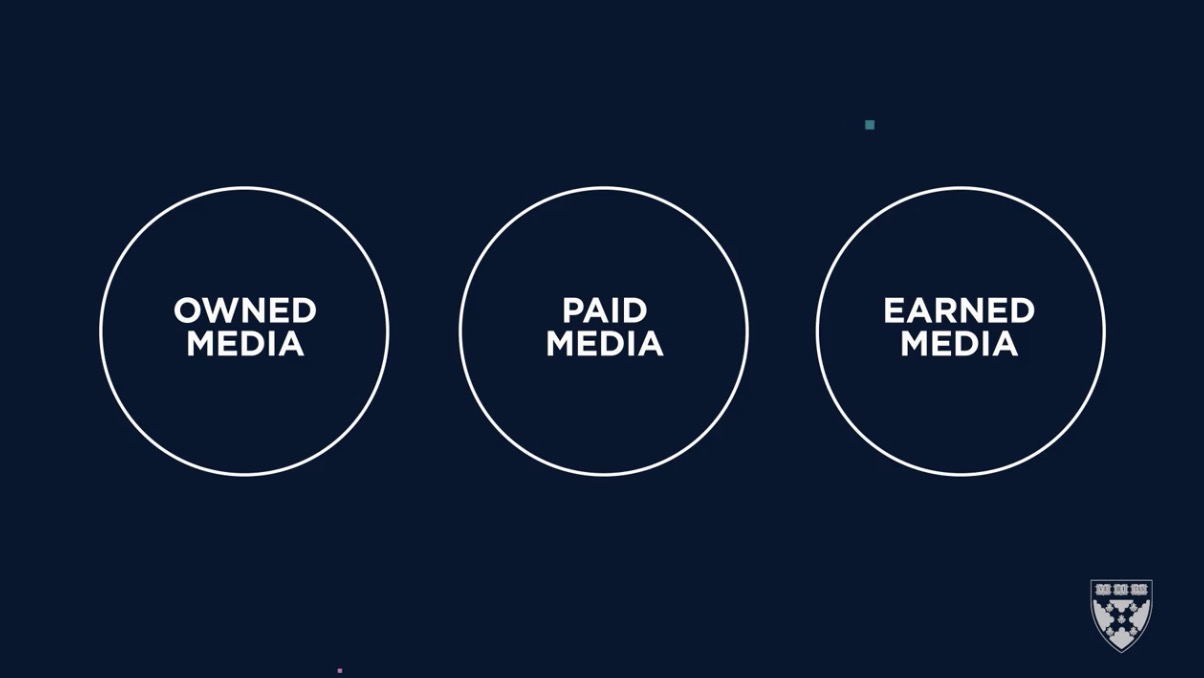
Paid, owned, and earned media each have a role. Advertising helps us reach relevant audiences. Our websites, stories, and direct communications help guests understand what we offer. Independent coverage, reviews, and personal recommendations can give them confidence in our promises.
The difficulty is attribution: deciding which interactions deserve credit for a booking. If we credit only the final contact, we risk withdrawing investment from the stories and relationships that made the customer receptive. If we assume every brand impression contributed equally, we may support content that people enjoy but that never changes their decisions.
We need several forms of evidence. Campaign and website data show observable behavior. Tests can help establish whether an activity brings in additional customers. Conversations with guests and travel advisors reveal influences that a digital dashboard may miss. Our teams should record those insights and compare them with what the numbers suggest.
The aim is not to find a perfect attribution formula. It is to make better decisions than we could make by counting last clicks alone.
Treat Retention as Part of Marketing
The value of a LuxGroup guest is not confined to one transaction. A couple who first visits Vietnam might later return with family. A guest who discovers us on a cruise may want a private journey through another region. An overseas advisor who trusts our delivery may recommend us repeatedly.
Customer lifetime value, or LTV, helps us consider those possibilities. But it should be based on contribution margin and credible evidence of repeat business, not simply the revenue we hope a relationship might produce.
Retention begins well before the next sales message. It depends on whether the first journey fulfills its promise. Did we understand the guest’s interests? Was the pace right? Did a guide have the knowledge and freedom to respond to an unexpected question? When something went wrong, did we take responsibility?
After the journey, we should learn what the guest valued and remain in touch with care. A relevant invitation to explore another side of Vietnam can deepen a relationship. A generic stream of promotions can weaken it. For travel advisors, retention may depend less on discounts than on accurate information, dependable execution, and a prompt response when plans change.
The lesson is simple: marketing cannot create loyalty on behalf of the people who deliver the experience. It can listen, remember, and help those people serve guests better.
Use AI Where It Strengthens Human Judgment
AI offers practical help across this work. It can organize inquiry histories, identify patterns in customer preferences, assist teams in preparing relevant information, summarize feedback, and flag points where guests abandon a booking process. It may help us test content or estimate which customer groups are likely to return.
Those capabilities are valuable only when we give the system sound objectives and review its recommendations. An AI model instructed to maximize immediate bookings might favor heavy discounts. One trained mainly on past customers might overlook emerging markets. Content produced at scale might describe a destination fluently while saying little that is distinctive or true to the place.
At LuxGroup, our HEARTS™ values—Humanity, Excellence, Authenticity, Responsibility, Togetherness, and Sustainability—provide a useful test. Does an AI-assisted message respect the guest? Is its description accurate? Will the experience deliver what the message promises? Does the recommendation create value for our people and the communities involved?
AI can help a travel designer prepare. It cannot decide what deserves to be called an authentic cultural encounter. That responsibility remains with people who know the destination, listen to the guest, and are accountable for the journey.
Make Measurement a Shared Practice
The greatest change may be organizational. If marketing celebrates inquiries, sales celebrates bookings, and operations is left to absorb promises neither team examined together, each department can meet its target while the guest has a poor experience.
A shared view of the journey would allow our teams to discuss the same evidence: how guests found us, what they expected, why they booked, what happened during their trip, what the journey contributed financially, and what they said afterward. It would also expose friction. Sometimes the right response to weak sales is more advertising. Sometimes it is a clearer website, a faster proposal, better onboarding, or a change to the experience itself.
We should treat these as testable decisions. State what we expect an investment to improve, watch the relevant measures, ask frontline colleagues what they observe, and adjust. Short-term campaigns and longer-term investments in content, systems, and people will pay off on different schedules. Both deserve a place in the plan.
The promise of data-driven marketing is not that every decision can be reduced to a number. It is that better evidence can sharpen our judgment. For LuxGroup, success means using that judgment to attract guests we can serve well, create journeys worth remembering, and earn the trust that brings people back to Vietnam.