

In a Q&A prepared for TTG Asia’s Show Dailies at the ASEAN Tourism Forum, Dr. Phạm Hà, Founding President & CEO of LuxGroup®, shares his outlook for Vietnam in 2027. Since founding Luxury Travel in 2005, he has built a group spanning destination management, boutique cruising and hospitality. He sees the next opportunity in longer stays, journeys beyond the best-known destinations and experiences rooted in Vietnamese culture.
What is your outlook for Vietnam tourism in 2027?
I expect international arrivals to grow again in 2027. Vietnam welcomed 19.5 million international visitors in the first ten months of 2026, up 13.8 per cent year on year. The question now is what we do with that momentum. I would judge the quality of our growth by how long people stay, how widely they travel and how much of their spending reaches the communities that welcome them.
China and South Korea should remain our largest source markets by volume. I see growth potential from India, particularly for weddings and incentive travel, and from Europe, North America, Australia and New Zealand for privately guided, multi-stop holidays. I expect more regional travellers to book four- to six-night trips around a resort stay, an event or a long weekend. Small ships and boutique retreats are likely to be among the first things guests book, especially when several families are travelling together.
For long-haul travellers, I see an opportunity to give the classic two-week tour a gentler pace. Three nights in Huế leave time for the imperial city, a family meal and a morning on the lagoon. That extra night changes what a visitor can discover and who earns a living from the visit.
Where can visitors explore beyond the established hotspots?
From Hanoi, I would pair the limestone waterways of Ninh Bình with two nights among the rice terraces of Pù Luông. A stop at the UNESCO-listed Citadel of the Hồ Dynasty, alongside Thanh Hóa’s temples and pagodas, brings another chapter of Vietnamese history into the journey. Farther south, Huế pairs well with Phong Nha for travellers who want imperial heritage, regional cooking and guided cave adventures on one itinerary. Đồng Hới is already accessible by rail, and its new airport terminal is expected to open in 2027.
On the south-central coast, Khánh Hòa’s four bays—Vân Phong, Nha Trang, Cam Ranh and Vĩnh Hy—can anchor a holiday in their own right. The journey takes in beaches, islands and coastal forests, including the former Ninh Thuận area. It can continue by road through Mũi Né to Ho Chi Minh City or work as a coastal break for travellers based in the city.
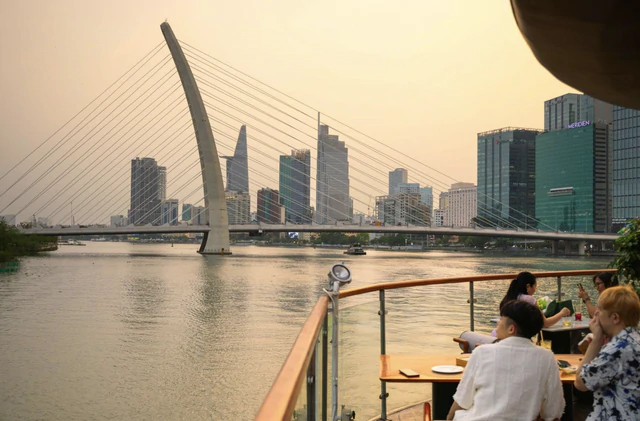
In the south, I would give travellers more reasons to spend the night in Cát Tiên National Park or travel deeper into the Mekong Delta, linking Bến Tre and Cần Thơ with visits to local producers. The river can also become part of the journey from the moment guests leave Ho Chi Minh City. Amiral Cruises offers a view of the city from the Saigon River, while private Amiral Explorers® speedboat charters depart from historic Nhà Rồng Wharf for the delta.
Which experiences will be in demand?
I expect more demand for tailor-made holidays that give guests time with the people who know a place best. That might mean cooking with a family in Huế, taking a locally guided trek in A Lưới or Pù Luông, or riding the train over the Hải Vân Pass between Huế and Đà Nẵng. From Hội An, a river-to-sea outing to the Chàm Islands gives families another reason to stay. Wellness can be part of that same holiday, with a quiet retreat, time outdoors and food that reflects the region.
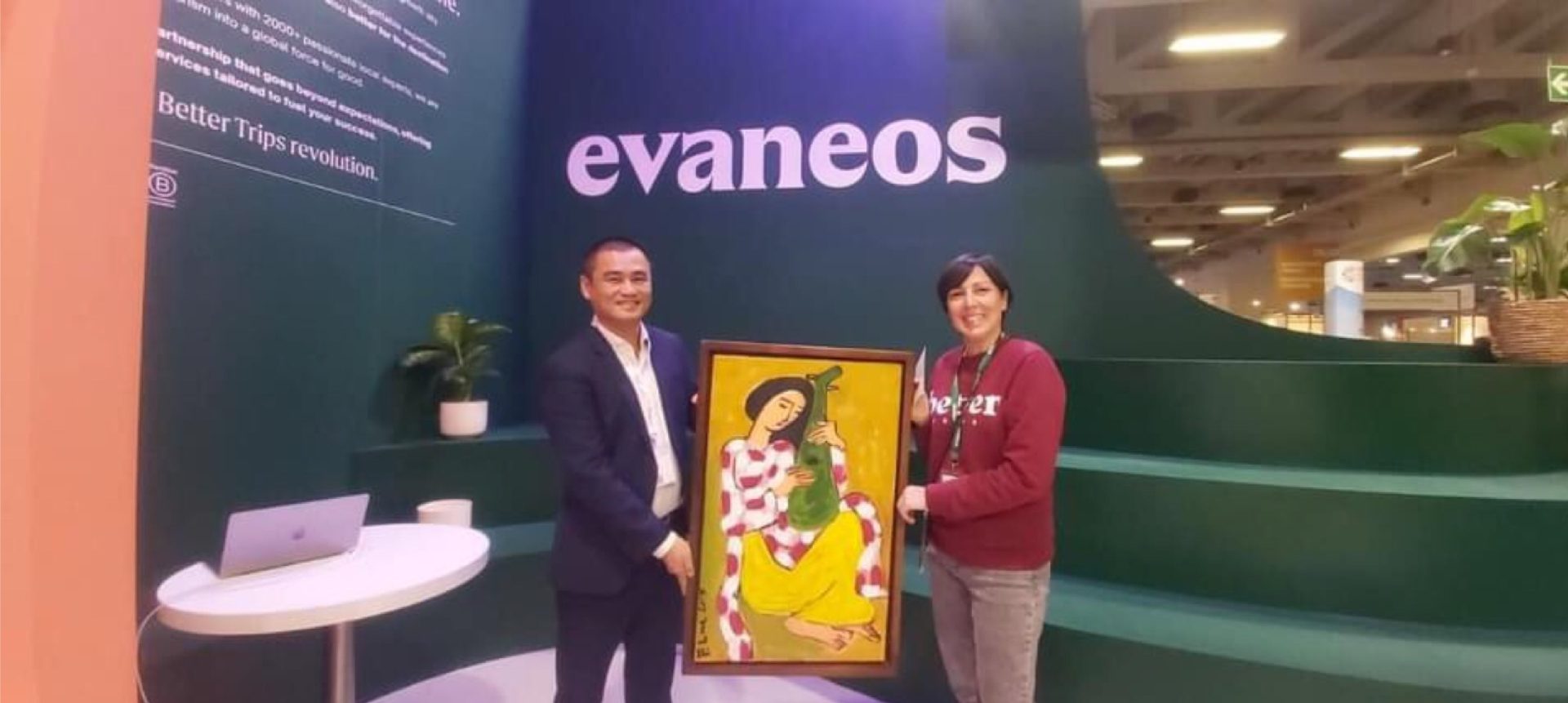
I often say, “Luxury is culture.” On Heritage Bình Chuẩn®, guests sailing through the limestone bays can spend time with 100 original works by Vietnamese artist Phạm Lực, an onboard collection recognised with a Vietnam Record. We’re seeing more interest in three-night expeditions through Hạ Long, Lan Hạ and Bái Tử Long. Guests have time to explore the bays and return to a painting that caught their eye on the first day. In 2027, LuxGroup plans to introduce the 32-suite Heritage Phi Long, with a floating museum concept that tells stories of Vietnam’s mountains, deltas and coast through art.
What will make Vietnam more competitive?
Long Thanh International Airport can strengthen southern Vietnam’s connectivity as airlines phase in services. For travellers, its value will depend on how easily they can reach Ho Chi Minh City or transfer between Long Thanh and Tân Sơn Nhất. Better connections give the trade more scope to build itineraries that fly into one city and out of another. Every practical route that saves a traveller from backtracking creates room for another stop.
On Phú Quốc, airport expansion ahead of APEC 2027 opens the door to more international meetings and incentive travel. Following Vietnam’s previous APEC meetings in Hanoi and Đà Nẵng, the opportunity for Phú Quốc is to give event planners reasons to bring groups back after the summit. At Lux Travel DMC, we plan to expand our events and group programmes alongside our luxury, adventure and bespoke itineraries for trade partners through luxtraveldmc.asia. We also plan to introduce daytime, sunset and overnight cruises in Phú Quốc after APEC, giving groups and leisure travellers more ways to experience the island from the water.