

In Eastern culture, the number 9 symbolizes longevity, wisdom, fulfillment, and greatness. Known as the number of “eternity” in many Asian traditions, it has long been associated with emperors, spirituality, and enduring legacy.
Remarkably, the life of Ho Chi Minh appears to have been closely connected with the number 9 through many important milestones — a series of coincidences that continue to fascinate historians and the Vietnamese people alike.
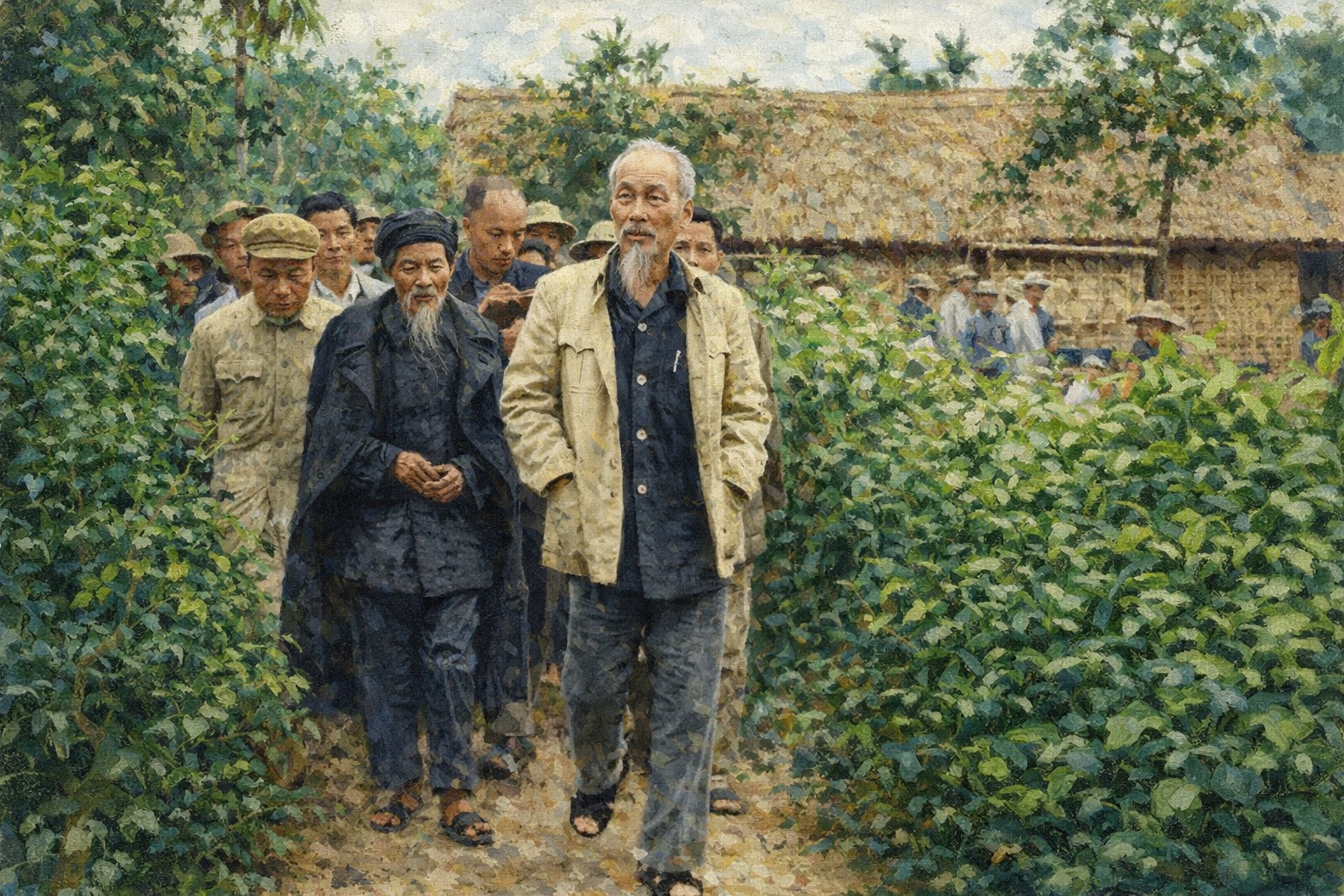
According to historical records, Ho Chi Minh was born on May 19, 1890, in Kim Liên village, Nam Đàn District, Nghệ An Province. Even his birth date carries traces of the number 9: the 19th day, the year 1890, and the 19th century. Though seemingly incidental, these numerical connections would later reappear throughout the defining moments of his extraordinary life.
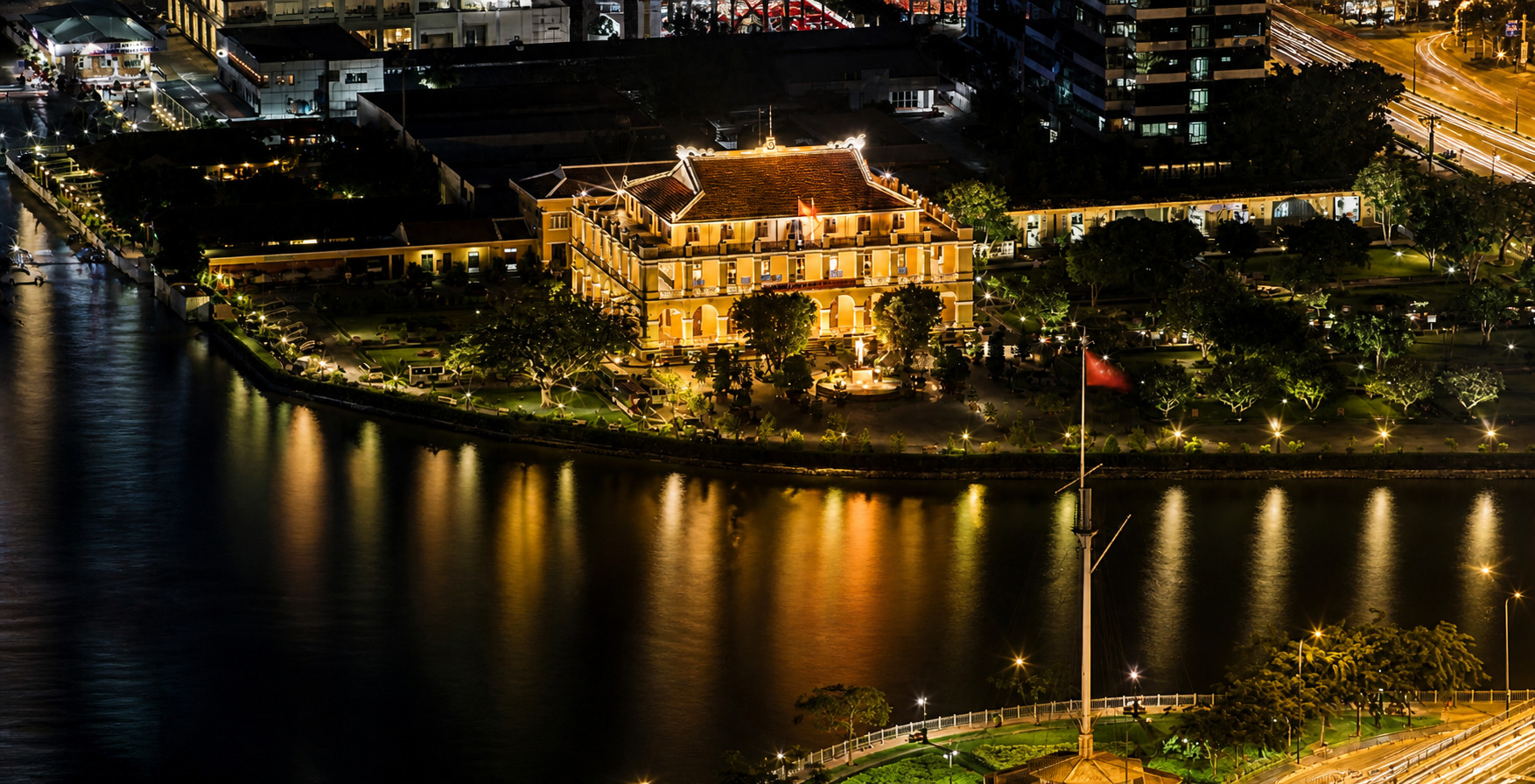
On June 5, 1911, the young Nguyễn Tất Thành — later known as Ho Chi Minh — departed from Nhà Rồng Wharf aboard the French ship Amiral Latouche-Tréville to seek a path for Vietnam’s independence. It was a journey that would ultimately change the destiny of the Vietnamese nation.
For exactly thirty years, he traveled across continents, working and learning in countries including France, the United Kingdom, the Soviet Union, China, and many others. During those decades abroad, he transformed from a patriotic young man into an international revolutionary thinker who discovered a pathway for national liberation rooted in independence, self-determination, and social justice.
In 1941, after three decades overseas, he finally returned to Vietnam to directly lead the revolutionary movement.
On September 2, 1945, at Ba Đình Square in Hanoi, Ho Chi Minh read the Declaration of Independence, officially establishing the Democratic Republic of Vietnam.
That historic date — 2/9 — would forever become Vietnam’s National Day. For many people, the presence of the number 9 in this defining moment further deepened the symbolic connection between Ho Chi Minh and the number itself.
His declaration began with words inspired by the American Declaration of Independence and the French Declaration of the Rights of Man and Citizen, affirming that all peoples have the right to liberty and equality.
It marked not only the birth of a new nation, but also the beginning of a new era in Vietnamese history.
On December 19, 1946, Ho Chi Minh issued the famous “Call for National Resistance” against French colonial forces. In that appeal, he declared:
“We would rather sacrifice everything than lose our country and become slaves.”
Those words became the spiritual foundation of Vietnam’s long resistance struggle. Some Vietnamese researchers have also noted that the sentence contains 19 words in Vietnamese — once again reflecting the recurring appearance of the number 9.
Another historic moment occurred on September 19, 1954, before Vietnamese forces returned to take over Hanoi after the Geneva Accords. At the Hùng Kings Temple, Ho Chi Minh told the soldiers:
“The Hùng Kings founded our nation; together, we must protect it.”
The sentence became one of the most powerful expressions of Vietnam’s historical continuity — linking ancient nation-building traditions with the modern struggle for independence.
During the resistance against the United States, Ho Chi Minh left behind another immortal statement:
“Nothing is more precious than independence and freedom.”
Short, direct, and timeless, the phrase became a universal symbol of anti-colonial struggle and national dignity. Many people have observed that the statement consists of exactly nine words in Vietnamese — another symbolic coincidence associated with his life.
Yet perhaps the most emotional connection to the number 9 came at the end of his life.
Ho Chi Minh passed away at 9:47 a.m. on September 2, 1969, at the age of 79 — precisely on Vietnam’s National Day, the very anniversary of the independence declaration he had proclaimed twenty-four years earlier.
For many Vietnamese people, this moment carried profound symbolic meaning. It felt as though his life had become inseparable from the destiny of the nation itself.
Even his final testament reflected the simplicity and devotion that defined his life. In his Di chúc (Testament), he wrote:
“Throughout my life, I have wholeheartedly served the Fatherland, the revolution, and the people.”
These words summarize the essence of Ho Chi Minh’s life — a life almost entirely devoted to national independence and the well-being of the people.
However, the true significance of Ho Chi Minh does not lie in mystical numbers or symbolic coincidences.
His greatest legacy is his contribution to Vietnam’s independence, his vision of national self-determination, and his enduring belief in human dignity and freedom. He inspired generations of Vietnamese people through simplicity, resilience, patriotism, and sacrifice.
From Nguyễn Sinh Cung to Nguyễn Tất Thành, from Nguyễn Ái Quốc to Ho Chi Minh, each name represented a different chapter in his revolutionary journey. Over decades of activism and struggle, he became not only a political leader but also a cultural symbol of liberation movements throughout the twentieth century.
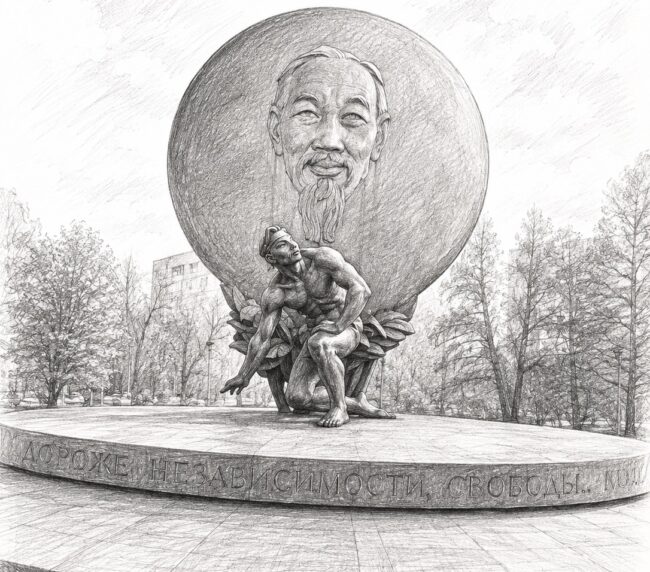
In 1987, UNESCO honored Ho Chi Minh as a “National Liberation Hero and Great Man of Culture of Vietnam.” The recognition acknowledged his influence beyond Vietnam and affirmed his place in modern world history.
Perhaps the repeated appearance of the number 9 throughout his life was merely coincidence.
Yet in Vietnamese cultural consciousness, it remains a beautiful and meaningful symbol.
Because in Eastern philosophy, the number 9 represents permanence and eternity.
And the most enduring thing about Ho Chi Minh is not the numbers connected to his life, but the ideals, patriotism, and spirit he left behind for future generations.