

Pham Ha has traveled to more than 80 countries around the world. Yet what he brought home was not merely business deals, luxury hotels, or international partnerships.
What he brought home was a lingering question.
Why do many countries with fewer natural and cultural resources than Vietnam appear to tell their tourism story more successfully?
In Bali, he observed how Indonesia transforms subtlety into emotion. The island does not rely solely on extravagant infrastructure. Instead, it leaves visitors with a sense of calm, healing, spirituality, and authenticity. Luxury there is not loud. It is emotional.
In Thailand, he saw how tourism evolved into a form of national soft power. The country does not simply sell beaches or hospitality. It sells warmth, service culture, joy, and experience. According to international estimates, tourism contributes roughly 18–21% of Thailand’s GDP when direct and indirect impacts are combined — one of the highest tourism dependency rates in Asia.
In Europe, he noticed something else: rivers becoming cultural identities. The Seine in Paris, the Thames in London, and the Danube in Budapest are not merely waterways running through cities. They are emotional landscapes, cultural stages, and economic frontages that shape how the world remembers those destinations.
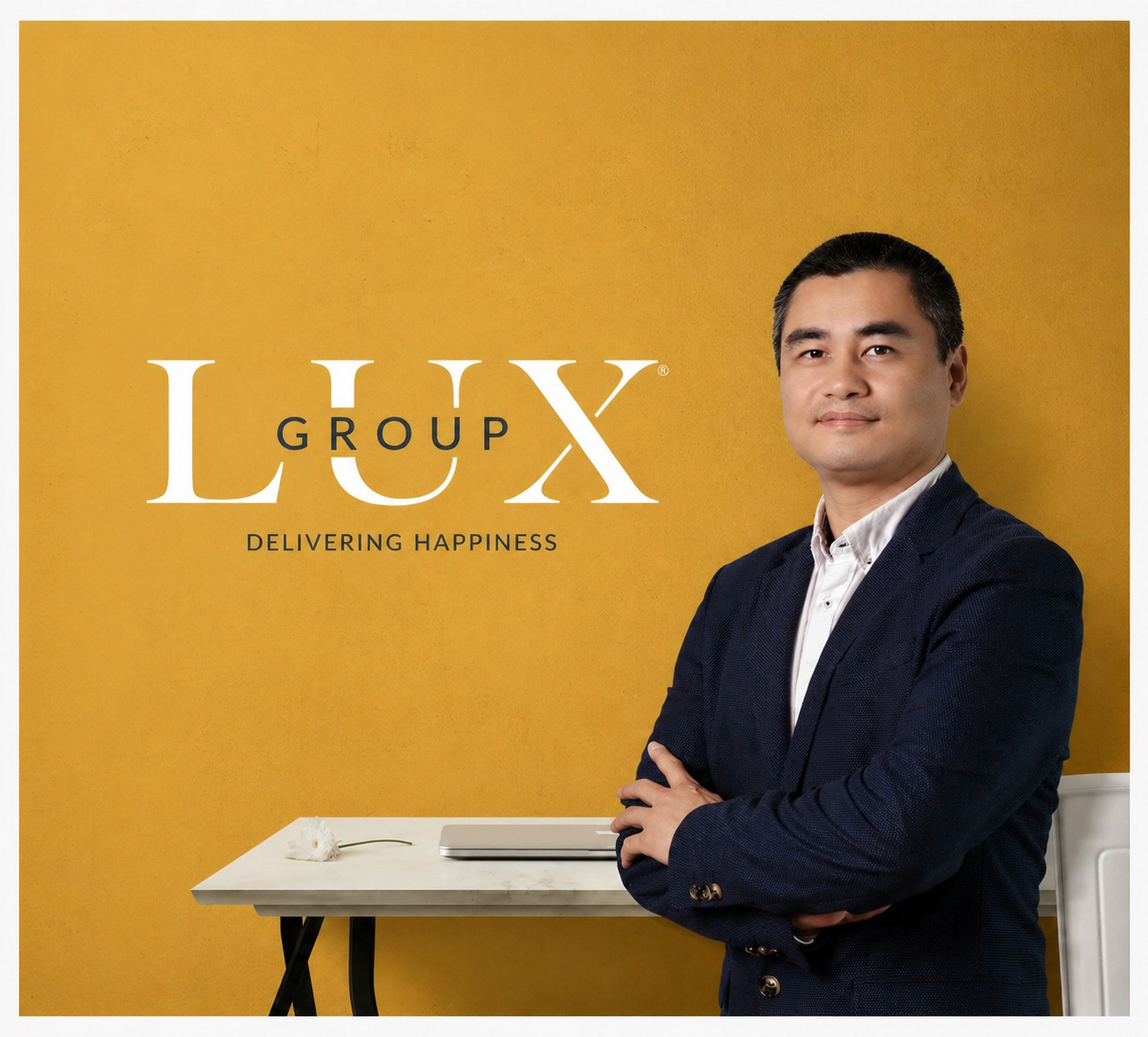
“The more I travel, the more I realize Vietnam possesses extraordinary resources, yet we still have not told a compelling enough national story to make travelers stay longer, spend more, and truly want to return,” says Pham Ha, Founding President & CEO of LuxGroup.
His reflection goes beyond tourism itself. It touches on how nations position themselves in the global experience economy.
Vietnam aims to welcome 35 million international visitors by 2030. But according to Pham Ha, the real question is not how many tourists arrive. The real question is what they remember after leaving.
More Visitors Do Not Necessarily Mean Success
For years, Vietnam’s tourism industry has celebrated growth through numbers: record-breaking arrivals, rising hotel occupancy, and booming holiday revenues.
But modern tourism, Pham Ha argues, can no longer be measured by volume alone.
“Tourism today should be measured by value created per visitor — how long they stay, how much they spend, how emotionally satisfied they are, and whether they choose to return,” he says.
He recalls a recent family trip to Sa Pa during the Lunar New Year holiday. What was expected to be a relaxing mountain retreat quickly became exhausting.
Traffic stretched endlessly through the fog-covered roads of northern Vietnam. Hours were lost in congestion. The emotional excitement of travel gradually disappeared.
“A vacation should not feel like endurance,” he reflects.
Sa Pa is far from the only example. Similar patterns are increasingly visible in destinations such as Ha Long Bay, Da Lat, Phu Quoc, and other tourism hotspots during peak seasons.
As destinations become overcrowded, the quality of experience deteriorates. Local communities face pressure. Infrastructure becomes strained. Environmental damage intensifies. And tourism risks entering what Pham Ha describes as “emotionless growth.”
“A destination welcoming one million tourists with congestion, pollution, and poor experiences may ultimately create less long-term value than one welcoming 300,000 high-spending visitors who leave with unforgettable memories and positive emotional connections,” he says.
Globally, tourism is shifting away from mass tourism toward meaningful tourism.
Modern luxury travelers are no longer searching for crowded itineraries or cheap packages. They seek privacy, personalization, cultural depth, authenticity, and emotional connection.
Luxury itself is changing definition.
“Luxury is no longer about material extravagance alone,” Pham Ha says. “The new luxury lies in emotional depth, refinement, cultural identity, and meaningful experiences.”
Vietnam Has Resources, But Still Lacks A National Narrative
According to many tourism strategists, the world’s strongest destinations succeed not simply because of natural beauty, but because they know how to tell stories.
Paris does not merely sell the Eiffel Tower. Japan does not merely sell cherry blossoms. Italy does not simply sell Venice or Rome. These countries sell a lifestyle, a philosophy, and an emotional world visitors aspire to enter.
Vietnam, however, still largely promotes itself through scenery, affordability, and diversity.
Pham Ha believes this reveals a deeper strategic gap.
“Vietnam has more than 4,000 years of history, 54 ethnic groups, one of the world’s most celebrated cuisines, over 3,260 kilometers of coastline, and a dense river network. Yet we still have not crafted a powerful enough national narrative for the world to emotionally remember,” he says.
In a globalized world where airports, luxury hotels, and shopping centers increasingly look alike, culture becomes the last truly irreplaceable advantage.
“This is the moment Vietnam must reposition itself — not as a cheap destination or simply a crowded destination, but as a country of culture, people, nature, gastronomy, and meaningful experiences,” he says.
Culture Must Become A Strategic National Core
For Pham Ha, culture is no longer simply a tourism asset.
It must become a strategic national foundation.
In the future, competition between nations will not only revolve around GDP, infrastructure, or manufacturing capacity. It will increasingly revolve around the ability to create emotional value, inspiration, and memorable experiences for the world.
This philosophy also explains why LuxGroup has pursued boutique luxury tourism for more than two decades.
Rather than chasing scale, the company chose a “small but refined” strategy focused on personalization, storytelling, and immersive cultural experiences.
Its cruise brands — including Heritage Cruises, Emperor Cruises, and most recently Amiral Cruises for Presidents — all reflect the same belief: true luxury is no longer measured by excess, but by emotional resonance.
“We do not simply sell cabins on a ship,” Pham Ha says. “We tell stories about Vietnamese history, people, culture, and identity.”
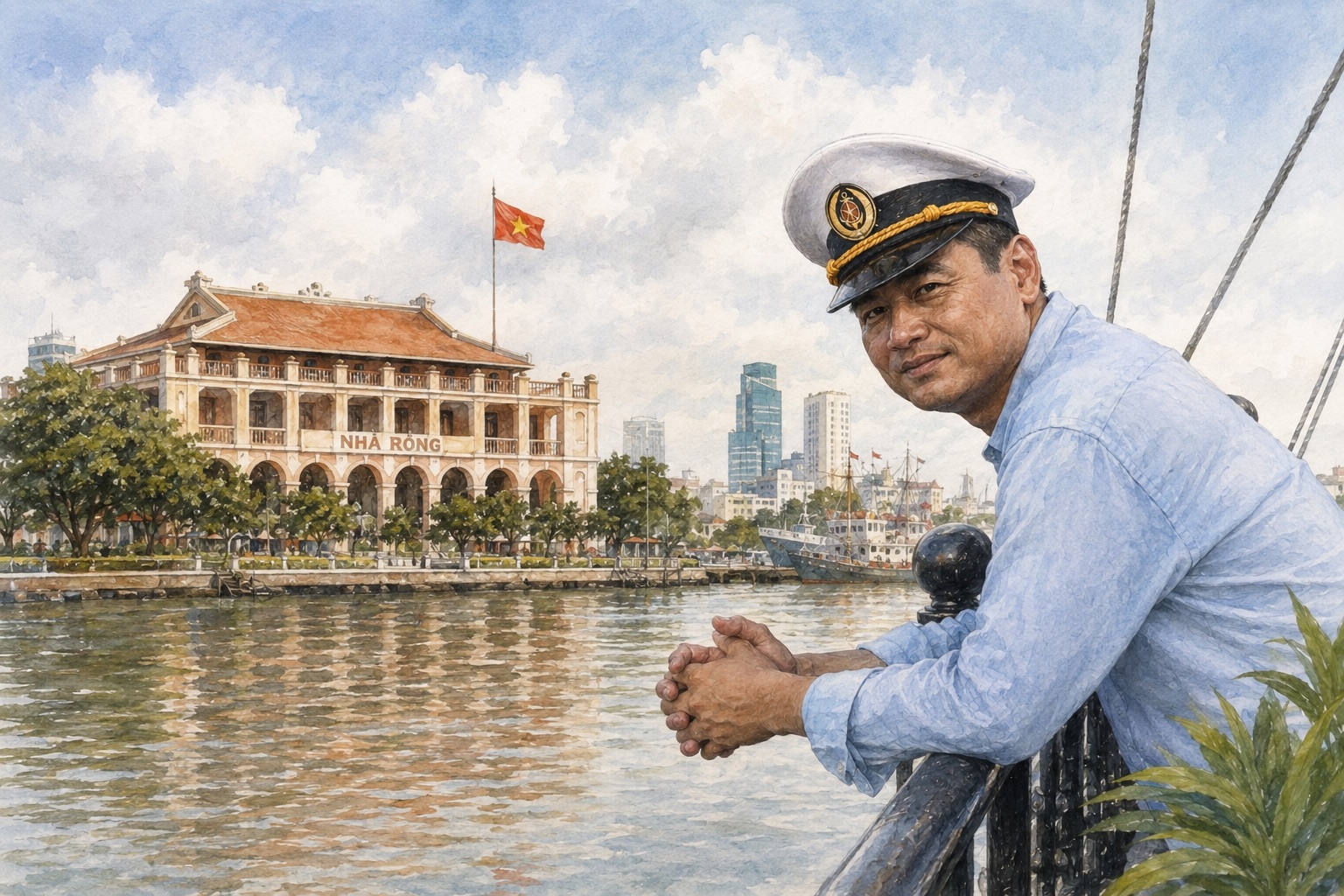
Amiral Cruises for Presidents, for example, draws inspiration from the historic 1911 journey of young Nguyen Tat Thanh — later known as Ho Chi Minh — who departed from Nha Rong Wharf aboard the Amiral Latouche-Tréville in search of a path for Vietnam’s future.
For Pham Ha, this is not merely historical symbolism. It represents a new model of urban tourism where rivers, heritage, architecture, art, and collective memory become living experiences.
Vietnam Is Overlooking A Strategic Economic Frontier
One of Pham Ha’s greatest concerns is Vietnam’s underdeveloped river and maritime tourism economy.
“Many countries have transformed rivers into global tourism symbols, while Vietnam — despite possessing dense waterways — still underutilizes this enormous advantage,” he says.
From the Seine in Paris to Bangkok’s Chao Phraya River, waterways often function as both cultural frontages and economic frontages for cities.
Vietnam, however, still lacks integrated tourism ports, iconic river tourism products, and synchronized planning between transportation, urban development, and tourism.
Pham Ha believes river and maritime tourism could become one of Vietnam’s next strategic growth engines, generating ripple effects across aviation, logistics, hospitality, retail, gastronomy, and the broader cultural economy.
“River and maritime tourism are not simply tourism products,” he says. “They represent strategic economic frontiers for the nation.”
“Luxury Is Kindness”
Perhaps most strikingly, amid an industry often driven by relentless commercial pressure, Pham Ha repeatedly returns to one word: kindness.
He believes tourism is ultimately an industry built on emotion, sincerity, and human connection.
“If you only pursue profit, you may earn money faster,” he says. “But if you build tourism through kindness, authenticity, and cultural respect, growth may come slower — yet it becomes far more sustainable.”
That philosophy explains why he continues choosing boutique over mass scale, emotional depth over speed, and storytelling over standardized tourism products.
As Vietnam seeks to become one of Asia’s leading tourism nations, the questions Pham Ha raises may become increasingly important.
Will Vietnam continue competing through low prices and visitor volume?
Or can it evolve into a country where every journey tells a story, every experience carries emotional meaning, and every visitor leaves remembering not only where they traveled — but how the country made them feel?
Because ultimately, the success of tourism is not measured by how many people arrive.
It is measured by what remains in their hearts after they leave.