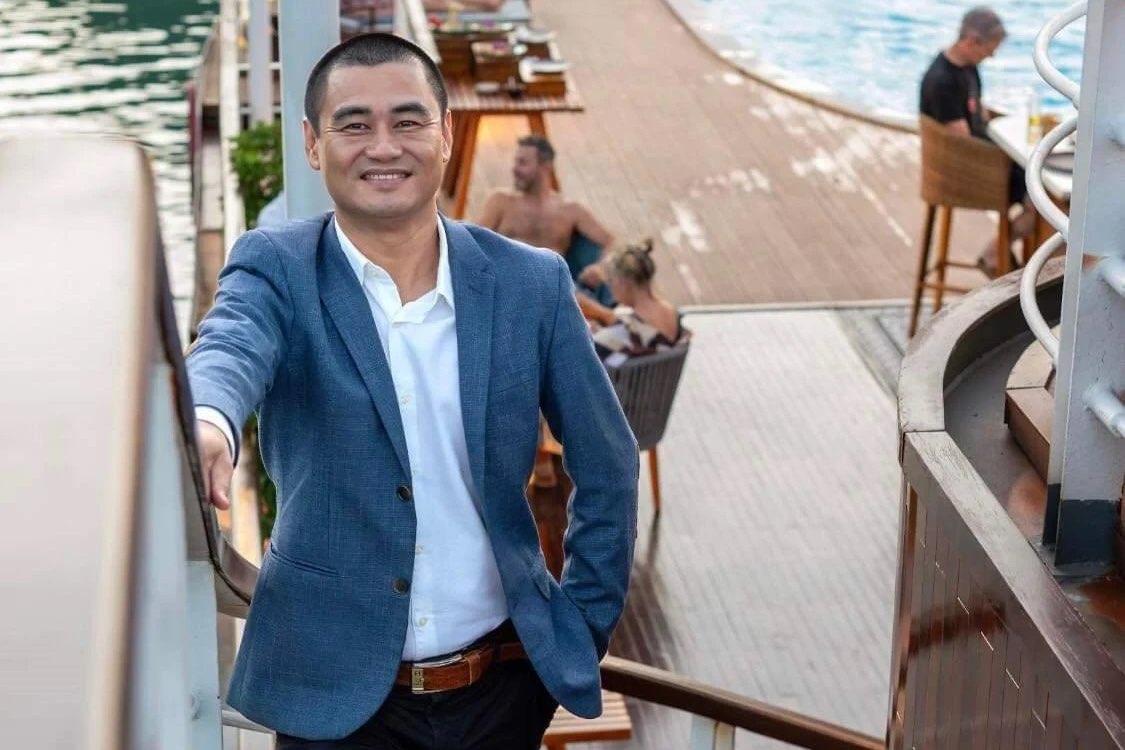


Insights from Dr. Phạm Hà, Founding President & CEO of LuxGroup®, on redefining Vietnam’s tourism future through culture, experience, and emotional value.
For decades, Vietnam was known as a “value-for-money” destination—a place where travelers came for affordability rather than depth. But with total tourism revenue surpassing one trillion Vietnamese dong, a new reality has emerged: tourism is no longer a supporting sector—it is a pillar of the national economy.
According to Dr. Phạm Hà, Founding President & CEO of LuxGroup®, this milestone is not just an achievement—it is a strategic signal:
“Vietnam has entered the big league. The real question now is: how will we play the game?”
From Volume Growth to Value Growth
For years, Vietnam’s tourism industry has grown by scale—more visitors, more tours, more destinations. But this model is reaching its limits.
“No country becomes a tourism powerhouse simply by increasing arrivals. True value lies in spending per guest and the depth of experience,” Dr. Phạm Hà explains.
Vietnam does not lack visitors. What it lacks is the ability to make them spend more, stay longer, and return.
To achieve this, the industry must shift from volume tourism to value tourism.
Travelers Don’t Lack Money—They Lack Reasons to Spend
One of the biggest misconceptions in tourism is that international travelers “don’t spend enough.” According to Dr. Phạm Hà, the issue lies not in the traveler—but in the product.
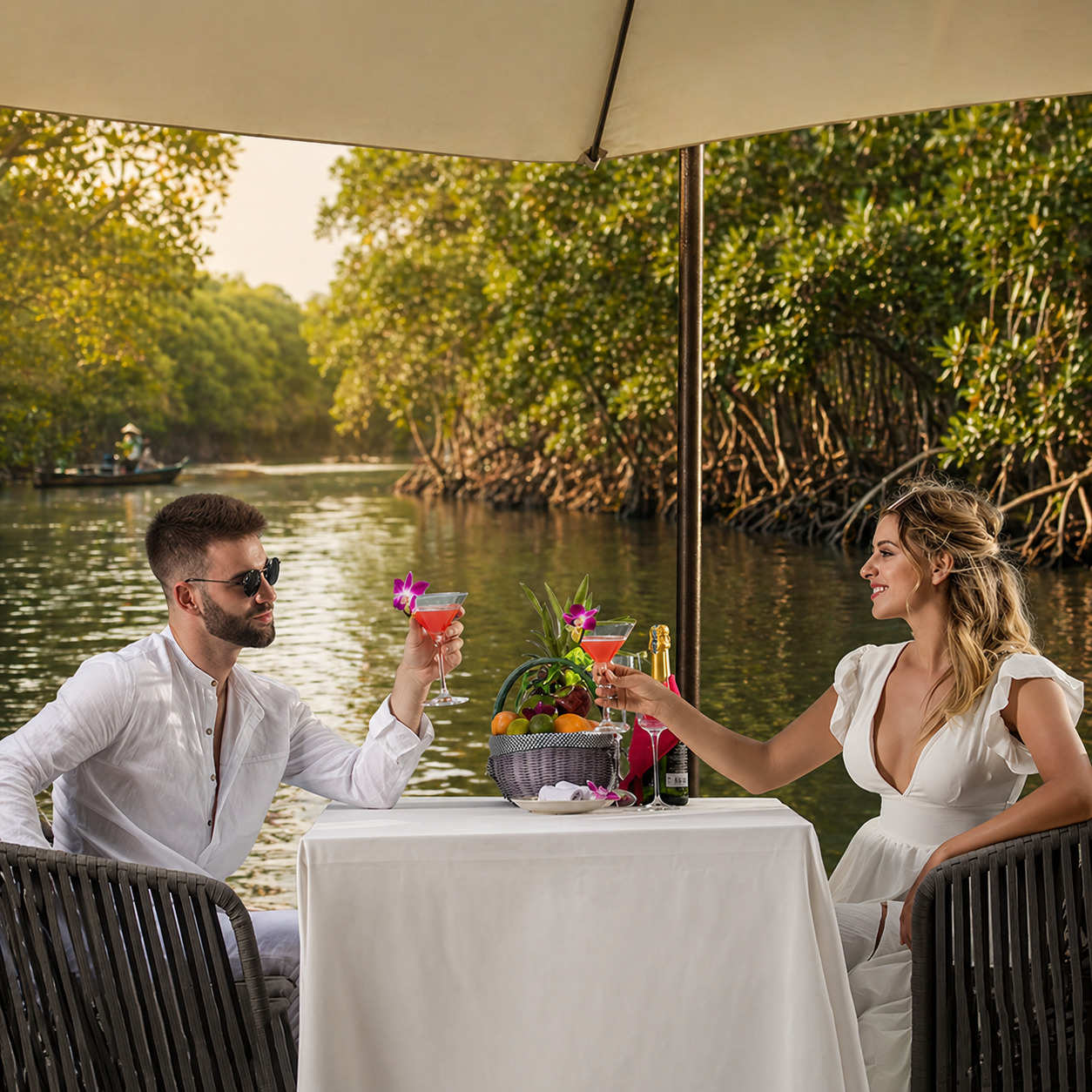
“Travelers don’t lack money. They lack compelling reasons to spend it in Vietnam.”
In today’s era, travelers are not seeking more destinations—they are seeking meaningful experiences. A meal is no longer just food—it is a cultural narrative. A journey is no longer just movement—it is memory.
This is where Vietnam holds immense untapped potential.
Cultural Advantage: A Gold Mine Yet to Be Fully Activated
Vietnam possesses over 4,000 years of cultural heritage, rich culinary traditions, and a dense network of rivers and coastlines. Yet much of this wealth remains underutilized.
“We have heritage, but not enough storytelling. We have culture, but not enough product design. We have resources, but not enough refined experiences,” Dr. Phạm Hà observes.
The future of Vietnam’s tourism lies not in building more infrastructure, but in reimagining experiences—where every product carries a story, an emotion, and a clear cultural identity.
From Hardware Luxury to Heartware Luxury
One of the most profound global shifts in tourism is the redefinition of luxury.
Where luxury once meant scale—large hotels, grand vessels, extensive services—today it is defined by emotion, personalization, and authenticity.
Dr. Phạm Hà calls this transition a move from “hardware luxury” to “heartware luxury.”
“Luxury is no longer what you have—it’s what you feel. A small but refined experience can deliver more value than a grand but soulless one.”
This philosophy is at the core of LuxGroup®’s guiding principle:
“Luxury is Culture – Delivering Happiness.”
Vietnam’s Waterways: The Next Strategic Axis
Looking ahead, Dr. Phạm Hà emphasizes the critical role of Vietnam’s rivers and seas.
With over 3,000 kilometers of coastline and an extensive inland waterway system, Vietnam holds a unique advantage: a riverine civilization shaped over millennia.
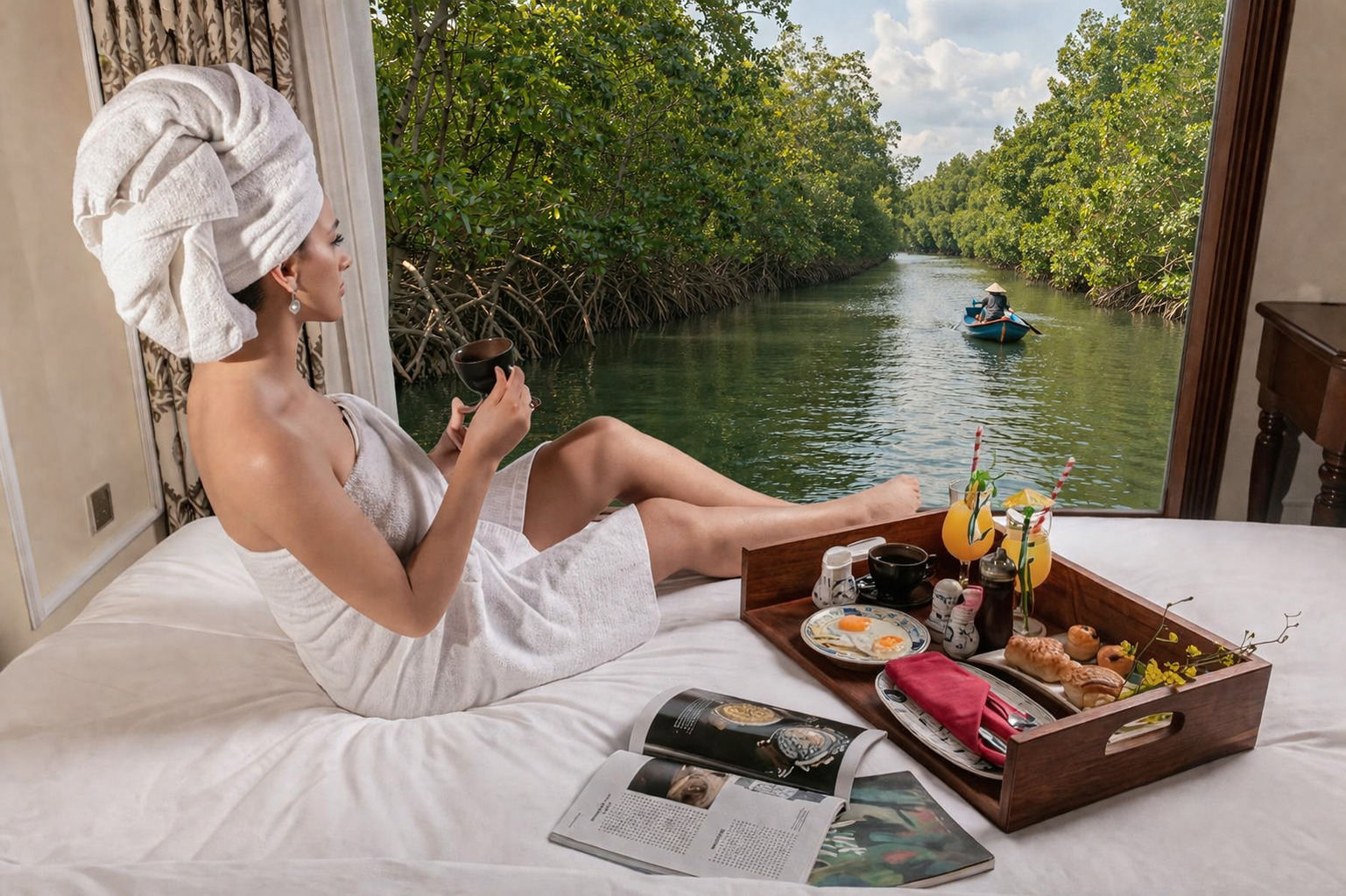
“Rivers are not just geography—they are history, culture, and collective memory,” he notes.
This vision has led to the development of Vietnam Waterways® 2045—a long-term strategy to position Vietnam as a global leader in river–sea luxury tourism.
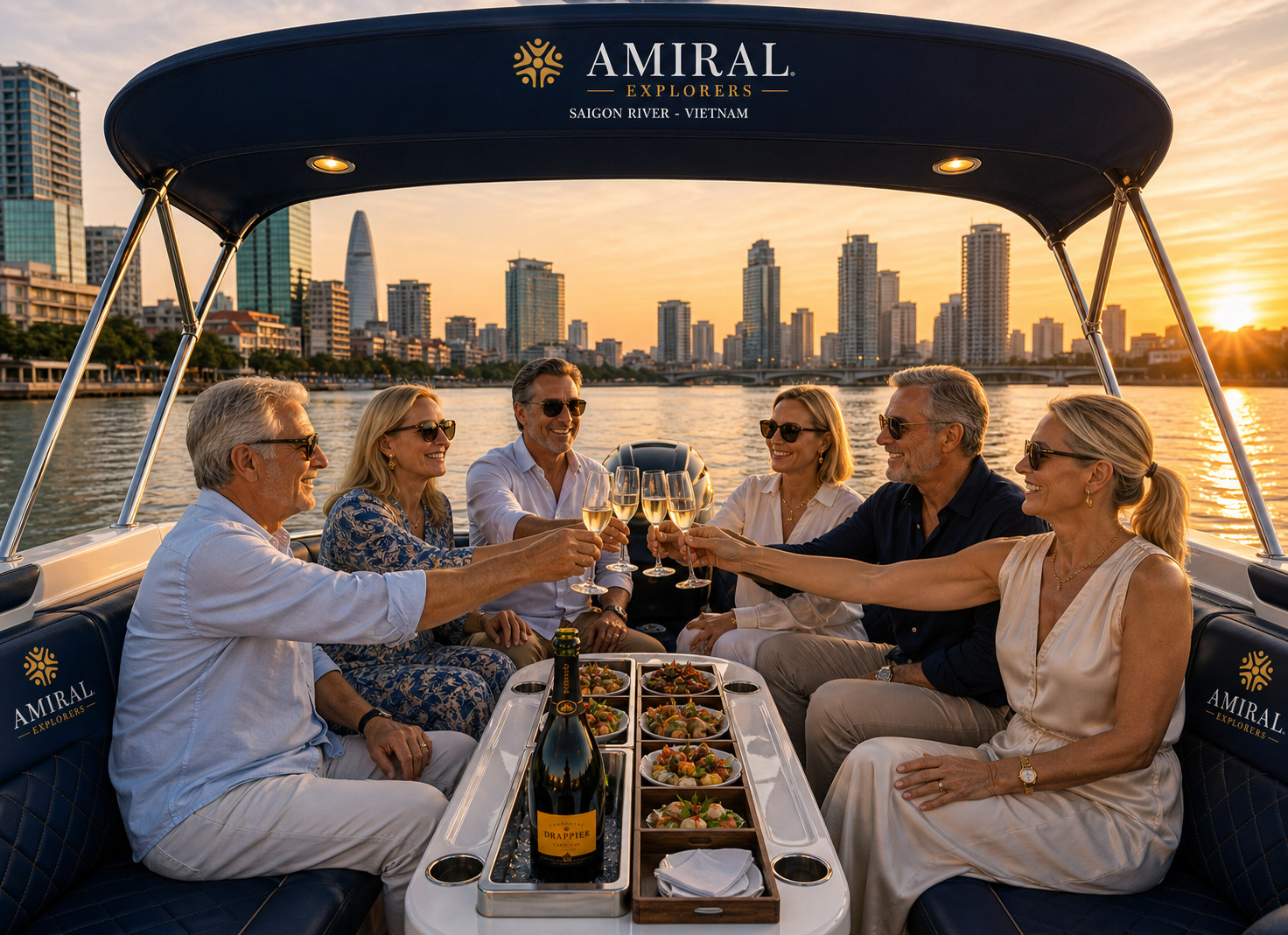
Projects such as Amiral Cruises for Presidents® and Heritage Cruises® are not merely tourism products—they are platforms for national storytelling.
The Real Bottleneck: Mindset, Not Resources
Despite its strengths, Vietnam’s tourism industry faces a critical bottleneck: its development mindset.
“We are still thinking in old ways—doing more, selling cheaper, competing on price. But the world has changed,” says Dr. Phạm Hà.
In today’s landscape, competition is no longer about destinations—it is about how stories are told and experiences are designed.
This requires a fundamental shift:
* From “doing tourism” to creating experiences
* From “selling tours” to curating memories
* From “serving customers” to connecting emotionally
The Future: Experience Economy and Vietnam’s Soft Power
Looking forward, Dr. Phạm Hà believes tourism will become one of the most powerful tools for building national soft power.
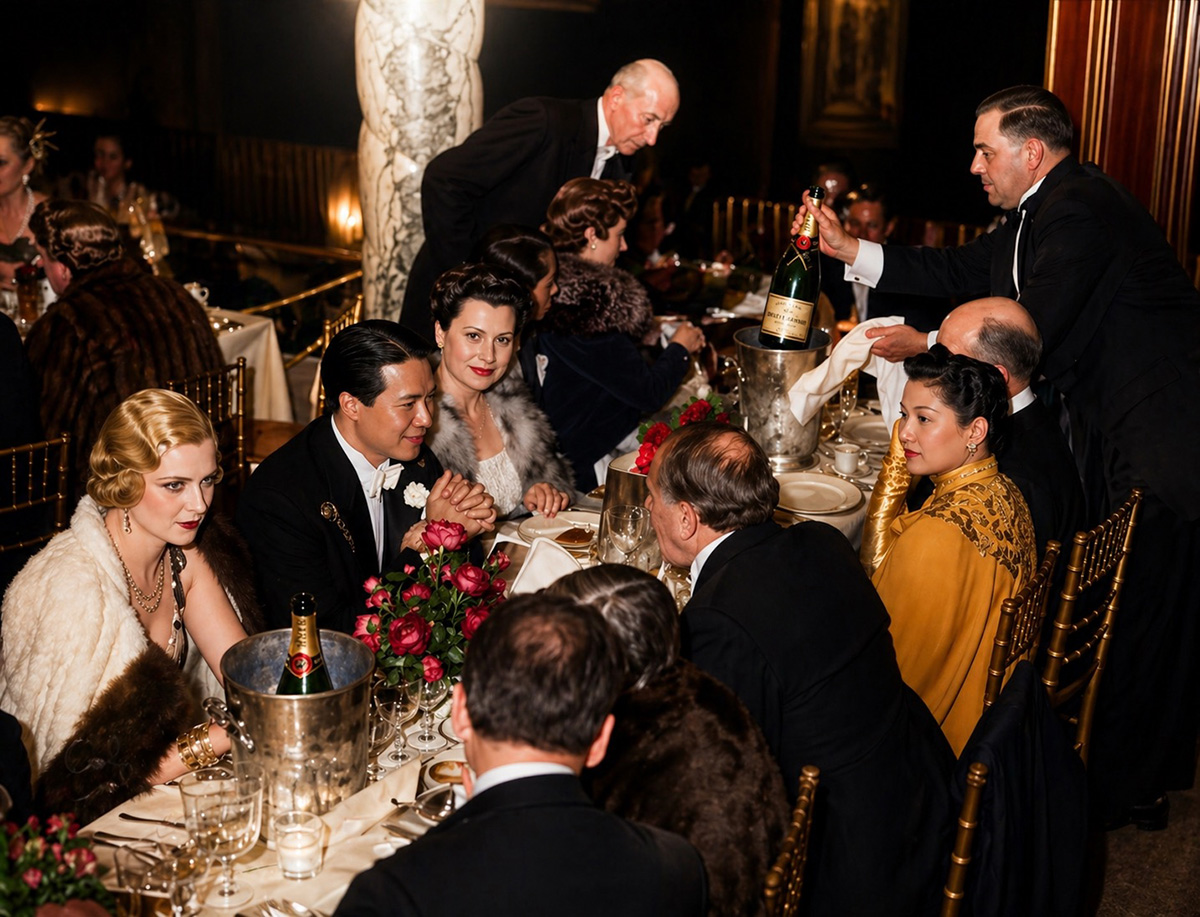
“Tourism does not just generate revenue—it shapes perception, pride, and global positioning.”
In the experience economy, successful nations will be those that can:
* Tell compelling cultural stories
* Transform heritage into products
* Turn experiences into economic value
Conclusion: From Destination to Memory
Vietnam’s trillion-dong tourism economy is a powerful foundation—but sustaining and multiplying this value requires transformation.
According to Dr. Phạm Hà, the future is not about becoming the most visited destination, but the most memorable one.
“We don’t need more—we need deeper, more refined, and more meaningful experiences.”
And when that shift happens, Vietnam will not only attract global spending—it will capture global hearts.