

By Pham Ha, Founder, President, and CEO of LuxGroup®
A travel company can post strong revenue while the destinations it visits become more crowded, its employees more exhausted, and the communities that host its guests receive a smaller share of the value created. Its financial statements may still look impressive. But how durable is that success if the very conditions that make a journey memorable are deteriorating?
That question shapes the way I think about the purpose of LuxGroup®. We describe our purpose as Delivering Happiness®. For a company operating across travel, cruises, hospitality, food, and the arts, it is an appealing phrase. Yet purpose has managerial value only when it changes a decision: how much to invest in people, how many guests a destination can responsibly welcome, how to share value with local partners, and when to accept a lower immediate return.
The difficult work is translating a broad promise into choices that can be examined, challenged, and improved. Otherwise, “happiness” risks becoming a claim we make about ourselves rather than an outcome people can recognize in their experience of our business.
Purpose must extend beyond the guest
Guests are central to hospitality, but they do not create a journey alone. A good experience depends on guides, crew members, chefs, operations teams, suppliers, artisans, and the residents of a destination. If we measure only guest satisfaction, we may miss the pressures borne by the people who produce that satisfaction.
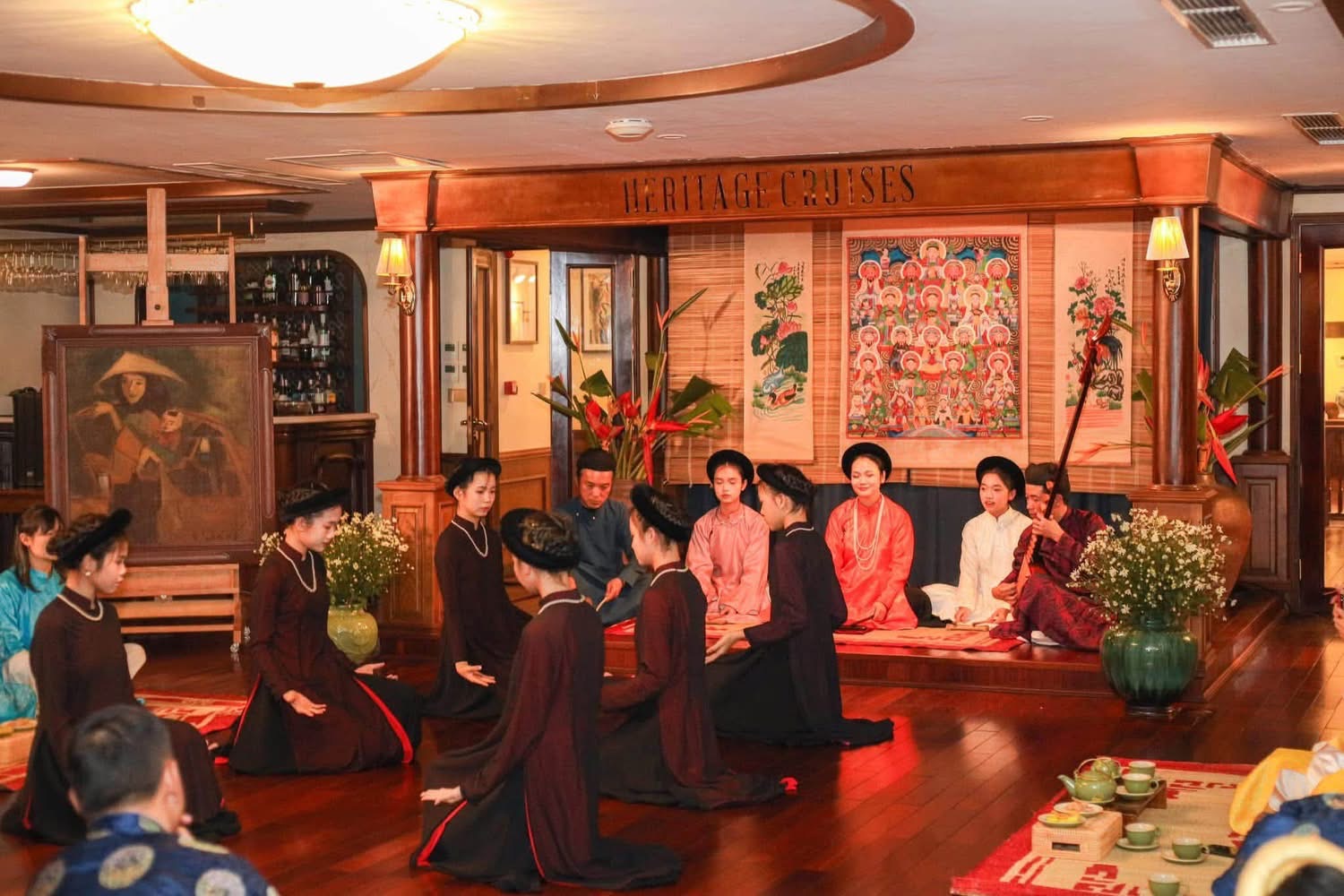
At LuxGroup, Luxury is Culture® is the belief that guides our product design. Luxury is not simply a beautiful suite or expensive amenities. It can be a guest understanding the history of a river, meeting a local maker with respect, tasting a dish in its cultural context, or having enough unhurried time to take in a place. These moments depend on knowledge and care. They also depend on employees who have the training, resources, and working conditions to be fully present with guests.
This changes what leaders must ask. Can our team deliver a highly personal experience without an unsustainable workload? Are local partners paid fairly and given room to tell their own stories? Are we representing history and culture accurately? Is the place that welcomed our guests better able to welcome future visitors after our ships have departed? These questions sit alongside commercial performance.
Profit is a condition for keeping promises
A company with a purpose still needs sound economics. Without healthy cash flow, it cannot pay employees on time, maintain ships, improve service, or fund long-term initiatives. Investors deserve a reasonable return for the capital and risk they provide. The harder question is how returns are generated and over what period they are judged.
A decision that improves this quarter’s margin might also raise employee turnover, weaken service, or damage a destination’s reputation for years. Short reporting cycles can make the gain visible while the associated obligations accumulate out of sight. A longer horizon asks leaders to look at financial performance together with the strength of the workforce, the reliability of partners, safety, customer trust, and the condition of the natural environment.
Tourism makes this tension unusually tangible. Bays, rivers, coastlines, and cultural heritage are essential to the product, yet they rarely appear as assets on a company’s balance sheet. An operator may be able to sell more places on a cruise without immediately paying the full costs of congestion, waste, or pressure on local infrastructure. A cost that is absent from the ticket price has not disappeared. Someone else may simply be paying it.
Purpose is tested when interests conflict
Imagine that demand for one of our cruise routes rises sharply. Adding departures could increase revenue and returns. But a denser schedule might leave the crew fatigued, make the guest experience feel rushed, and put greater pressure on the destination. The question is not merely how many additional tickets we could sell. It is how much growth we can sustain while preserving the quality of the journey and the trust of those who make it possible.
The same principle applies to purchasing. The lowest-priced supplier may not offer the lowest real cost when product quality, labor practices, reliability, and local value creation are considered. It also applies to culture. If we place an artist’s work on a ship or build an itinerary around a historical episode, we should research the context, credit the people involved, and avoid turning heritage into decoration. That takes time and money, but it makes our promise credible.
These choices cannot rest solely on a founder’s instincts. LuxGroup should make purpose visible in investment approvals and operating reviews. Does a proposed product meet a genuine guest need? What opportunities does it create for employees and local partners? Which negative effects are foreseeable, who might bear them, and who is responsible for reducing them? If market conditions worsen, can the project still meet its basic commitments?
Measures must follow those questions. Revenue, cash flow, and margins should be examined alongside repeat visits, service feedback, employee retention, operating safety, partner relationships, and effects at the destination. No single score can replace judgment. But a balanced set of evidence can help management and the board recognize when the company is earning money by weakening its future foundations.
Vietnam Waterways® is a long-term test
Our Vietnam Waterways® 2045 vision makes these questions concrete. Journeys on Vietnam’s rivers and seas can tell cultural stories from a different perspective, create skilled work, and connect communities. They also bring responsibilities for safety, environmental care, the capacity of each destination, and the way local people participate in the value created.
A vision stretching to 2045 cannot be governed only by next season’s revenue. Investments made today will shape the fleet, workforce capabilities, service standards, and local relationships of future decades. We must assess whether projects remain financially resilient when demand changes, and whether they can adapt as guest expectations, technology, and environmental standards evolve. Ambition matters only if the organization can keep its promises over time.
There will be trade-offs. A cleaner technology may require more capital upfront. A slower itinerary may serve fewer guests on a given day. Paying more for local expertise may reduce a short-term margin. We should not pretend those costs do not exist. We should make the reasoning explicit, test the expected benefits, and revisit the decision when evidence changes. Purpose calls for disciplined choices, not automatic approval of every well-intentioned proposal.
A purpose proved through action
No company can satisfy every group in every decision. Employees may seek more resources while investors seek higher returns. Guests may ask for more amenities while a destination needs less pressure. Leadership means identifying these tensions early, listening to those affected, explaining the choice, and remaining accountable when the outcome falls short.
For me, Delivering Happiness® is not a promise that everyone will always be pleased. It is a commitment to build a company healthy enough to create joy for guests, opportunity for employees, value for partners, and durable returns for investors while caring for the cultures and places that give us a reason to exist. Our HEARTS™ values become real only when they influence hiring, service, investment, and the way we correct mistakes.
What should a business be remembered for after several decades? The size of its fleet and the number of people it served will tell part of the story. The more important test is whether the people who traveled, worked, and lived alongside it gained a better future because it was there. That is the standard LuxGroup must continue to pursue.